It’s a strange thing, memory. Sometimes the films that linger aren't the comforting blockbusters we watched endlessly, but the ones that blindsided us. The ones we perhaps stumbled upon late one night at the video store, drawn by an intriguing cover or a name, only to be confronted with something utterly unexpected, profoundly unsettling, and visually arresting. For me, and likely for a few others who dared to venture down the less-travelled aisles of the 'World Cinema' or 'Drama' sections, Peter Greenaway's The Baby of Mâcon (1993) stands as one such unforgettable, if deeply uncomfortable, cinematic artifact.
This isn't your typical Friday night rental, folks. Let's be clear about that right from the rewind. Greenaway, already known for visually stunning and often intellectually demanding works like The Cook, the Thief, His Wife & Her Lover (1989), pushes boundaries here into territory that many found, and still find, deeply disturbing. Yet, watching it again after all these years, it's impossible to deny its power as a piece of deliberate, provocative art, a hallmark of a certain kind of ambitious, confrontational 90s filmmaking that rarely gets greenlit today.
A Stage Set for Suffering
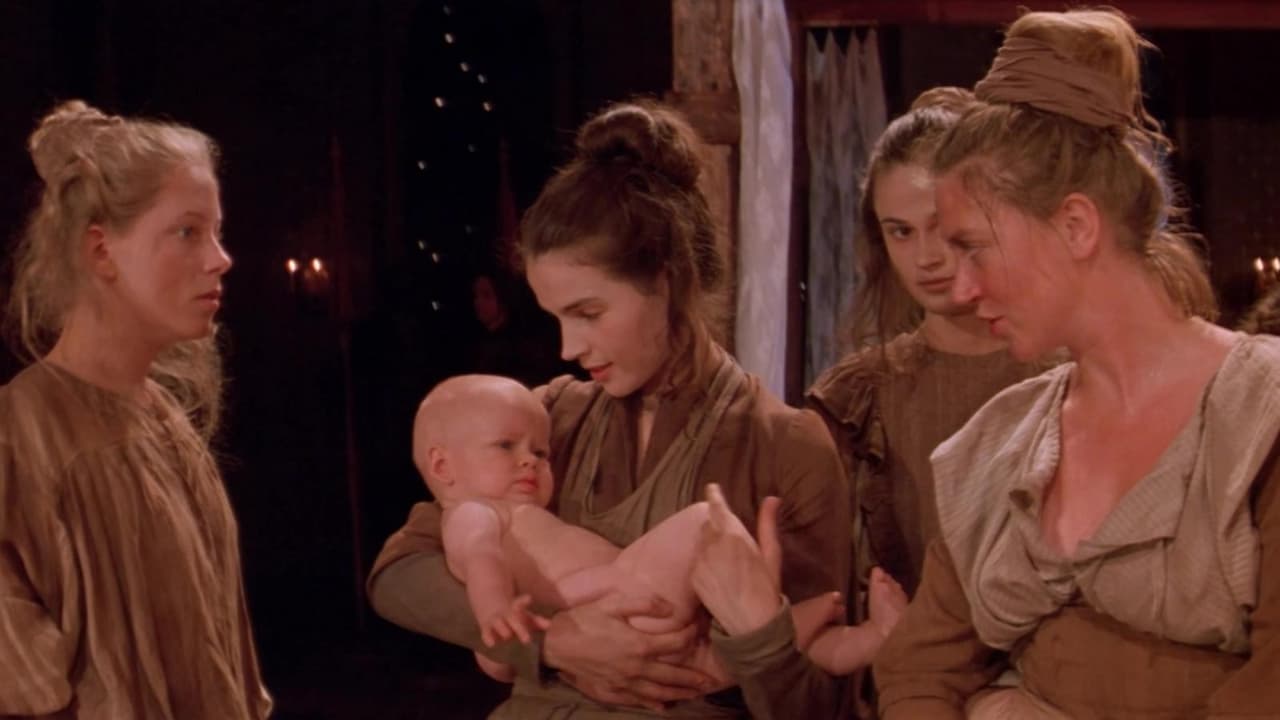
The film presents itself as a play performed in the 17th-century town of Mâcon, a framing device Greenaway uses to explore layers of spectatorship and complicity. The story revolves around a seemingly miraculous birth: an old, supposedly infertile woman delivers a beautiful baby boy. Her opportunistic teenage daughter (a challenging early role for Julia Ormond) swiftly claims the child as her own virgin birth, exploiting the town's desperation for a miracle in a time of famine and plague. The local church, embodied by figures like the Bishop (Philip Stone) and his skeptical son (Ralph Fiennes), grapples with how to respond – authenticate the miracle and control it, or expose the likely fraud?
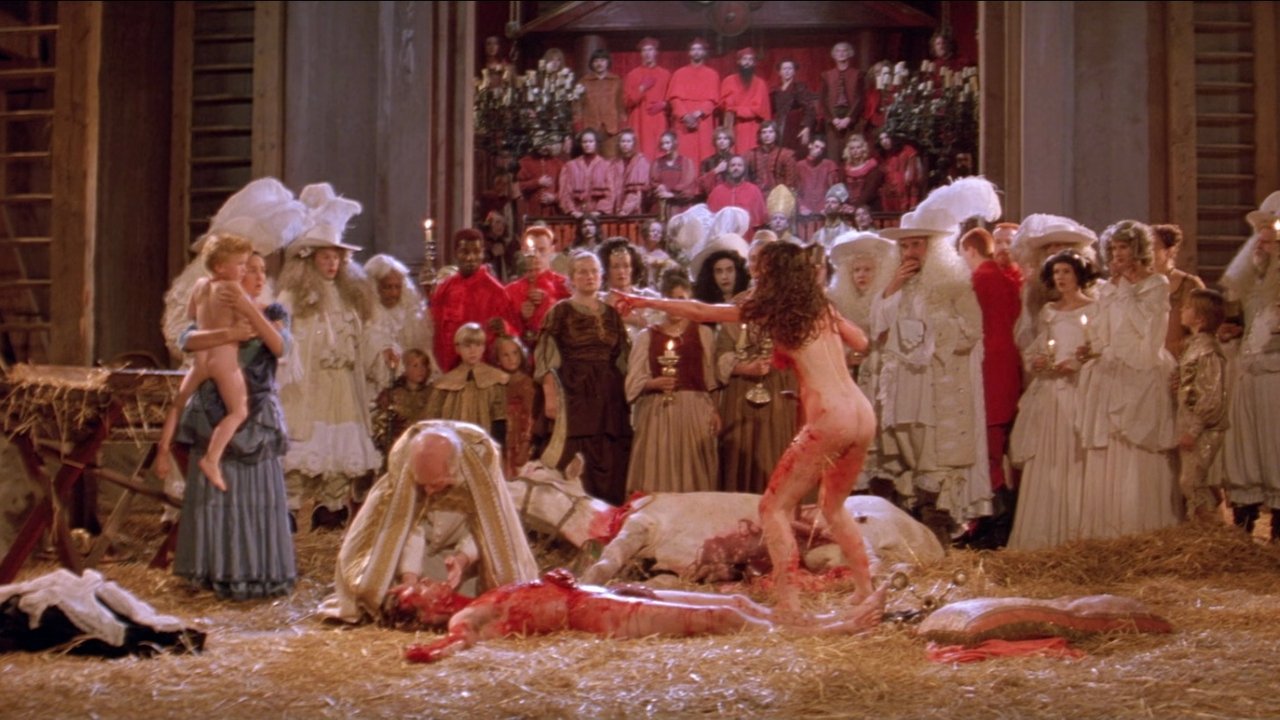
What unfolds is a chilling descent into religious hypocrisy, mass hysteria, and the brutal exploitation of the innocent. Greenaway doesn't shy away from depicting the darkest aspects of human nature when faith curdles into fanaticism and greed. The film’s notorious reputation stems largely from its unflinching portrayal of this exploitation, including scenes of graphic violence and sexual assault that are intentionally difficult to watch. It earned a restrictive NC-17 rating in the US and faced censorship battles elsewhere, making it a challenging find even back in the VHS era, often relegated to the top shelf or special order catalogues.
Painted Screens and Stark Realities
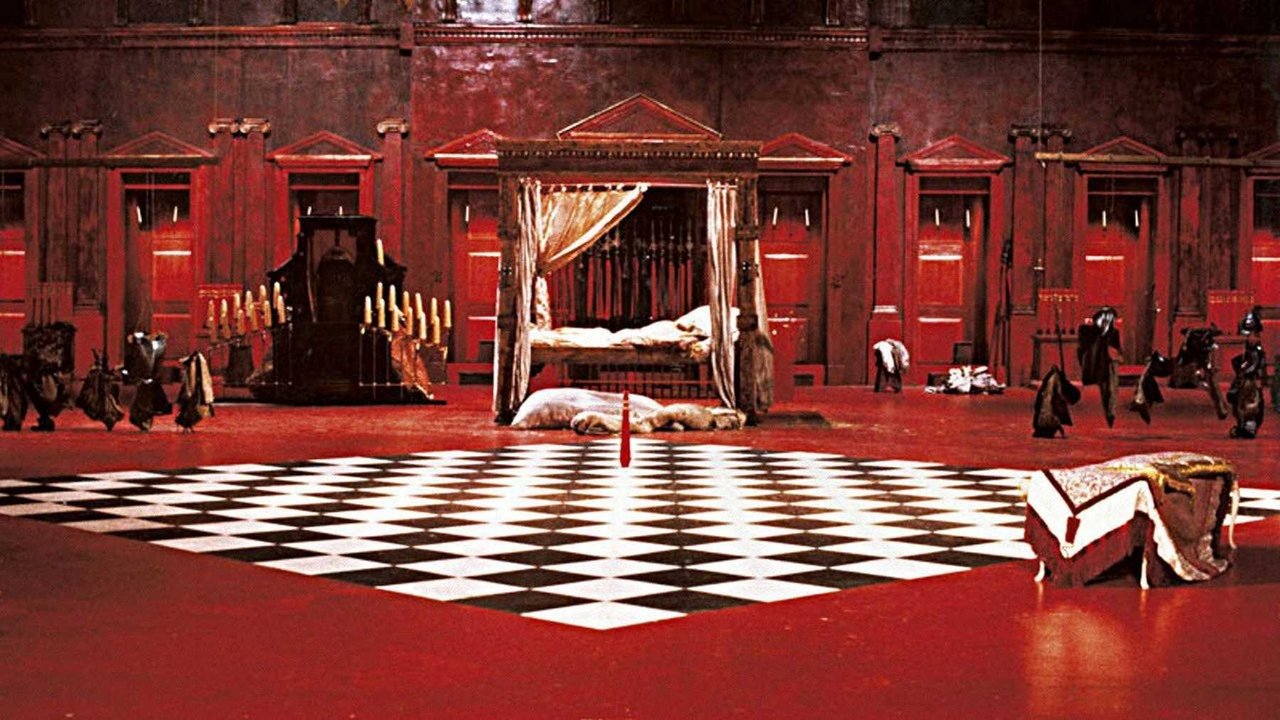
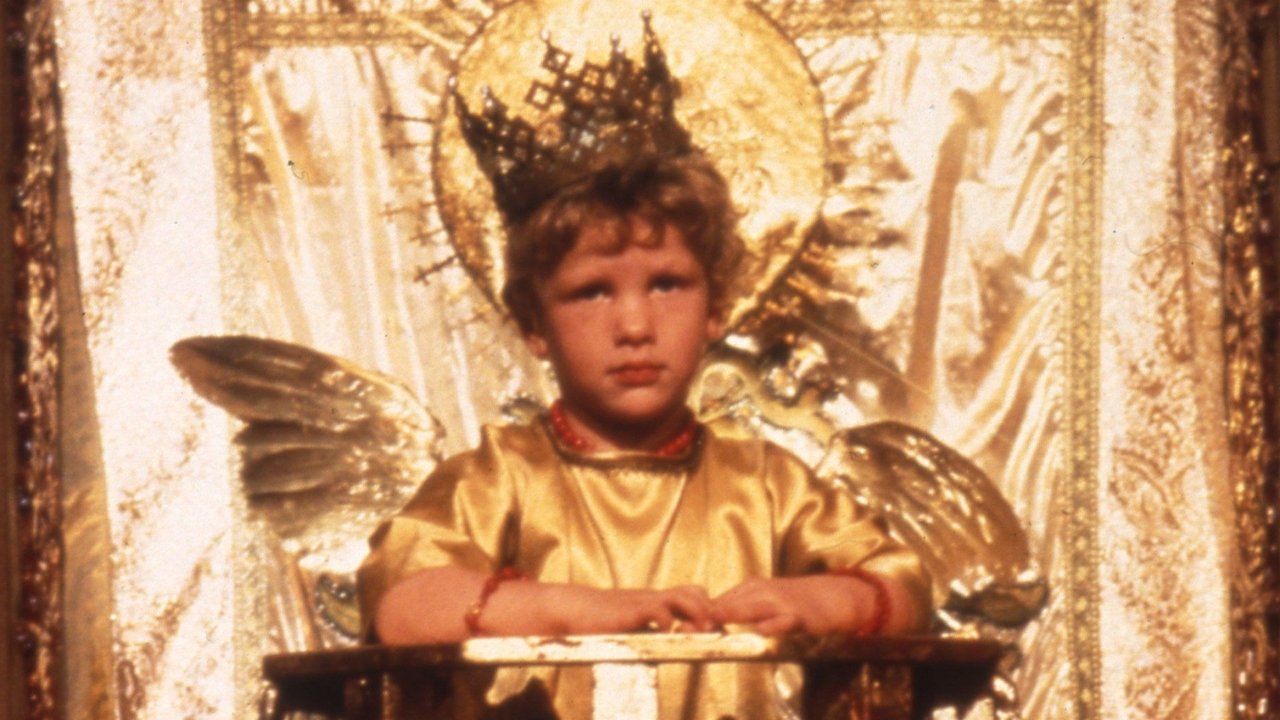
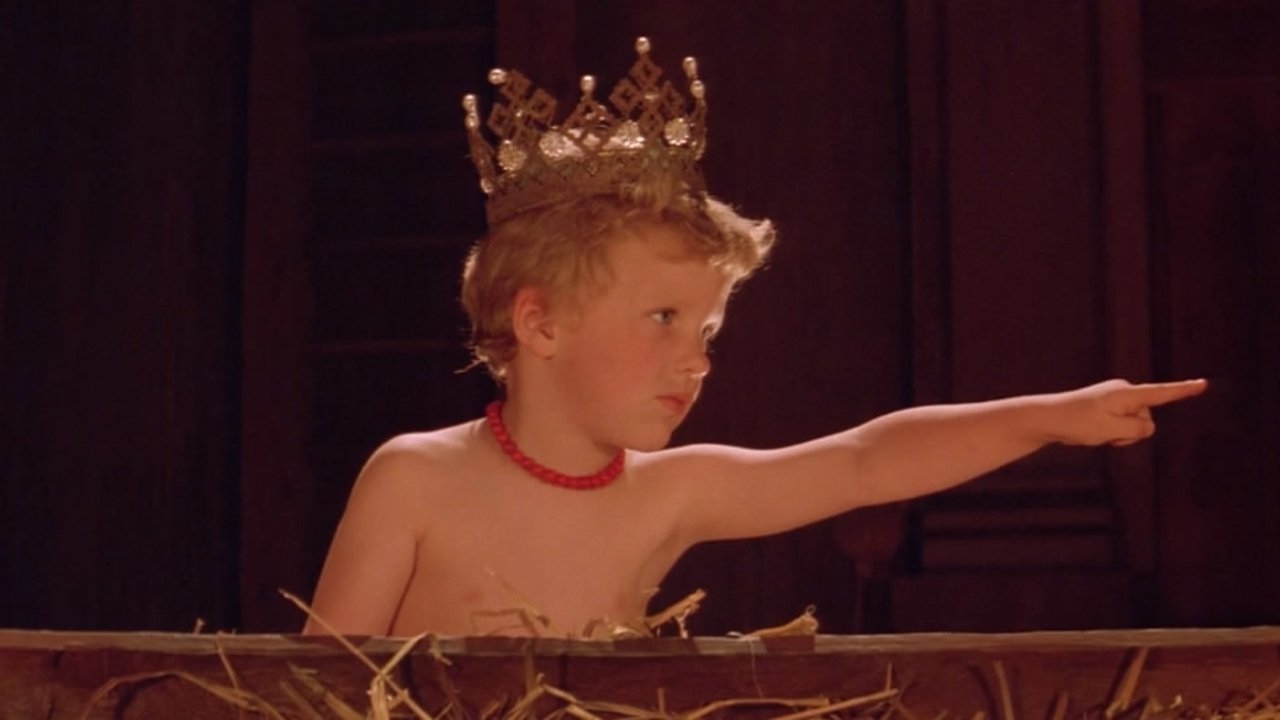
Visually, The Baby of Mâcon is pure Greenaway. Working with cinematographer Sacha Vierny, he creates tableaux vivants reminiscent of Renaissance and Baroque paintings – opulent, meticulously composed, drenched in rich colours (especially reds and golds), and deliberately artificial. The costumes, designed by Emi Wada (who won an Oscar for Akira Kurosawa's Ran), are extravagant pieces of wearable art, further enhancing the theatricality. This aesthetic choice isn't just for show; it underscores the film's themes. The artificiality of the play-within-a-play mirrors the manufactured nature of the "miracle" and the performative aspects of religious and political power. It forces us, the audience, to confront our own role as spectators witnessing staged, yet horrifyingly real, suffering.
Interestingly, the film was shot primarily on soundstages in Germany and the Netherlands, adding to the controlled, hermetically sealed atmosphere. Greenaway, with his background as a painter, approached filmmaking like composing a canvas, every element precisely placed. This precision extended to his direction of actors, demanding a certain stylized delivery that fits the theatrical frame but can sometimes feel distancing.
Rising Stars in a Dark Firmament
Despite the stylistic demands, the performances are crucial. Julia Ormond, in only her second feature film role, carries an immense burden. She portrays the daughter's journey from calculating opportunist to horrified victim with raw intensity. It’s a brave, if harrowing, performance that must have been incredibly taxing. Opposite her, Ralph Fiennes – in the same year he achieved global recognition for Schindler's List – brings a compelling blend of intellectual detachment and dawning horror as the Bishop's son, the voice of reason increasingly powerless against the tide of fanaticism. His presence lends a vital anchor amidst the stylized chaos. Their involvement speaks volumes about Greenaway's standing at the time; attracting such rising talent to such difficult material was a testament to his unique vision.
A Difficult Legacy
The Baby of Mâcon wasn't a commercial success, its challenging content and explicit nature ensuring a limited release and divisive critical reception. Some hailed it as a masterpiece of challenging cinema, a necessary critique of dogma and exploitation; others condemned it as gratuitous and cold. Finding reliable box office figures is tricky, but it certainly didn't recoup its substantial (for an arthouse film) budget, rumored to be around the £5-7 million mark. It remains one of Greenaway's most controversial works, a film more often discussed for its shock value than its intricate structure and thematic density.
Does it hold up? As a piece of audacious, uncompromising filmmaking, absolutely. Its critique of how easily faith can be manipulated for power and profit feels depressingly relevant. Its visual artistry is undeniable. But its power to disturb remains potent. This is not a film one "enjoys" in the conventional sense. It’s an experience that lodges itself in your mind, prompting uncomfortable questions about belief, exploitation, and the very nature of watching. What does it mean to be an audience to suffering, even fictionalized?
Rating: 6/10
Justifying this score requires acknowledging the film's specific nature. As a piece of provocative, visually stunning, and thematically dense arthouse cinema, it's arguably higher. Peter Greenaway achieved exactly what he set out to do: create a challenging, unforgettable work that confronts uncomfortable truths head-on. The performances, particularly from Ormond and Fiennes, are committed and powerful under difficult circumstances. However, for the general VHS Heaven audience seeking retro entertainment, its extreme content, deliberate pacing, and stylized coldness make it a very difficult recommendation. It's brutal, demanding, and frankly, repellent in parts – intentionally so. The 6 reflects its undeniable artistic merit and unforgettable impact, tempered by its extreme lack of accessibility and the sheer unpleasantness of the viewing experience for many.
It’s one of those tapes you might have rented once, drawn by the names or the promise of something different, and never forgotten – though perhaps rarely felt the urge to revisit. A stark reminder from the archives that not all cinematic journeys are meant to be comfortable ones.