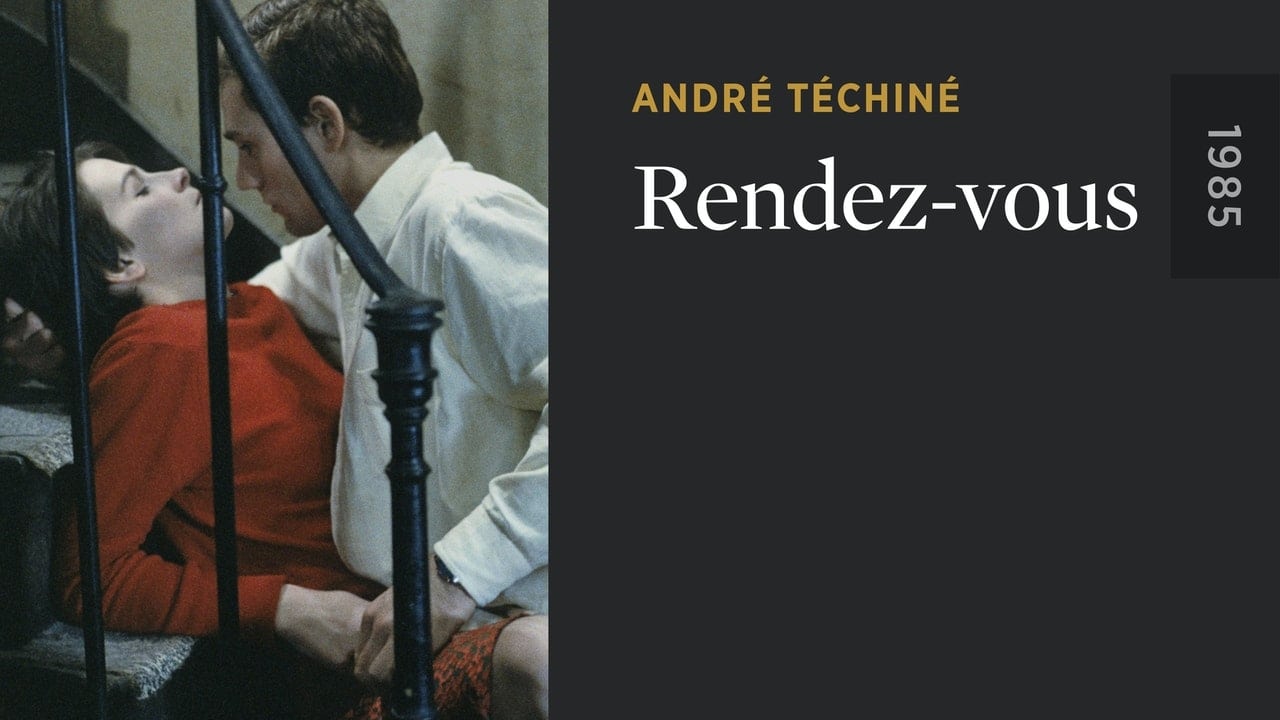
The flickering neon promise of a late-night meeting, the French title hinting at romance... yet André Téchiné's Rendez-vous (1985) offers something far more potent, and ultimately unsettling. It's a film that doesn't gently invite you in; it pulls you under, into the turbulent currents of youthful yearning, obsession, and the dangerous intersections of life and performance. I remember encountering this one not on the brightly lit shelves of blockbuster hits, but deeper in the video store, perhaps in the 'Foreign' section, its stark cover art hinting at an intensity that the simple title belied. It wasn't an easy watch then, and it remains a challenging, sometimes abrasive, but undeniably powerful piece of 80s French cinema.
### Parisian Dreams and Nightmares
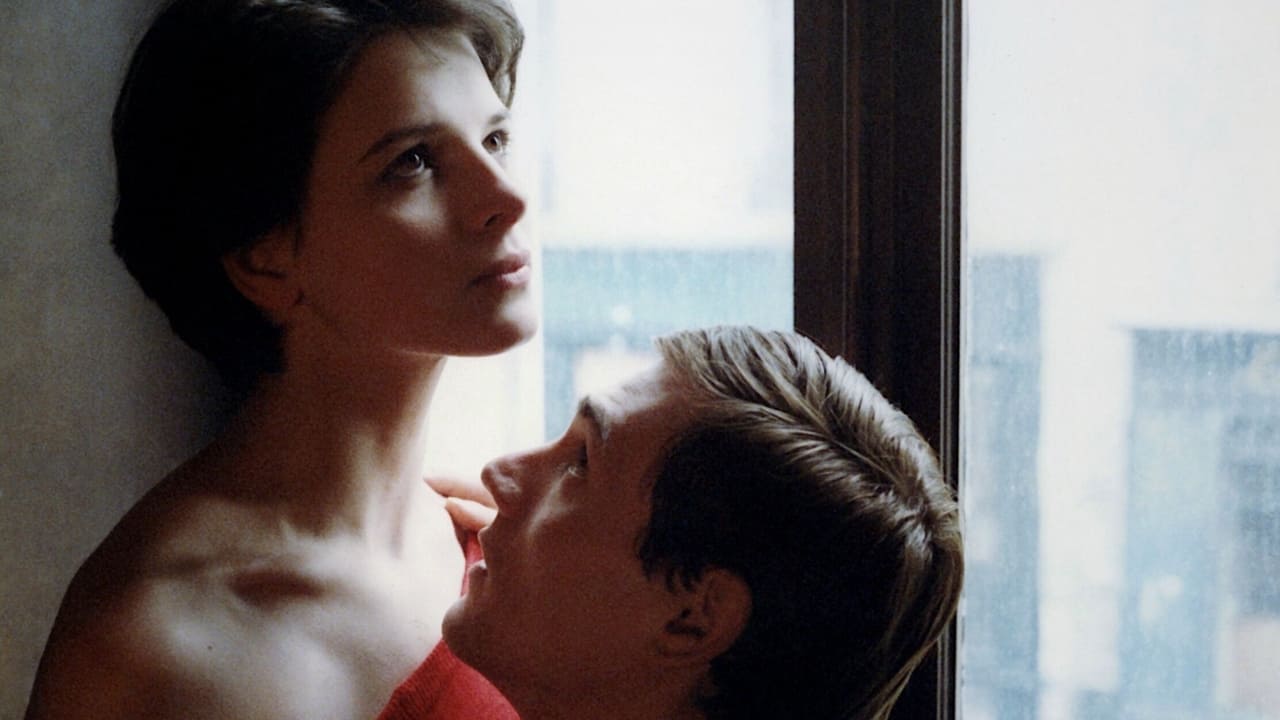
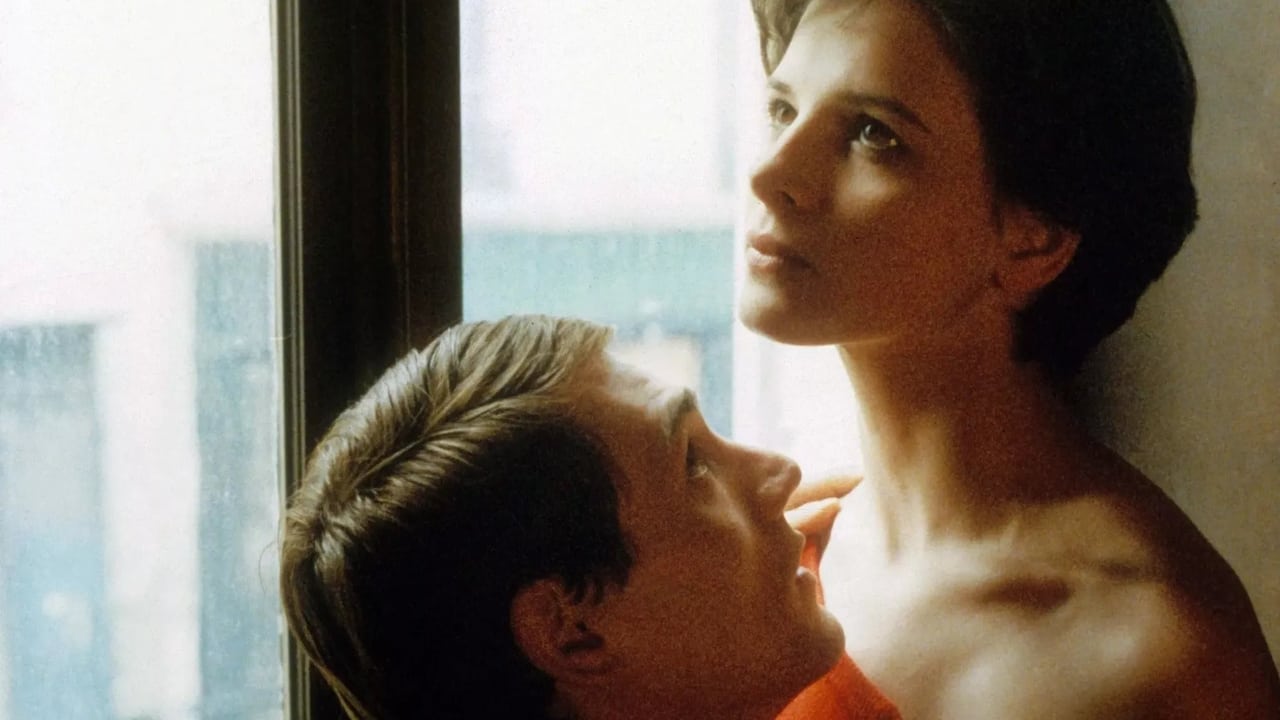
The narrative follows Nina (Juliette Binoche), a young aspiring actress newly arrived in Paris, bursting with ambition but adrift in the sprawling city. She quickly becomes entangled with two very different men: the volatile, self-destructive theatre actor Quentin (Lambert Wilson) and the more stable, seemingly dependable Paulot (Wadeck Stanczak), who shares an apartment with Quentin. What unfolds isn't a simple love triangle, but a dark exploration of desire, self-destruction, and the search for identity amidst the often-brutal realities of urban life and artistic ambition. Téchiné, collaborating on the screenplay with a then-emerging Olivier Assayas (who would later direct acclaimed films like Personal Shopper and Clouds of Sils Maria), crafts a world that feels both immediate and perilously fraught.
### The Arrival of Binoche
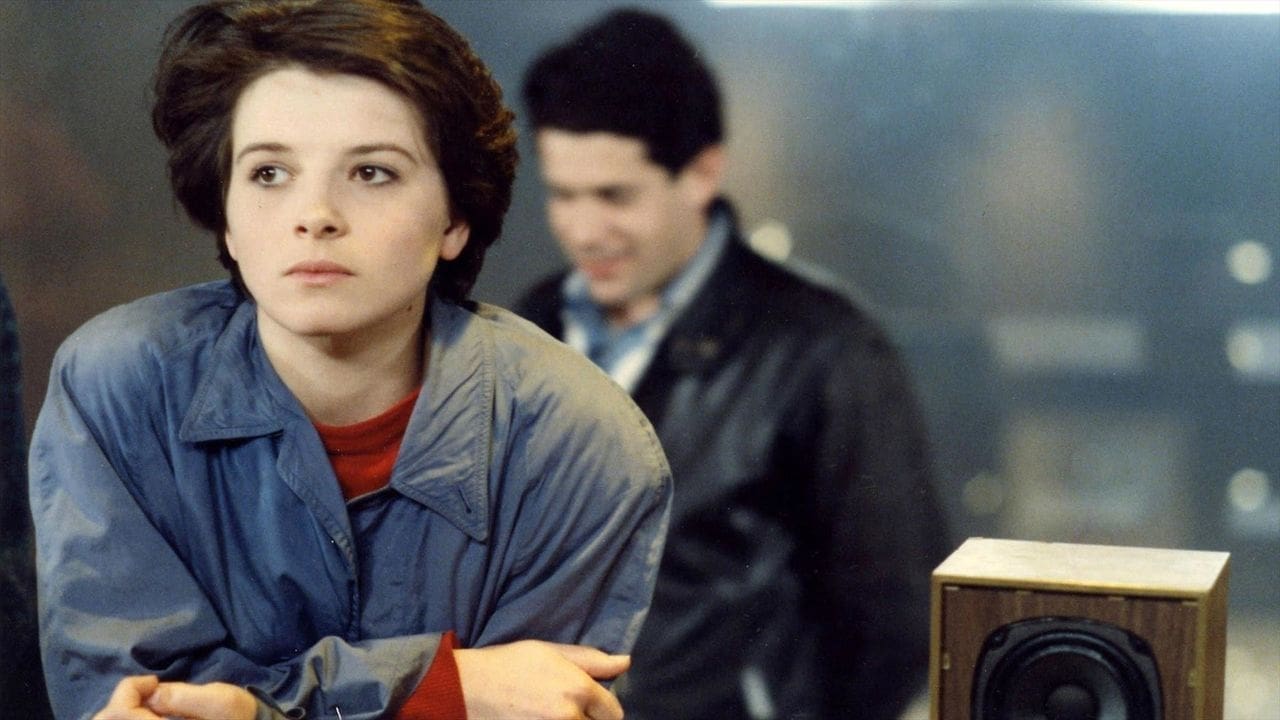
This film is inseparable from the arrival of Juliette Binoche. Only 21 at the time, she delivers a performance of astonishing rawness and vulnerability. There's a fearless quality to her portrayal of Nina – impulsive, passionate, frustratingly naive at times, yet utterly magnetic. You see the blueprint for the complex, emotionally resonant characters she would later embody in films like The Unbearable Lightness of Being (1988) and her Oscar-winning turn in The English Patient (1996). Binoche throws herself into the role, capturing the dizzying mix of hope and despair that defines Nina's journey. It’s not always comfortable to watch, as Nina makes questionable choices and navigates manipulative relationships, but Binoche ensures we never lose sight of the searching humanity beneath the surface. It’s a performance that feels less like acting and more like witnessing exposed nerves. No wonder it caused such a stir and marked her as a major international talent.
### A Dance with Darkness
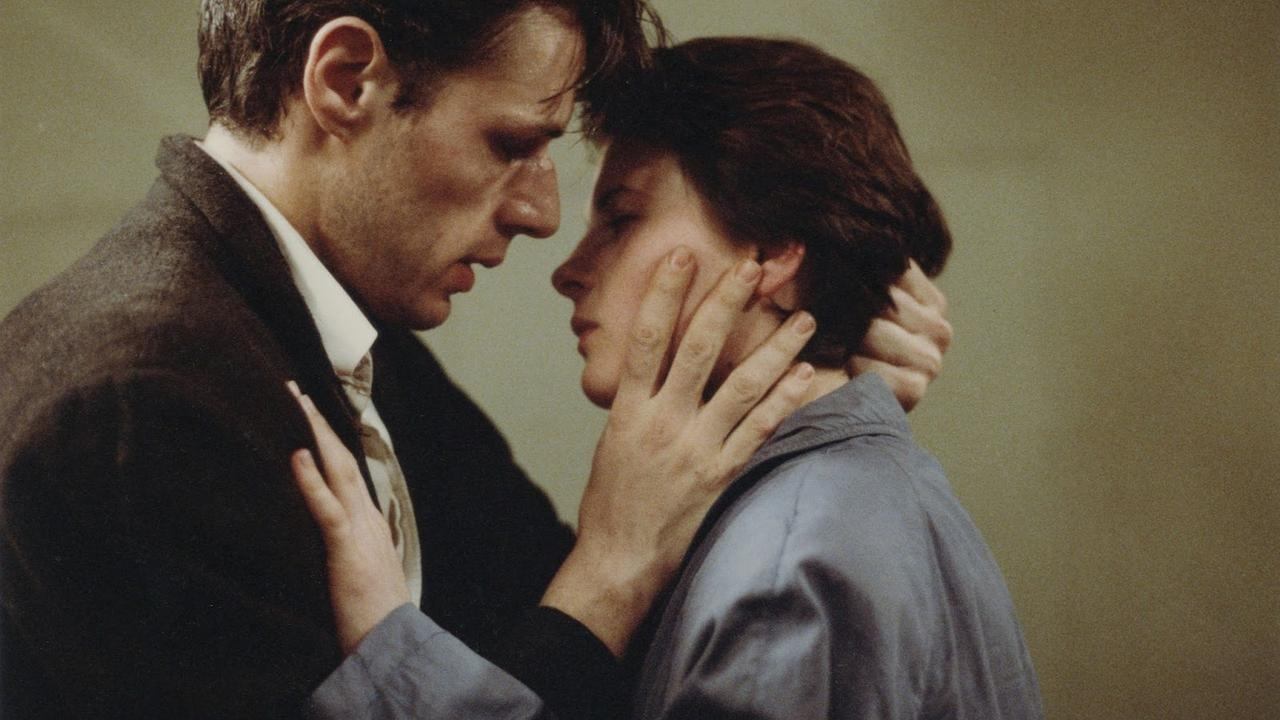
Complementing Binoche are Lambert Wilson as the tormented Quentin and Wadeck Stanczak as the quieter Paulot. Wilson, known perhaps to wider audiences from The Matrix sequels, is electrifying here. Quentin is a black hole of charisma and danger, embodying a self-destructive artistic temperament that feels both repellent and tragically alluring. His scenes crackle with an unpredictable energy, particularly those set within the claustrophobic confines of the theatre where he rehearses Romeo and Juliet – a play whose themes of doomed love echo throughout the film. Stanczak, in contrast, offers a portrayal of bruised sensitivity. Paulot is the observer, caught in the fallout of Nina and Quentin's destructive orbit, and Stanczak conveys his character's quiet pain and longing with subtlety. The dynamic between these three characters forms the film's volatile core.
### Behind the Intensity
Rendez-vous wasn't just a critical success; it was a statement. André Téchiné won the Best Director award at the 1985 Cannes Film Festival, a testament to his unflinching vision. The film's frank depiction of sexuality and its overall bleakness were quite confrontational for the time, sparking debate. Yet, Téchiné's direction is precise, using the camera not just to observe but to delve into the characters' psychological states. The Parisian setting isn't romanticized; it’s often depicted as cold, alienating, amplifying the characters' isolation. The use of enclosed spaces – cramped apartments, shadowy theatre stages – enhances the feeling of entrapment. This wasn't a film designed for easy consumption; it demanded attention and provoked a reaction, a hallmark of bold filmmaking that perhaps felt even more potent when discovered somewhat unexpectedly on a VHS tape.
The film’s exploration of the theatre world adds another layer. Is Quentin's off-stage behavior merely an extension of his intense onstage persona? Is Nina performing a role in her own life as she seeks connection? The lines blur, suggesting that the passions and dangers played out under the stage lights are mirrored, perhaps even amplified, in the real lives of those who inhabit that world.
### A Lasting Impression
Rewatching Rendez-vous today, its power hasn't diminished. It lacks the slickness or overt sentimentality often found in contemporary dramas. Its pacing is deliberate, its mood often somber, and its characters can be difficult to embrace. Yet, its unflinching honesty about the darker aspects of passion, the precariousness of youth, and the search for meaning in a confusing world gives it a lasting resonance. It's a film that asks difficult questions about love, obsession, and the price of artistic expression. What draws us towards self-destruction, or towards those who embody it? How much of ourselves do we sacrifice in the pursuit of connection or ambition?
Rating: 8/10
This score reflects the film's undeniable artistic merit, Téchiné's confident direction, and the sheer force of Binoche's breakthrough performance. It's docked slightly perhaps for its unrelentingly bleak tone and occasionally abrasive nature, which might make it less accessible for some viewers compared to more conventional dramas. However, its craft and psychological depth are undeniable.
Rendez-vous remains a potent, challenging piece of French cinema, a stark reminder from the VHS era that sometimes the most unforgettable cinematic encounters are the ones that leave you feeling shaken, not stirred. It’s a film that lingers, not with warmth, but with the unsettling chill of truths confronted in the dark.