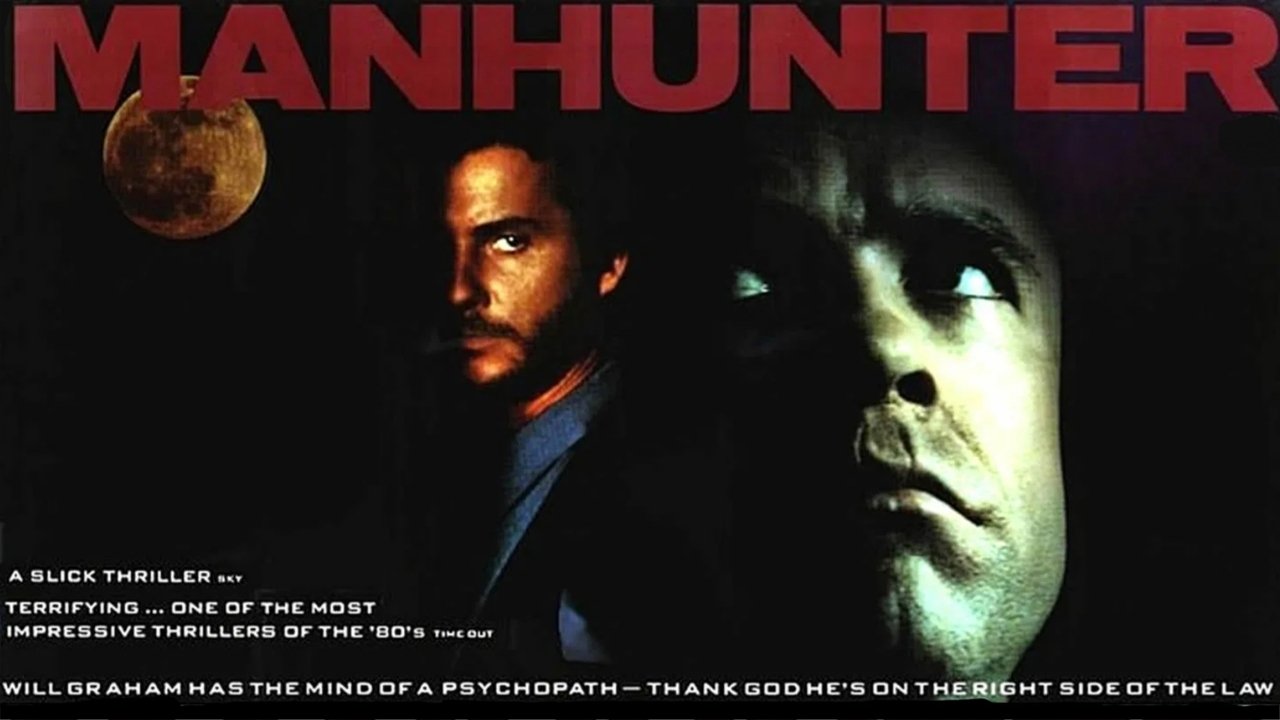
The chill doesn't always come from the shadows. Sometimes, it emanates from the stark, sterile geometry of a beach house bathed in moonlight, or the unnatural blues and greens reflecting off rain-slicked city streets. Manhunter (1986) understands this. It understands that true dread can live in clean lines and empty spaces just as easily as it can in the dark corners of the human mind. This isn't your typical jump-scare fare; it's a descent into a meticulously crafted world of psychological terror, the kind that seeped under your skin back in the VHS days and lingers even now.

### Into the Abyss with Will Graham
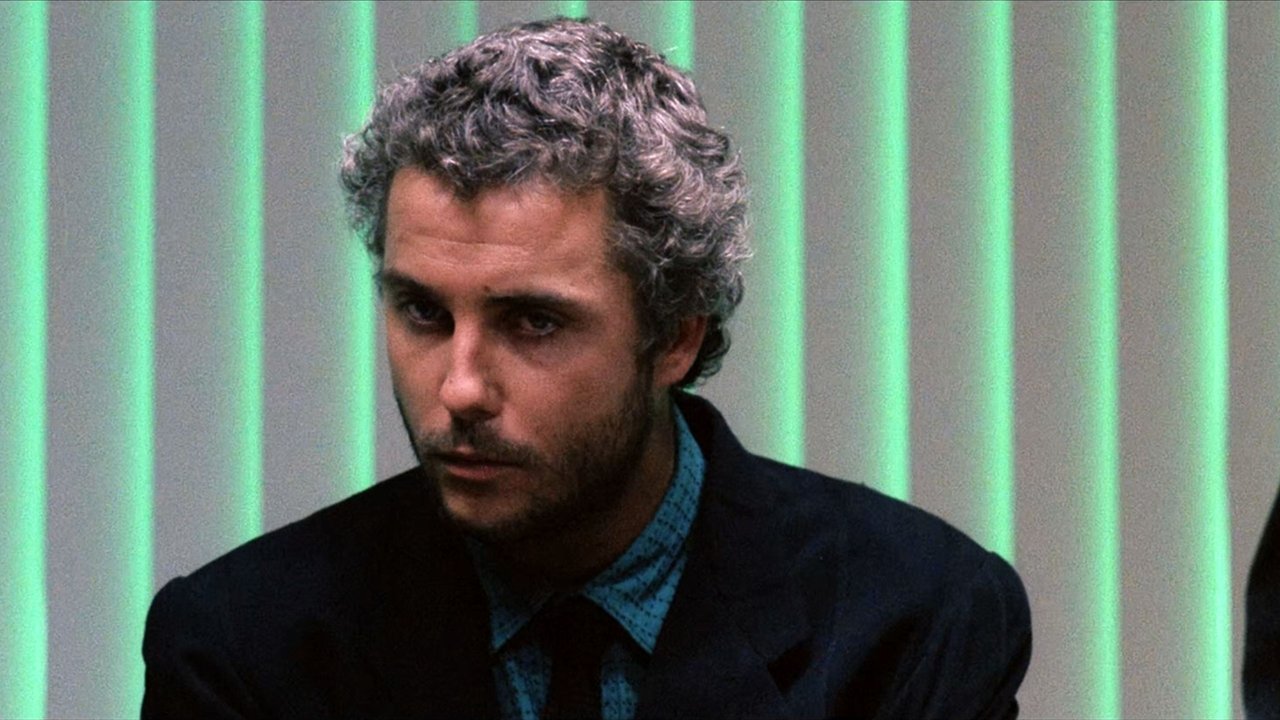
At the heart of this chilling precision is FBI profiler Will Graham, brought to life with a raw, nerve-jangling intensity by William Petersen. Pulled out of early retirement to hunt the elusive serial killer dubbed "The Tooth Fairy," Graham isn't a typical hero. He's damaged goods, haunted by his previous encounter with the infamous Dr. Hannibal Lecktor. Petersen, who would later find mainstream fame on TV's CSI: Crime Scene Investigation, throws himself into the role with unnerving commitment. You feel the weight of Graham's empathy, his dangerous ability to think like the killers he hunts. There are stories – perhaps dark legends, perhaps grim reality – that Petersen immersed himself so deeply, studying crime scene photos and consulting with real FBI profilers, that the role left genuine psychological scars. Watching him wrestle with the darkness, you believe it. His strained relationship with his wife Molly (Kim Greist) adds a layer of fragile humanity constantly threatened by the abyss he stares into.
### The Doctor Is In (And It's Not Who You Expect)
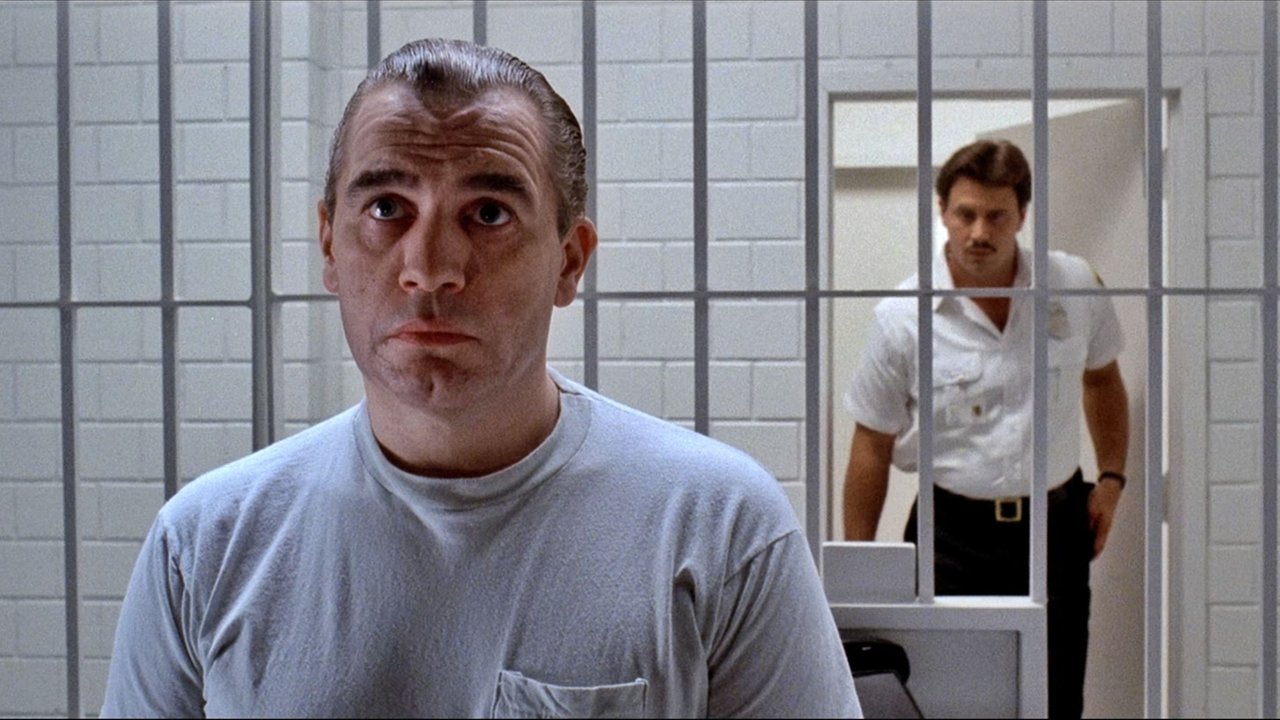
Long before Anthony Hopkins redefined the role with operatic menace, Brian Cox delivered a chillingly different interpretation of Hannibal Lecter (spelled "Lecktor" here). Cox’s Lecktor is unsettlingly… normal. Caged behind glass in a stark white cell, his menace is intellectual, manipulative, delivered with a calm, almost bureaucratic detachment. It’s a performance built on subtle implication rather than overt theatrics. Cox reportedly drew inspiration from Scottish serial killer Peter Manuel, focusing on an unnerving stillness and penetrating gaze. Remember seeing this for the first time, perhaps rented from a dimly lit corner of the video store? Cox's performance feels less like a monster reveal and more like discovering a viper coiled calmly in a sterile laboratory. The minimalist scenes between Graham and Lecktor crackle with psychological tension, a chess match played with sanity as the stakes.
### Mann's Calculated Chill
Director Michael Mann, who also adapted Thomas Harris's novel Red Dragon, crafts Manhunter with his signature stylistic precision. This is the Mann of Thief (1981) and later Heat (1995), obsessed with mood, texture, and the evocative power of visuals. The film is drenched in cool blues, sterile whites, and unsettling greens, creating an atmosphere that feels both sleekly modern and deeply unnerving. Mann uses architecture – vast, empty homes, imposing institutional buildings filmed on location in places like Atlanta and Florida – not just as backdrops, but as reflections of the characters' internal states. The clean, often minimalist production design amplifies the sense of isolation and impending dread. This wasn't just a thriller; it felt like stepping into a meticulously designed nightmare. It’s a look that undeniably influenced countless crime dramas that followed.
### Sympathy for the Devil?
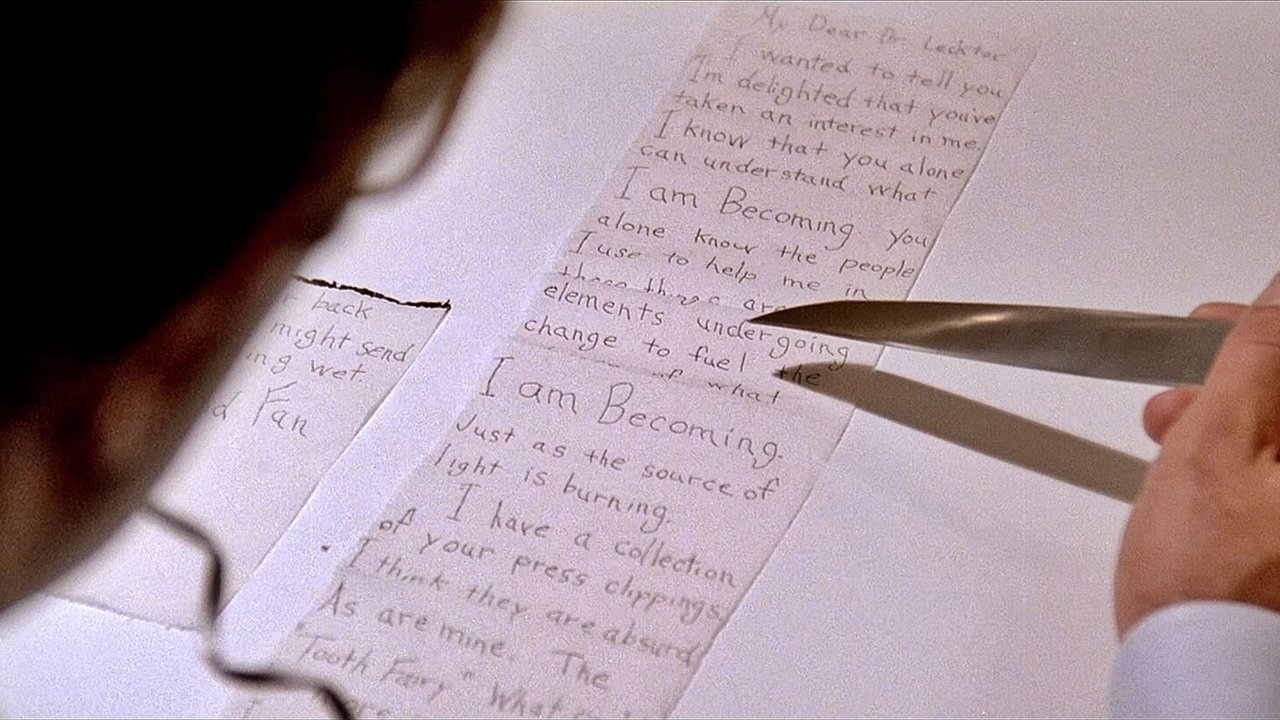
The Tooth Fairy himself, Francis Dollarhyde, is portrayed with terrifying effectiveness by Tom Noonan. Towering and physically imposing, Noonan brings a disturbing vulnerability to the role, particularly in his interactions with the blind Reba McClane (Joan Allen, in a wonderfully empathetic performance). The film dares to make Dollarhyde almost pitiable before snapping back to his monstrous actions, creating a deeply uncomfortable tension. His lair, and the iconic, terrifying sequence set to Iron Butterfly's "In-A-Gadda-Da-Vida," remains etched in memory. Securing the rights to that lengthy track was apparently a struggle for Mann, but its hypnotic, driving rhythm becomes inseparable from the scene's terrifying momentum. Doesn't that sequence still feel incredibly potent?
### From Box Office Blip to Cult Classic
It’s strange to think now, given its influence, but Manhunter wasn't a box office smash. Opening to just $8.6 million against its production costs, it found its true audience later, on home video and television. Maybe the title change threw people off? Producer Dino De Laurentiis, wary after the financial failure of Year of the Dragon (1985), insisted on ditching the novel's title, Red Dragon, fearing audience fatigue with "dragon" movies. Whatever the reason, Manhunter became a quintessential VHS discovery – a film passed around among enthusiasts, its chilling atmosphere and stylish direction earning it a devoted cult following that recognized its brilliance long before Hannibal Lecter became a household name via The Silence of the Lambs (1991).
Manhunter remains a masterclass in atmospheric dread. It’s a film that values psychological chills over cheap shocks, visual storytelling over exposition dumps. William Petersen delivers a career-defining performance as the haunted profiler, and Brian Cox offers a fascinating, understated counterpoint to the Lecter we’d later come to know. Michael Mann’s direction is hypnotic, creating a world that’s as beautiful as it is terrifying. While perhaps overshadowed in popular culture by its Oscar-winning successor, Manhunter stands on its own as a unique, intelligent, and deeply unsettling 80s thriller. It’s the kind of film that proved the flickering glow of the CRT could deliver truly sophisticated nightmares.
Rating: 9/10
This score reflects the film's masterful direction, stunning visuals, intense performances, and palpable atmosphere of dread that elevates it far beyond a standard procedural. Its initial commercial underperformance feels irrelevant now; its influence and chilling power endure, making it a cornerstone of intelligent 80s thrillers. It's a stark, haunting experience that stays with you, a perfect example of how style can become substance when wielded by a filmmaker like Mann.