It begins, as so many pivotal moments do, with departure. The central conceit of Bill Sherwood's Parting Glances (1986) unfolds over roughly 24 hours, centered on the impending move of Robert (John Bolger) to Africa for a two-year work assignment, leaving behind his partner Michael (Richard Ganoung). But woven inextricably through their goodbyes, their anxieties, and their circle of friends, is the presence of Nick (Steve Buscemi), Michael's ex-lover and close friend, who is navigating the terrifying reality of AIDS. Watching it again now, decades removed from its initial release, the film feels less like a period piece and more like a vital, pulsating document of a specific moment lived with bracing honesty.

A Day Like Any Other, Yet Utterly Unique
What strikes you immediately about Parting Glances is its refusal of melodrama. Set against the backdrop of mid-80s New York City – a city grappling with a health crisis poorly understood and often ignored by the mainstream – Sherwood crafts a narrative that feels remarkably grounded. We follow Michael and Robert through parties, quiet moments of reflection, interactions with friends, and preparations for the separation. Their relationship is depicted with a comfortable intimacy, full of the small gestures, shared histories, and lingering tensions that define long-term partnerships. Richard Ganoung brings a soulful sensitivity to Michael, the stable center trying to hold everything together, while John Bolger portrays Robert with a slightly restless energy, his impending departure casting a shadow over their interactions. There's a naturalism here, a lived-in quality to their dynamic that feels miles away from the often sanitized or overly dramatic portrayals of gay relationships common at the time (when they were portrayed at all).
The Incandescent Nick
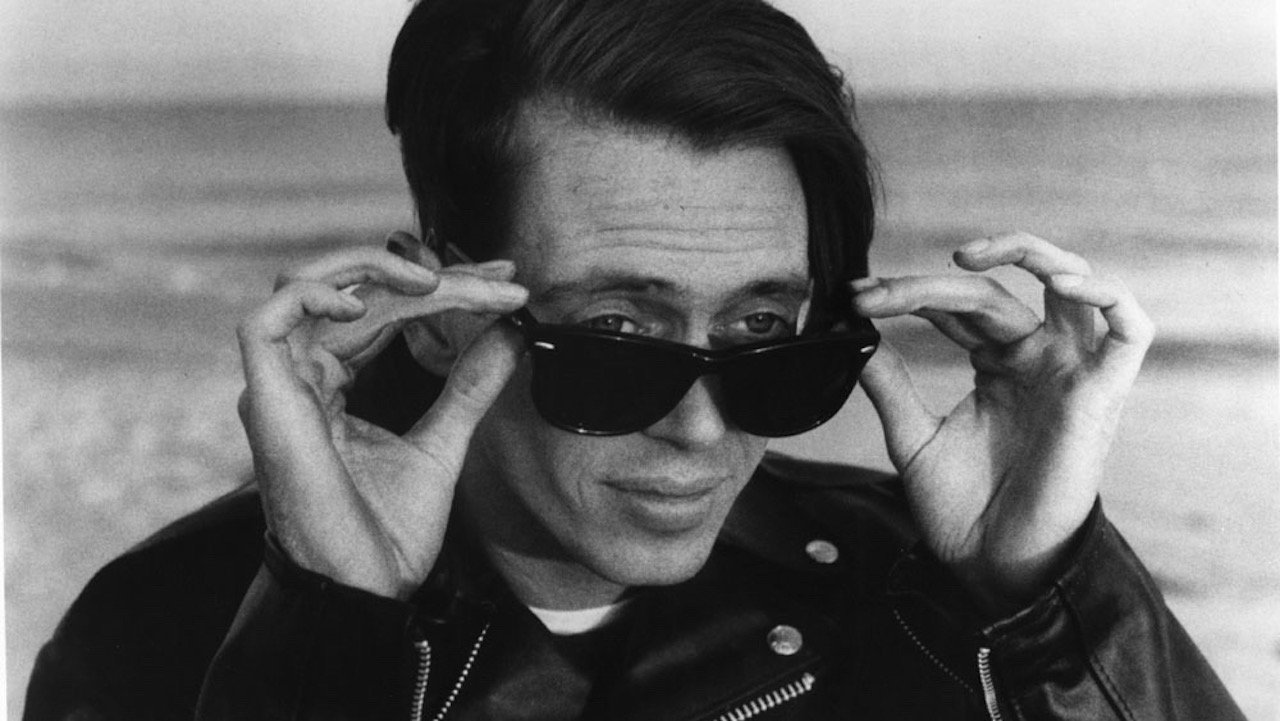
And then there's Nick. It's impossible to discuss Parting Glances without focusing on Steve Buscemi's performance, a turn that still crackles with raw energy and heartbreaking vulnerability. This was one of Buscemi's first major film roles, and it remains one of his absolute best, showcasing the restless intelligence, sardonic wit, and underlying fragility that would become his trademarks. Nick isn't presented as a tragic victim; he's vibrantly, defiantly alive. He cracks jokes, navigates the social scene with a practiced cynicism, performs his music, and grapples with his illness sometimes with bravado, sometimes with quiet fear. Buscemi embodies the complex reality of living under a death sentence during that era – the anger, the gallows humor, the moments of profound connection, the terror. Reportedly, Sherwood allowed Buscemi significant freedom to shape the character, a trust that paid off spectacularly. His performance isn't just acting; it feels like witnessing something fiercely, undeniably true. Doesn't his portrayal capture something essential about resilience in the face of the unimaginable?
Sherwood's Singular Vision
The film itself is imbued with a sense of poignant authenticity, largely because it was a story deeply personal to writer-director Bill Sherwood. Drawing from his own life and observations within the NYC gay community, he crafted dialogue that feels sharp, witty, and achingly real. Parting Glances manages a delicate balancing act, infusing moments of genuine humor and warmth amidst the pervasive sense of impending loss. It’s a testament to Sherwood's skill that the film never feels didactic or like an "issue movie." Instead, it’s a human story first and foremost. The low budget, rather than being a hindrance, arguably contributes to the film's gritty realism, capturing the textures of 80s Manhattan apartments and street life.
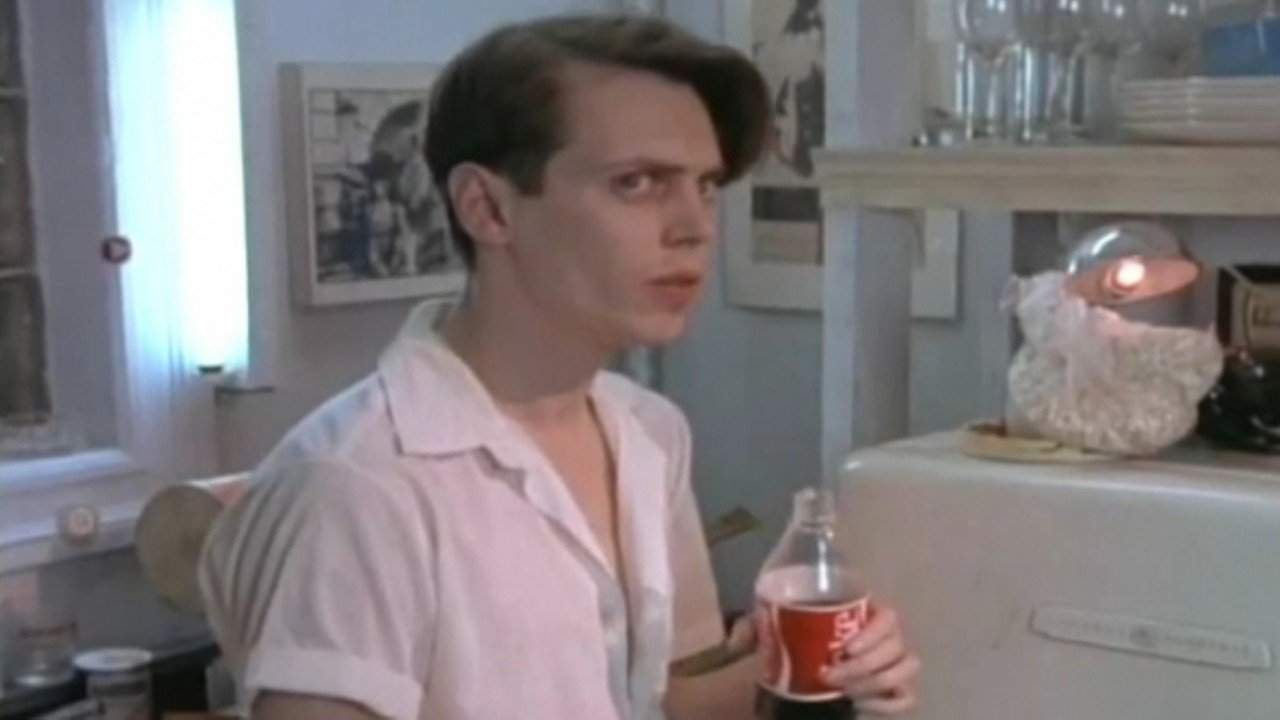
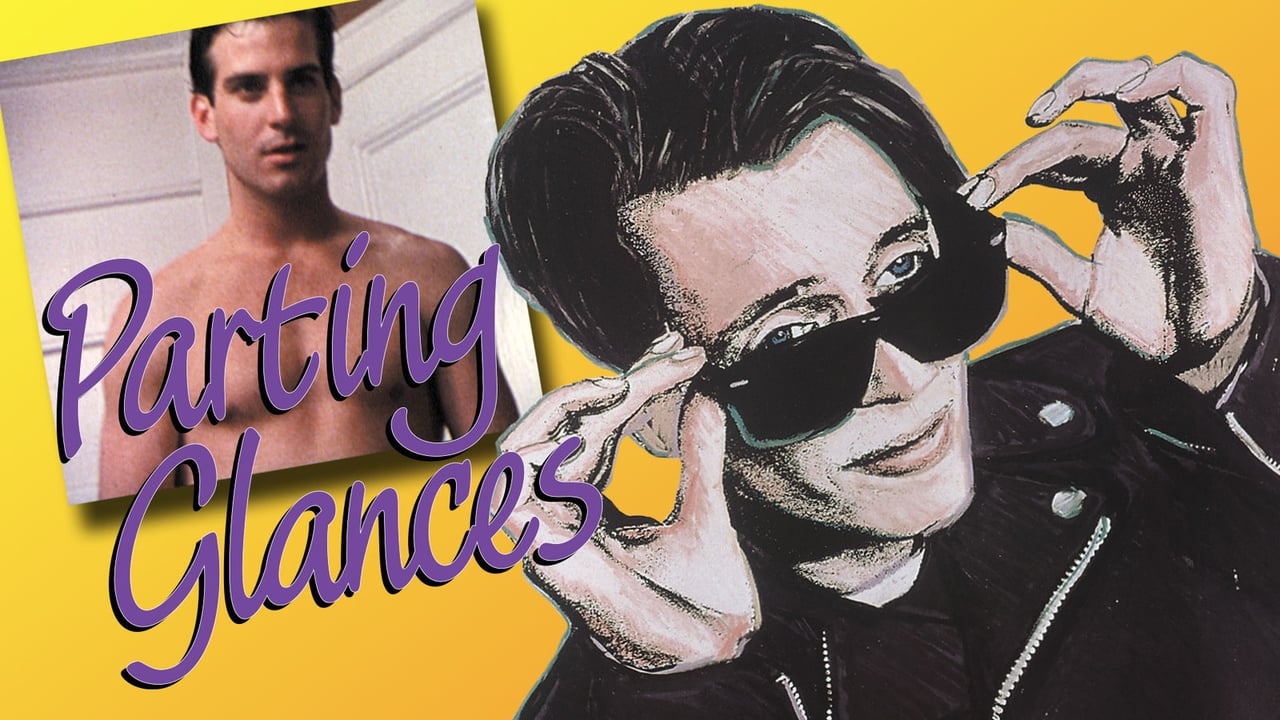
Tragically, this vibrant, insightful film would be Bill Sherwood's only feature. He passed away from AIDS-related complications in 1990, just four years after Parting Glances received critical acclaim, including the Audience Award at the Sundance Film Festival. Knowing this casts a layer of profound sadness over the film, making its exploration of love, mortality, and the bonds of chosen family even more resonant. It transforms the viewing experience into not just watching a story, but bearing witness to a voice silenced too soon.
A Landmark Found on the Back Shelves
For many of us browsing the aisles of the local video store back in the day, finding a film like Parting Glances felt like unearthing something special. Tucked away perhaps in the "Independent" or "LGBTQ+" section (if such a section even existed!), it stood apart from the mainstream fare. It offered a window into a world rarely depicted on screen with such candor and empathy. It was one of the first American independent films to deal directly and realistically with the AIDS epidemic, not as a background detail, but as a central, lived reality shaping the characters' lives and choices. Its influence on subsequent queer cinema is undeniable, paving the way for more nuanced and honest storytelling. How many other films from that era managed to capture both the specific anxieties and the enduring humanity of that community with such grace?
This wasn't a film designed for easy answers or neat resolutions. It leaves you contemplating the choices we make, the people we hold dear, and the courage it takes to face an uncertain future. It’s about the glances exchanged that say more than words ever could, the shared histories that bind us, and the quiet goodbyes that echo the loudest.
Rating: 9/10
This score reflects the film's historical significance as a groundbreaking work of New Queer Cinema, its unflinching honesty in portraying the AIDS crisis, Bill Sherwood's sensitive and authentic direction, and, crucially, the unforgettable, star-making performance by Steve Buscemi. While perhaps feeling somewhat dated in its specific cultural references, its emotional core – dealing with love, loss, friendship, and mortality – remains powerfully universal.
Parting Glances is more than just a movie; it's a time capsule, a memorial, and a deeply moving testament to the resilience of the human spirit, whispered from a voice we tragically lost too soon. It lingers, much like the unresolved goodbyes it portrays.