A sudden blizzard, an isolated mansion miles from anywhere, and an offer that seems too good to be true. Doesn't that just smell like prime VHS-era thriller territory? Pulling the tape for Dead of Winter (1987) from its worn cardboard sleeve always felt like settling in for something deliciously sinister, a promise of shadows, secrets, and psychological games played out against a backdrop of pristine, suffocating snow. It’s one of those late-80s gems that might have slipped past some, but for those who caught it, the chill often lingered long after the VCR clicked off.
An Offer She Can't Refuse?
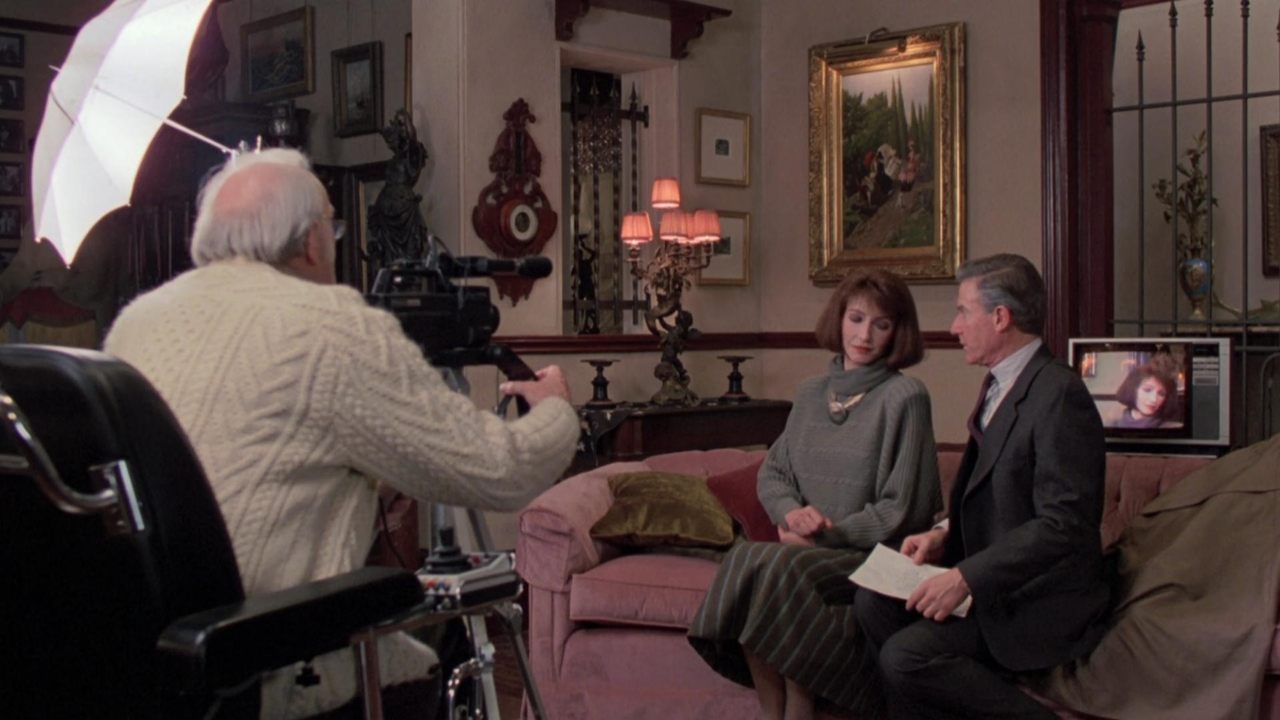
The setup is wonderfully simple, yet instantly unnerving. Struggling actress Katie McGovern (Mary Steenburgen) answers a casting call that feels like a lifeline. She bears an uncanny resemblance to an actress who recently suffered a breakdown mid-shoot, and the producers need her to step in for reshoots on a film. The catch? The location is a remote, snowbound estate upstate, owned by the enigmatic Dr. Joseph Lewis (Jan Rubeš), a wheelchair-bound psychiatrist. Accompanying him is his unsettlingly dapper and vaguely sinister assistant, Mr. Murray, played with a perfect blend of fussiness and menace by the legendary Roddy McDowall. Of course, things are not what they seem. The isolation becomes imprisonment, the role becomes a trap, and Katie realizes she's stepped into a meticulously crafted nightmare where her very identity is the target.
A Trio of Tension
What elevates Dead of Winter beyond a standard potboiler is the claustrophobic interplay between the three central performances. Mary Steenburgen carries the film with remarkable grit and vulnerability. She’s not playing a damsel in distress, but an intelligent woman fighting against escalating gaslighting and physical threats. There's a particular strength in her portrayal of Katie's dawning horror and resourceful attempts to escape; you feel her desperation mounting with every locked door and icy stare. Steenburgen, who we knew from charming roles in films like Melvin and Howard (1980) and Time After Time (1979), proves adept at conveying terror and resilience in equal measure.
Opposite her, Jan Rubeš as Dr. Lewis is chillingly controlled. He projects an air of wounded intellectualism that barely conceals a ruthless manipulator. His physical limitations only seem to amplify his psychological power over the household. And then there’s Roddy McDowall. An icon who graced screens from Planet of the Apes (1968) to Fright Night (1985), McDowall could play charming, menacing, or downright creepy, often all at once. As Mr. Murray, he’s the seemingly subservient caretaker whose polite façade cracks to reveal something deeply unsettling. His relationship with Dr. Lewis is laced with a complex, unhealthy dependency that adds another layer to the oppressive atmosphere. The dynamic between these three in the confines of that house is the engine driving the suspense.
Penn's Cold Hand
This tight, effective thriller comes from director Arthur Penn, a filmmaker certainly not known for shying away from intensity, having previously directed landmarks like Bonnie and Clyde (1967) and Little Big Man (1970). Here, Penn uses the confined setting and the stark, snowy exterior to maximum effect. He crafts a palpable sense of isolation, where the beauty of the winter landscape becomes threatening, a vast white prison. The camera often lingers on faces, capturing subtle shifts in expression, paranoia flickering in eyes. There’s a patience to the build-up, allowing the dread to accumulate organically rather than relying solely on jump scares. It feels deliberately paced, letting the psychological screws tighten scene by scene.
Retro Fun Facts: A Remake Reimagined
Digging into the history of Dead of Winter reveals some interesting tidbits perfect for us VHS hunters. It's actually a clever remake of the 1945 film noir My Name Is Julia Ross, directed by Joseph H. Lewis – notice the subtle nod in Jan Rubeš's character name, Dr. Joseph Lewis. Writers Marc Shmuger and Mark Malone updated the scenario effectively for the 80s, maintaining the core suspense while giving it a slightly glossier, contemporary feel (well, contemporary for 1987!). Filming primarily in Ontario, Canada, the production leaned into the genuine cold and snow, which undoubtedly contributes to the film’s authentic deep-freeze atmosphere. While not a massive blockbuster (reports suggest a budget around $6 million), it found its audience on home video, becoming one of those reliable rentals for a suspenseful night in. I distinctly remember the stark cover art grabbing my eye on the shelf at the local video store – it promised exactly the kind of chilling ride the film delivered.
Why It Still Chills
Watching Dead of Winter today, it holds up remarkably well as a tense, character-driven thriller. It avoids excessive gore, focusing instead on psychological manipulation and suspense. The plot twists might feel familiar to modern audiences saturated with thrillers, but they are executed with craft and precision. It explores themes of identity, vulnerability, and the terrifying prospect of being utterly trapped and disbelieved. Doesn't that core fear – of losing control, of being erased – resonate regardless of the era? The film doesn't waste time; it establishes its premise quickly and keeps the pressure on until the very end.
Rating and Final Thoughts
Rating: 8/10
This score reflects a skillfully constructed, atmospheric thriller anchored by strong performances and effective direction. It achieves exactly what it sets out to do: create suspense and unease within a classic, almost Gothic framework. The tension is palpable, Steenburgen is a compelling lead, and McDowall and Rubeš make for memorable, unnerving antagonists. It’s a perfect example of a mid-budget 80s studio picture delivering solid genre entertainment, the kind that became a staple of the video rental boom.
Dead of Winter remains a potent little chiller, a reminder that sometimes the most terrifying prisons aren't made of bars, but of snow, isolation, and the manipulative whispers of those who hold the key. It’s a film that understood the power of atmosphere and performance over spectacle, leaving you with a satisfying shiver down your spine – best experienced, perhaps, on a cold night, with the wind howling outside your own window.