It's a curious thing, watching a portrayal of a man whose real-life shadow loomed so large, so recently. When HBO released Gotti in 1996, John Gotti himself was still very much alive, albeit behind bars, his larger-than-life persona still fresh in the public consciousness. This wasn't history dredged up from dusty archives; it was ripped from yesterday's headlines, a bold move for a television film, even one from the network already establishing itself as a purveyor of quality drama. And at the heart of it all, the reason this film still resonates, the reason that worn-out rental tape got so much play, is the utterly transformative performance of Armand Assante.
Embodying the Teflon Don
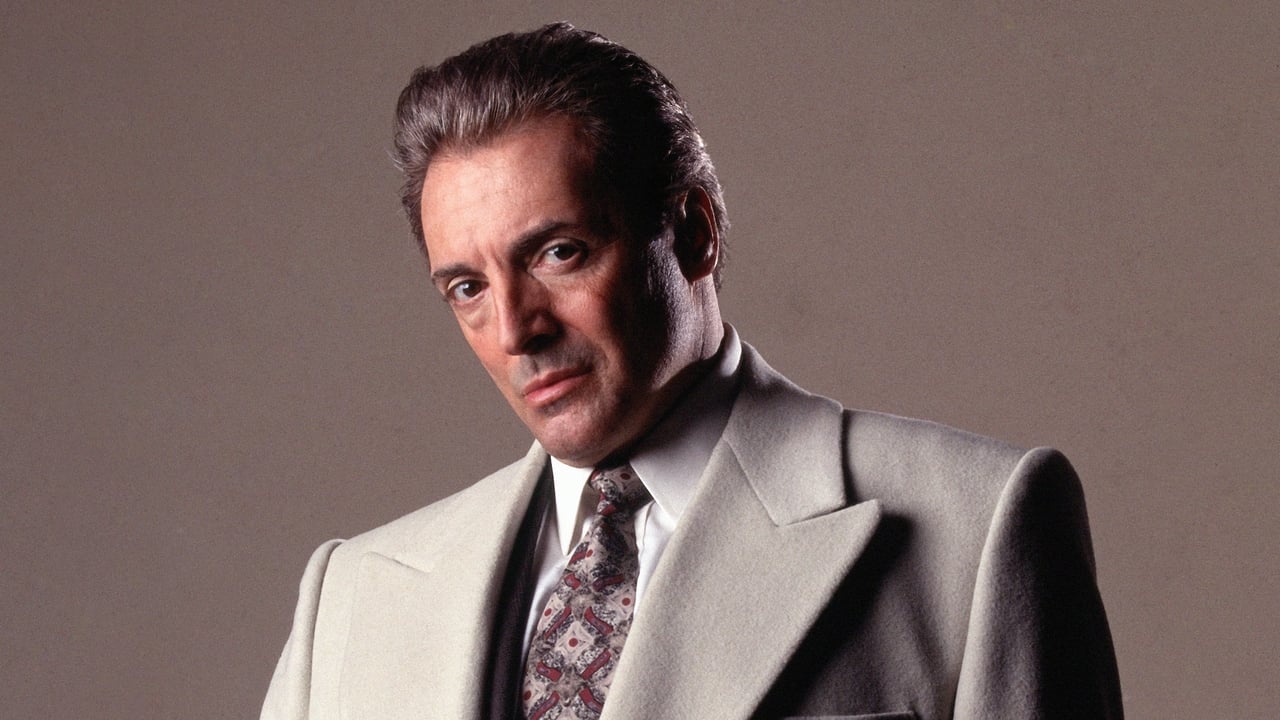
Let's be clear: Assante is John Gotti in this film. It's more than imitation; it's an unnerving embodiment. The swagger, the meticulously combed hair, the expensive suits masking a simmering brutality, the gravelly voice that could charm one moment and chill the next – Assante captures it all with a ferocity that feels utterly authentic. You understand, watching him, how this man could command loyalty, inspire fear, and manipulate the media circus that dubbed him the "Dapper Don." It's a performance built on observing the nuances – the slight tilt of the head, the piercing gaze, the sudden eruption of volcanic anger. Assante reportedly dove deep, studying tapes and news reports, allegedly even gaining insight from Gotti associates. That effort bleeds onto the screen, culminating in a performance that rightly earned him an Emmy and remains, for many, the definitive screen Gotti, casting a long shadow over subsequent attempts.
Loyalty and Betrayal Under the Streetlights
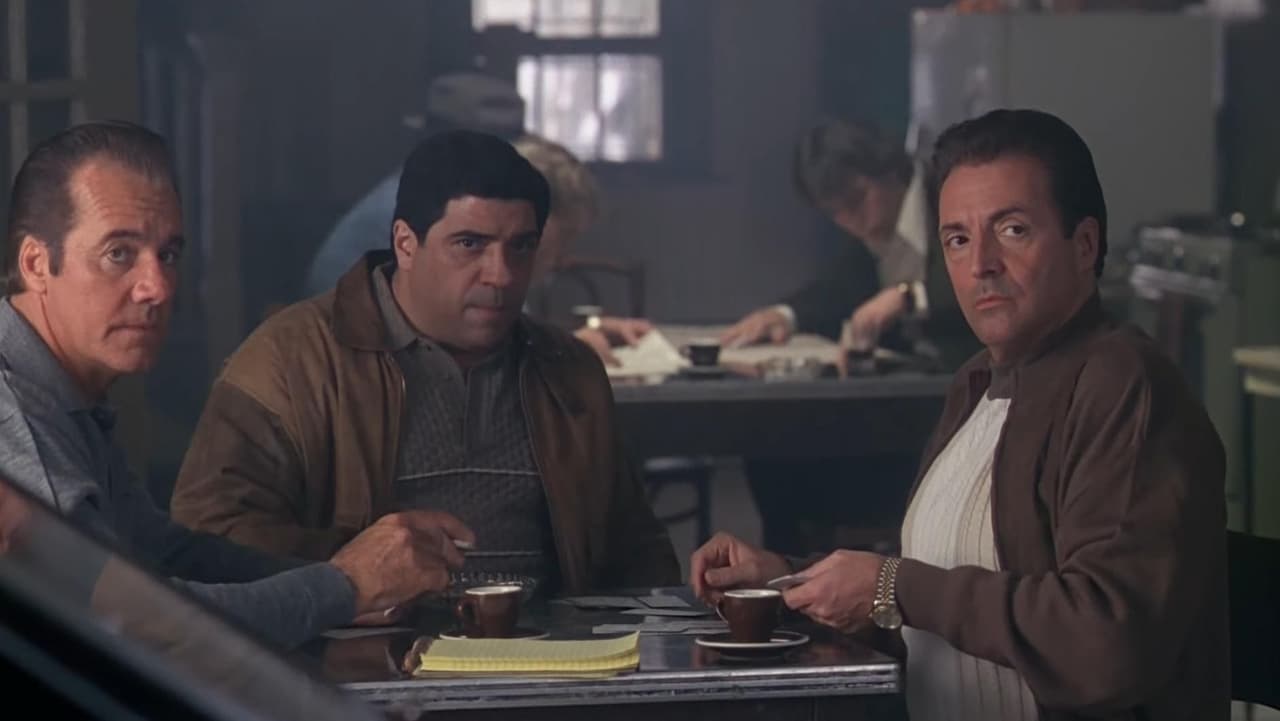
Directed by Robert Harmon, who terrified audiences a decade earlier with the relentlessly tense The Hitcher (1986), Gotti brings a different kind of tension. Based on the book Gotti: Rise and Fall by journalists Jerry Capeci and Gene Mustain, the screenplay by Steve Shagan (who penned the gritty Save the Tiger (1973)) lays bare the brutal machinations of organized crime. It charts Gotti's ruthless ascent through the Gambino family ranks, his orchestration of boss Paul Castellano's public assassination, his reign as the media-savvy celebrity gangster, and his eventual downfall orchestrated by the betrayal of his right-hand man, Sammy "The Bull" Gravano.
The film doesn't shy away from the violence, depicting hits with a stark, unglamorous efficiency that feels chillingly real for a TV movie of the era. Harmon avoids excessive stylization, opting for a more grounded, almost docudrama feel at times. This approach allows the inherent drama of the power struggles, the paranoia, and the skewed code of honor (or lack thereof) to take center stage. It forces us to confront the ugliness beneath the expensive veneer. What does loyalty truly mean in a world built on violence and self-interest? The film offers no easy answers, presenting Gotti as both a charismatic leader and a ruthless sociopath, a loving father (in his own twisted way) and a cold-blooded killer.
A Cast Worthy of the Five Families
Assante doesn't carry the film alone. The supporting cast is superb, adding layers of grit and gravitas. William Forsythe, an actor who always brings intensity, is phenomenal as Sammy Gravano. His portrayal is crucial; we see the loyalty curdle into resentment and finally, self-preservation. Forsythe makes Gravano's eventual turning believable, a man pushed too far by Gotti's ego and recklessness. And then there's the screen legend Anthony Quinn as Neil Dellacroce, Gotti's mentor and the Gambino underboss. Quinn, in one of his later roles, lends the proceedings a weary gravitas, embodying the old-school Cosa Nostra figure Gotti both respects and ultimately eclipses. His scenes with Assante crackle with unspoken tensions and complex loyalties, a fascinating look at the generational shifts within the mafia. It’s said that securing Quinn added significant weight and credibility to the production, a testament to his enduring cinematic presence.
Made-for-TV, But Punching Above Its Weight
Remember, this was 1996. HBO was making waves, but the line between "TV movie" and "feature film" was still quite distinct. Gotti blurred that line significantly. While it might lack the epic scope or budget of, say, Goodfellas (1990), it boasts sharp writing, confident direction, and production values that felt premium at the time. Filmed primarily in Toronto, Canada (a common practice for budget reasons, though some reports mention New York exteriors were used), the crew effectively recreated the atmosphere of New York's boroughs and mob hangouts. The film garnered significant attention upon release, not just for Assante's win, but for multiple Emmy nominations including Outstanding Made for Television Movie. It demonstrated that compelling, complex stories about difficult characters could thrive on the small screen, paving the way for the cable television revolution to come. It even reportedly ruffled feathers within the actual Gotti family, who had mixed reactions, though some grudgingly acknowledged the power of Assante's portrayal.
The Echo of the Swagger
Does the film occasionally feel episodic, trying to cram decades of a tumultuous life into two hours? Perhaps. Does it risk, despite its grit, slightly mythologizing Gotti through the sheer force of Assante's charisma? Maybe. But these are minor quibbles. Gotti remains a powerful piece of crime storytelling, anchored by one of the great television performances of the 90s. It captures a specific moment – the brazenness of Gotti's reign, the media frenzy, the beginning of the end for the traditional mob structure – with compelling accuracy and dramatic flair. Watching it again, that VHS hum in the background, you're reminded of a time when a TV movie could genuinely feel like an event, something talked about, something that stuck with you long after the credits rolled.
Rating: 8/10
The score is driven almost entirely by Armand Assante's towering, Emmy-winning performance, which elevates the entire production. Strong support from William Forsythe and Anthony Quinn, Robert Harmon's grounded direction, and a script that captures the ruthless ambition and inevitable betrayal inherent in Gotti's story make this a standout TV movie. It might show its television roots occasionally, but its power remains undeniable.
It leaves you pondering the nature of infamy, and how a performance can so completely capture the essence of a figure both reviled and, in a strange, dark way, revered.