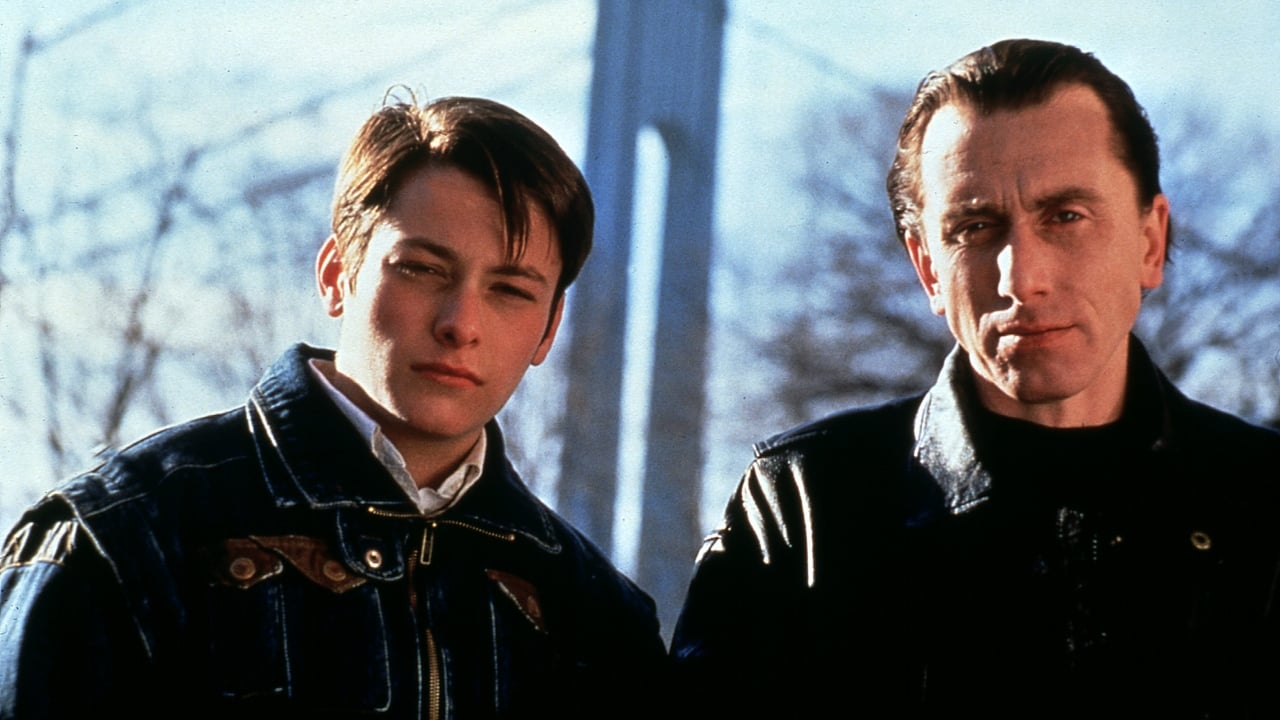
The first thing that strikes you, settling into Little Odessa, isn't gunfire or a high-speed chase, but the biting cold. It permeates every frame – the grey skies pressing down on Brighton Beach, the snow crunching underfoot, the frosted breath of characters huddled in worn coats. It's a coldness that seeps beyond the physical, right into the heart of the Shapira family, mirroring the chilling detachment of its prodigal son. This wasn't your typical flashy 90s crime thriller splashed across the New Release wall at the video store; finding this 1994 gem often meant venturing deeper into the drama section, perhaps guided by a discerning clerk or drawn by the stark cover art hinting at something more substantial.
A Bleak Homecoming
Written and directed by a startlingly young James Gray (just 25 at the time!), Little Odessa announces itself immediately as a film less interested in the mechanics of crime and more in the irreparable fractures within a family. Set against the unique backdrop of Brooklyn's Russian-Jewish immigrant enclave – a world Gray knew intimately from his own upbringing nearby – the film feels grounded and specific. This isn't just any urban wasteland; it's a community with its own codes, tensions, and melancholic spirit, captured with stark beauty by cinematographer Tom Richmond. The snow isn't just weather; it feels like a shroud, muffling sound and hope alike.
The story centers on Joshua Shapira (Tim Roth), a professional hitman working for the Russian mob. He’s glacially cool, efficient, and seemingly emotionally hollowed out. When a job brings him back to the neighbourhood he fled, he’s forced into proximity with the family he left behind: his ailing, gentle mother Irina (Vanessa Redgrave), his sternly disapproving father Arkady (Maximilian Schell), and crucially, his adoring, dangerously impressionable younger brother, Reuben (Edward Furlong).

The Weight of Family
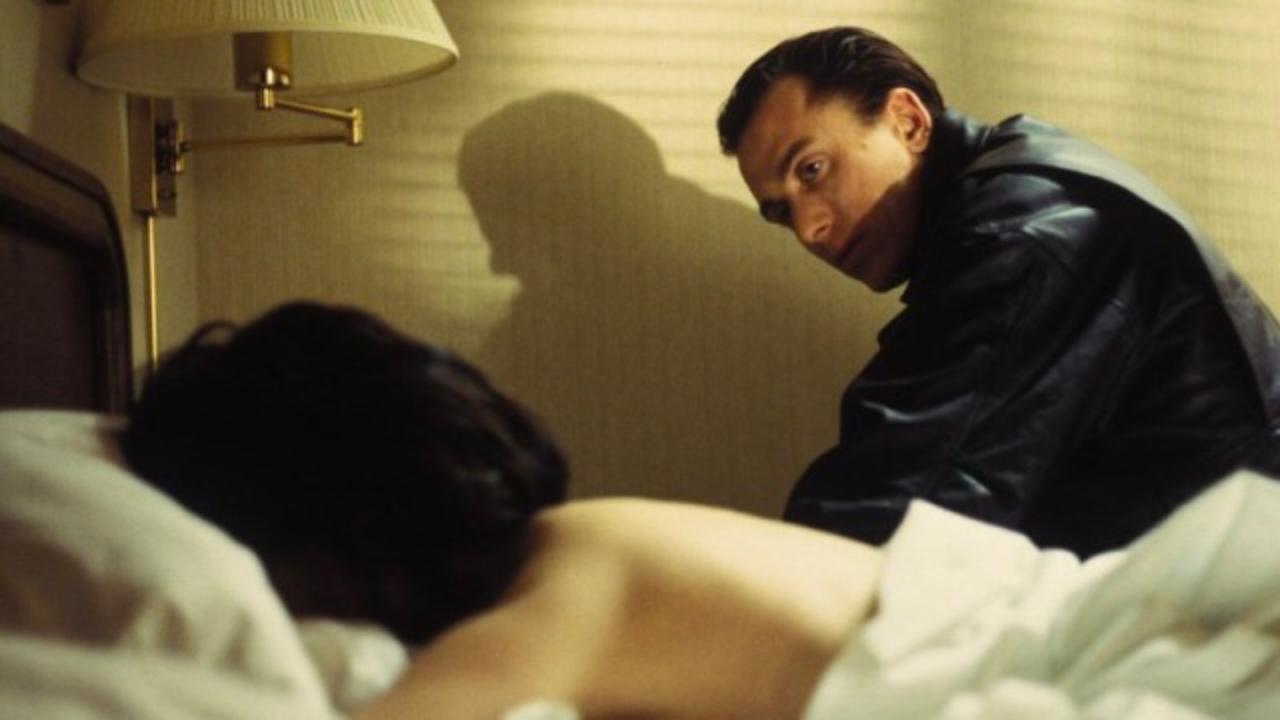
Where Little Odessa truly excels, and likely the reason it earned James Gray the prestigious Silver Lion at the Venice Film Festival upon its debut, is in its unflinching portrayal of these complex relationships. There's a palpable, tragic weight hanging over every interaction. Tim Roth, already known for intense roles after Reservoir Dogs, delivers a masterclass in contained menace. Joshua isn't a charismatic anti-hero; he's damaged goods, his capacity for violence a terrifyingly casual aspect of his being. Yet, Roth subtly lets flickers of buried pain show through, particularly in his interactions with Reuben.
And what a performance from Edward Furlong. Still riding the wave of Terminator 2: Judgment Day fame, Furlong channels a raw, desperate energy as Reuben. He idolizes Joshua, mistaking his cold efficiency for strength, and yearns for the perceived power and respect his brother commands. It’s a heartbreaking depiction of youthful vulnerability drawn towards darkness, made all the more poignant perhaps by Furlong's own well-documented later struggles. The scenes between Roth and Furlong are the film’s devastating core, capturing the toxic mentorship and the impossibility of shielding innocence from ingrained corruption.
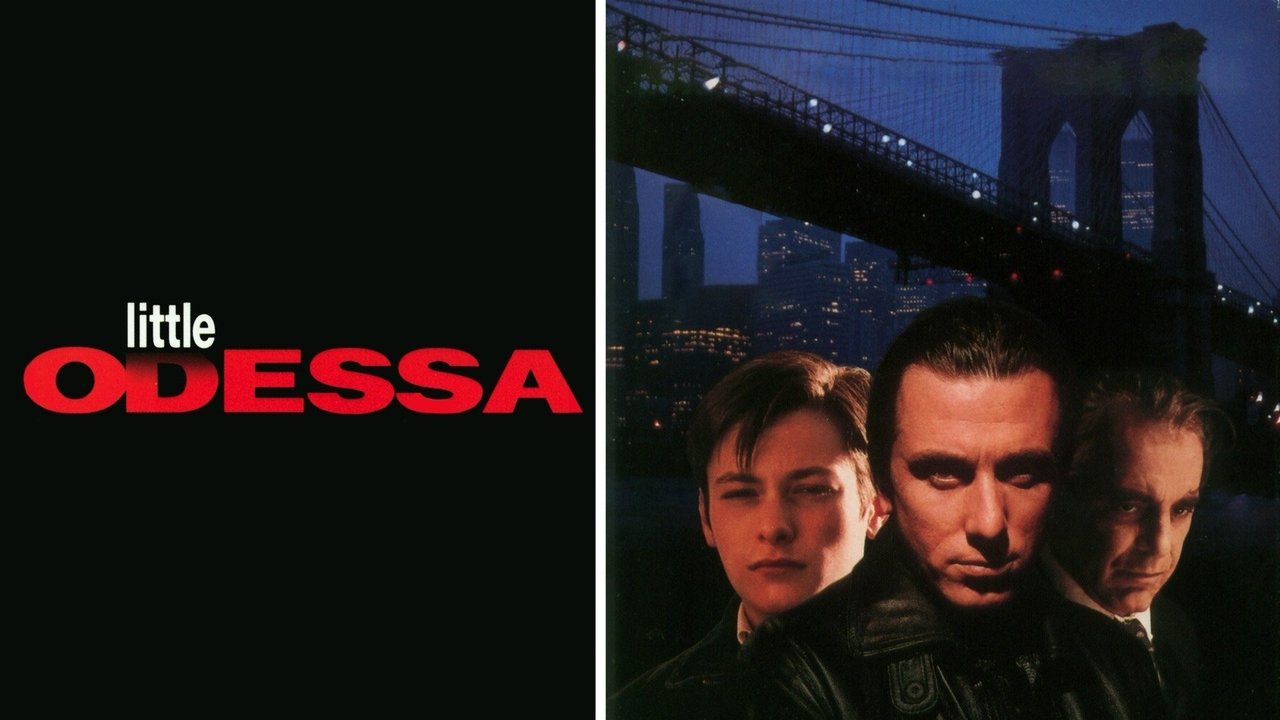
Rounding out the central family unit are the veteran powerhouses. Vanessa Redgrave is quietly heartbreaking as Irina, her physical frailty matched by an emotional resilience rooted in love for her sons, however flawed. Maximilian Schell brings immense gravity as Arkady, a man whose rigid principles and profound disappointment have calcified into bitter estrangement from Joshua. Their presence lends the intimate drama an almost classical, tragic scope. Even Moira Kelly as Alla, Joshua's former flame, embodies a fragile hope for connection, ultimately highlighting the inescapable nature of his path.
Gray's Assured Hand
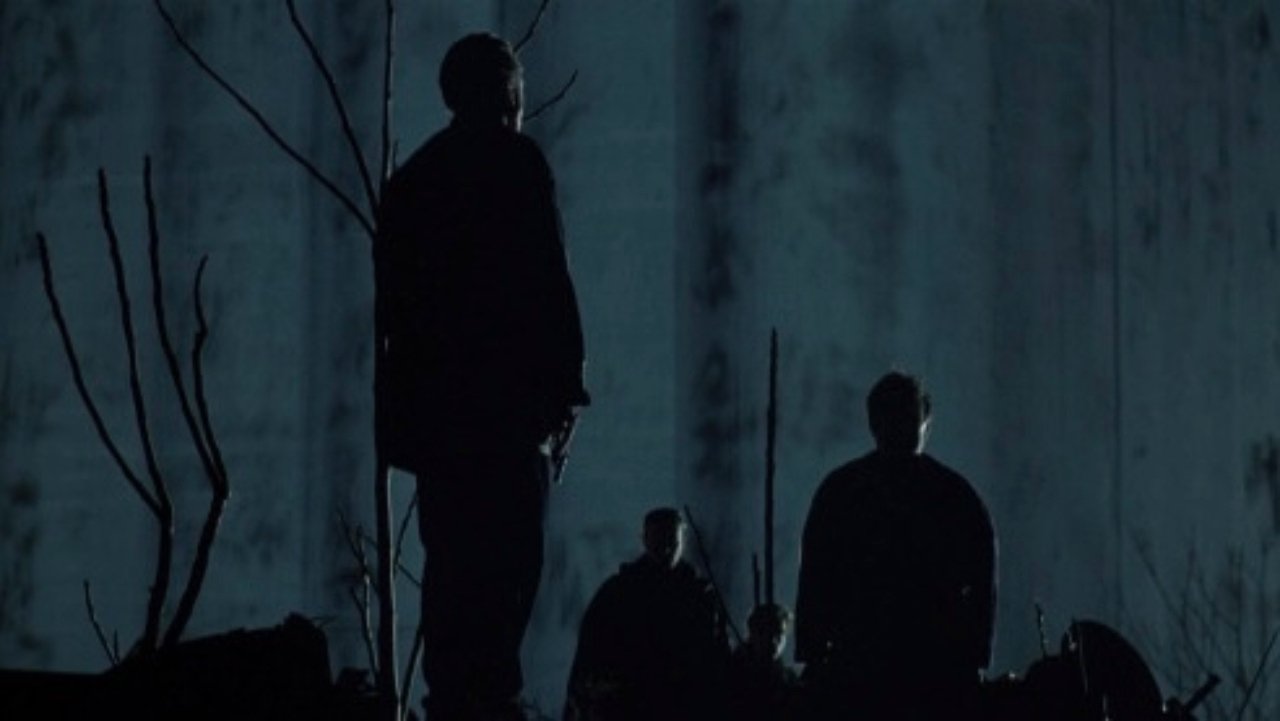
For a first feature, reportedly made on a tight budget (around $2.3 million), Gray's direction is remarkably confident and controlled. He favours a deliberate pace, allowing the oppressive atmosphere and simmering tensions to build. There are moments of violence, stark and brutal when they arrive, but they serve the character drama rather than providing spectacle. The use of Russian choral music adds another layer of cultural texture and mournful beauty. Gray avoids easy answers or moralizing, presenting this world and its inhabitants with a stark, observational clarity that feels closer to European art cinema than mainstream American filmmaking of the era. It’s a testament to his vision that he could wrestle such powerful performances and maintain such a consistent, somber tone under the constraints of independent production, including filming in challenging New York winter conditions.
Echoes in the Silence
Little Odessa isn't an "easy" watch. It doesn’t offer the catharsis or neat resolutions found in many crime dramas. Its power lies in its bleak honesty, its atmospheric grip, and the authenticity of its performances. It raises uncomfortable questions about nature versus nurture, the suffocating bonds of family, and whether redemption is ever truly possible once certain lines are crossed. Watching it again now, perhaps on a format far removed from the worn VHS tape I first saw it on, its depiction of alienation and the desperate search for belonging within a specific cultural context feels remarkably potent. It lacks the stylistic flourishes of some contemporaries, but its emotional depth and unwavering gaze make it linger.
Rating: 8/10
Justification: Little Odessa earns a strong 8 for its exceptional performances, particularly from Roth and Furlong, its powerfully rendered atmosphere, and the confident, mature direction from a debuting James Gray. The film's unflinching exploration of dark themes and family dysfunction is compelling and deeply resonant. While its unrelenting bleakness and deliberate pace might not appeal to all viewers expecting a conventional thriller, its artistic integrity and emotional honesty make it a standout piece of 90s independent cinema.
It’s a film that sits with you afterward, leaving not exhilaration, but a profound sense of melancholy – a haunting echo of choices made and chances lost, played out under the grey, unforgiving skies of Brighton Beach. A challenging but rewarding find from the deeper shelves of the video store era.