It’s a film that rarely gets mentioned in the same breath as the major crime epics of its era, yet for those of us who discovered it lurking on the rental shelves, often under its more evocative original title, Blood In Blood Out, it left an indelible mark. Bound by Honor (1993) isn't just a movie; it's a sprawling, three-hour immersion into a world of fierce loyalty, brutal consequence, and the heartbreaking fractures that time and circumstance carve into the human soul. Watching it again after all these years, the sheer ambition and raw, unflinching honesty of Taylor Hackford's vision feel even more potent.
La Onda: Brotherhood Forged and Broken
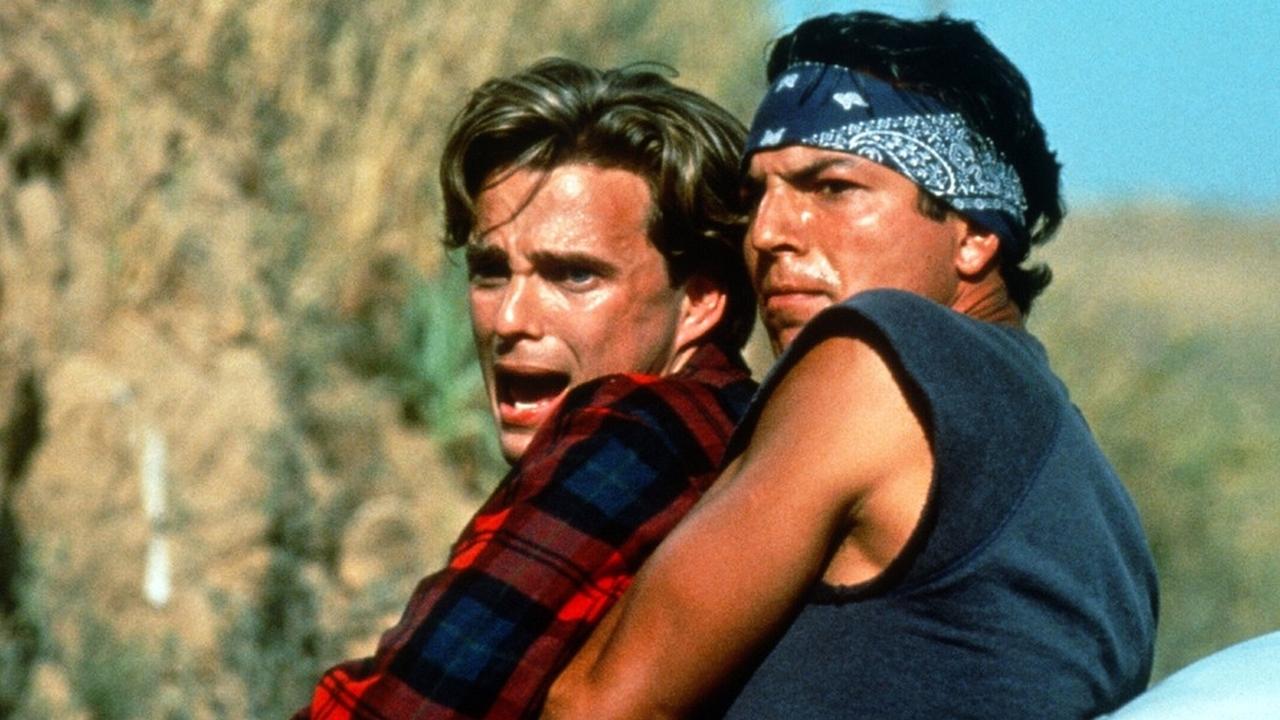
From the sun-drenched streets of East Los Angeles in the early 70s, the film introduces us to three cousins, three carnales: the hot-headed artist Cruz Candelaria (Jesse Borrego), the straight-arrow Paco Aguilar (Benjamin Bratt), and the half-Anglo Miklo Velka (Damian Chapa), desperate to prove his Chicano identity and earn his place in their gang, Vatos Locos. Their bond feels tangible in those early scenes – full of youthful bravado, fierce affection, and the shared understanding of their place in the world. Hackford, who gave us the intense character study of An Officer and a Gentleman (1982), masterfully establishes this foundation, making the inevitable divergence of their paths all the more tragic. A violent encounter shatters their world, sending Miklo to San Quentin prison, Cruz down a path of addiction fueled by injury and grief, and Paco towards law enforcement – the very system now holding his cousin captive.
Inside the Walls
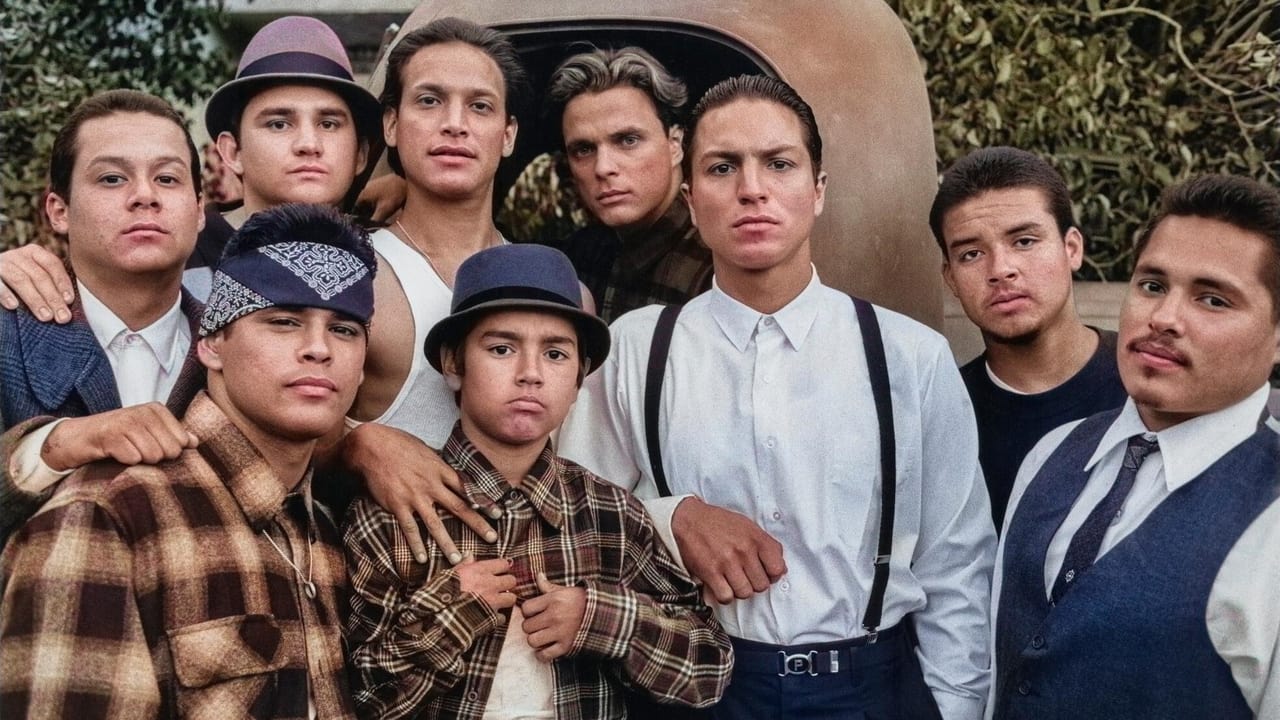
The film truly finds its harrowing power within the claustrophobic, hyper-violent world of San Quentin. This is where Miklo's journey transforms into a desperate struggle for survival and belonging within the brutal racial hierarchy of prison gangs – La Onda (representing the Chicano inmates), the Black Guerrilla Army (BGA), and the Aryan Vanguard (AV). The filmmakers achieved a staggering level of authenticity here, a fact that becomes even more impressive when you learn they actually filmed inside parts of San Quentin, employing real inmates and former gang members as extras and consultants. Co-writer Jimmy Santiago Baca drew heavily on his own prison experiences, lending the dialogue and dynamics a chilling veracity that elevates the film beyond typical Hollywood gangster fare. You feel the tension, the constant threat, the complex codes of conduct and survival. It wasn't just movie-making; it felt like bearing witness.
Performances That Bleed Authenticity
The central trio delivers performances that anchor this epic narrative. Jesse Borrego captures Cruz's artistic soul and subsequent torment with heartbreaking vulnerability. His descent is painful to watch precisely because Borrego makes us feel the initial spark that gets extinguished. Benjamin Bratt, in one of his earlier significant roles before hitting mainstream stardom, embodies the conflict of Paco – torn between his past loyalties and his new life upholding the law. His stoicism masks a deep well of pain and regret. But it's perhaps Damian Chapa as Miklo who carries the film's most demanding arc. His physical and psychological transformation from a street kid seeking acceptance to a hardened, calculating prison shot-caller is utterly convincing. Those piercing blue eyes become windows into a soul increasingly shaped by violence and the ruthless pragmatism of prison politics. You might not condone his choices, but Chapa makes you understand the forces that forged him.
A Cult Classic's Difficult Birth
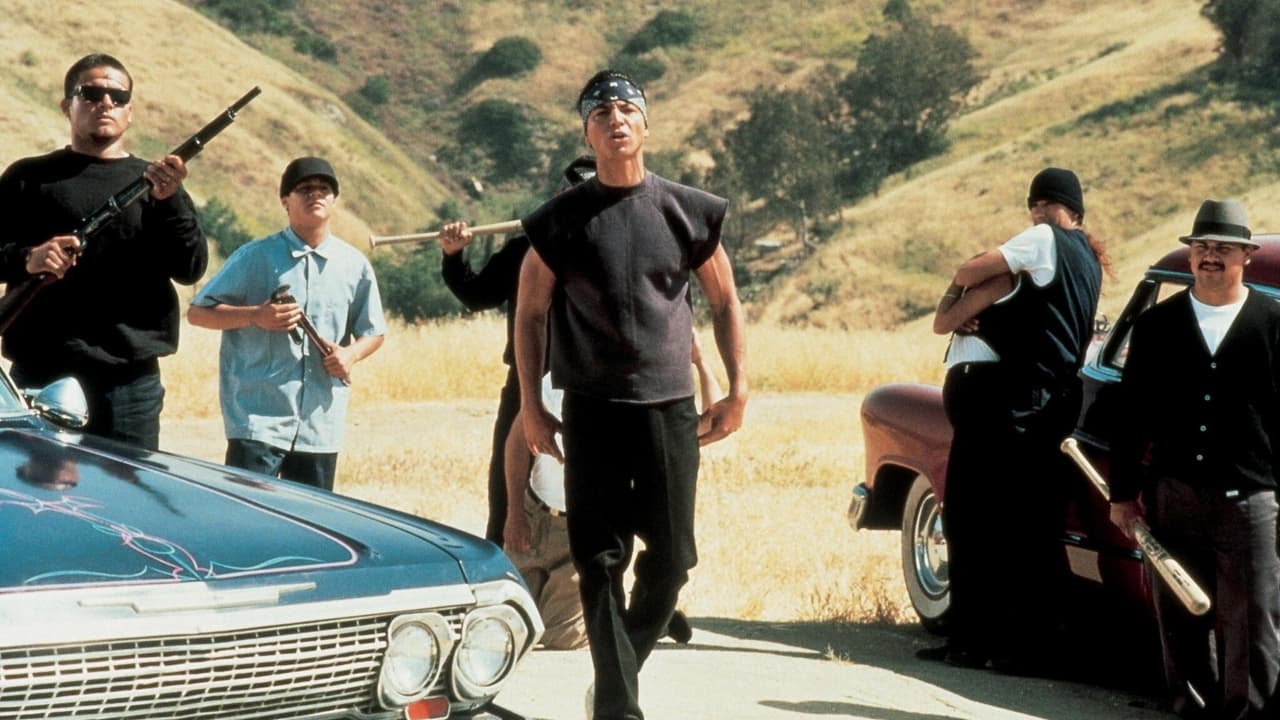
It’s fascinating to look back at the film’s initial journey. Hollywood Pictures, a subsidiary of Disney, famously balked at the original title, Blood In Blood Out, fearing it was too provocative, especially in the wake of the 1992 L.A. riots. They opted for the safer Bound by Honor, a title that feels somewhat generic compared to the raw promise of the original. Made on a substantial budget for the time (around $35 million – roughly $74 million today), the film sadly bombed at the box office, pulling in less than $5 million domestically. Critics were divided, often citing its lengthy runtime and graphic violence. Yet, like so many films we cherish here at VHS Heaven, its true life began on home video. Word of mouth spread, particularly within the Chicano community, celebrating its authentic portrayal and epic scope. It became a genuine cult classic, the kind of tape passed between friends with a knowing nod – "You gotta see this." The title Blood In Blood Out is how most fans passionately refer to it today.
More Than Just a Gangster Film
While the violence is graphic and the setting is harsh, Bound by Honor probes deeper questions. What defines family? Can loyalty survive impossible circumstances? Is destiny inescapable, or do our choices carve our path even within seemingly predetermined trajectories? Miklo’s struggle with his mixed heritage, his constant need to prove his belonging, speaks volumes about identity and acceptance. Cruz's art offers a glimpse of transcendence, a way to capture beauty amidst the ugliness, even as addiction pulls him under. Paco represents the attempt to assimilate, to find order within the system, but at what cost to his own roots and relationships? The film doesn't offer easy answers, leaving the viewer contemplating the weight of these bonds long after the credits roll. Doesn't that lingering resonance mark the sign of a truly impactful story?
Final Thoughts
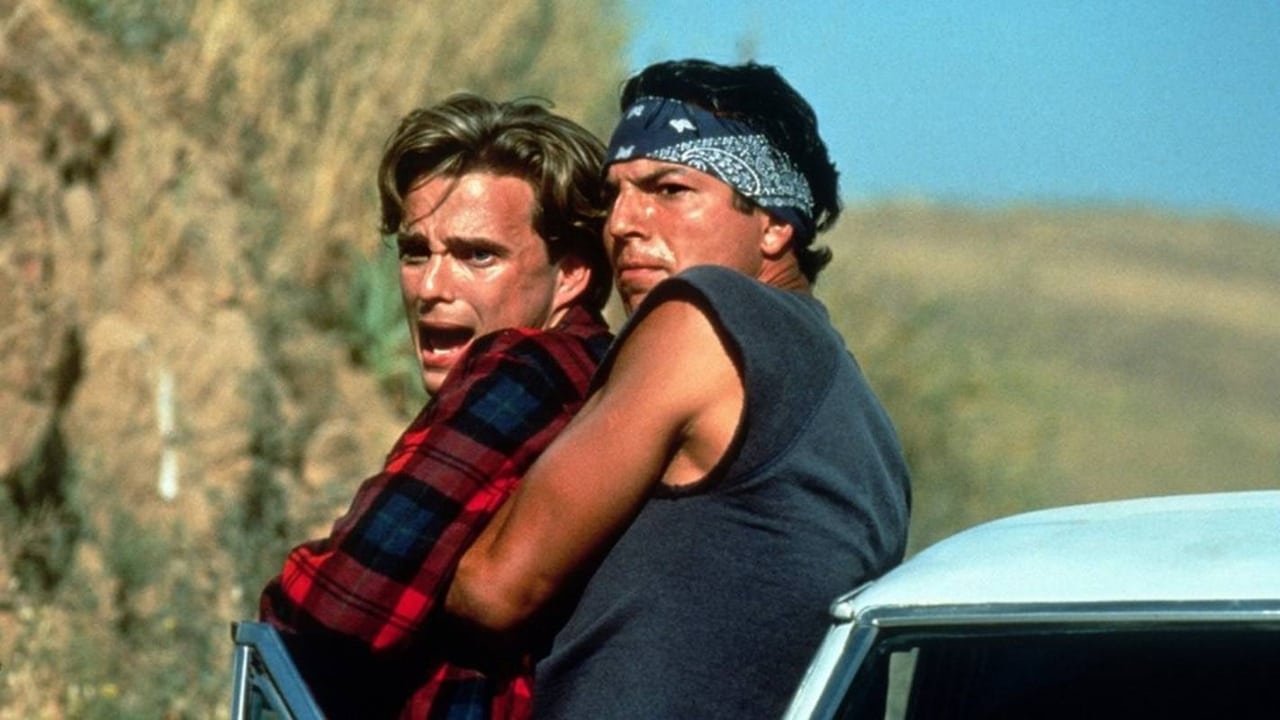
Bound by Honor is a demanding watch – long, often brutal, and emotionally taxing. Its pacing occasionally reflects its epic length, and some plot points might feel overly dramatic to modern eyes. But its strengths are undeniable: the powerful performances, the commitment to authenticity, the unflinching look at the cycles of violence and incarceration, and the deeply resonant exploration of brotherhood and identity. It stands as a significant, if initially overlooked, piece of 90s crime cinema.
Rating: 9/10
This score reflects the film's raw power, exceptional performances, and courageous authenticity, particularly in its prison sequences. While its length and initial reception might have hindered it, its lasting cult status and thematic depth earn it high marks as a vital, visceral cinematic experience that truly came into its own during the VHS era. It's a film that stays with you, a stark reminder of the ties that bind and the devastating ways they can be broken.