There are films that flicker briefly in memory, comfortable companions on a rainy Saturday afternoon rented from the corner store. Then there are films that imprint themselves, leaving behind a residue of wonder and a quiet sense of awe, even viewed through the snowy fuzz of a well-worn VHS tape. Royal Space Force - The Wings of Honneamise (1987), the ambitious debut feature from a fledgling studio called Gainax, belongs firmly in the latter category. It wasn’t just another animated feature; it felt like witnessing the birth of something significant, something meticulously crafted and deeply considered.
Forging a World from Ink and Ambition
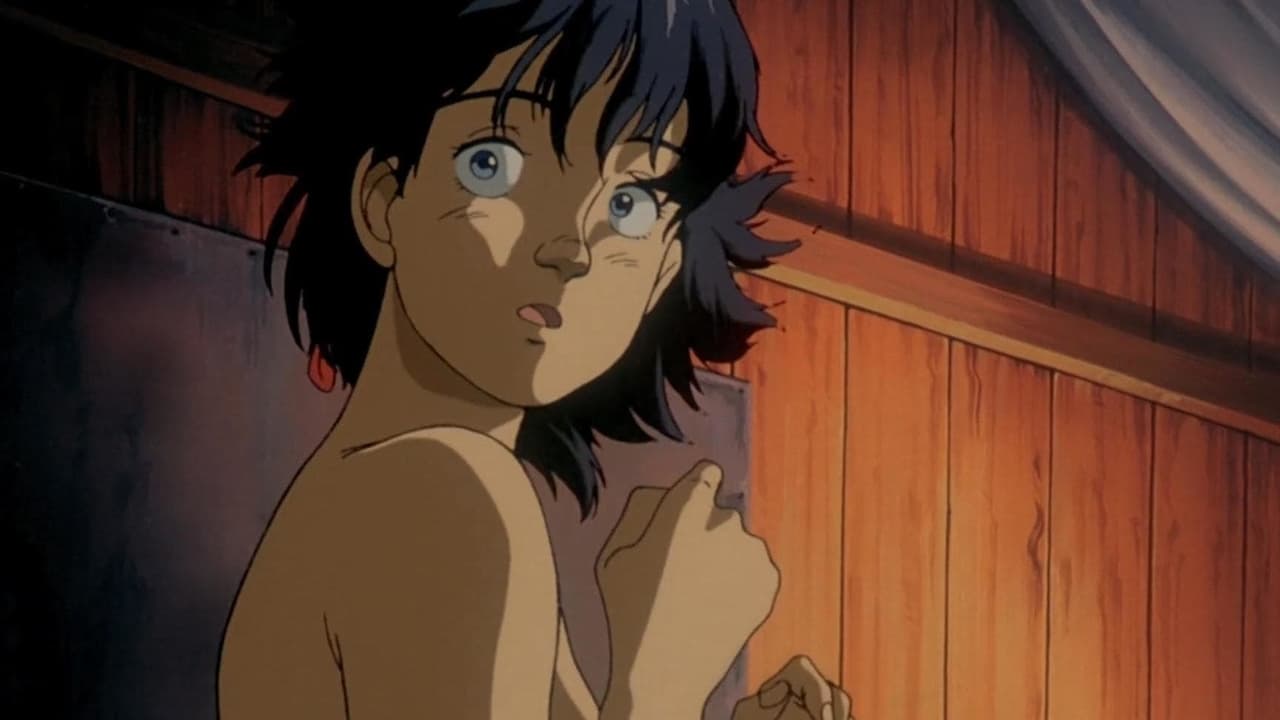
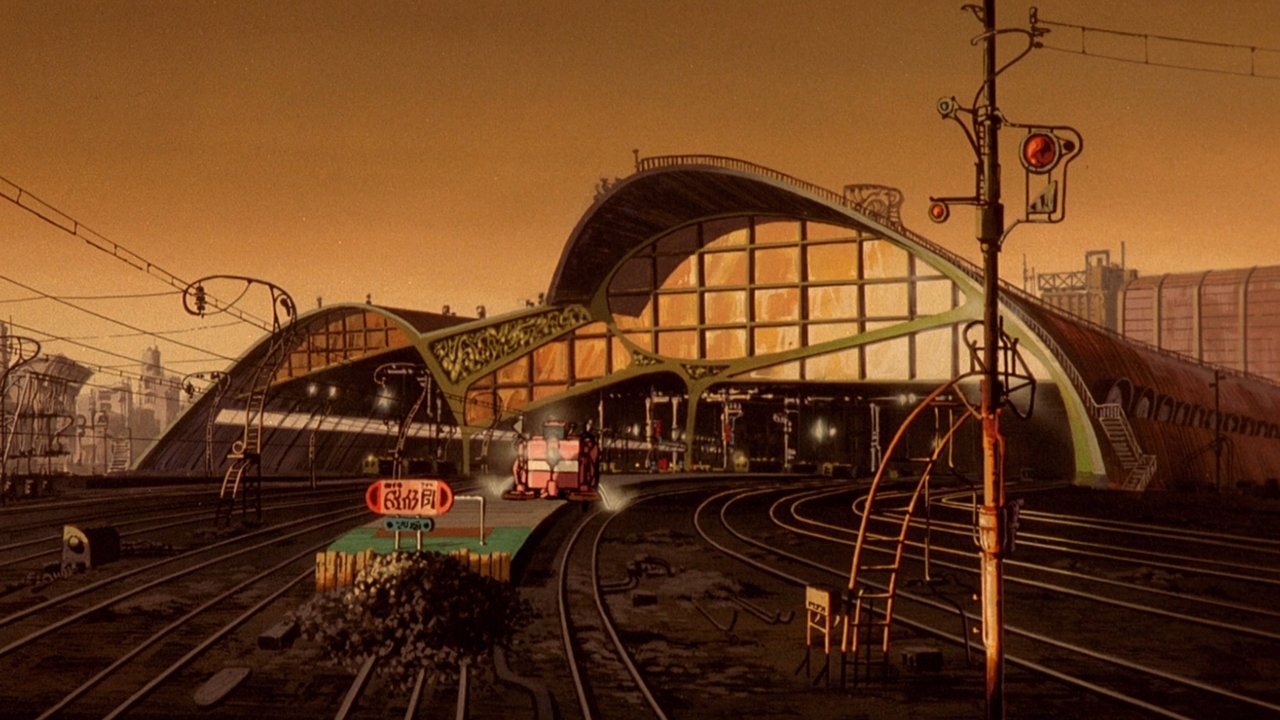
What strikes you first, even decades later, is the sheer, staggering detail poured into creating its alternate world. This isn't Earth, yet it feels undeniably real – the cluttered cityscapes, the vaguely familiar but distinct technologies, the weight of history etched onto the architecture and the faces of its inhabitants. Director and writer Hiroyuki Yamaga, leading a team of young, hungry animators (many founders of what would become the legendary Studio Gainax), didn't just tell a story; they built a world. This undertaking was monumental, funded by Bandai initially for a much smaller project, the budget ballooned to a reported ¥800 million (a huge sum for anime then, translating to roughly $5-6 million USD, which would be over $14 million today adjusted for inflation). It was a gamble born of passion, a statement piece announcing Gainax’s arrival. You feel that painstaking effort in every frame, from the design of clunky military hardware to the specific way light falls through a window in a run-down apartment.
Of Slackers and Star Dreams
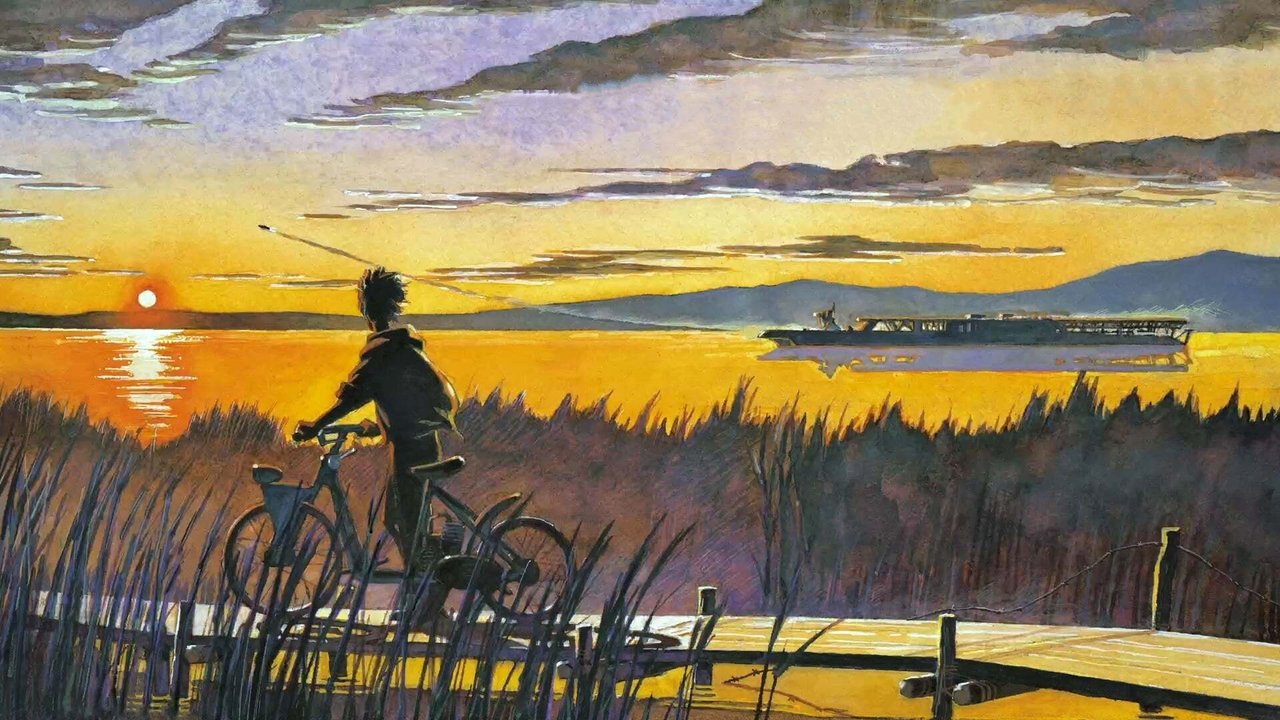
The story centers on Shirotsugh Lhadatt (Leo Morimoto), a directionless young man coasting through life as a member of the Kingdom of Honneamise's laughable Royal Space Force – a forgotten branch of the military filled with failures and eccentrics, their dreams of space travel long since faded into bureaucratic apathy. Shiro himself embodies this ennui perfectly; he's not a hero in waiting, just a guy drifting along. His chance encounter with Riquinni Nonderaiko (Mitsuki Yayoi), a deeply religious and earnest young woman, sparks an unlikely shift. Inspired, or perhaps simply jolted out of his stupor, Shiro volunteers to become the kingdom's first astronaut.
What follows isn't a typical heroic journey. Royal Space Force is refreshingly grounded, depicting the immense, often tedious, frequently dangerous, and politically fraught reality of trying to achieve something extraordinary. There are training montages, yes, but they emphasize the grueling physical toll and the constant setbacks. There are political machinations, as rival nations and internal factions see the space program as either a propaganda tool or a target. The film doesn't shy away from the messy, unglamorous side of progress, a stark contrast to the often-sanitized portrayals of scientific endeavor. I distinctly remember renting this from a local video store, expecting maybe a sci-fi adventure, and being completely floored by its patient, almost documentary-like approach to building not just a rocket, but the human will behind it.
Animation as Revelation
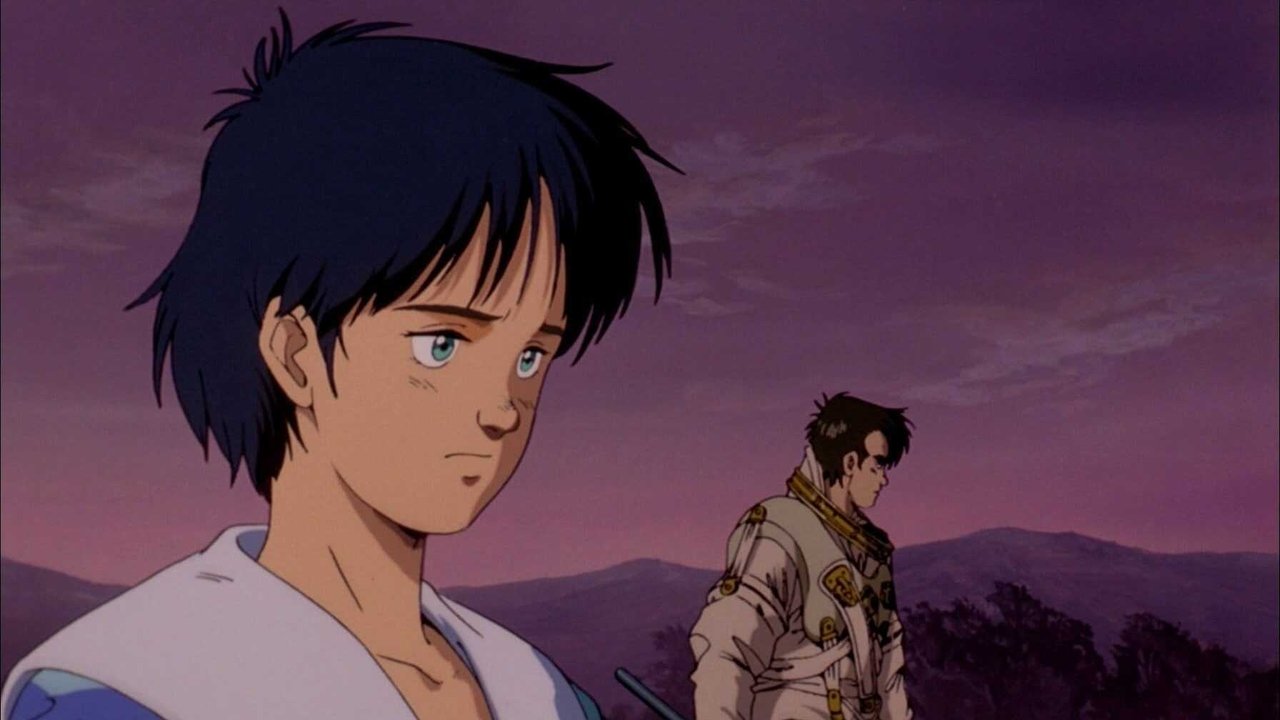
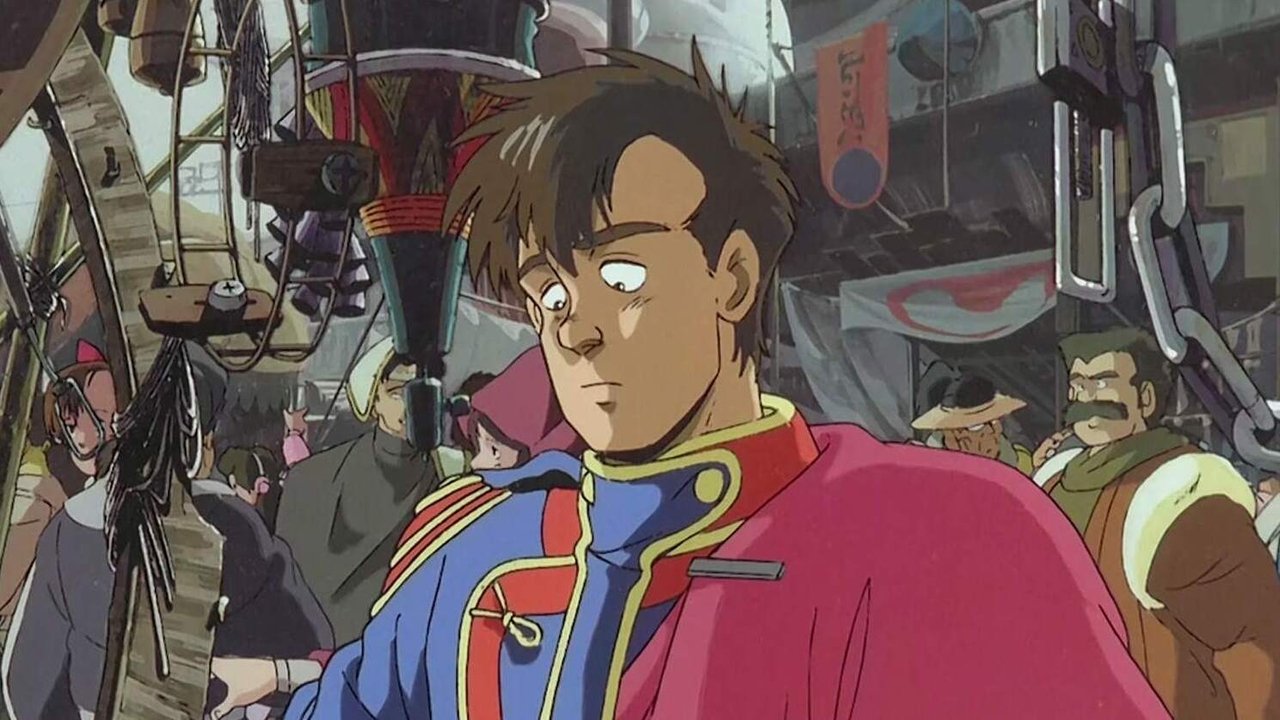
Visually, Royal Space Force remains a landmark. The hand-drawn animation possesses a fluidity and density that still impresses. Gainax threw everything they had at this, and it shows. Character expressions are nuanced, movements have weight, and the mechanical designs feel functional and lived-in. The climactic rocket launch sequence is justly famous – a breathtaking symphony of meticulous animation, perspective shifts, and raw power that captures both the terrifying violence and sublime beauty of escaping Earth's grasp. You see the stress on the metal, feel the vibrations, sense the colossal energy unleashed. It’s a sequence that justified the hefty price tag and the years of labor, a testament to the sheer artistry possible within the medium, long before CGI became commonplace. Complementing the visuals is the evocative score by the legendary Ryuichi Sakamoto (Merry Christmas, Mr. Lawrence (1983), The Last Emperor (1987)), which adds layers of melancholy and grandeur.
Lingering Questions
The film isn't without its complexities or points of debate. Riquinni's character, while pivotal to Shiro's arc, can feel passive, her unwavering faith sometimes presented without deep interrogation. And Shiro's controversial monologue from orbit – a raw, sprawling prayer that touches on human folly, war, and a desperate plea for meaning – is deliberately ambiguous. Does it represent enlightenment, or the confused outpourings of a man overwhelmed? The film offers no easy answers, forcing the viewer to grapple with the implications. What does it truly mean to reach for the stars when conflict and division remain so firmly entrenched on the ground? It’s a question that felt relevant watching it on a bulky CRT in the late 80s/early 90s, and perhaps resonates even more profoundly today.
A Legacy Etched on Tape
Despite critical acclaim, Royal Space Force wasn't a runaway commercial success upon release. Its mature themes, deliberate pacing, and lack of easy payoffs perhaps made it a tougher sell for mainstream audiences expecting typical anime fare. Yet, its influence is undeniable, paving the way for more ambitious, adult-oriented anime projects and solidifying Gainax's reputation for quality and innovation (they would later give us Neon Genesis Evangelion). For those of us who discovered it nestled among action flicks and horror movies on rental shelves, it was a revelation – proof that animation could be profound, challenging, and breathtakingly cinematic. It felt like a secret shared among discerning viewers, a weighty piece of art hiding in a plastic clamshell case.
Rating: 9/10
This score reflects the film's staggering artistic achievement, its incredible world-building, its mature and thought-provoking narrative, and its landmark status in anime history. The animation remains stunning, the themes resonate, and the sheer ambition is palpable. While the pacing might test some viewers and certain character elements invite discussion, its overall power and craftsmanship are undeniable.
Royal Space Force - The Wings of Honneamise isn't just a film; it's an experience. It’s a reminder of a time when reaching for the stars, both literally and figuratively, felt like a monumental act of faith against staggering odds, rendered with artistry that still takes the breath away. What lingers most isn't just the spectacle, but the quiet weight of its questions about human nature, hanging in the silence long after the VCR whirred to a stop.