It begins with shadows dancing on a simple screen, figures brought to life by flickering lamplight. This recurring image of the shadow puppet theatre in Zhang Yimou's staggering 1994 epic, To Live (活着, Huózhe), isn't just a visual motif; it feels like a metaphor for the fragile, ephemeral nature of the lives caught in the turbulent sweep of 20th-century Chinese history. Watching it again, years after first encountering it—perhaps tucked away in the 'World Cinema' section of a discerning video store, a stark contrast to the neon glow of action movie covers—its power hasn't dimmed. If anything, it feels even more profound.
A Lifetime in Two Hours
Based on the novel by Yu Hua (though softening some of its harshest edges), To Live follows the tumultuous life of Fugui (Ge You) and his wife Jiazhen (Gong Li). We first meet Fugui as the arrogant, gambling-addicted son of a wealthy landowner in the 1940s. His reckless ways soon cost him everything, reducing his family to poverty just as the Communist Revolution dawns. This single turn of fate sets the stage for decades of hardship, survival, and quiet endurance as Fugui and Jiazhen navigate the immense societal shifts of the Great Leap Forward and the Cultural Revolution, losing loved ones and facing unimaginable trials along the way. It’s a sprawling narrative, yet Zhang Yimou, already a master storyteller known for visually stunning films like Raise the Red Lantern, handles it with remarkable intimacy.
Performances That Pierce the Soul

What elevates To Live beyond a historical chronicle are the extraordinary performances, particularly from its leads. Ge You, who deservedly won Best Actor at the Cannes Film Festival for this role, is simply unforgettable as Fugui. He charts Fugui's transformation from foolish privilege to weathered resilience with incredible nuance. There’s no grandstanding, just the quiet accumulation of sorrow, acceptance, and a tenacious will to simply keep going. You see the weight of decades settle into his eyes, his posture, the very way he carries himself. It’s a performance built on small gestures and profound silences.
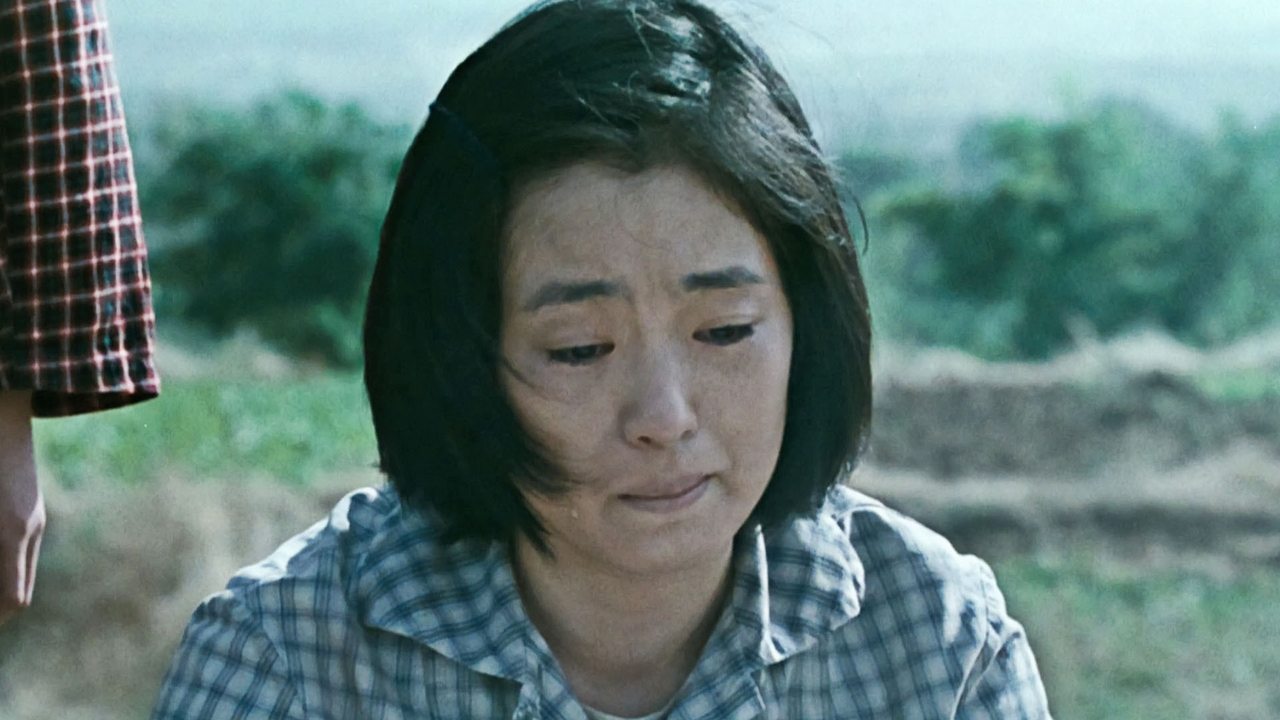
Equally mesmerizing is the luminous Gong Li as Jiazhen. A frequent collaborator with Zhang Yimou during this period, she embodies unwavering strength and quiet dignity. Jiazhen is the anchor, the enduring heart of the family. Her resilience isn't loud; it's a deep, steady current beneath the surface. The chemistry between Ge You and Gong Li is palpable – their shared glances convey years of love, loss, and unspoken understanding. Their journey together forms the film's emotional core, a testament to partnership in the face of overwhelming adversity.
History Through a Human Lens

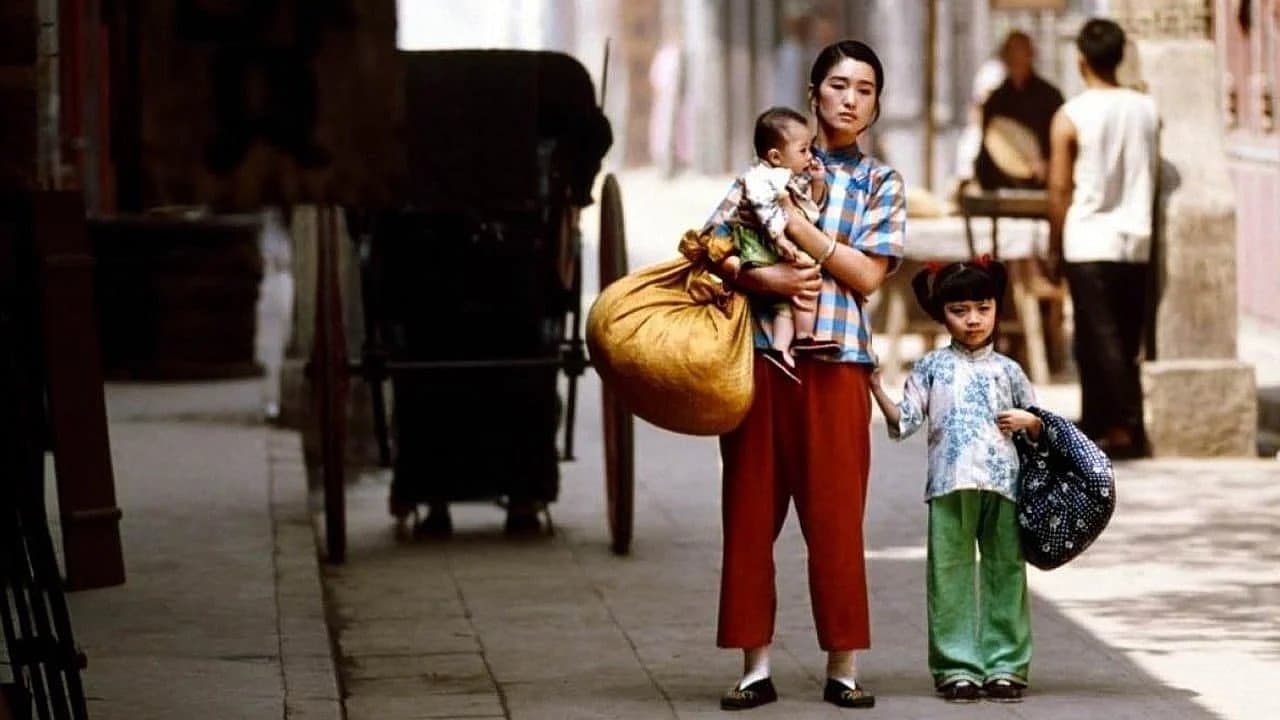
To Live doesn't shy away from depicting the devastating impact of political campaigns on ordinary people. The absurdity and tragedy of the Great Leap Forward, where peasants smelted pots and pans into useless metal, or the paranoid fervor of the Cultural Revolution, where doctors were persecuted and expertise dismissed, are shown through the direct consequences they have on Fugui's family. There’s a particularly harrowing sequence involving the birth of a grandchild during the Cultural Revolution that is almost unbearable in its tension and commentary on the cost of ideological extremism.
It's perhaps unsurprising, then, that the film faced significant controversy. Despite its international acclaim (including the Grand Prix at Cannes), To Live was banned in Mainland China. Zhang Yimou himself faced a two-year ban from filmmaking imposed by the authorities, ostensibly for submitting the film to Cannes without government approval, but widely seen as punishment for its critical portrayal of recent history. Finding a legitimate VHS copy back in the day often felt like uncovering a piece of forbidden art, adding another layer to the viewing experience. The film cost around $3 million to make, a modest sum even then, but its cultural impact far outweighed its budget.
The Craft of Endurance
Zhang Yimou’s direction is masterful in its restraint. While known for his vibrant color palettes in films like Hero (released much later in 2002), here he uses more muted tones, reflecting the harsh realities faced by the characters. The cinematography captures both the intimate family moments and the vast landscapes that seem indifferent to human suffering. The pacing is deliberate, allowing the weight of time and experience to settle upon the viewer. It’s not a film that rushes; it invites you to live alongside Fugui and Jiazhen, to feel the slow passage of years marked by loss and small moments of grace.
One subtle aspect that resonates is the way the film depicts survival not as heroic struggle, but as dogged persistence. Fugui learns to adapt, to find scraps of humor or meaning where he can, whether through his shadow puppets or his enduring love for Jiazhen. Isn't there something deeply human in that – the ability to find reasons to keep going, even when hope seems lost?
Final Reflections
To Live is not an easy watch. It demands emotional investment and confronts viewers with the harsh realities of history and loss. Yet, it is also profoundly moving and ultimately, strangely hopeful. It doesn't offer easy answers or triumphant resolutions, but finds a quiet power in the simple act of survival, in the enduring bonds of family, and in the resilience of the human spirit against seemingly insurmountable odds. Revisiting it now, it feels less like a relic of the VHS era and more like a timeless masterpiece that continues to speak volumes about the human condition. It’s the kind of film that stays with you long after the screen goes dark, prompting reflection on what it truly means "to live."

Rating: 9.5/10
This near-perfect score reflects the film's masterful direction, powerhouse performances from Ge You and Gong Li, its profound emotional depth, and its courageous examination of history through an intimate human lens. It's a demanding but deeply rewarding cinematic experience that earns its place as a modern classic.
Final Thought: What endures more strongly: the crushing weight of history, or the quiet persistence of a single human life? To Live leaves you pondering that question long after the credits roll.