## The Echoes Under the Factory Roof: Reflecting on Swing Shift (1984)
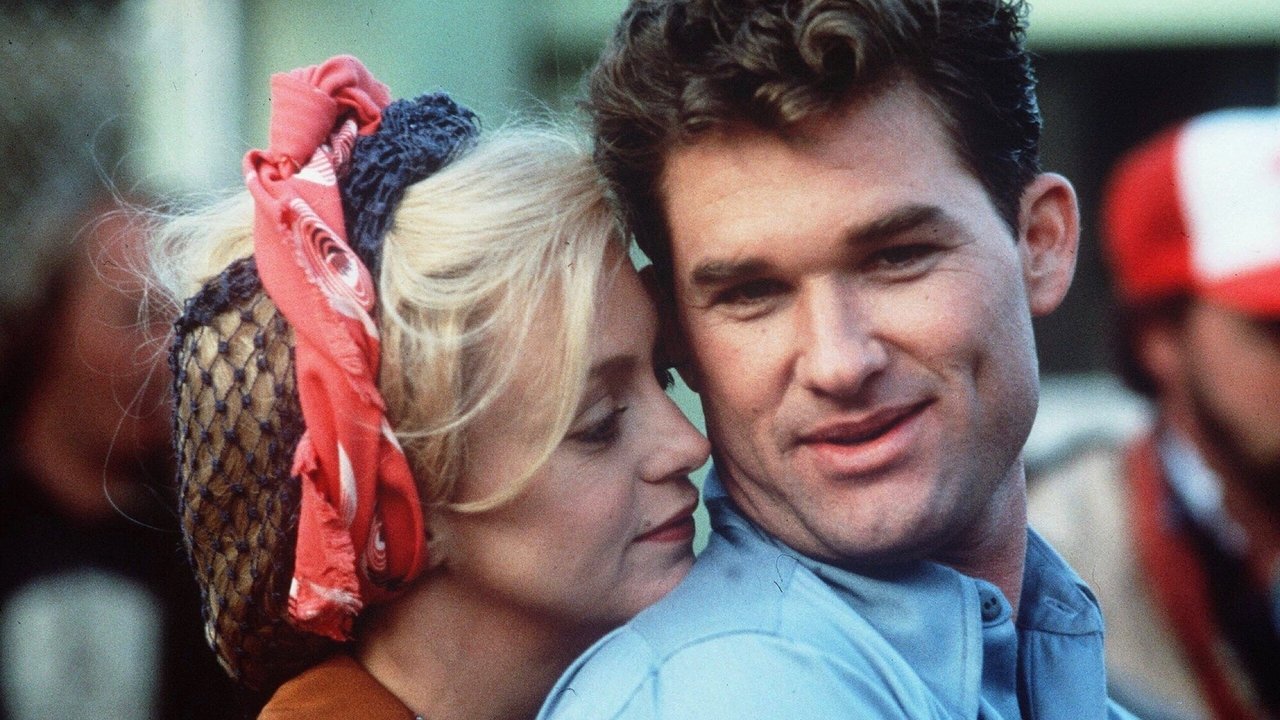
There’s a particular hum to Swing Shift, a blend of Rosie the Riveter optimism and the low thrum of wartime anxiety. It’s the sound of rivets driving into bomber planes, yes, but also the sound of lives shifting, allegiances tested, and futures becoming suddenly, terrifyingly uncertain. Watching it again recently, pulling that familiar worn sleeve from the shelf, I wasn’t just revisiting a film; I was stepping back into a specific kind of 1980s attempt to capture the 1940s – earnest, star-studded, and carrying more behind-the-scenes weight than the B-17s its characters were building.
A World Turned Upside Down
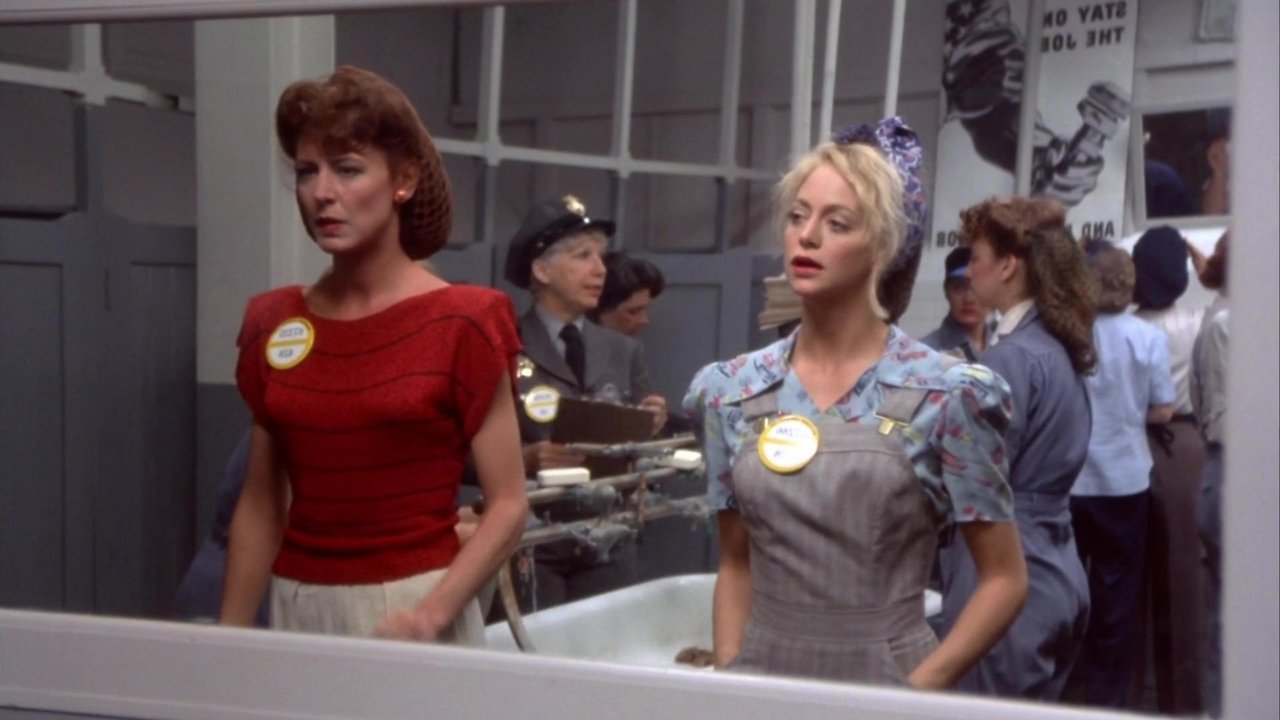
The premise pulls us right into the heart of the American home front during World War II. Kay Walsh (Goldie Hawn) is a seemingly content housewife whose world tilts when her husband Jack (a brief but effective Ed Harris) ships off to war. Drawn by patriotism and perhaps a nascent desire for something more, Kay takes a job at the MacManus Aircraft Plant in California. It’s here she encounters the swaggering charm of Lucky Lockhart (Kurt Russell), a musician temporarily grounded as a leadman at the factory, and the grounded, fiercely independent Hazel (Christine Lahti), a former singer who becomes Kay’s closest confidante and neighbor. What unfolds is less a traditional war story and more a study of changing relationships and societal roles under extraordinary pressure.

Sparks and Shadows
The undeniable chemistry between Goldie Hawn and Kurt Russell, a real-life couple whose spark translated effortlessly to the screen, is central to the film’s appeal. Hawn portrays Kay’s transformation from sheltered wife to capable worker and independent woman with vulnerability and nuance. You see the initial fear give way to competence, the loneliness bloom into connection. Russell, meanwhile, leans into Lucky’s charisma, but there’s a layer of weariness beneath the charm, a sense of a man slightly adrift. Their burgeoning romance feels inevitable, charged with the intensity of wartime uncertainty – the feeling that you have to grab happiness while you can.
Yet, arguably, the film truly belongs to Christine Lahti. Her portrayal of Hazel is simply magnificent – tough, funny, world-weary but deeply loyal. Lahti embodies the resilience and camaraderie of the women thrust into these new roles. Every glance, every wry remark, feels authentic. It’s no surprise she earned an Academy Award nomination for Best Supporting Actress; her performance provides the film's emotional anchor, a grounded counterpoint to the central romance. You believe in her friendship with Kay instantly, a bond forged in shared work and whispered secrets.
The Ghost in the Machine
It’s impossible to discuss Swing Shift without acknowledging its famously troubled production. What reached theaters wasn’t quite the film director Jonathan Demme (later acclaimed for The Silence of the Lambs and Philadelphia) originally envisioned. Reports from the time, and subsequent interviews, detail significant clashes between Demme and star/producer Goldie Hawn over the film's tone and focus. Demme and original screenwriter Nancy Dowd (who ultimately took her name off the project, credited under the pseudonym "Rob Morton") apparently aimed for a grittier, more ensemble-focused piece exploring the lives of the women workers with a sharper social edge. Hawn, however, reportedly pushed for a lighter, more conventional romantic drama centered on Kay and Lucky.
This conflict led to extensive reshoots helmed by another (uncredited) director, significantly altering the film's structure and emphasis. Knowing this history, you can almost feel the seams. Certain plot developments feel abrupt, characters occasionally drift, and the overall tone sometimes wavers between sincere drama and something closer to a star vehicle romance. The initial budget was around $15 million, a decent sum for the time, but the internal struggles and subsequent lukewarm reception led to a disappointing box office return of roughly $6.6 million. It’s a fascinating example of how competing visions can reshape a film, leaving behind echoes of what might have been.
More Than Just Nostalgia
Despite its unevenness, Swing Shift offers more than just the nostalgic pleasure of seeing Hawn and Russell sparkle together. It captures a specific atmosphere – the clang of the factory, the jitterbugging relief of a night off, the shared anxieties of ration books and telegrams. The production design effectively evokes the era, and there's a genuine attempt to explore the profound societal shifts occurring as women entered the workforce in unprecedented numbers. What did that newfound independence mean? How did it change relationships, expectations, and self-perception? The film may not fully resolve these questions, opting for a more emotionally convenient ending, but it raises them compellingly. Doesn't the struggle Kay experiences – balancing duty, desire, and a changing sense of self – resonate beyond its wartime setting?
Rating: 6/10
The rating reflects a film caught between two stools. The behind-the-scenes turmoil undeniably leaves its mark on the final product, resulting in a narrative that feels softened and occasionally disjointed. However, the powerhouse performances, particularly Christine Lahti's Oscar-nominated turn, elevate the material considerably. The chemistry between Goldie Hawn and Kurt Russell is undeniable, and the film successfully evokes the unique atmosphere of the WWII home front. It’s a flawed piece, certainly, but one with considerable heart and moments of genuine emotional truth that make it a worthwhile watch, especially for fans of the leads or those interested in this period.
It remains a poignant "what if?" – a glimpse of a potentially tougher, more complex film layered beneath a studio-polished romance, forever preserved on those well-loved VHS tapes.