There are certain films from the racks of the old video store that remain lodged in the mind not for their escapism, but for their discomforting power. They weren't necessarily the tapes you reached for on a Friday night seeking easy thrills, but ones that, once watched, lingered long after the VCR clicked off. Jonathan Kaplan's The Accused (1988) is undeniably one of those films, a raw nerve exposed on celluloid that forced viewers to confront brutal truths many preferred to ignore. It wasn't escapism; it felt like a necessary confrontation.

Beyond the Headlines
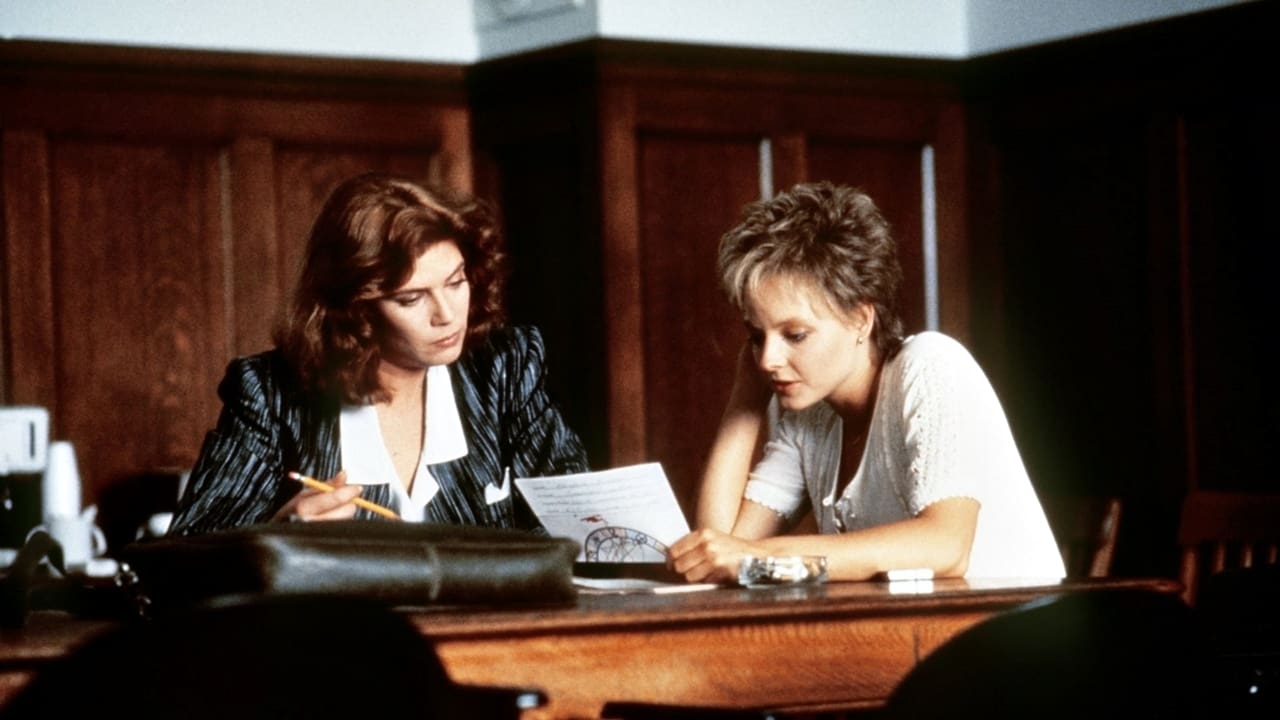
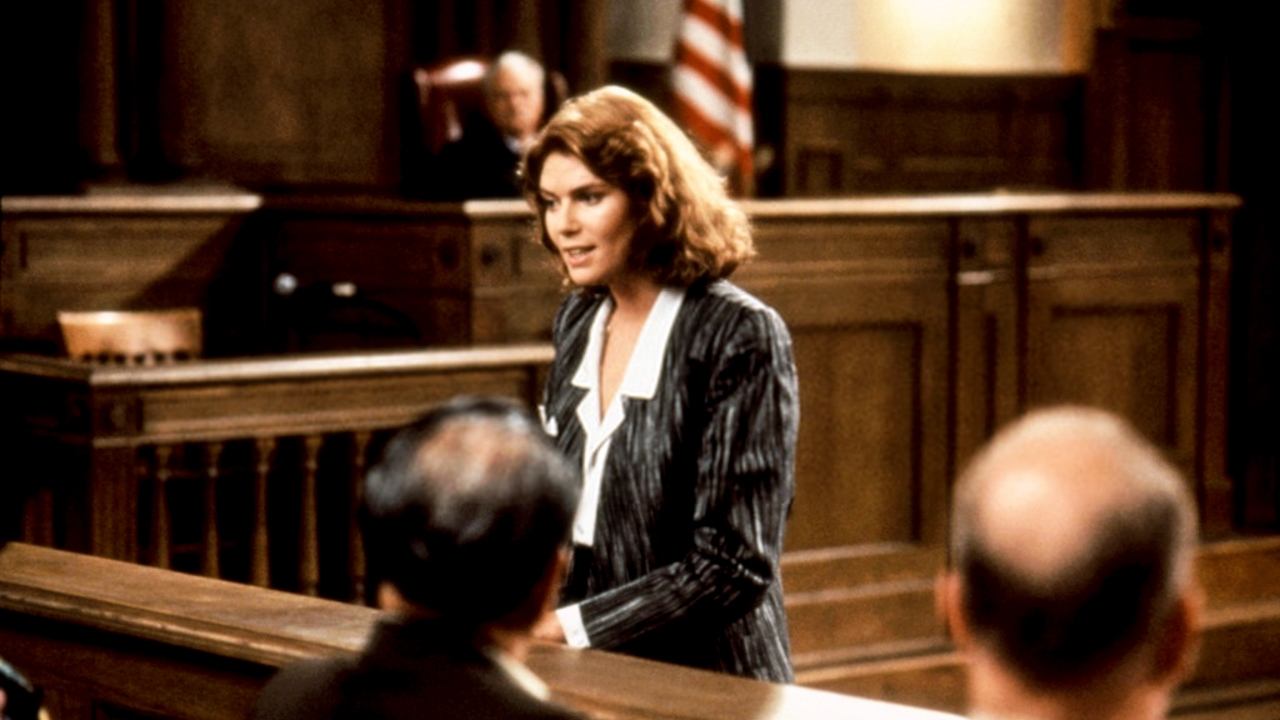
Inspired by the harrowing true story of Cheryl Araujo's gang rape in New Bedford, Massachusetts, The Accused doesn't flinch. It tells the story of Sarah Tobias (Jodie Foster), a young woman from the "wrong side of the tracks" who is brutally assaulted by multiple men in the back room of a local bar. Initially, the legal system focuses only on the direct perpetrators, settling for reduced charges. But Sarah, aided by the initially cautious Deputy District Attorney Kathryn Murphy (Kelly McGillis), pushes for something unprecedented: prosecuting the men who cheered, encouraged, and facilitated the assault – the witnesses who did nothing to stop it. This shift, from the act itself to the complicity surrounding it, is where the film finds its most potent and enduring questions. How responsible are we for the violence we witness?
Foster's Fierce Vulnerability
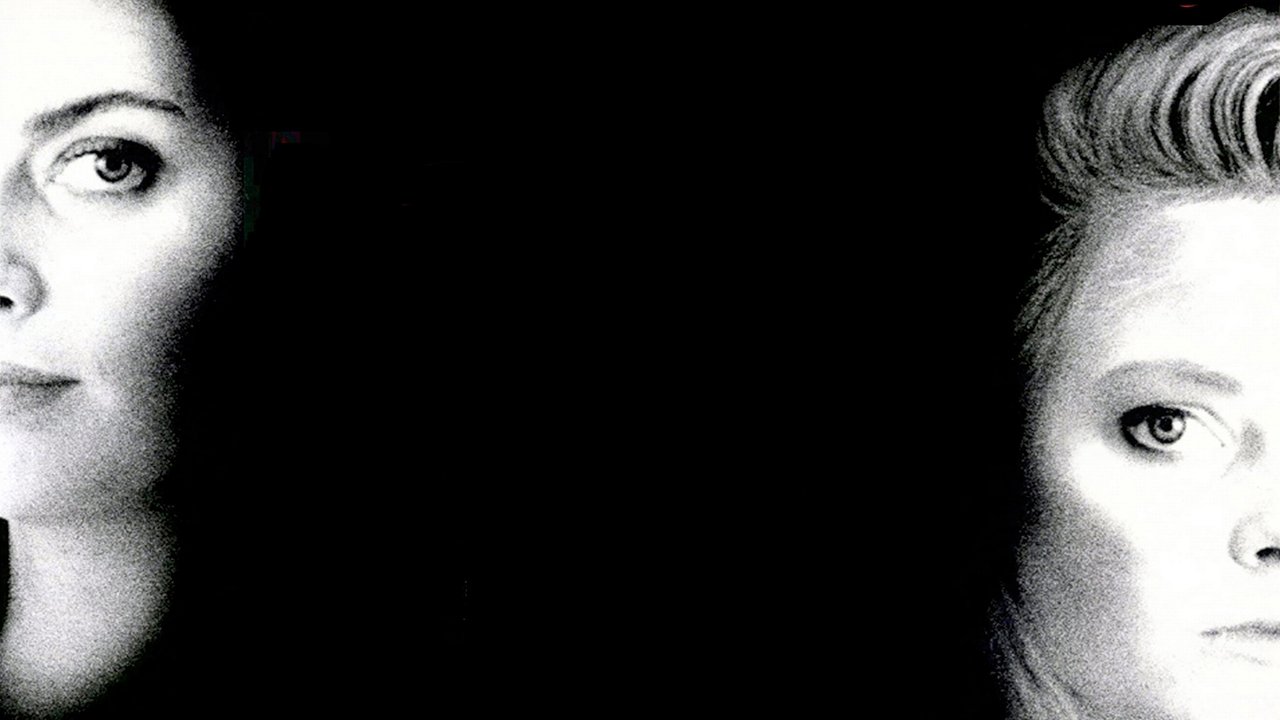
Let's be clear: Jodie Foster's performance is the incandescent core of The Accused. It's a portrayal stripped bare of vanity, radiating a volatile mix of defiant anger, profound trauma, and heartbreaking vulnerability. Watching her navigate the aftermath – the invasive physical exams, the dismissive attitudes, the relentless victim-blaming – is grueling but utterly magnetic. Foster, who famously won her first Best Actress Oscar for this role, doesn't just play Sarah; she inhabits her pain and her refusal to be silenced. It's a performance that feels less like acting and more like bearing witness. It’s worth remembering that this was a role reportedly turned down by several higher-profile actresses due to its challenging nature. Foster, still relatively young but already a seasoned performer since Taxi Driver (1976), embraced the risk, and cinema history was made. Interestingly, Kelly McGillis, then arguably the bigger star fresh off Top Gun (1986), was apparently offered the role of Sarah first but chose the more reserved, perhaps less emotionally demanding, role of Kathryn Murphy. Her portrayal of the lawyer’s gradual awakening from detached professionalism to fierce advocacy provides the necessary counterpoint to Foster’s raw energy.
Walking a Tightrope
Director Jonathan Kaplan, known previously for films like Over the Edge (1979), faced an immense challenge: depicting horrific events without being gratuitous or exploitative, while still conveying the full weight of Sarah's trauma and the culpability of the onlookers. The film’s most debated sequence – the depiction of the assault itself, shown in flashback during courtroom testimony – is undeniably difficult to watch. Kaplan uses it strategically, forcing the audience (and the jury within the film) to confront the reality that the witnesses saw and encouraged. Foster herself reportedly found filming the scene intensely traumatic, a testament to the realism Kaplan aimed for. Paramount Pictures was understandably nervous about marketing such a potent, potentially alienating film. Their tagline, "The first scream was for help. The second was for justice," cleverly encapsulated the narrative shift. Despite the difficult subject, the film resonated, turning its relatively modest $6 million budget into a surprising $32 million domestic gross (that's over $80 million in today's money – a significant return for such a challenging drama).
The Weight of Witnessing
Beyond the central performances and the courtroom tension, The Accused cuts deep into the insidious nature of victim-blaming and the corrosive effect of bystander apathy. The film is unflinching in showing how Sarah’s appearance, her past, and her decision to be in a bar are used against her, deflecting blame from the perpetrators and those who enabled them. It asks uncomfortable questions that, frankly, remain depressingly relevant decades later. Doesn't the casual cruelty of the onlookers, their transformation into a jeering mob, speak volumes about darker aspects of group dynamics and toxic masculinity? The film doesn't offer easy answers, but its power lies in forcing us to consider the moral weight of inaction.
Lasting Echoes
Watching The Accused today, perhaps on a format far removed from the worn VHS tapes many of us first saw it on, its power hasn't diminished. It might lack the stylistic flourishes of later films dealing with similar themes, and some courtroom elements might feel familiar now, but its core message remains potent. It was a film that felt important back in 1988, sparking conversations that were long overdue, even amidst controversy over its depiction of violence. It stands as a landmark piece of social commentary cinema from the era and features one of the truly unforgettable performances of the 80s.

Rating: 8.5/10
This score reflects the film's undeniable power, its cultural significance in tackling a difficult subject head-on, and Jodie Foster's towering, Oscar-winning performance. While the graphic nature makes it a difficult watch, and its directness might feel stark compared to more nuanced modern dramas, its bravery and impact are undeniable. It earns its place not just in VHS history, but in the history of challenging mainstream cinema.