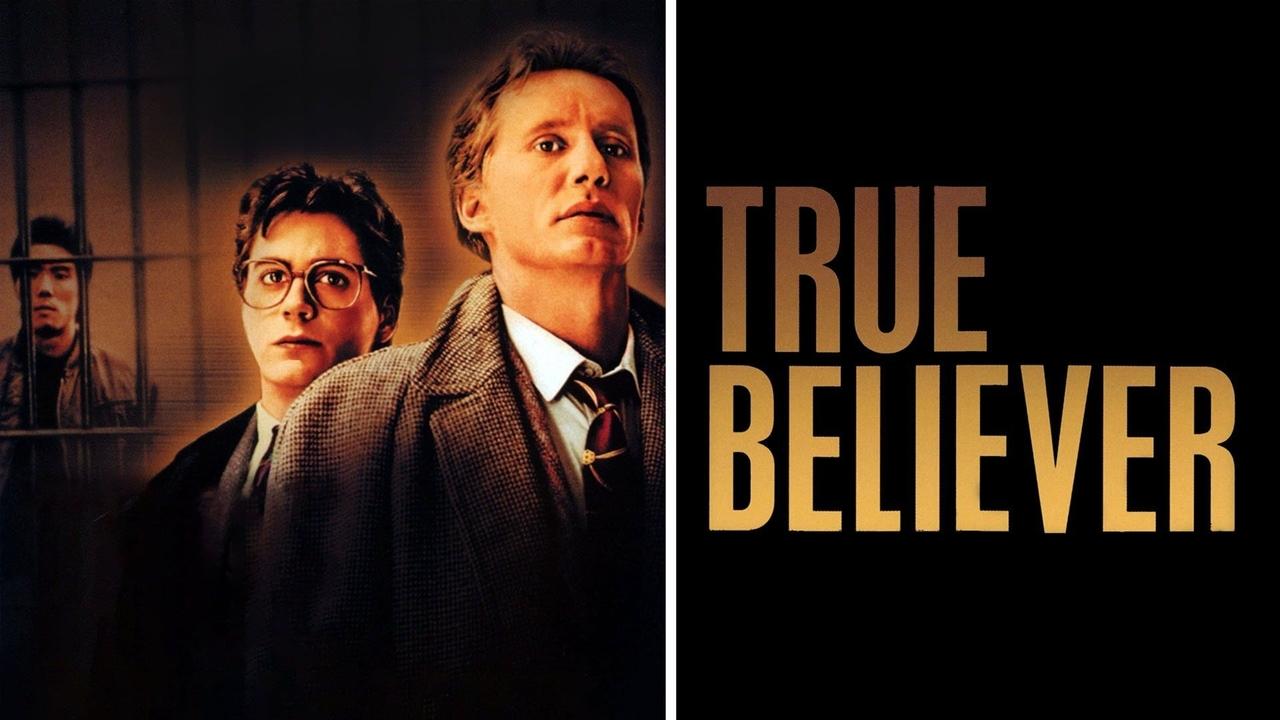
Okay, let's slide another tape into the VCR of our minds. Remember the hiss and crackle, the slightly worn clamshell case? Tonight, we're revisiting a film that feels perfectly distilled from that late-80s cinematic moment: Joseph Ruben's gritty legal thriller, True Believer (1989). It’s not a film that shouts its presence from the rooftops of blockbuster history, but rather one that lingers, anchored by a pair of performances that feel almost crackling with opposing energies.
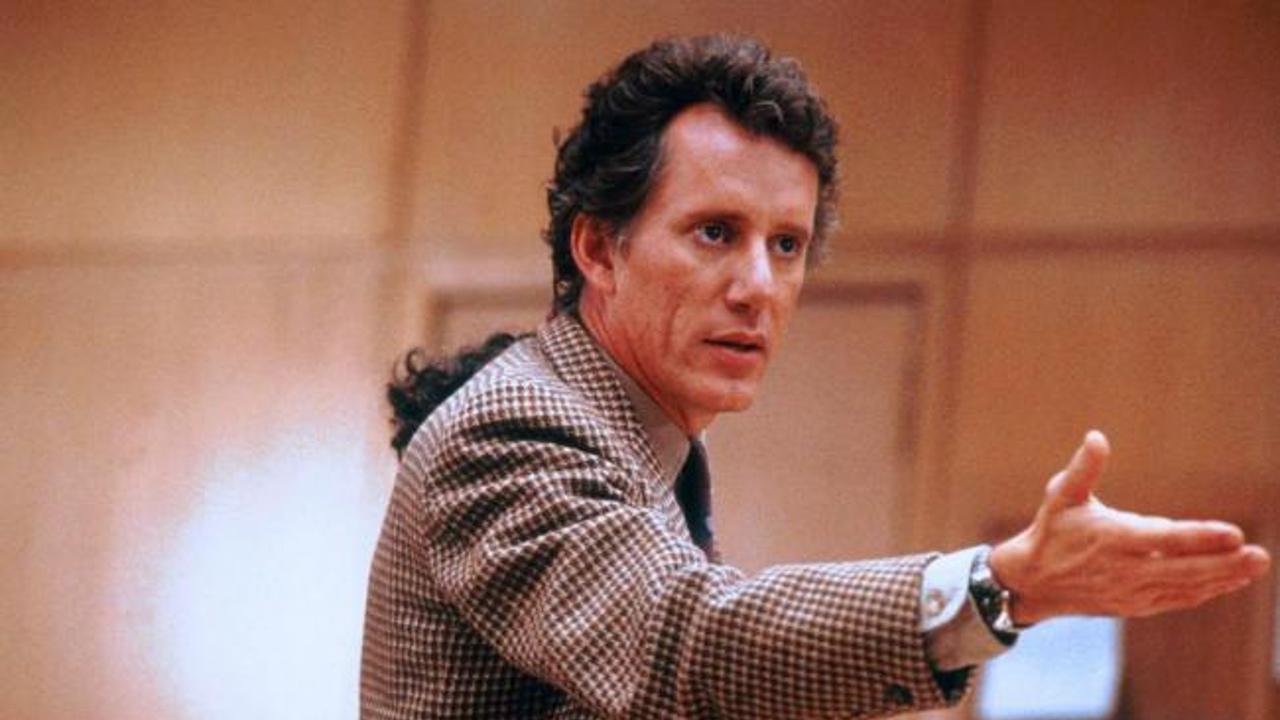
What strikes you first, perhaps even before the plot fully unfolds, is the sheer exhaustion radiating from James Woods as Eddie Dodd. Here is a man carved out of cynicism, a former firebrand civil rights lawyer now defending drug dealers, his ponytail a defiant relic of a past self he barely seems to recognize. Dodd isn't just world-weary; he seems universe-weary, bouncing off the walls of his cluttered office like a pinball fueled by caffeine and disillusionment. It’s a performance that feels less like acting and more like raw nerve exposed.
### Ghosts of Idealism Past
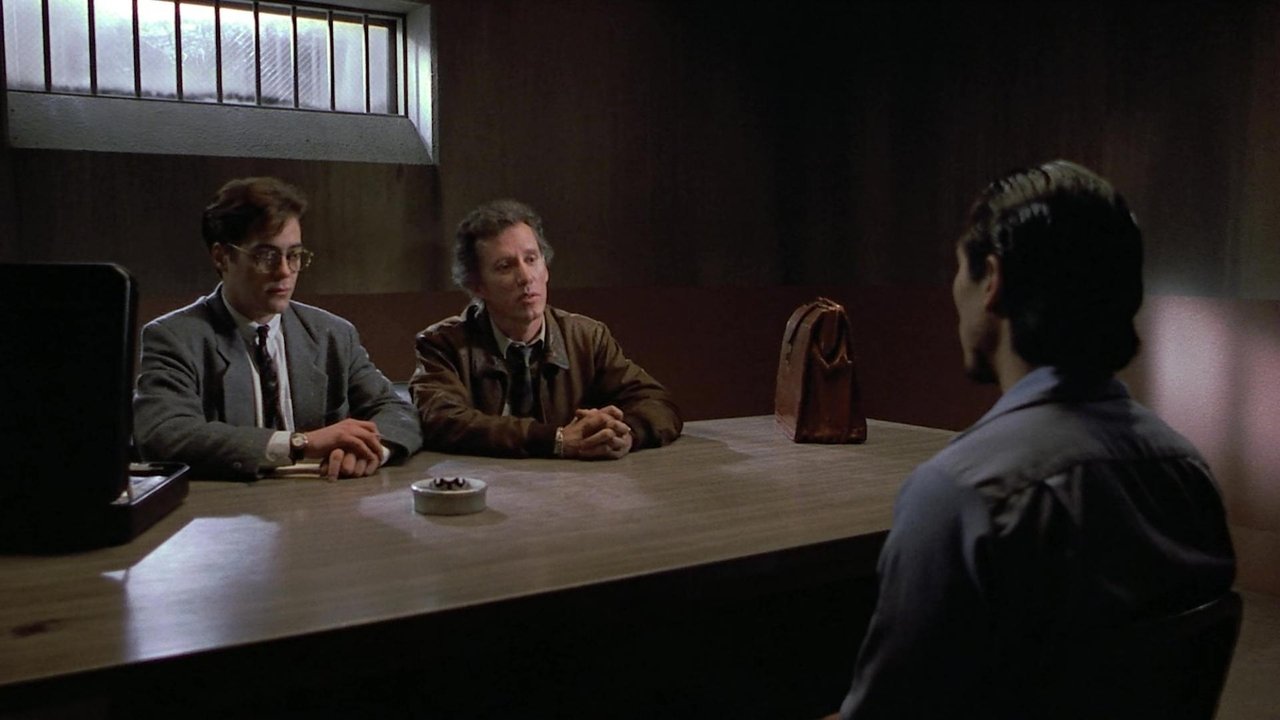
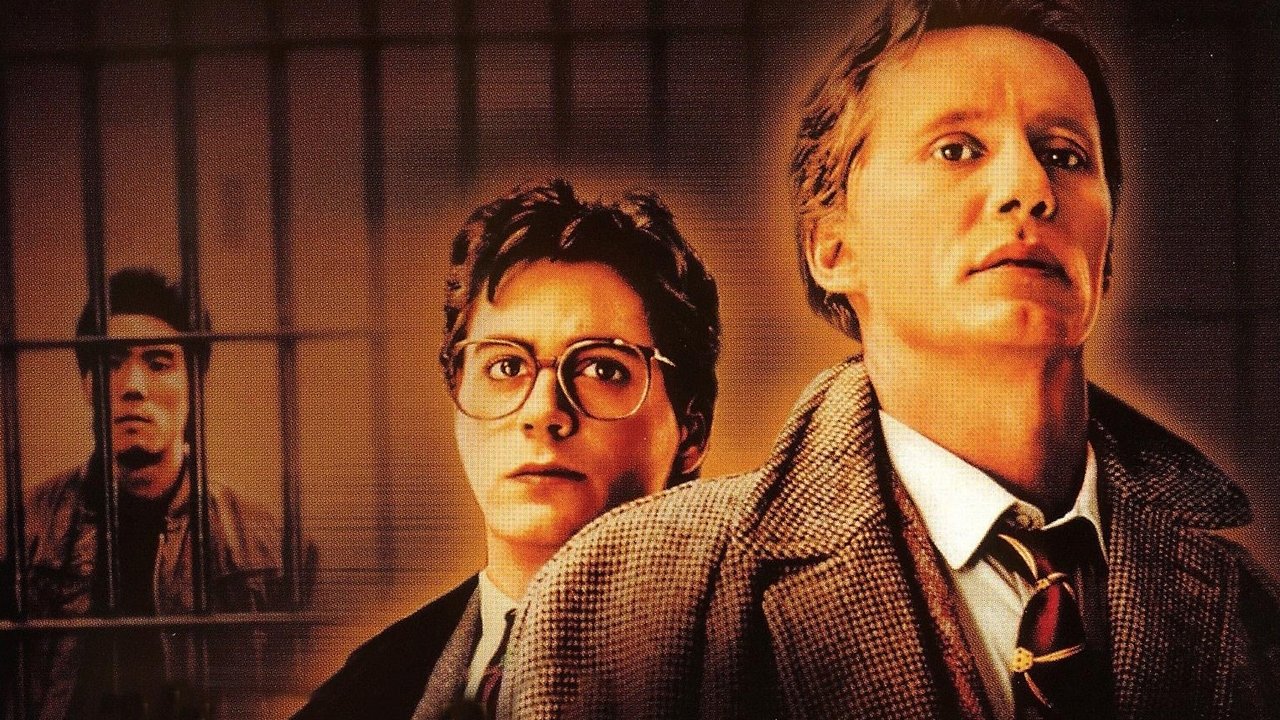
The catalyst for Dodd's reluctant journey back towards something resembling principle arrives in the form of Roger Baron, played by a young, almost impossibly fresh-faced Robert Downey Jr. Baron is everything Dodd is not: earnest, meticulously organized, and brimming with the unshakeable conviction that the legal system can work, that truth can prevail. He brings Dodd the case of Shu Kai Kim, a Korean immigrant imprisoned for eight years for a Chinatown gang murder he swears he didn't commit. Initially, Dodd sees only the potential for publicity, a way to maybe reclaim a sliver of his lost radical chic. But Baron’s unwavering faith, combined with the unsettling facts of the case, begins to chip away at Dodd's hardened exterior.
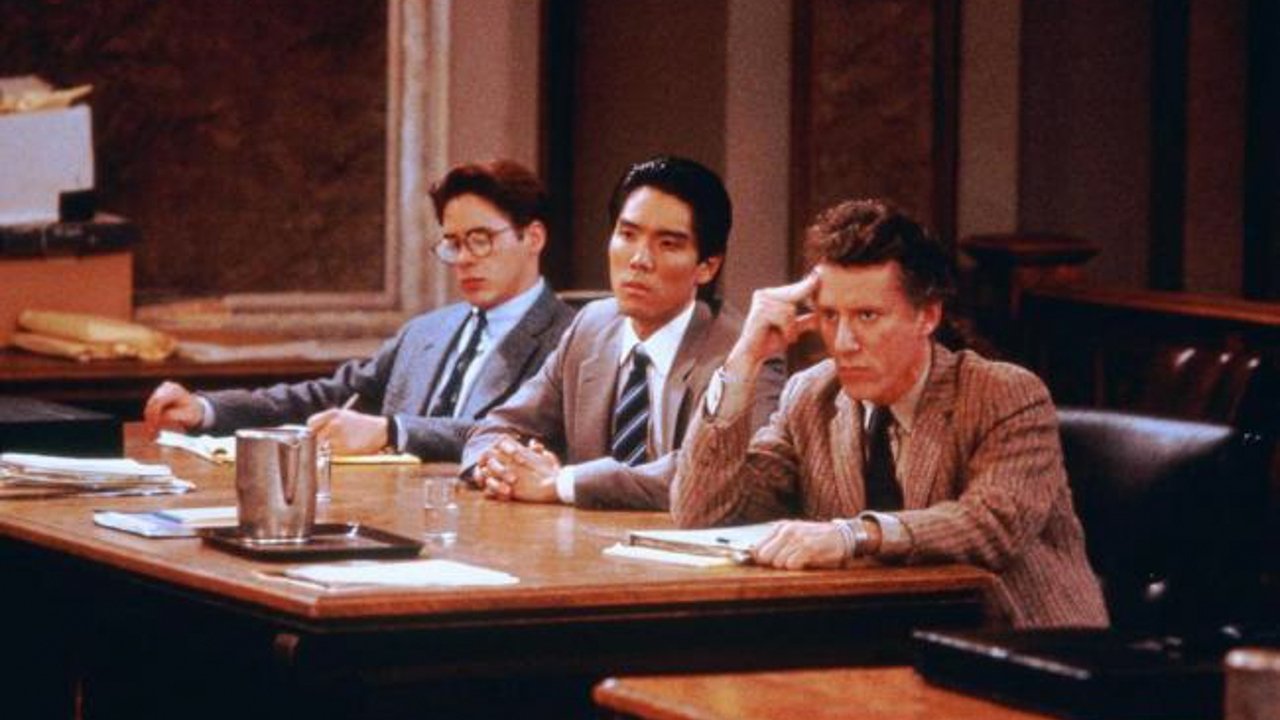
It's this dynamic between Woods and Downey Jr. that truly elevates True Believer. Woods delivers a masterclass in controlled chaos, his rapid-fire delivery and twitchy physicality perfectly capturing Dodd's internal turmoil. You see the flicker of the old activist fire buried deep beneath layers of disappointment. Downey Jr., in one of his key early roles before his later superstardom (and well before his iconic turn as Tony Stark in Iron Man (2008)), provides the perfect counterpoint. He’s the audience’s surrogate, the wide-eyed believer navigating the murky, compromised world Dodd inhabits. Watching them spar, challenge, and ultimately learn from each other is the film's undeniable core pleasure.
### More Than Just Courtroom Drama
While True Believer certainly delivers the expected beats of a legal thriller – the investigation, the uncovering of clues, the tense courtroom confrontations – director Joseph Ruben (who gave us the chilling The Stepfather (1987) just a couple of years prior) seems less interested in procedural minutiae and more focused on atmosphere and character. He paints a picture of a grimy, late-80s New York where justice feels like a commodity, easily bought or buried. The film doesn’t shy away from the uglier aspects of the system, including institutional racism and the way power protects itself.
Wesley Strick’s script, reportedly inspired partly by the career of real-life radical defense attorney Tony Serra, crackles with sharp dialogue and avoids easy answers. It’s a screenplay that earned considerable buzz even before filming began, landing on a few "best unproduced scripts" lists back in the day, which speaks to its inherent strength. While some plot elements might feel familiar to seasoned genre fans now, the commitment to exploring the moral compromises faced by its characters gives it a weight that transcends typical thriller mechanics. We also get a typically strong performance from Margaret Colin as Kitty Greer, Dodd's investigator and former flame, adding another layer of history and complication to his life.
### Echoes in the Hall of Justice
Watching True Believer today, it feels like a snapshot of a specific time, both cinematically and culturally. The cynicism feels earned, born from the tail end of a decade that saw idealism often clash harshly with reality. There's a raw energy here, a sense of righteous anger simmering beneath the surface, that still resonates. It’s interesting to note that while the film received generally positive reviews upon release, it wasn't a massive box office success, pulling in around $10 million against its estimated $5 million budget. Like so many gems from the era, its life truly flourished on home video, finding its audience on those well-loved VHS tapes passed between friends or discovered on rental store shelves. It became a word-of-mouth favorite, particularly for fans of James Woods at his intense best or those curious about Robert Downey Jr.'s early work.
Does every plot point hold up under intense scrutiny? Perhaps not perfectly. Some reveals might feel a touch convenient by modern standards. But the film’s power lies less in the intricacies of its conspiracy plot and more in its exploration of what it means to fight for belief in a world designed to crush it. It asks us: Can cynicism truly be overcome? What does it cost to reclaim one's principles? These aren't questions with easy answers, then or now.
***
Rating: 8/10
True Believer earns this strong rating primarily on the strength of its central performances, particularly Woods' magnetic turn as the burned-out Dodd, and the compelling dynamic with Downey Jr. The sharp script, gritty atmosphere, and Ruben's taut direction create a legal thriller with more depth and character than many of its contemporaries. While perhaps not a household name, it’s a thoroughly rewarding watch that holds up remarkably well, feeling both perfectly of its time and surprisingly relevant.
It leaves you pondering the nature of belief itself – not just in innocence or guilt, but in the possibility of redemption, both for individuals and for the systems they navigate. A true gem from the shelves of VHS Heaven.