The Unbearable Lightness of Being
Okay, settle in, grab your beverage of choice, and let's dim the lights. We're pulling a tape off the shelf today that wasn't your typical Friday night rental fare back in '88. It stood out, didn't it? That evocative title, the promise of something European, perhaps a little dangerous, nestled there between the latest action hero sequel and the high-school comedy. I'm talking about Philip Kaufman's ambitious, sprawling adaptation of Milan Kundera's novel, The Unbearable Lightness of Being. This wasn't just a movie; it felt like an event, a complex, adult drama demanding your full attention, a far cry from the popcorn blockbusters dominating the multiplexes and video stores.
Wrestling with Weight and Lightness
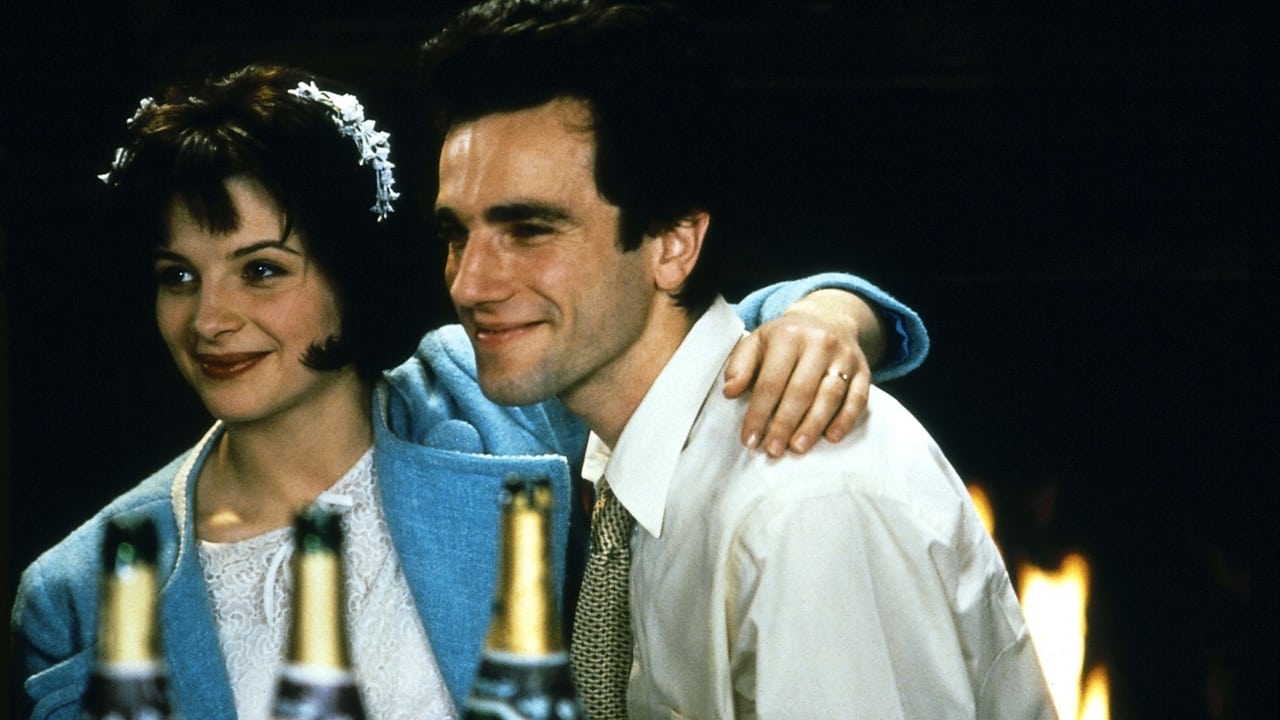
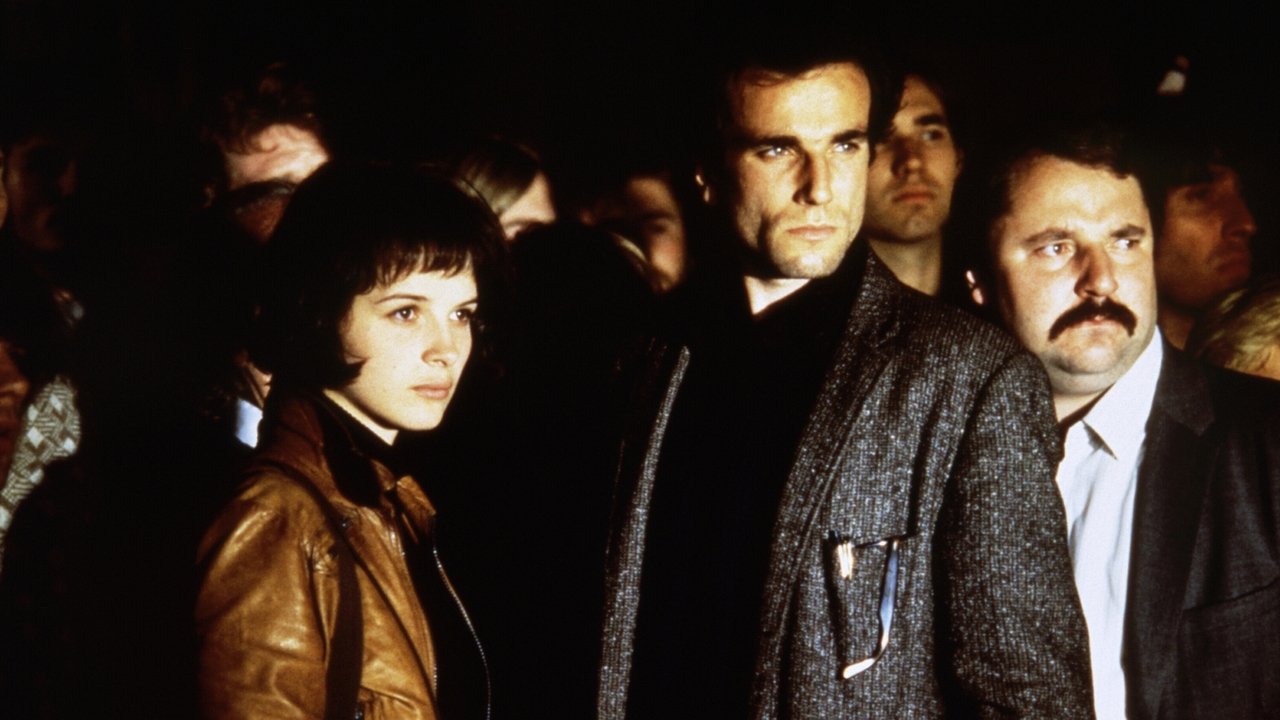
Adapting Kundera's philosophical exploration of love, politics, and existence was never going to be easy. The novel famously weaves essays and narrative, delving deep into the characters' internal landscapes and philosophical musings. How do you translate that interiority, that constant intellectual questioning, onto film? Kaufman, working with the legendary screenwriter Jean-Claude Carrière (a frequent collaborator with Luis Buñuel, which tells you something), opted for immersion. They plunge us directly into the lives of Tomas (Daniel Day-Lewis), a successful Czech surgeon and incorrigible womanizer living in Prague around 1968; Tereza (Juliette Binoche), the naive small-town waitress who falls deeply for him; and Sabina (Lena Olin), Tomas's sophisticated artist mistress who shares his aversion to commitment. The film doesn't shy away from the novel's challenging ideas – the concepts of 'lightness' (living without burden, commitment, or consequence) versus 'weight' (the gravity of choices, love, and responsibility) permeate every frame. While Kundera himself famously distanced himself from the adaptation, feeling it simplified his work (a common plight for authors, perhaps?), the film succeeds remarkably well on its own cinematic terms.
A Triangle Charged with Life
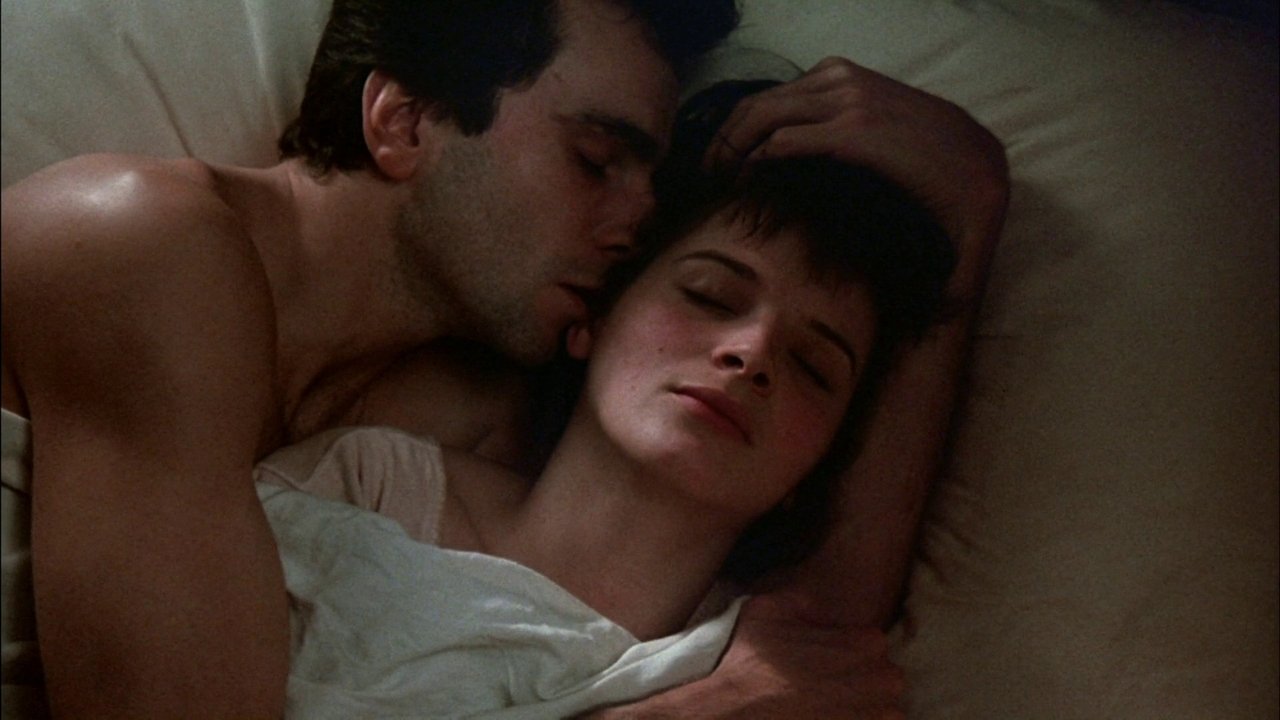
What truly anchors this sprawling narrative are the performances. Daniel Day-Lewis, already showcasing the intense dedication that would define his career (think My Left Foot just a year later), is magnetic as Tomas. He embodies the character's contradictions – the skilled healer who casually wounds others, the intellectual charmer terrified of emotional anchors. You see the allure, the ease with which he moves through the world, but also the hollowness it masks.
Then there's Juliette Binoche, in a role that truly announced her arrival on the international stage. Her Tereza is the film's beating heart. She radiates a vulnerability and a yearning for connection that is almost painful to watch. Her wide eyes absorb everything – the beauty of Prague, the casual cruelty of Tomas's infidelity, the terrifying reality of political upheaval. It’s a performance of raw, unvarnished emotion.
And Lena Olin as Sabina is captivating. She represents a different kind of freedom – artistic, intellectual, sexually liberated – yet finds herself equally constrained by her choices and the turbulent times. The chemistry between all three leads is palpable, making their complicated relationships feel utterly believable, even amidst the philosophical explorations.
Capturing an Era, Both Intimate and Epic
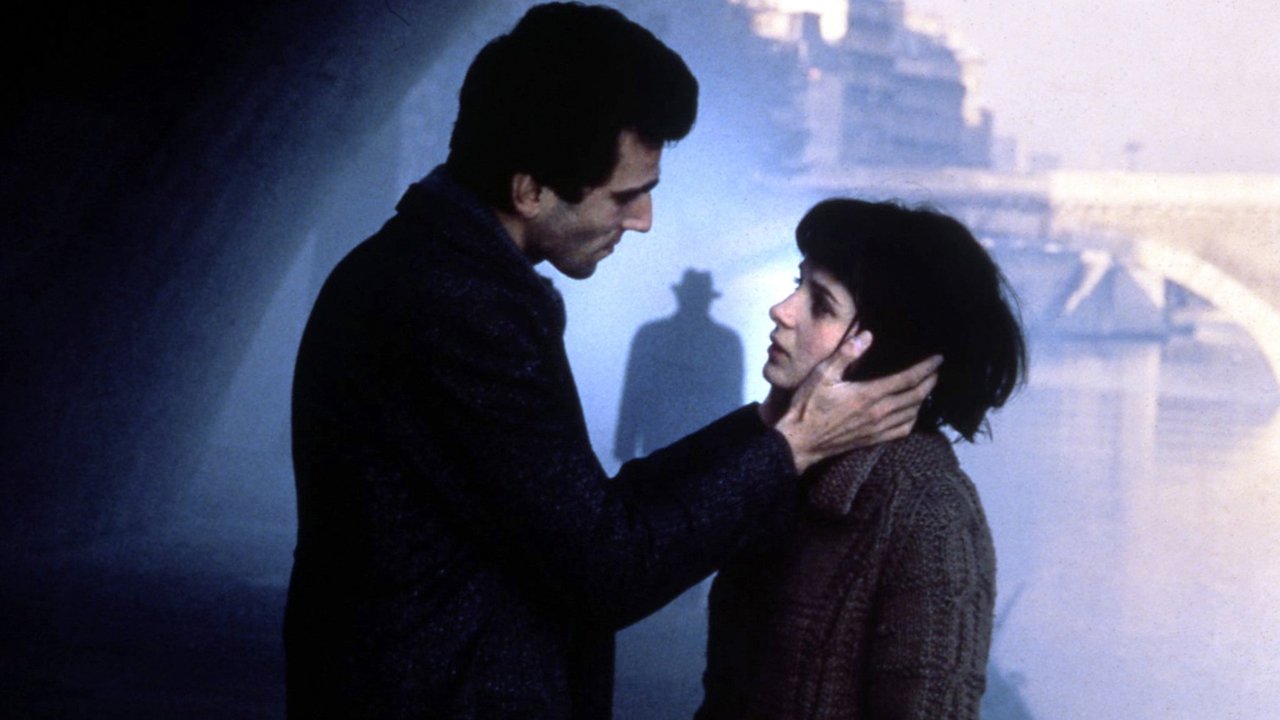
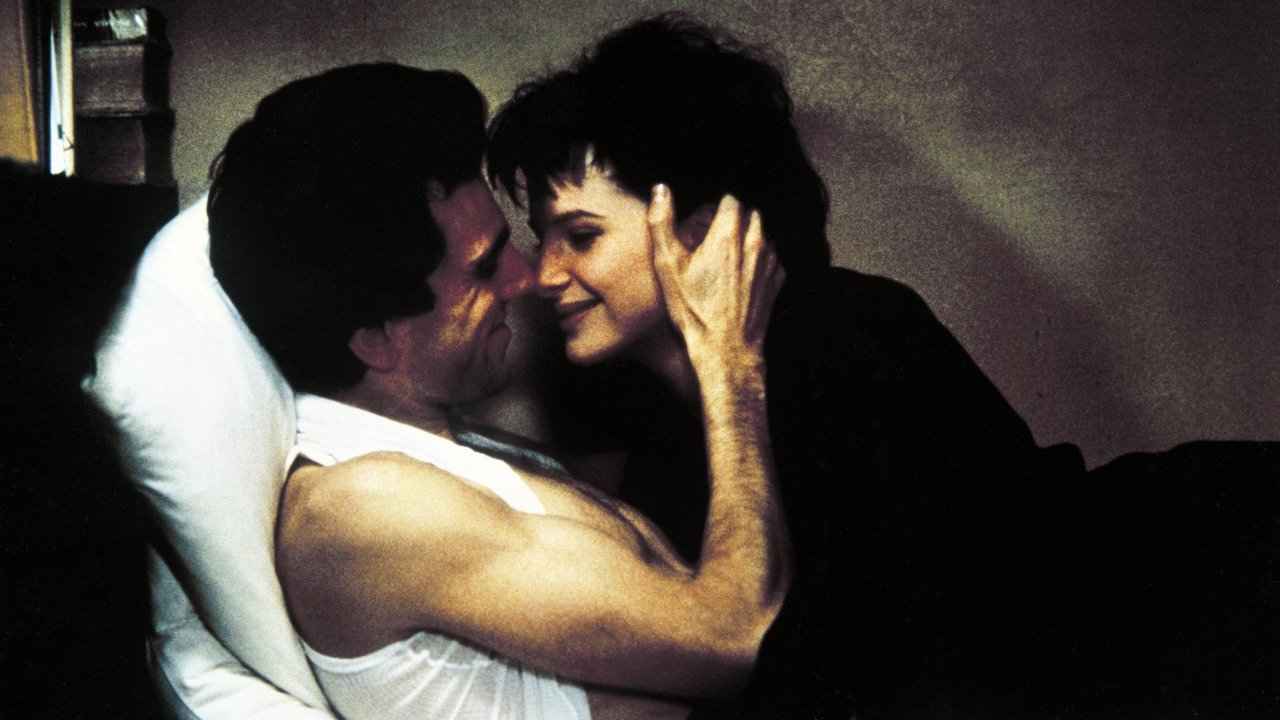
Visually, the film is stunning, thanks in no small part to the masterful eye of cinematographer Sven Nykvist, Ingmar Bergman's long-time collaborator. Nykvist brings a European art-house sensibility, bathing the intimate scenes in warm, sensual light while capturing the beauty of Prague (often recreated in Lyon and Paris, as filming in Soviet-controlled Czechoslovakia was impossible). The contrast is stark when history brutally intervenes. The sequence depicting the Soviet invasion – seamlessly integrating archival black-and-white footage with newly shot material – remains incredibly powerful. It’s not just a backdrop; the Prague Spring and its crushing end directly impact the characters' lives, forcing choices, separations, and compromises. It highlights how the 'lightness' Tomas seeks becomes impossible under the 'weight' of totalitarianism.
Echoes from the Cutting Room Floor (and Beyond)
Bringing such a complex, nearly three-hour film (171 minutes, a bold runtime even then) to fruition wasn't simple. Made for a respectable $17 million, it wasn't a box office smash in the US (grossing around $10 million), finding more of its audience, I suspect, through thoughtful viewers discovering it on VHS, perhaps intrigued by its Oscar nominations for Best Adapted Screenplay and Nykvist's gorgeous cinematography. It’s the kind of film that rewards patience, a slow burn that lingers long after the tape ejected. I distinctly remember the weight of the double-VHS rental box from my local store, feeling like I was holding something substantial, something important. It wasn't background viewing; it demanded engagement.
Why It Still Matters
Does The Unbearable Lightness of Being feel dated? Perhaps in its very specific late-80s European art film aesthetic. But its core questions? They remain timeless. How do we navigate love and freedom? What responsibility do we have to others, and to ourselves? How do political forces shape our most intimate choices? Watching Tomas grapple with commitment, seeing Tereza search for meaning, and witnessing Sabina strive for independence against a backdrop of historical upheaval… doesn't it echo challenges we still face, albeit in different contexts? The film doesn't offer easy answers, but its willingness to explore these messy, profound human dilemmas with intelligence and artistry is what makes it endure.
Rating: 8.5/10
This score reflects the film's sheer ambition, the breathtaking performances (especially from Binoche and Day-Lewis), Nykvist's stunning cinematography, and its intelligent grappling with complex themes. It successfully translates much of the spirit, if not the precise philosophical structure, of a notoriously difficult novel into a compelling cinematic experience. It might lose a point for occasional longueurs inevitable in its runtime and the inherent difficulty of fully capturing Kundera's voice, but it remains a remarkable achievement.
It’s a film that stays with you, a thoughtful, sensual, and ultimately moving exploration of what it means to live, love, and choose our path under the sometimes crushing, sometimes liberating weight of being human. Definitely one worth revisiting, or discovering if it somehow slipped past your radar back in the day.