Dust motes dance in the projector beam, but back then, it was the soft magnetic hum of the VCR and the fuzzy glow of the CRT. Some legends feel older than the crumbling pages they're written on, whispered warnings passed down through generations. The legend of Winthrop House, as recounted in 1988's The Unnamable, is one such tale – a chilling little nugget derived from the cosmic dread master himself, H.P. Lovecraft. This wasn't a blockbuster you rented with popcorn and friends; this was the tape you maybe grabbed on a whim, drawn by the evocative cover art, and watched alone in the dark, the flickering images painting shadows on your bedroom wall.
Whispers from a Haunted Past
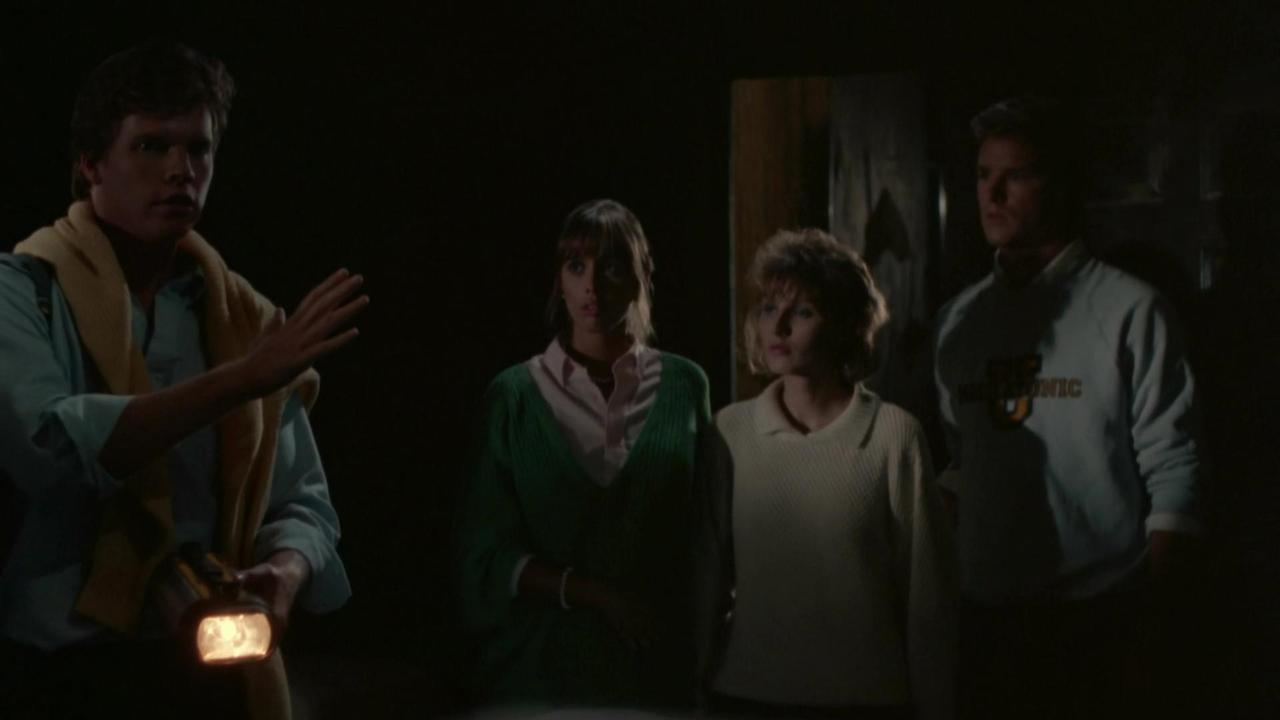
The setup is classic 80s horror fodder: Miskatonic University students, a cursed colonial mansion, and a dare. We have the intellectual Randolph Carter (Mark Kinsey Stephenson, embodying Lovecraft's recurring protagonist with earnest bookishness), obsessed with the local legend of a creature locked away centuries ago in the infamous Winthrop House. His foil is the perpetually skeptical jock, Howard Damon (Charles Klausmeyer), flanked by jock buddies and their respective dates (Alexandra Durrell as Tanya, Laura Albert as Wendy). When Carter recounts the gruesome history – a creature born of dark rites, locked away, its very name too dreadful to utter – the others scoff. Naturally, a late-night trip to the source of the terror is proposed. What could possibly go wrong? Director Jean-Paul Ouellette, adapting Lovecraft's brief 1923 short story, stretches the thin narrative into a feature, relying heavily on atmosphere to fill the gaps.
Cobwebs and Dread on a Budget
And atmosphere, The Unnamable delivers in spades, especially considering its meager resources (reportedly made for around $250,000 – peanuts even then!). Forget slick Hollywood gloss; this film feels genuinely grimy. Much of its power comes from the oppressive setting – the real-life location filming in Massachusetts lends an undeniable authenticity. The Winthrop House isn't just a set; it feels like a place steeped in decay and sorrow, its darkened corridors and dust-choked rooms breathing a palpable sense of history and unease. Ouellette wisely leans into the shadows, using low-key lighting and claustrophobic framing to maximize tension. The sound design, filled with creaks, whispers, and unsettling scuttling noises just off-screen, amplifies the sense that something ancient and monstrous truly lurks within these walls. It taps directly into that primal fear of the dark and the unknown hiding just beyond our sight – a hallmark of effective low-budget horror.
Bringing the Unspeakable to Life
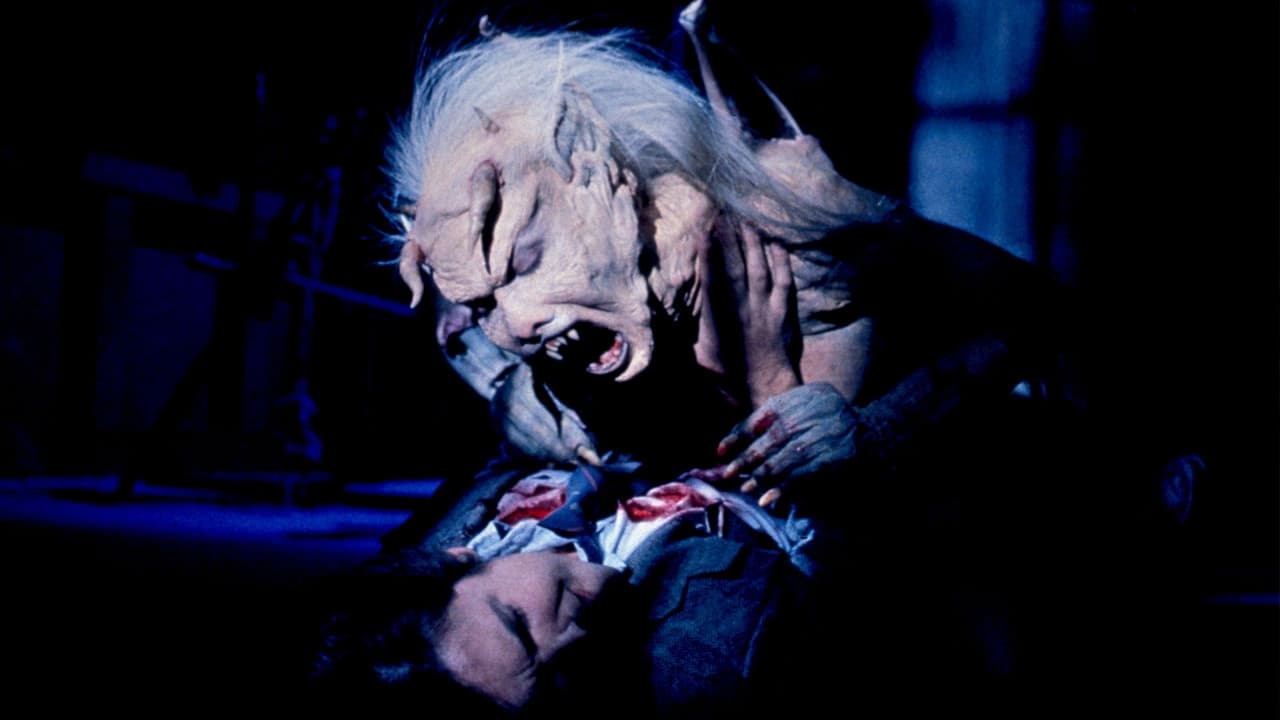
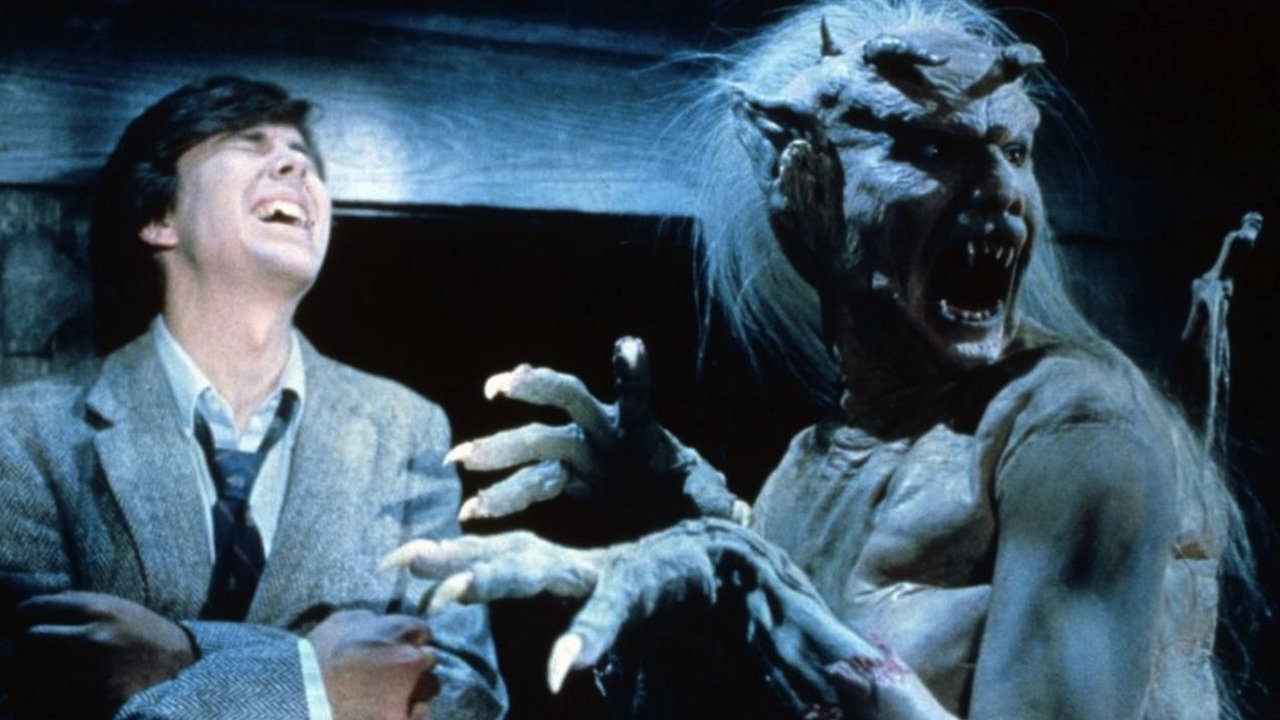
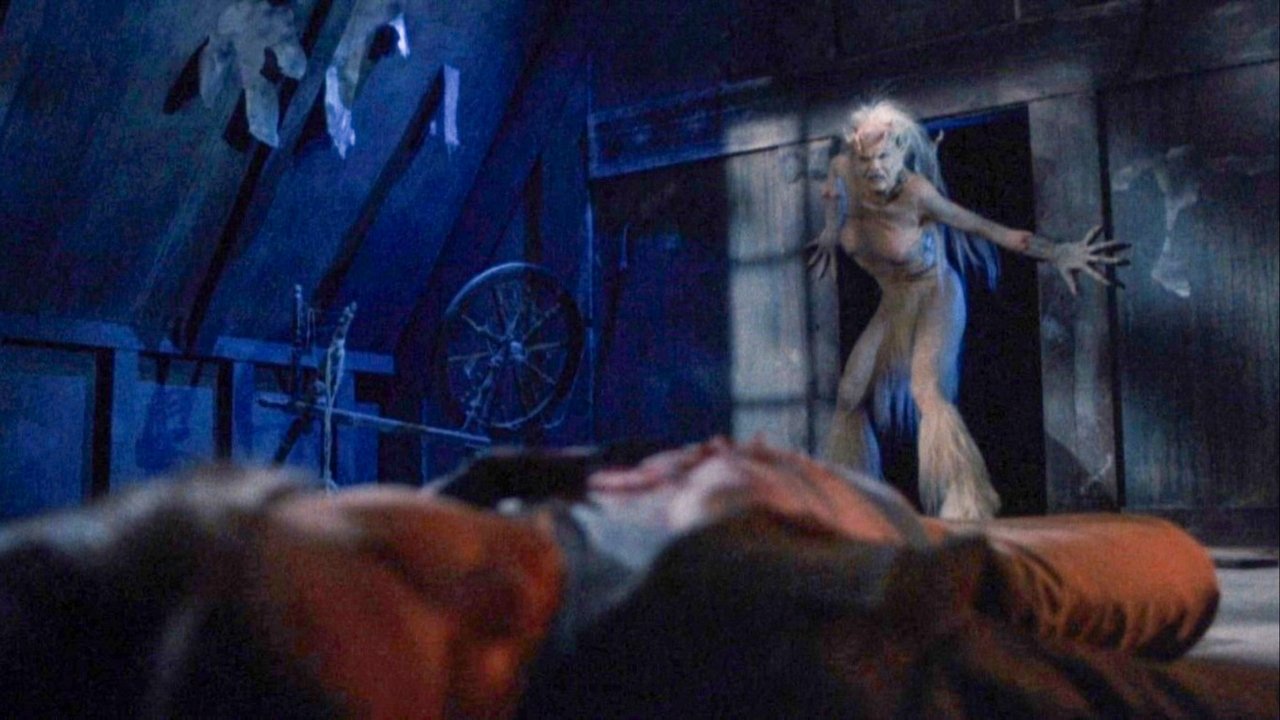
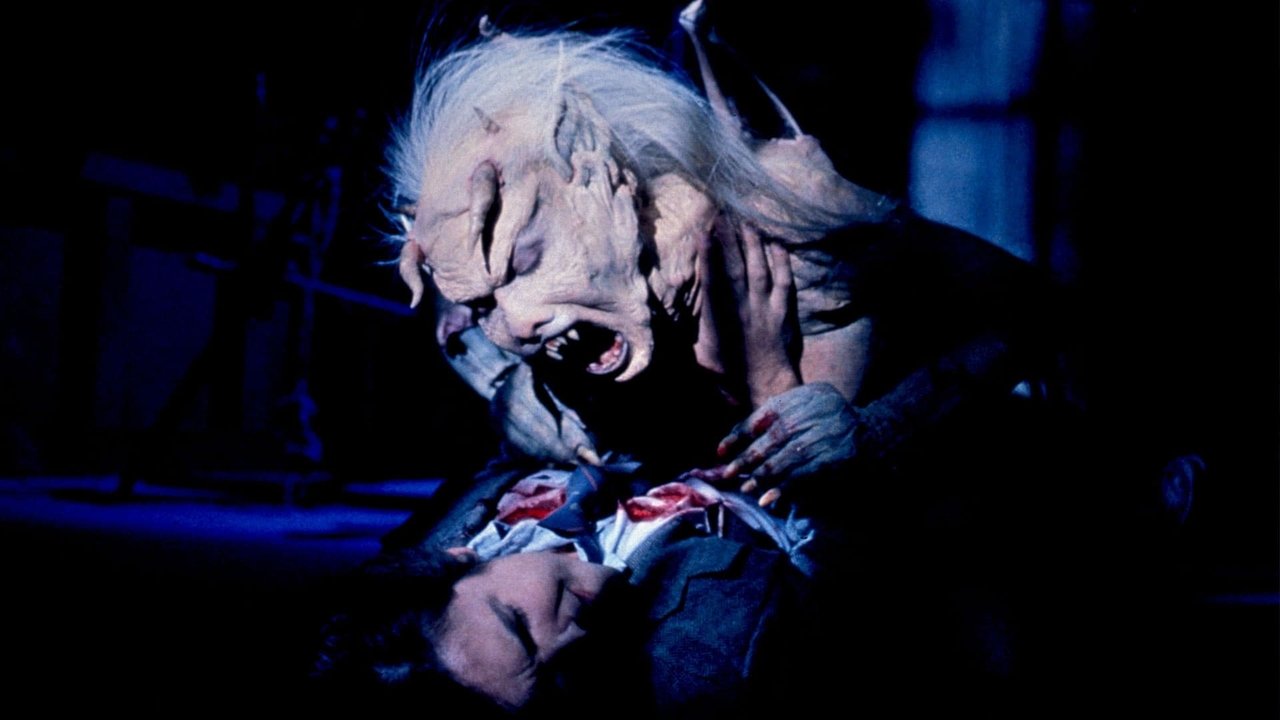
Of course, the elephant (or rather, the winged, taloned horror) in the room is the creature itself. Bringing any Lovecraftian entity to the screen is a challenge; capturing something meant to be maddeningly indescribable is doubly so on a shoestring budget. Yet, the practical creature effects here are surprisingly effective, particularly for the era. When Alyda Winthrop, the titular "Unnamable" (brought to life with surprising physicality by Katrin Alexandre inside the suit), finally emerges, she’s a genuinely unnerving presence. The design – gaunt, demonic, with leathery wings and vicious claws – feels ripped from a particularly nasty nightmare. Sure, viewed today, you can see the rubber and latex, but back on a fuzzy VHS, glimpsed in flashes of lightning or the weak beam of a flashlight? It worked. It felt tangible, dangerous, and refreshingly non-cgi. Doesn't that practical, physical menace still carry a certain weight missing from smoother, digital creations? There's a visceral quality to knowing something was physically there on set with the actors.
Campus Legends and VHS Afterlife
The performances are... well, typical of the budget and era. Stephenson sells Carter's nerdy intensity, and Klausmeyer does his best as the cynical counterpoint, but the dialogue occasionally dips into the functional, and the supporting cast often feels like archetypal slasher victims-in-waiting. Yet, this somehow adds to the film's charm, fitting the B-movie aesthetic perfectly. It feels like a story being told, perhaps embellished, by college students themselves.
Digging into the production reveals the usual low-budget ingenuity. The effectiveness of the creature and setting owes much to making the most of limited means. While it barely made a ripple theatrically, The Unnamable found its true home on video store shelves, becoming a minor cult favorite for horror fans hungry for creature features and atmospheric chills. I distinctly remember the stark cover art leaping out from the horror section, promising something genuinely monstrous. Its quiet success even spawned a sequel, The Unnamable II: The Statement of Randolph Carter (1992), which brought Carter back for another round, leaning even more into the Lovecraftian lore.
The Verdict
The Unnamable isn't high art, nor is it a flawless adaptation of Lovecraft's Cthulhu Mythos. Its narrative is simple, stretched thin from the source material, and the acting is serviceably B-grade. However, what it lacks in polish, it often makes up for with genuinely creepy atmosphere, a memorable practical creature design, and an earnest commitment to its chilling premise. It captures that specific late-80s direct-to-video horror vibe perfectly – slightly rough around the edges, but possessing a dark heart and a willingness to deliver the spooky goods. It understands the power of suggestion, the fear inherent in an old dark house, and the unnerving potential of bringing something truly otherworldly into our reality.
Rating: 6/10
Justification: The score reflects the film's undeniable atmospheric strengths and surprisingly effective creature work, especially given the budget limitations (points up). However, it's held back by a thin plot stretched from a very short story, uneven pacing in the middle act, and performances that range from earnest to standard B-movie level (points down). It succeeds more as a spooky mood piece and creature feature than a complex narrative, but nails the VHS-era horror vibe.
For fans of 80s horror obscurities, practical effects monsters, and atmospheric dread on a dime, The Unnamable remains a worthwhile descent into the shadows – a dusty relic from the VHS shelves that still holds a surprising amount of chilling power.