There's a certain kind of heat that doesn't just press down on your skin; it seeps into your bones, wilts your resolve, and seems to bake the very morality out of the air. That's the oppressive, inescapable atmosphere of Bourkassa, French West Africa, in 1938, the setting for Bertrand Tavernier's simmering, cynical masterpiece, Coup de Torchon (1981). Watching it again after all these years, far removed from the flickering glow of a CRT screen fed by a well-worn VHS tape, the film’s power hasn't diminished. If anything, its bleak observations feel disturbingly resonant.
The Rot Beneath the Sun
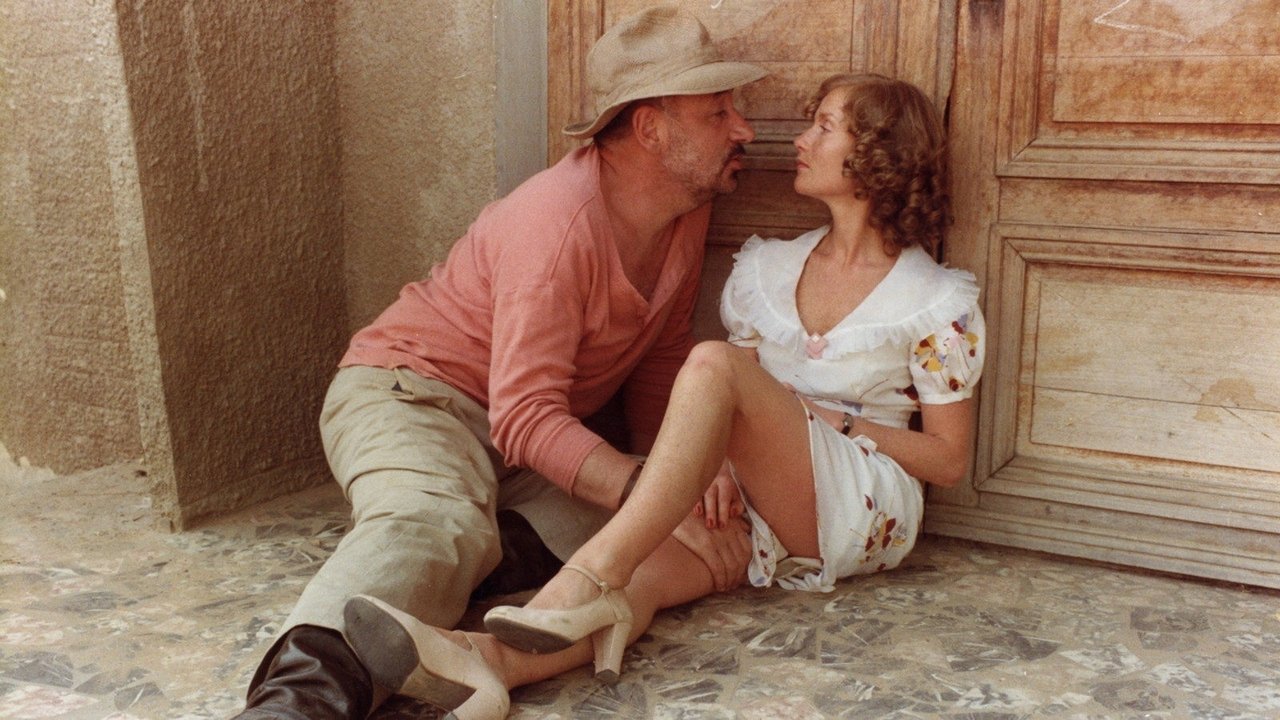
Forget any romantic notions of colonial adventure. Tavernier, working with legendary screenwriter Jean Aurenche (Forbidden Games, The Clockmaker), crafts a world soaked in sweat, dust, and casual degradation. We are introduced to Lucien Cordier, the local police chief, played with devastating brilliance by the great Philippe Noiret (Cinema Paradiso, Il Postino). Cordier isn't a figure of authority; he's the town doormat. His wife Huguette (Stéphane Audran) openly cheats on him, local pimps like Le Péron (Jean-Pierre Marielle) and his brother mock him relentlessly, and his fellow colonists treat him with lazy contempt. He absorbs insults and humiliation with a kind of weary, almost pathetic resignation. You watch him, initially, with a strange mix of pity and discomfort.
A Worm Turns, Devastatingly
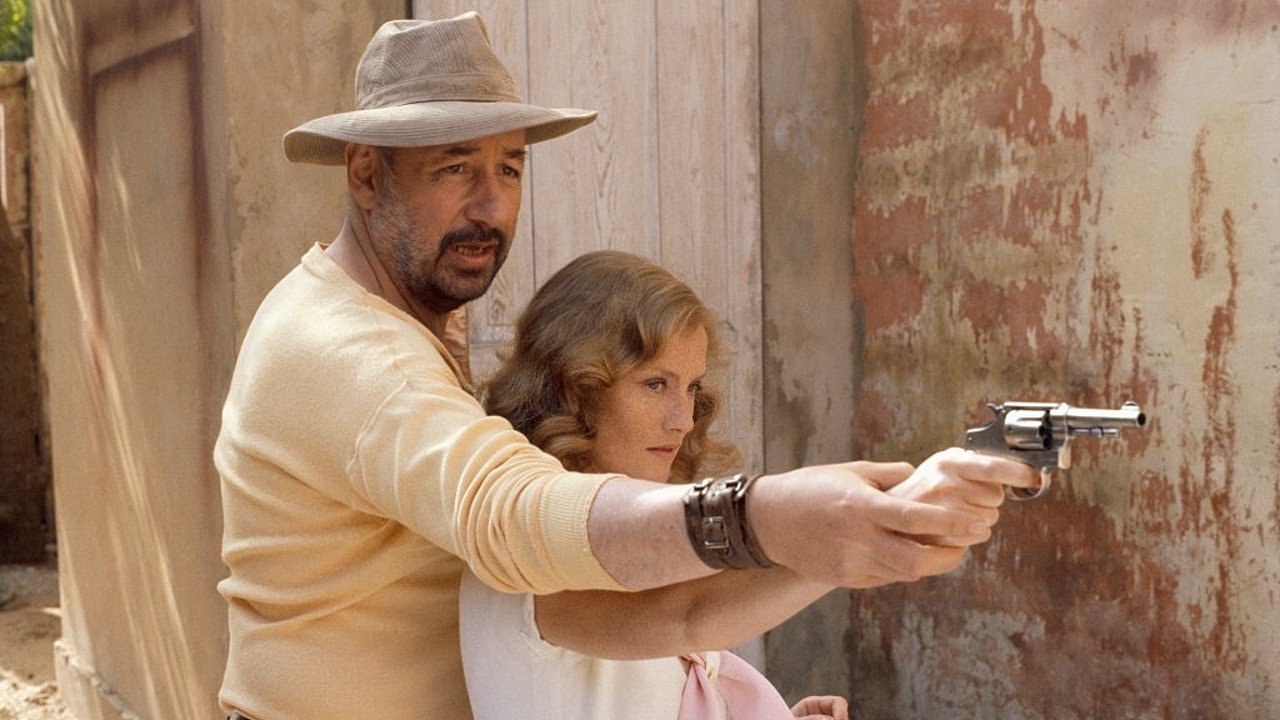
But beneath Cordier's seemingly spineless exterior, something curdles and snaps. Pushed too far by his superiors and tormented by the townsfolk, he doesn't just lash out; he begins a methodical, chilling campaign of extermination. What makes Noiret's performance so utterly compelling, and frankly terrifying, is the lack of dramatic transformation. He doesn't suddenly become a snarling villain. Instead, the pre-existing meekness twists into a mask for calculated cruelty. The same shuffling gait, the same mumbled observations, now accompany cold-blooded murder. He wipes out his tormentors with an almost banal efficiency, often framing others or relying on the ingrained racism and incompetence of the colonial system to shield himself. It's a performance devoid of vanity, plumbing the depths of human weakness and its potential for monstrousness. How can someone seem so utterly pathetic and yet so deeply dangerous simultaneously? Noiret embodies this paradox perfectly.
Transplanting Noir's Dark Heart
One of the film's strokes of genius – and a key piece of its enduring power – lies in its audacious adaptation. Coup de Torchon is based on Jim Thompson's pulpy, nihilistic novel Pop. 1280, originally set in the American South. Tavernier's decision to transpose the story to French Colonial Africa is inspired. It wasn't just a change of scenery; it fundamentally reframed the narrative. The inherent power imbalances, the simmering racial tensions, and the moral vacuum of colonial rule provide fertile, poisoned soil for Thompson's tale of a worm turning. Retro Fun Fact: Tavernier specifically chose Senegal for filming as he felt it retained more of the authentic 1930s atmosphere he needed than other potential locations, despite the logistical hurdles this presented. The oppressive heat and the vast, indifferent landscape become characters in themselves, amplifying Cordier's existential decay. The title itself, Coup de Torchon, translates literally to "blow of the dishcloth" but idiomatically means "clean slate" or "wiping out" – a grimly fitting description of Cordier's deadly project.

A Gallery of Grotesques
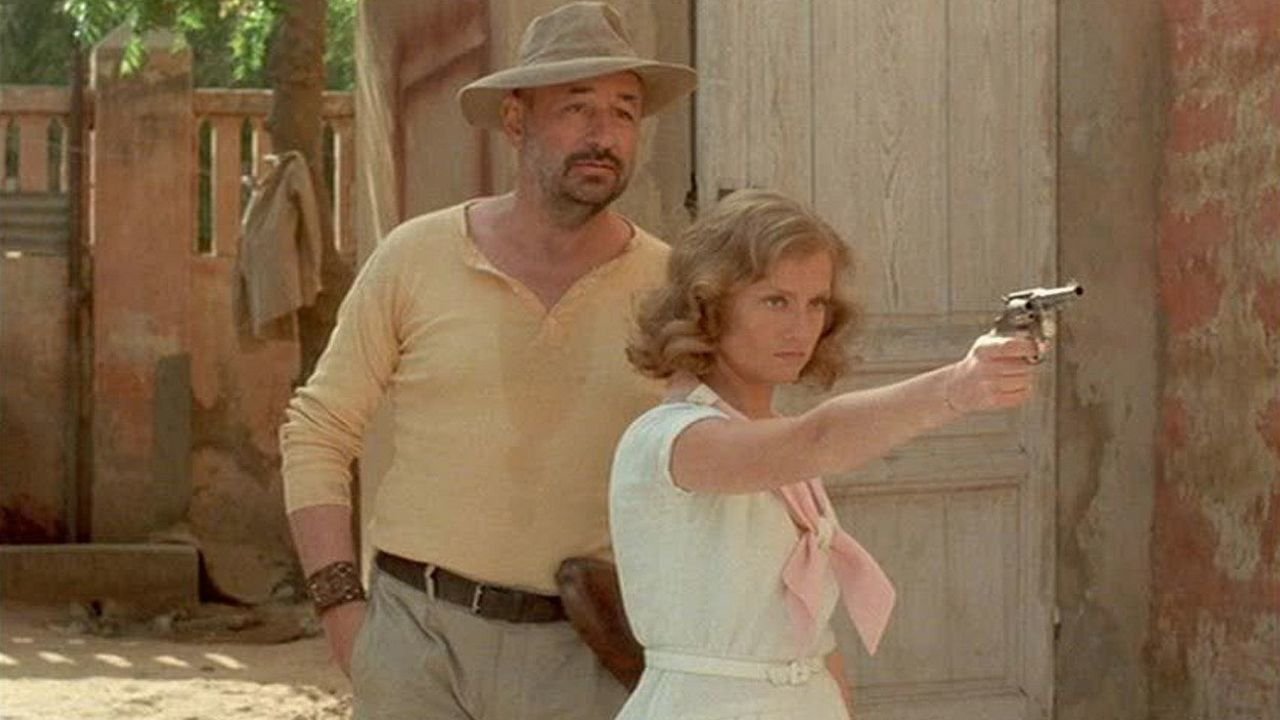
Surrounding Noiret is a cast that fully commits to the film's corrosive vision. Isabelle Huppert (The Piano Teacher, Elle), even early in her incredible career, is magnetic as Rose, Cordier's sharp, calculating mistress who sees through his facade yet becomes entangled in his deadly games. Jean-Pierre Marielle is suitably odious as the bullying pimp, embodying the petty cruelty that thrives in this environment. Each character feels tainted by the setting, complicit in the small town's festering corruption, whether actively or passively. Their interactions weave a complex web of desire, resentment, and exploitation, making Cordier's eventual actions feel less like an aberration and more like the inevitable outcome of a rotten system.
Beyond the Violence
While the film contains acts of sudden, shocking violence, its true horror lies in its psychological and philosophical implications. What happens when the designated enforcer of law becomes its most cynical transgressor? How thin is the veneer of civilization, especially under the pressures of colonial power and personal humiliation? Tavernier doesn't offer easy answers. He presents Cordier's descent with a detached, almost anthropological coolness, forcing us to confront uncomfortable truths about the darkness lurking beneath seemingly ordinary surfaces. The film's pacing is deliberate, allowing the atmosphere and the characters' moral ambiguities to fester. Trivia Tidbit: Philippe Noiret reportedly hesitated before accepting the role, finding Cordier profoundly unpleasant. It took Tavernier's persuasion to convince him to tackle such a complex and disturbing character – a decision that resulted in one of his most iconic performances.
The film garnered significant critical acclaim upon release, even earning an Academy Award nomination for Best Foreign Language Film. It wasn't, perhaps, the kind of film one rented for light Friday night entertainment back in the VHS days – its bleakness is palpable. But finding it nestled amongst the action flicks and comedies on the rental shelf felt like uncovering something potent, a challenging piece of cinema that burrowed under your skin.
Rating: 9/10
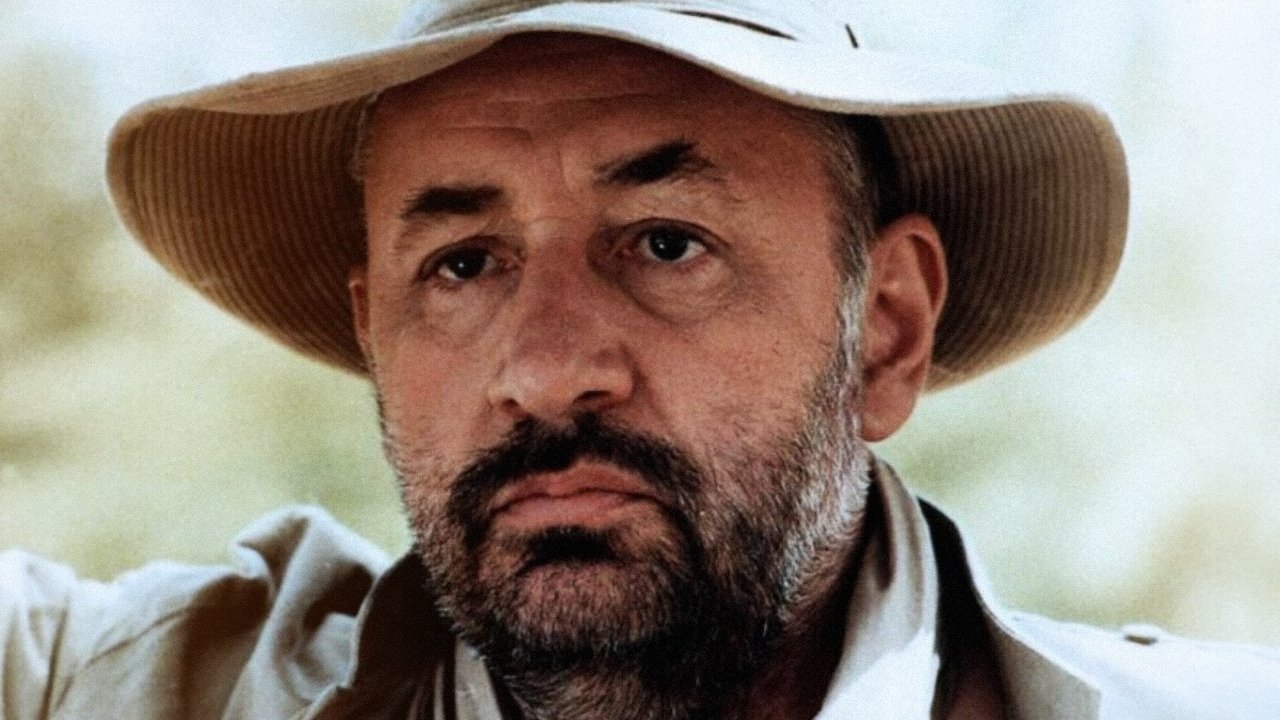
This score reflects the film's near-perfect execution. Philippe Noiret's central performance is masterful, Bertrand Tavernier's direction is assured and atmospheric, and the adaptation's relocation is a stroke of genius that elevates the material. The supporting cast is uniformly excellent, and the film's exploration of dark themes is unflinching and intelligent. It's a demanding watch, certainly, its cynicism profound, but its artistry and impact are undeniable.
Coup de Torchon remains a towering achievement in French cinema, a haunting exploration of moral collapse that feels chillingly relevant. It leaves you pondering not just the crimes on screen, but the insidious ways societies – and individuals within them – can rot from the inside out. What lingers most is the quiet horror of recognizing the potential for Lucien Cordier within the fabric of the everyday.