It starts with an explosion, doesn't it? A man, impeccably dressed, hurled through the air amidst fire and twisting metal, set against the neon cathedral of Las Vegas. That explosive opening to Martin Scorsese's 1995 epic Casino isn't just a literal bang; it's the overture to a nearly three-hour opera of greed, ambition, betrayal, and the slow, brutal implosion of an empire built on shifting sands and skimmed cash. Pulling this double-VHS tape off the rental shelf back in the day felt like committing to something substantial, an event, and the film delivered an experience just as vast and overwhelming as the city it depicted.
The Glimmering Mirage
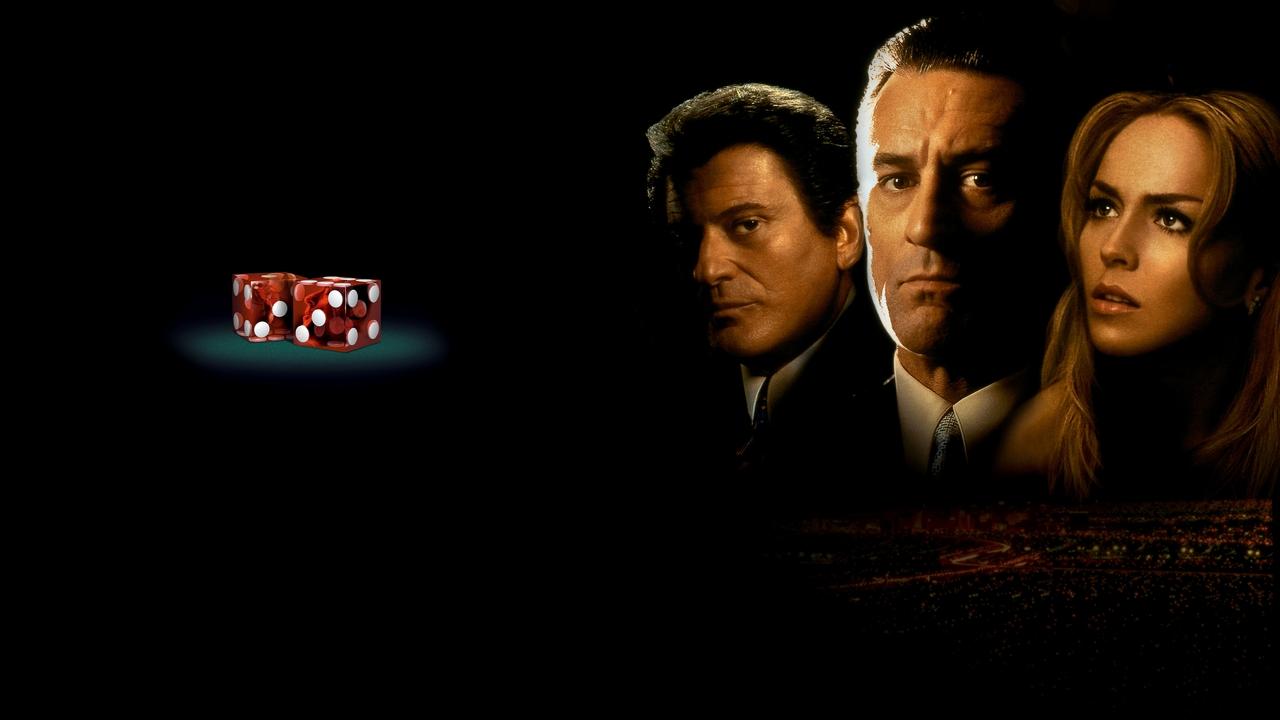
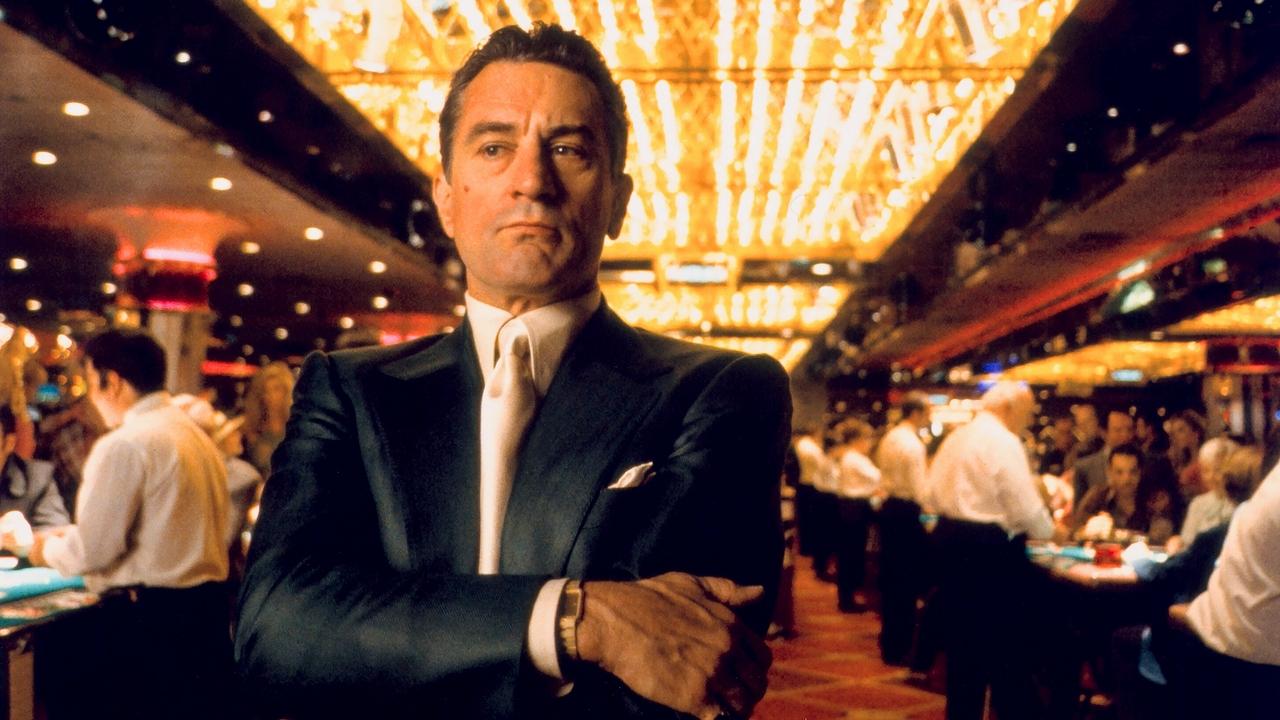
Based on the non-fiction book by Nicholas Pileggi (who co-wrote the screenplay with Scorsese, reteaming after the monumental Goodfellas five years earlier), Casino plunges us into the meticulously managed world of Sam "Ace" Rothstein (Robert De Niro). He’s the mob's man in Vegas, a genius handicapper turned casino manager, running the Tangiers with obsessive precision. Everything is accounted for, every angle covered. Scorsese masterfully uses voiceover – shared between Ace and his volatile childhood friend, Nicky Santoro (Joe Pesci) – to peel back the layers of this glittering world, revealing the cold, calculated machinery beneath the glamour. The camera, guided by the brilliant Robert Richardson, glides through the casino floor, lingers on the counting rooms, and captures the intoxicating allure and inherent corruption of it all. You can almost smell the stale cigarette smoke and cheap perfume.
A Triangle Forged in Hell
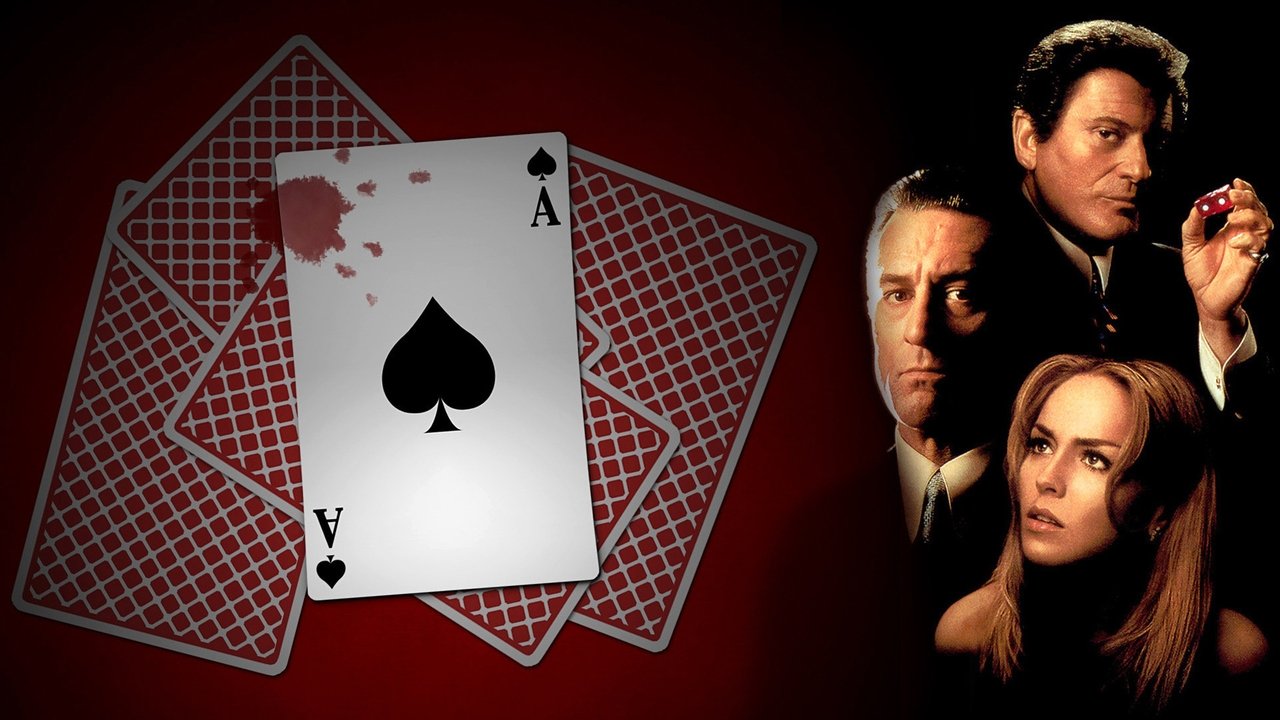
At the heart of Casino isn't just the mechanics of the mob's Vegas operation, but a destructive human triangle. De Niro embodies Ace's controlled facade, a man who believes he can manage percentages even in matters of the heart. His methodical nature, his obsession with detail – it’s a performance built on simmering intensity rather than outward explosions, a perfect counterpoint to what's coming. Enter Ginger McKenna (Sharon Stone), a high-stakes hustler who catches Ace’s eye. Stone’s performance is a revelation, arguably the finest of her career, earning her a well-deserved Oscar nomination. She charts Ginger’s tragic arc from calculating survivor to desperate, spiraling addict with breathtaking vulnerability and raw power. We see the allure, the manipulation, but also the deep wells of pain and insecurity that Ace tragically misreads as controllable variables. You can’t help but wonder, could any man truly possess Ginger, or was she always destined to be consumed by the life?
And then there's Nicky. Pesci, reuniting with Scorsese and De Niro, delivers a performance that weaponizes the psychopathic energy he unleashed in Goodfellas. Nicky Santoro is pure, unrestrained id – violent, greedy, and utterly loyal only to his own impulses. He arrives in Vegas as Ace's muscle and quickly becomes his biggest liability, drawn to the street-level crime Ace meticulously avoids. Pesci is terrifying because he makes Nicky’s brutality seem so casual, so deeply ingrained. The tension between Ace’s desire for control and Nicky’s penchant for chaos becomes the film's ticking time bomb.
The Devil's in the Details
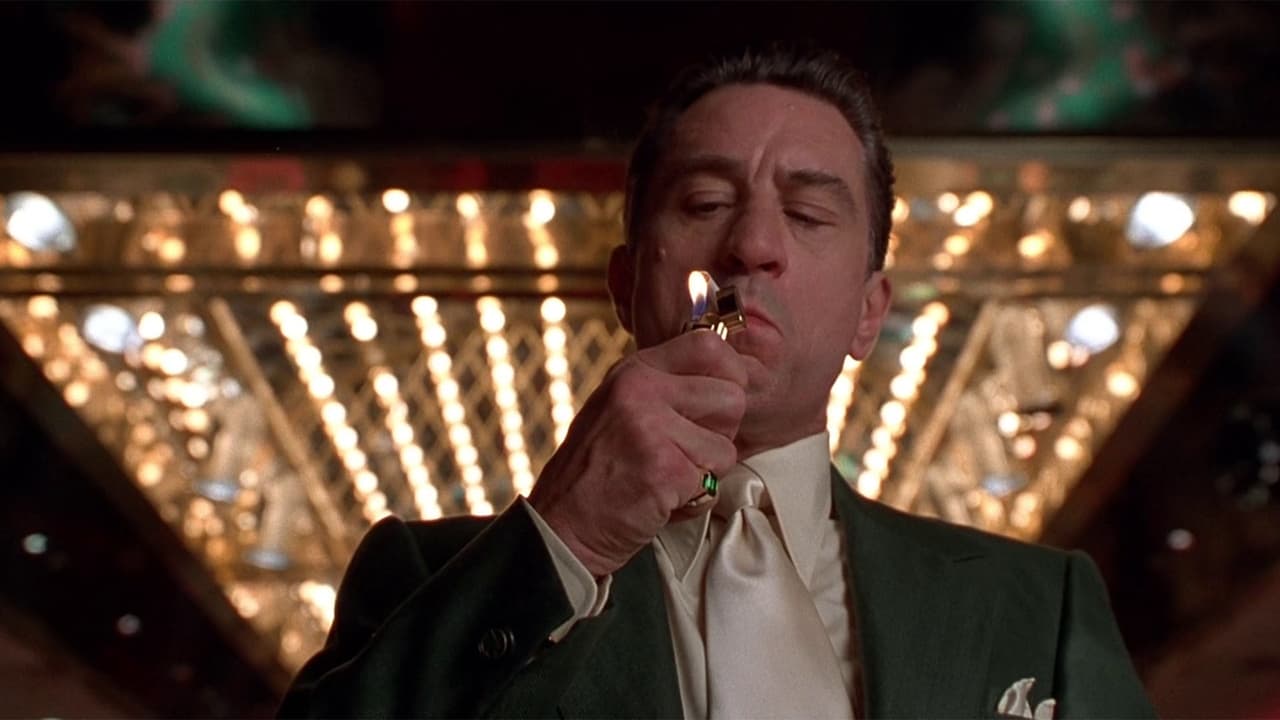

Scorsese is a master craftsman, and Casino is a testament to his obsessive attention to detail, mirroring Ace's own fixation. The period detail is immaculate, transporting us directly to the Vegas of the 70s and early 80s. The soundtrack is wall-to-wall perfection, a curated jukebox that underscores the mood, comments on the action, and propels the narrative forward. And the costumes – particularly Ginger's wardrobe, reportedly involving around 70 changes and a million-dollar budget – are characters in themselves, reflecting her shifting status and psychological state. It's a feast for the senses, almost overwhelming in its richness.
Digging into the production reveals fascinating tidbits that enrich the viewing. Much of the film was shot in the famed Riviera casino during the early morning hours to minimize disruption, lending an air of authenticity you just can't fake. The characters of Ace and Nicky were directly based on real-life figures Frank "Lefty" Rosenthal and Tony "The Ant" Spilotro, whose tumultuous relationship and downfall formed the basis of Pileggi's book. Knowing this adds another layer of chilling realism to the betrayals and violence depicted on screen. Even the infamous head-in-a-vise scene, gruesome as it is, was reportedly toned down from Spilotro's real-life alleged methods. It's a reminder that the glamour always hid something deeply rotten.
Legacy of Excess
Coming after Goodfellas, Casino inevitably faced comparisons, with some critics at the time finding it perhaps too similar in structure and theme. Yet, viewed decades later, it stands on its own as a distinct, arguably colder and more sprawling examination of the corrosive nature of unchecked power and greed. Where Goodfellas chronicled the exhilarating rise and messy fall of street-level hoods, Casino dissects the more "legitimate," corporate face of organized crime and its inevitable decay from within. It’s less about the thrill of the life and more about the suffocating weight of maintaining it. Its nearly three-hour runtime, which might have seemed daunting on that double-VHS set, feels necessary to capture the epic scope of this rise and fall. What truly lingers after the credits roll isn't just the violence or the spectacle, but the profound sense of loss – the squandered potential, the broken relationships, the paradise paved over.
Rating: 9/10
Casino is a sprawling, dazzling, and ultimately devastating masterpiece. While its length and relentless exploration of human fallibility might test some viewers, the sheer force of Scorsese's direction, the powerhouse performances (especially Stone's career-best work), and the meticulous craft make it essential viewing. It might tread thematic ground familiar from Goodfellas, but it does so with a unique sense of operatic grandeur and chilling consequence, perfectly justifying its epic scope and runtime. The violence is brutal, the characters often repellent, yet the filmmaking is so virtuosic, so utterly compelling, that it's impossible to look away.
It remains a potent reminder of a Vegas that no longer exists, and a stark exploration of the fact that even in a city built on illusion, the house – eventually, inevitably – always wins. And sometimes, it takes everything with it.