There's a certain quiet dignity that radiates from some films, a gentle insistence on exploring the smaller, deeply human moments that often get lost in the cinematic shuffle. Watching Stanley & Iris (1990) again recently, whisked back via that familiar whir of a VCR, felt like rediscovering one of those unassuming gems. It doesn't shout its themes from the rooftops; instead, it invites you into the lived-in spaces of its characters, asking you to simply observe, understand, and maybe even recognize a piece of yourself or someone you know.
A Story Etched in Factory Soot and Kitchen Tables
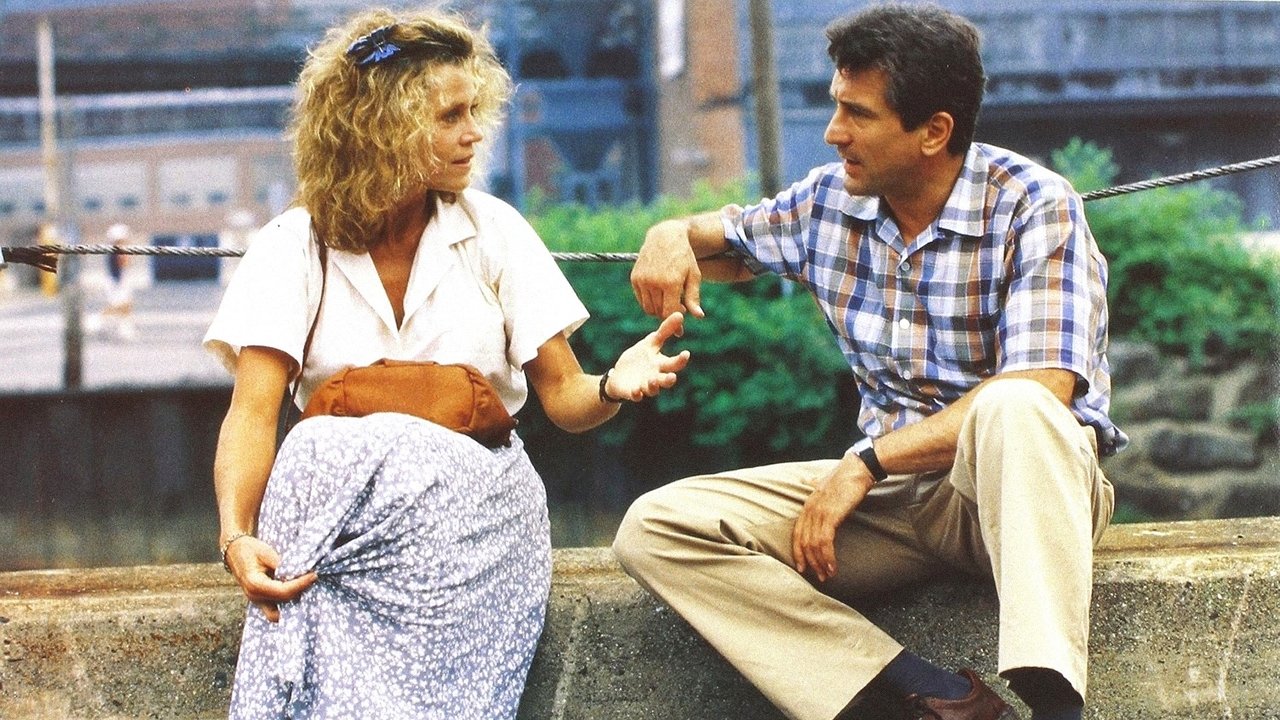
Set against the backdrop of a working-class New England town (primarily filmed in Waterbury, Connecticut, lending it an authentic, slightly worn feel), the film introduces us to Iris King (Jane Fonda), a widow working a demanding job at a large commercial bakery to support her family. Life is a grind, marked by routine and the ever-present struggle to make ends meet. Into her orbit comes Stanley Cox (Robert De Niro), a cook in the bakery's cafeteria – shy, observant, and carrying a secret that soon becomes Iris's concern: Stanley cannot read or write. This revelation isn't played for melodrama; it unfolds with a quiet realism that feels earned, grounding the film's central conflict in genuine human vulnerability.
What follows is not a whirlwind romance, but a tentative, slowly blossoming connection built on trust and shared vulnerability. Iris, initially hesitant, takes it upon herself to teach Stanley, unlocking not just the written word but also layers of shame and isolation he’s carried for years. Their lessons, often happening at Iris's kitchen table after long shifts, become the heart of the narrative – intimate, sometimes frustrating, but always deeply affecting.

Two Legends Finding Quiet Truth
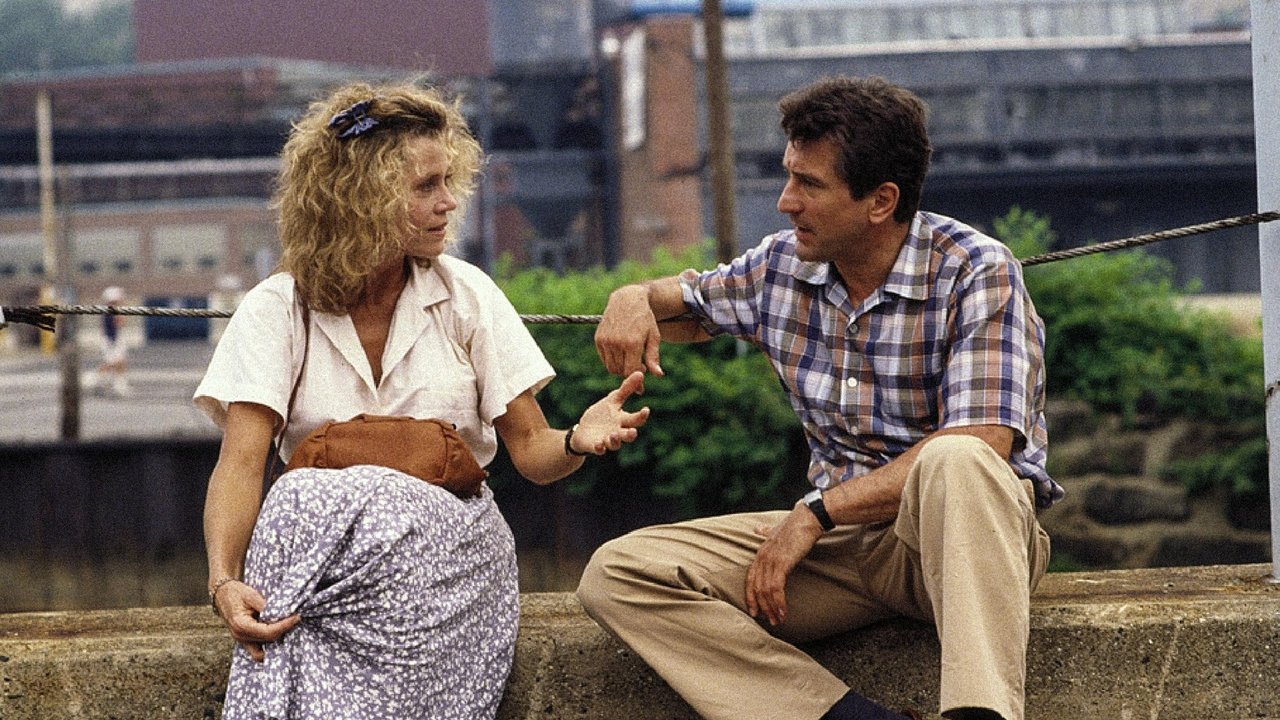
The casting of Jane Fonda and Robert De Niro might initially seem like powerhouse overkill for such a modest story. We remember Fonda rallying crowds in The China Syndrome (1979) or embracing aerobics, and De Niro embodying explosive intensity in films like Raging Bull (1980) or Goodfellas (released the same year, 1990!). Yet, here, they strip away the cinematic bravado to deliver performances of remarkable restraint and empathy.
Fonda embodies Iris with a weary resilience. She’s not just a grieving widow or a determined teacher; she’s a woman navigating complex family dynamics (including a supportive but sometimes meddling sister, played effectively by Swoosie Kurtz), financial insecurity, and the tentative possibility of new love. There’s a strength in her quiet determination that feels utterly believable. De Niro, often celebrated for his transformative, sometimes terrifying roles, finds a different kind of transformation here. His Stanley is gentle, intelligent, and deeply wounded by his illiteracy. De Niro conveys Stanley’s shame, frustration, and eventual blossoming confidence through subtle shifts in posture, hesitant glances, and the careful modulation of his voice. It’s a performance that reminds us of his incredible range, proving he could be just as compelling in quiet contemplation as in explosive confrontation. Their chemistry is subtle, built more on mutual respect and understanding than overt passion, which feels right for these characters and their circumstances.

A Veteran Director's Poignant Farewell
Behind the camera was the legendary Martin Ritt, a director known for his socially conscious films often centered on ordinary people facing extraordinary challenges. Think Hud (1963) or the Fonda-starring union drama Norma Rae (1979). Stanley & Iris marked Ritt’s final directorial effort before his passing later in 1990, lending the film an added layer of poignancy. It was also the final collaboration for his long-time screenwriting partners, Irving Ravetch and Harriet Frank Jr., who adapted Pat Barker's novel "Union Street." Their shared history in telling grounded, character-driven stories shines through. Ritt’s direction is unobtrusive, allowing the performances and the quiet unfolding of the narrative to take center stage. He captures the atmosphere of the town and the factory floor with an unfussy realism, making the environment itself almost a character – shaping the lives and limiting the horizons of those within it.
Perhaps one reason Stanley & Iris feels like a half-remembered film for many is its modest performance at the box office. Pulling in just under $6 million domestically against a $23 million budget, it was overshadowed by flashier releases. It wasn't the kind of film that generated massive opening weekend buzz; it was more of a word-of-mouth discovery, the kind of tape you might pick up at the rental store based on the star power, only to find something quieter and more thoughtful than expected. I distinctly remember renting this, likely drawn by Fonda and De Niro, and being surprised by its gentle pace and emotional honesty.
The Enduring Power of Connection
Does the film feel a little dated in places? Perhaps. The pacing is deliberate, reflecting a style less common today. Some plot points might resolve a bit too neatly. But the core message – the profound impact of literacy, the importance of human connection in overcoming adversity, the quiet dignity of working-class lives – remains resonant. It tackles adult illiteracy not as a plot device, but as a real barrier affecting millions, exploring the courage it takes to confront it and the compassion needed to help.
What lingers most after the credits roll isn't a dramatic flourish, but the quiet triumph of Stanley learning to write his own name, or the simple comfort Iris and Stanley find in each other's presence. It’s a film that champions empathy and patience, suggesting that sometimes the biggest changes start with the smallest gestures of kindness.
Rating: 7/10
Stanley & Iris earns its 7 not for being flashy or groundbreaking, but for its sincerity, its grounded performances from two cinematic titans exploring vulnerability, and its gentle handling of significant themes. It’s a character study first and foremost, carried by the believable portrayals from Fonda and De Niro under Martin Ritt's sensitive direction. While perhaps too quiet and conventionally structured for some tastes, its warmth and exploration of adult illiteracy give it a quiet power that stays with you.
A thoughtful, humane drama that might just surprise you if you missed it back in the day, or reward you with its quiet depth upon a revisit. It’s a reminder that sometimes, the most compelling stories are found not in grand gestures, but in the simple act of one person helping another learn to read the world around them.