Okay, pull up a chair, maybe pour yourself something thoughtful. Tonight, we're not talking about exploding helicopters or wisecracking heroes, though those certainly have their place in the hallowed halls of VHS Heaven. Instead, we're drifting back to 1986, to a film that unfolds less like a story being told and more like a memory being quietly revisited: Hou Hsiao-hsien's Dust in the Wind (戀戀風塵). This isn't the kind of tape you'd grab for a rowdy Friday night, but maybe one you’d discover on a quiet Tuesday, letting its gentle melancholy seep into the room alongside the hum of the VCR.
### The Ache of Leaving Home
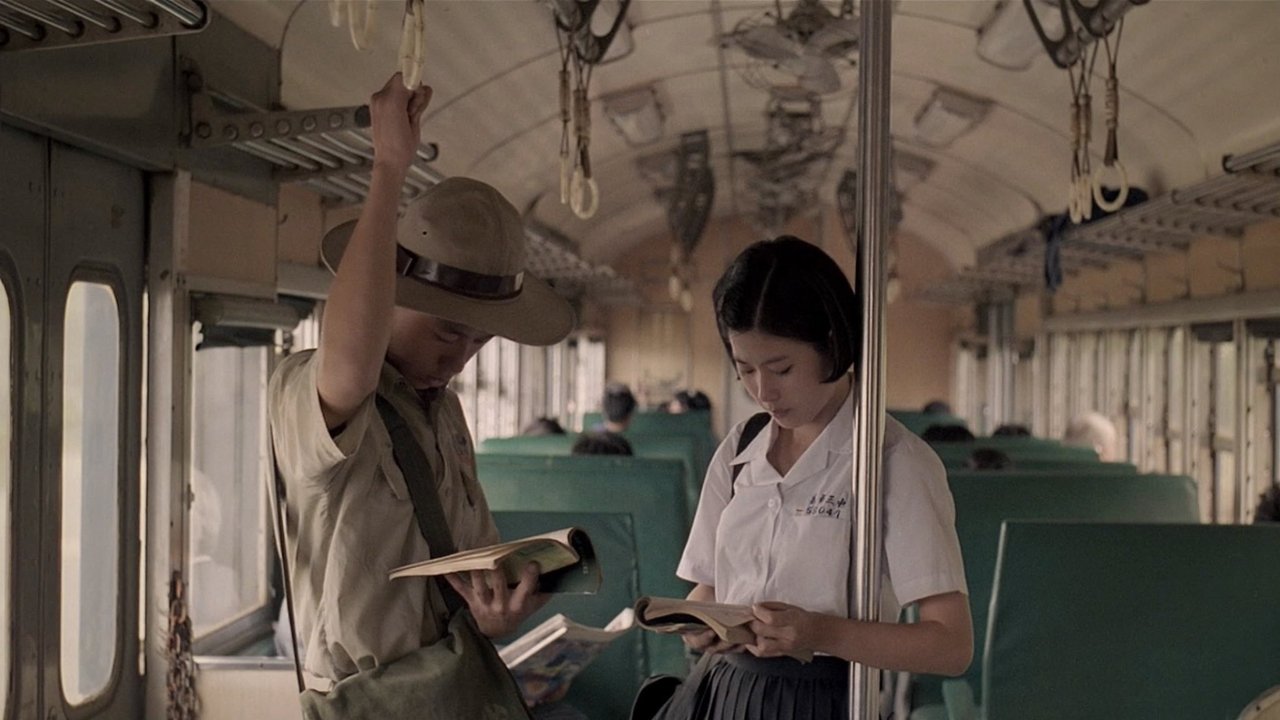
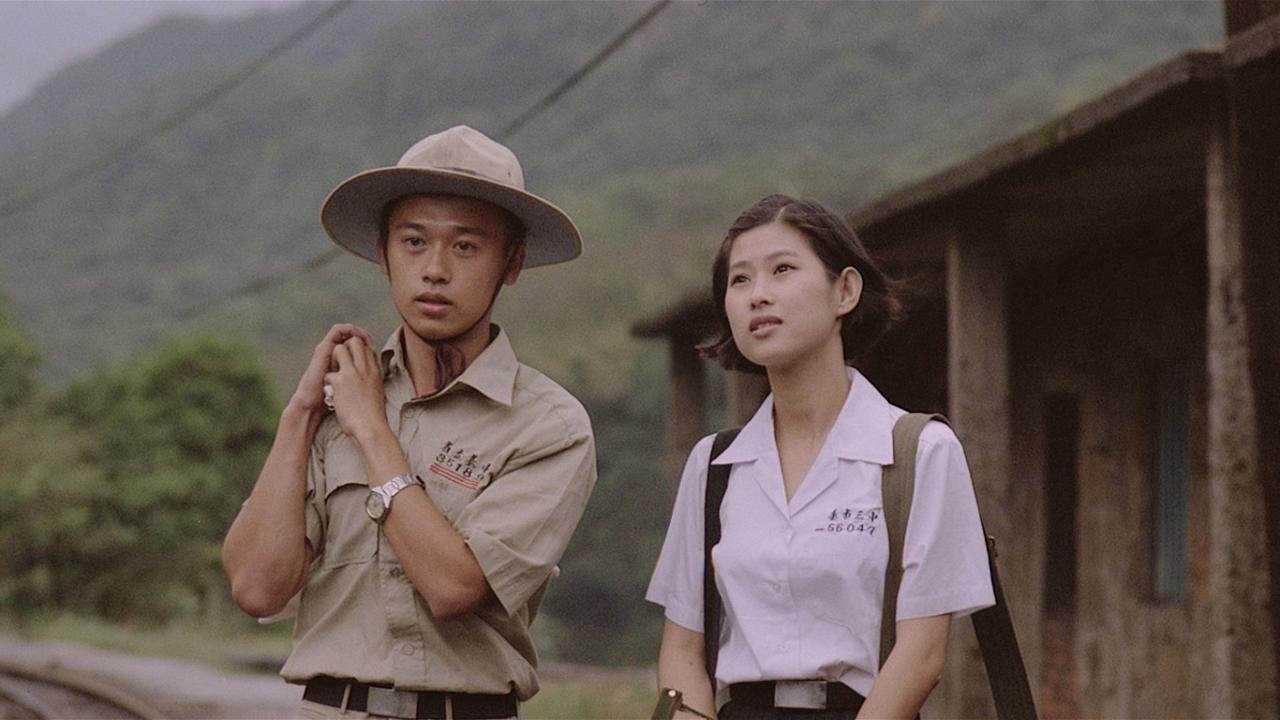
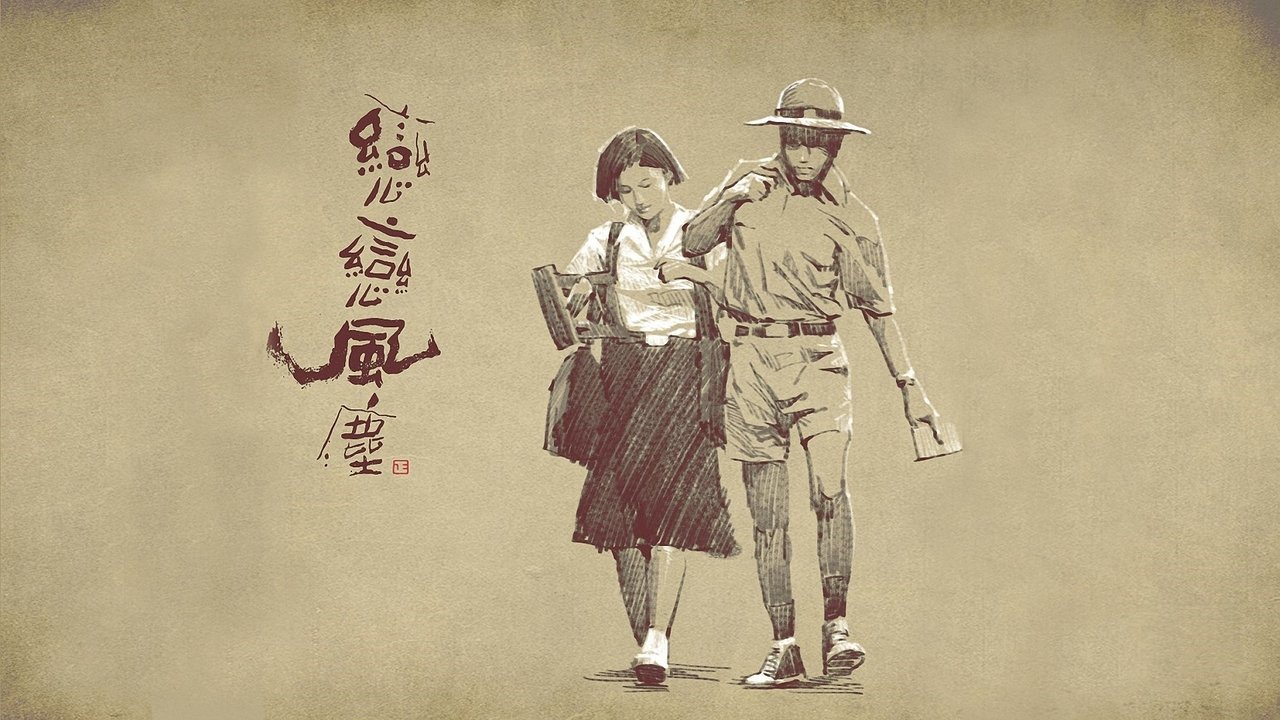
What strikes you first, and lingers long after the tape clicks off, is the profound sense of quiet observation. The film follows Ah-yuan (Wang Chien-wen) and Ah-yun (Hsin Shu-fen), childhood sweethearts from a poor mining village in rural Taiwan. Economic necessity forces them, barely teenagers, to seek work in Taipei, leaving behind the familiar rhythms of home for the impersonal hustle of the city. Their story is simple, almost deceptively so: finding work, navigating loneliness, maintaining their bond amidst the distance and drudgery, facing the inevitable disruption of Ah-yuan's mandatory military service. Yet, within this simplicity, Hou captures something vast about youth, love, and the inexorable passage of time.
### The Unblinking Eye of Hou Hsiao-hsien
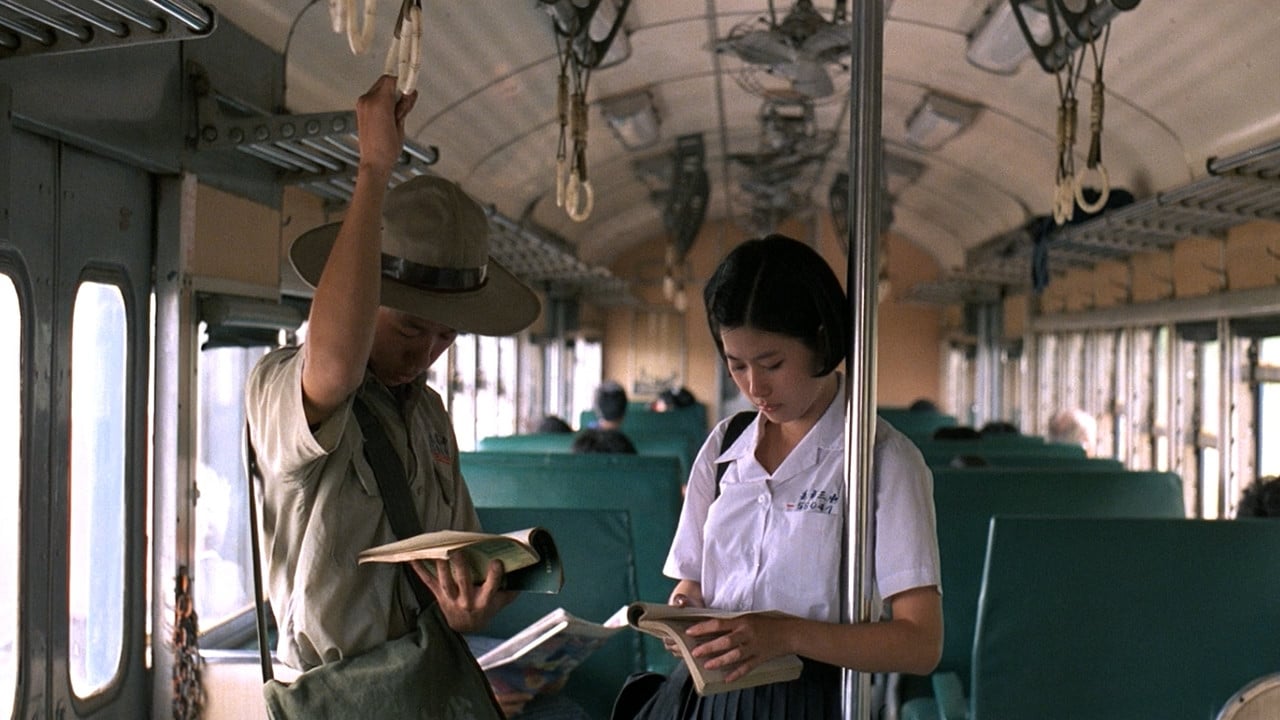
This film is a cornerstone of the Taiwanese New Wave, and Hou Hsiao-hsien's signature style is already fully formed. Forget frantic editing or dramatic close-ups. Hou prefers long takes, often with a static camera, observing his characters from a slight distance. Think of those shots framed through doorways or windows, making us feel like quiet witnesses peering into these lives. It’s a patient style, demanding a different kind of attention than the rapid-fire cutting common in Western films of the era. It forces you to look, to absorb the environment, to notice the subtle shifts in body language that speak volumes when words fail. This patient gaze creates an atmosphere thick with unspoken emotion – the weight of homesickness, the tenderness of young love, the quiet anxieties of an uncertain future. It’s a style that feels deeply respectful of its characters and their world.
### Performances Like Breathing
Much of the film's power rests on the shoulders of its young leads. Wang Chien-wen as Ah-yuan and Hsin Shu-fen (who Hou fans will recognize from his later masterpiece, A City of Sadness) deliver performances of stunning naturalism. There's no actorly flourish, no striving for effect. They simply are these young people, burdened by circumstance but sustained by their connection. Their interactions feel utterly authentic, capturing that specific blend of shyness and deep intimacy unique to first love. We see their bond not through grand declarations, but through shared glances, small gestures, the comfortable silence between them on a train ride. And we can't forget the presence of Li Tian-lu as Ah-yuan's grandfather, a figure who embodies the fading rural traditions. Li, a veteran puppeteer and frequent Hou collaborator, brings a grounded wisdom and gentle humor that anchors the film's village scenes. His presence feels less like acting and more like witnessing a life lived.
### Echoes of Truth (Retro Fun Facts)
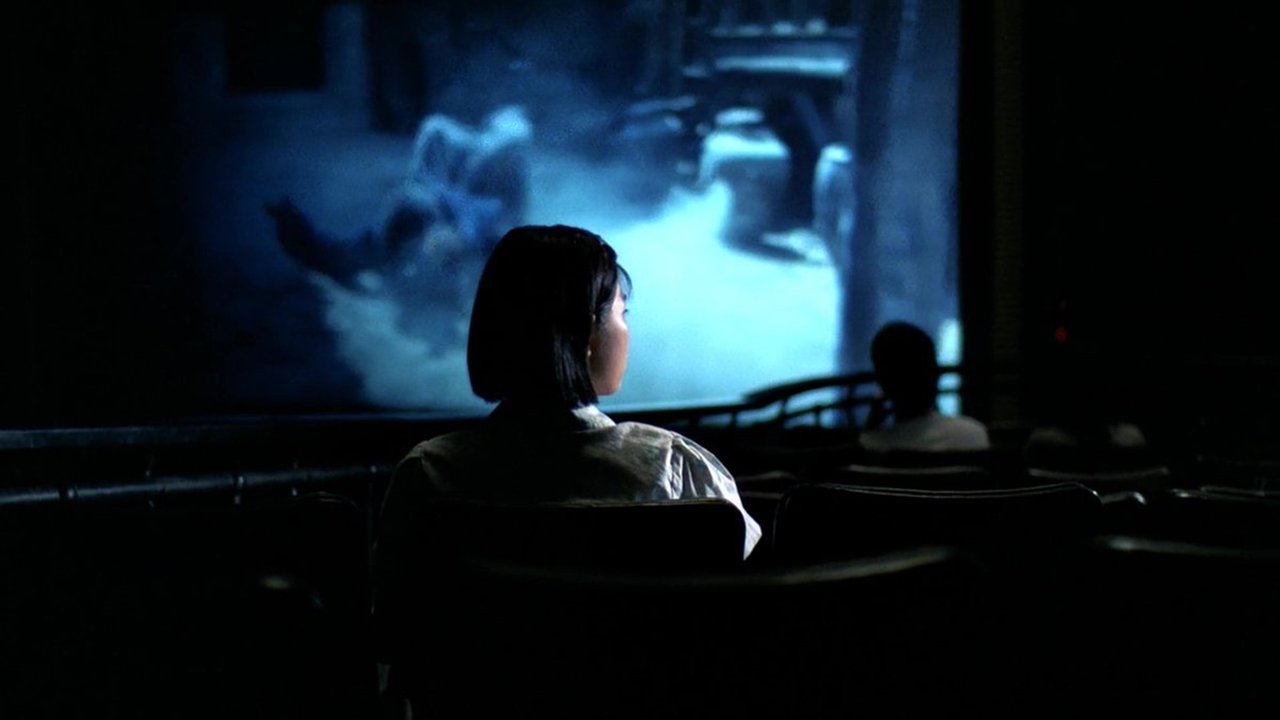
The film’s authenticity isn't accidental. The screenplay, penned by Chu Tien-wen and Wu Nien-jen, draws heavily from co-writer Wu Nien-jen's own youthful experiences. Knowing this adds another layer to the viewing; it feels like peering into someone's actual past, preserved with remarkable sensitivity. Hou’s decision to often work with non-professional or lesser-known actors further enhances this feeling of realism – these aren't stars playing roles, but people inhabiting a specific time and place. This approach was central to the Taiwanese New Wave's desire to reflect contemporary Taiwanese life honestly, moving away from the escapist studio melodramas and kung-fu flicks that had dominated earlier decades. Dust in the Wind wasn't a box office smash in the conventional sense, but its impact on Taiwanese cinema, and indeed world cinema, was profound, solidifying Hou's reputation as a master filmmaker.
### The Quiet Spaces Between
What makes Dust in the Wind resonate, especially looking back from our hyper-connected, often noisy present, is its embrace of quietude and slowness. It understands that life’s most significant moments often aren’t the loudest. They happen in the pauses, the commutes, the shared meals, the letters written and received (remember those?). The film captures the specific melancholy of watching the landscape blur past a train window, a feeling both specific to Ah-yuan and Ah-yun's journey and universal to anyone who's ever felt caught between where they came from and where they're going. Does that feeling of displacement, of time slipping away, ever truly leave us? The film doesn't offer easy answers, but acknowledges the weight of the question. It might feel worlds away from the neon glow of Blade Runner (1982) or the suburban adventures of E.T. (1982), but this tape offered a different kind of journey, one inward, reflective, and deeply human.
Rating: 9/10
This score reflects the film's masterful direction, its deeply affecting and naturalistic performances, and its profound ability to capture the nuances of everyday life, love, and loss with poetic grace. Its deliberate pacing and observational style are integral to its power, creating an immersive and emotionally resonant experience, though it demands patience from the viewer. It's a near-perfect example of humanist cinema.
Dust in the Wind is a film that stays with you, not with a bang, but with a quiet sigh. It reminds us that even the most ordinary lives are filled with moments of beauty, sorrow, and significance, as ephemeral and persistent as dust carried on the breeze. It’s a gentle masterpiece, a treasure waiting to be rediscovered on that dusty shelf.