There’s a certain kind of restless energy captured in some 80s films, a feeling of yearning mixed with the sweat and strain of chasing a seemingly impossible goal. It’s a vibe perfectly distilled in 1985’s Vision Quest, a movie that felt less like a simple sports drama and more like tapping into the intense, slightly obsessive heartbeat of teenage ambition. It wasn't just about wrestling; it was about that laser focus, the kind where the whole world narrows down to one single point on the horizon.
### More Than Just The Mat
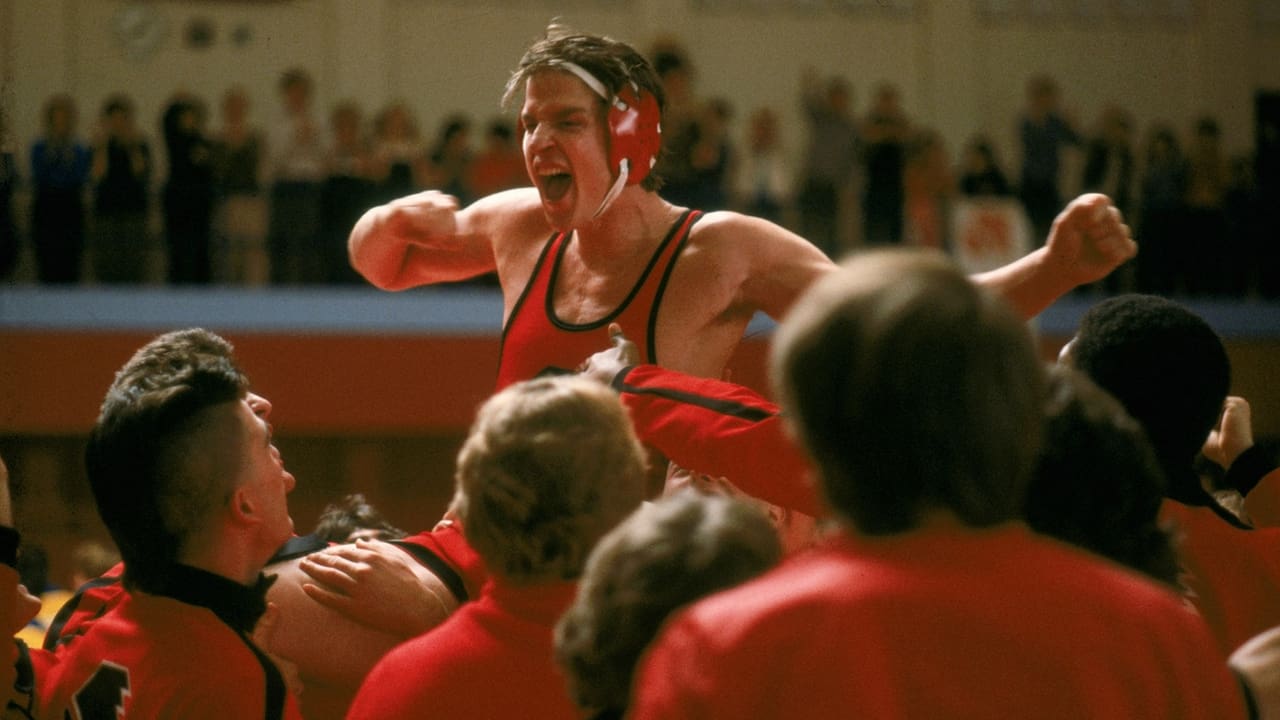
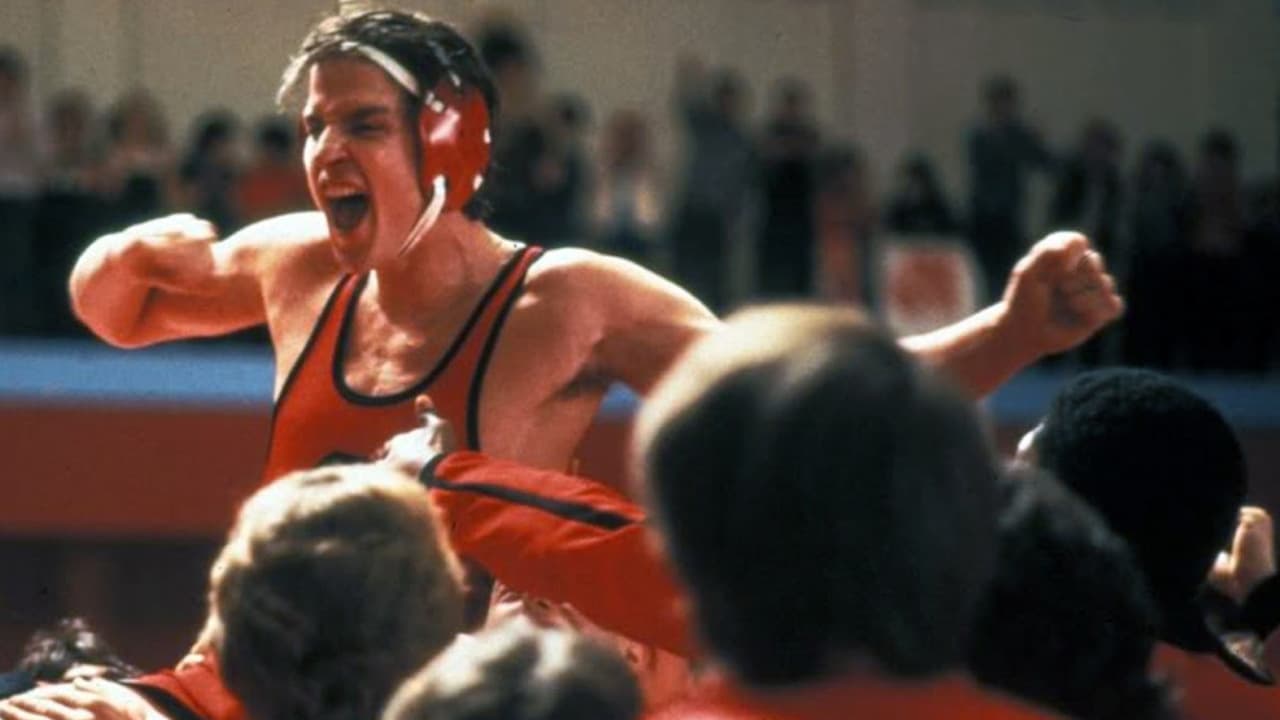
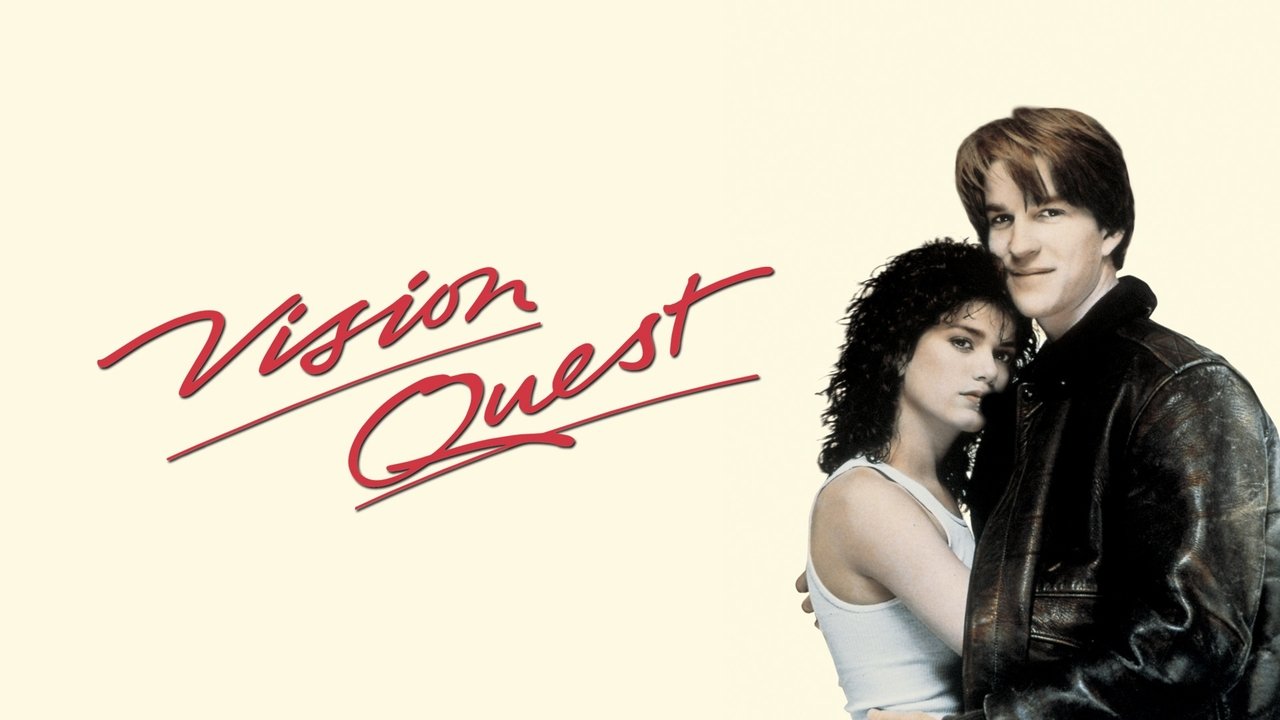
Directed by Harold Becker, who would later give us slick thrillers like Sea of Love (1989) and Malice (1993), Vision Quest has a grittier, more grounded feel than many of its glossy teen contemporaries. Based on the novel by Terry Davis (who also co-wrote the screenplay with Darryl Ponicsan), the film follows high school wrestler Louden Swain, played with a raw, captivating intensity by Matthew Modine. Louden isn't just aiming to win; he's aiming for the legendary, undefeated Brian Shute, a titan in a weight class significantly above his own. This necessitates a brutal weight drop, a physical ordeal that becomes a metaphor for the immense personal sacrifices required to achieve something extraordinary.
Modine, fresh off roles in films like Birdy (1984), truly embodies Louden's monomania. You feel the hunger, the exhaustion, the sheer willpower etched onto his face. He reportedly dropped a significant amount of weight for the role, mirroring his character’s journey, adding a layer of authenticity that grounds the film. It's a performance that anchors the sometimes disparate elements of the narrative. You believed he needed this, not just wanted it.
### Love and Other Distractions
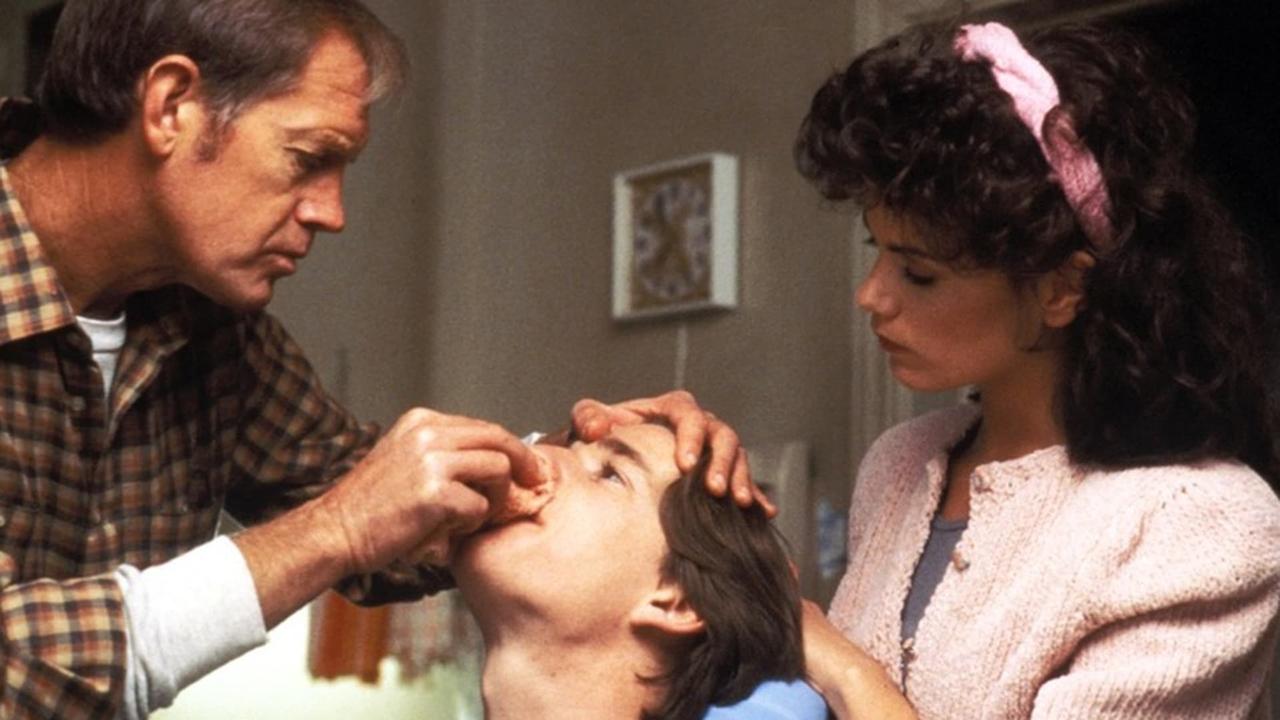
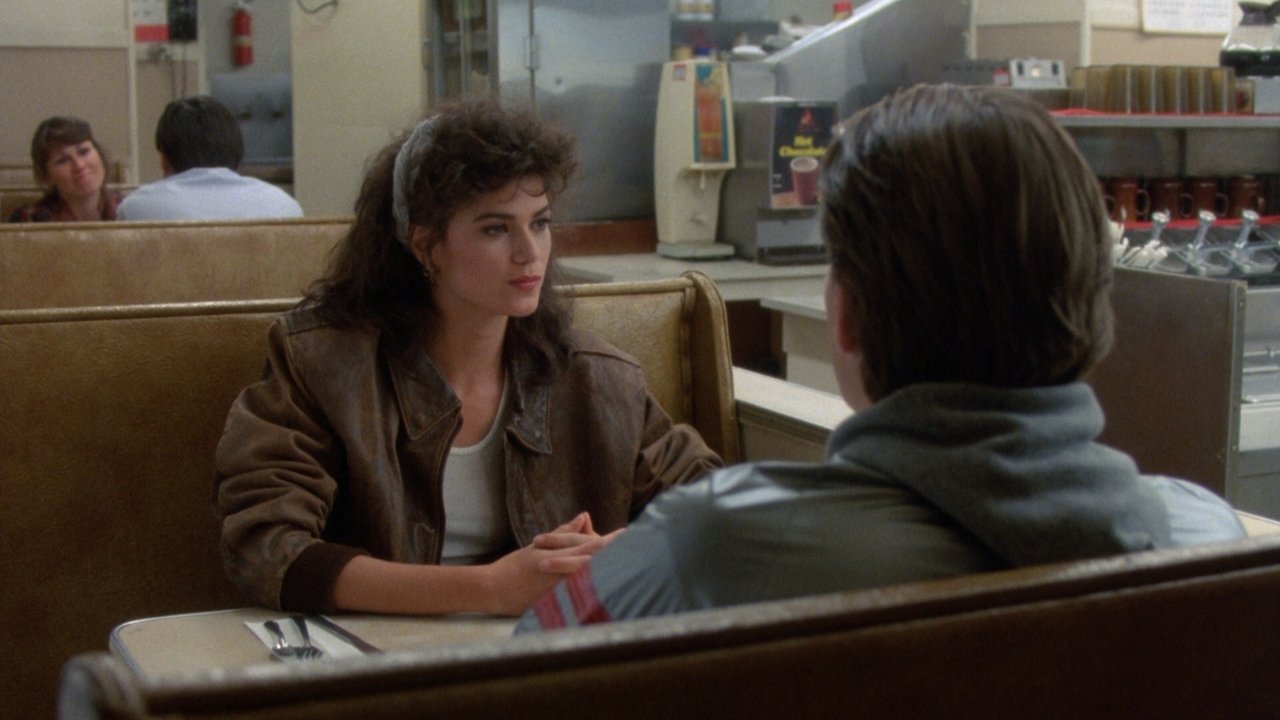
Of course, no 80s journey of self-discovery is complete without a romantic entanglement, and Vision Quest delivers with the arrival of Carla, portrayed by a smoldering Linda Fiorentino in her film debut. Carla is an older, more world-weary artist from Trenton, New Jersey, temporarily staying with Louden's family. Their connection adds a layer of complexity – she’s both a potential distraction and a source of unexpected understanding. Fiorentino brings a cool confidence to Carla that contrasts sharply with Louden’s youthful intensity, creating a chemistry that feels genuine, if occasionally a bit sidelined by the central quest.
Their relationship provides some breathing room from the relentless training montages and weigh-ins, allowing the film to explore themes of connection and vulnerability. It’s not a fairy-tale romance; it feels more like two people figuring things out, momentarily finding solace in each other amidst their own personal journeys. We also get solid supporting turns, including Michael Schoeffling (memorable as Jake Ryan in Sixteen Candles the year before) as Kuch, Louden's loyal friend and teammate, providing much-needed levity and support.
### That Killer Soundtrack & Retro Fun Facts
Let’s be honest: you can't talk about Vision Quest without talking about its absolutely iconic soundtrack. It’s practically a character in itself. The film famously features Madonna performing "Crazy for You" in a smoky bar scene – a performance filmed on location at the Big Foot Tavern in Spokane, Washington. That song became a massive global hit, Madonna’s first US Billboard Hot 100 number one, forever linking the film to her meteoric rise. Interestingly, the studio apparently considered renaming the film Crazy for You to capitalize on the song's success, but ultimately stuck with the more evocative Vision Quest.
But it wasn't just Madonna. The soundtrack pulsed with quintessential 80s rock energy, featuring tracks from Journey ("Only the Young"), Foreigner ("Hot Blooded"), Sammy Hagar, and Dio. This music wasn't just background noise; it fueled the montages, heightened the emotional stakes, and perfectly captured the film's blend of youthful energy and raw determination. For many of us renting this tape, the soundtrack alone was worth the price of admission (or rental fee!).
Digging behind the scenes reveals more dedication. Modine trained rigorously for months with wrestlers from Mead High School in Spokane, where much of the film was shot, ensuring the wrestling scenes felt authentic rather than staged. While the film wasn't a colossal box office smash, earning around $13 million against an undisclosed budget, its cultural impact, particularly through its soundtrack and Modine's dedicated performance, far exceeded its initial ticket sales. It found its true audience on home video, becoming a beloved staple for those seeking a sports drama with a bit more heart and grit.
### The Final Takedown
Vision Quest isn't perfect. The pacing sometimes meanders, and the balance between the intense sports drama and the burgeoning romance occasionally feels uneven. Yet, its sincerity shines through. It captures that specific feeling of adolescent obsession, the willingness to push oneself to the absolute limit for a singular goal, better than most films of its era. Harold Becker crafts a film that feels lived-in, capturing the atmosphere of Spokane and the grueling world of high school wrestling with unvarnished realism.
It’s a film about striving, about the pain and glory found in dedication, and about figuring out who you are when faced with immense pressure. The earnestness, Matthew Modine's compelling lead performance, Linda Fiorentino's memorable debut, and that unforgettable soundtrack make it a standout entry in the 80s coming-of-age canon.
Rating: 8/10
This rating reflects the film's powerful core performance, its evocative atmosphere, stellar soundtrack, and resonant themes of dedication, even acknowledging its slightly uneven structure. It perfectly captures a specific kind of 80s angst and ambition. Vision Quest remains a potent reminder that sometimes, the most important battles are the ones we fight within ourselves, all set to a killer rock beat. It’s a VHS gem that still feels surprisingly relevant.