There's a certain melancholy that hangs over The Russia House, a feeling less of cloak-and-dagger thrills and more of weary resignation. Released in 1990, just as the Berlin Wall was becoming rubble and the certainties of the Cold War were dissolving, it felt like a spy film arriving slightly out of time, yet perfectly capturing the bewildering mood of that specific historical moment. What lingers isn't the intricate plot, typical of John le Carré's dense source novel, but the unexpected, quiet ache of human connection found amidst the thawing ice of international espionage.
From Moscow, With Love (Letters)
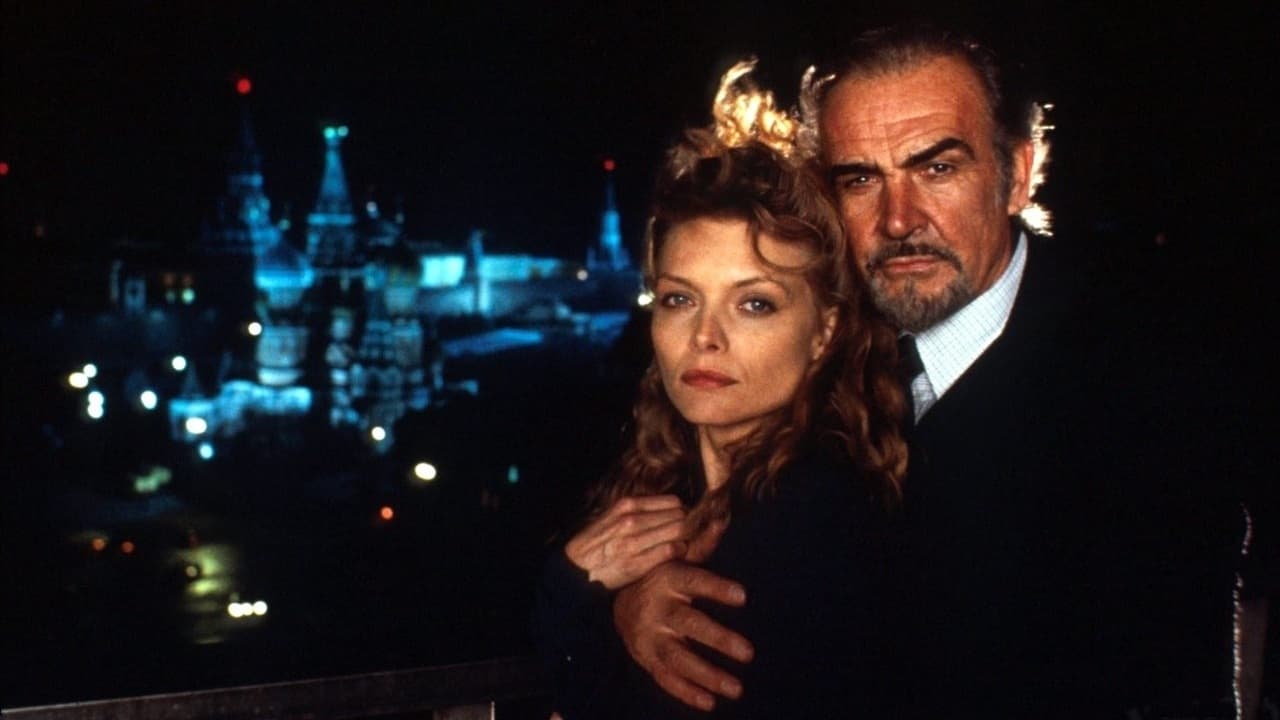
The premise, adapted with sharp intelligence by playwright Tom Stoppard, is classic le Carré: a manuscript containing explosive Soviet military secrets, penned by a disillusioned physicist code-named "Dante," finds its way into the hands of Bartholomew "Barley" Scott Blair (Sean Connery). Barley is no James Bond; he's a shambolic, jazz-loving British publisher, more comfortable with a saxophone and a bottle than state secrets. He's reluctantly pressed into service by British intelligence (personified by a reliably pragmatic James Fox) to verify the manuscript's authenticity via Dante's intermediary, the enigmatic Katya Orlova (Michelle Pfeiffer). What unfolds is less a race against time and more a cautious dance of trust between Barley and Katya, observed by the wary eyes of both MI6 and the CIA (represented by a typically sharp Roy Scheider, bringing a dose of weary American cynicism).
Connery Unbound
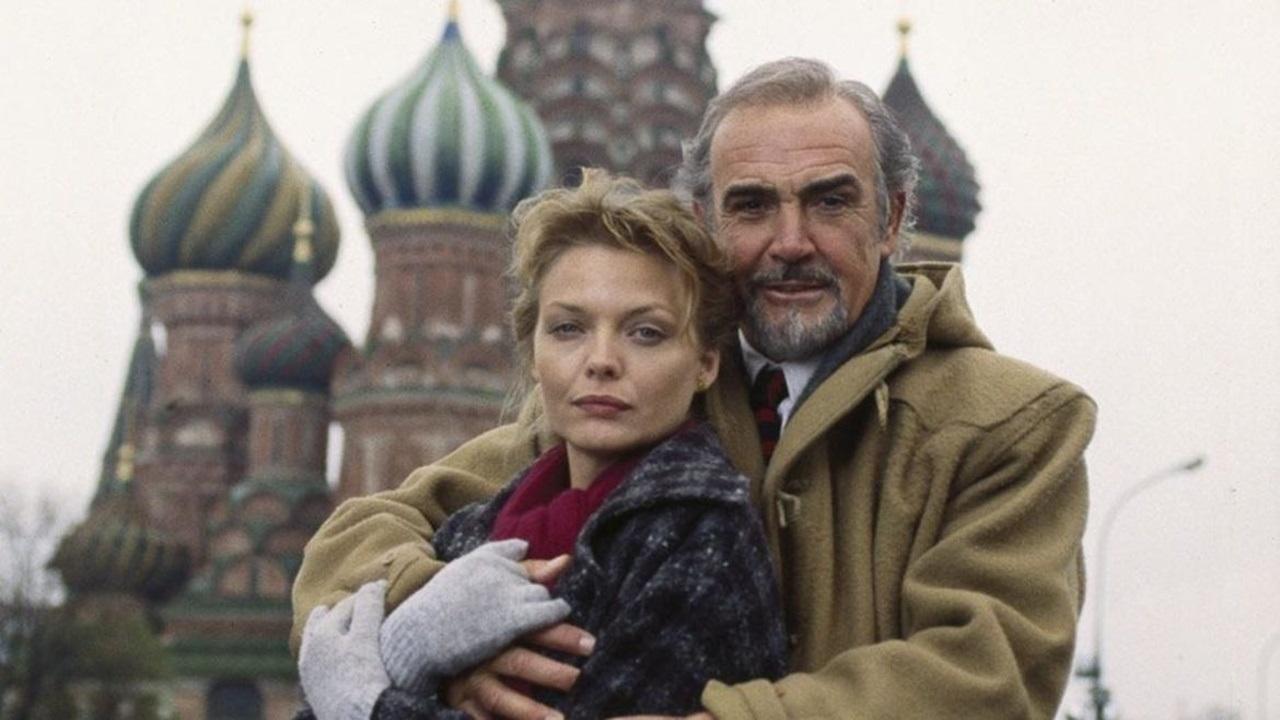
This role feels like a deliberate, thoughtful step away from the persona that defined Sean Connery for decades. His Barley is rumpled, cynical, yet possessed of a deep-seated romanticism buried beneath layers of boozy charm. There's a weight to his performance, a palpable sense of a man adrift, who finds an unexpected anchor in Katya. Connery plays the intellectual sparring and the world-weariness beautifully, but it's the vulnerability he allows to surface, particularly in his scenes with Pfeiffer, that truly resonates. He’s not saving the world here; he’s trying, perhaps for the first time, to save something real and personal. It's a performance that reminds you what a truly fine actor Connery was, beyond the tuxedo and the Walther PPK.
Pfeiffer's Quiet Gravitas
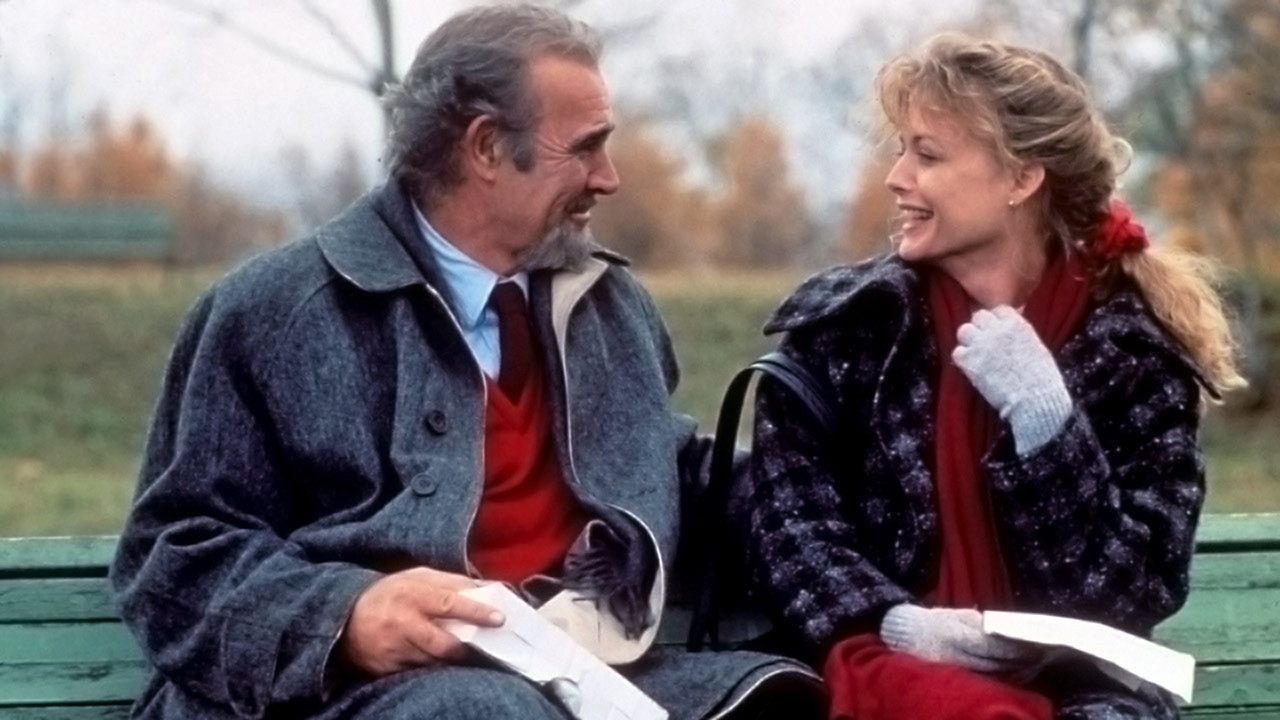
Opposite him, Michelle Pfeiffer delivers a performance of remarkable subtlety and strength. Katya is intelligent, guarded, and carries the burden of immense risk with a quiet dignity. Pfeiffer avoids any hint of the damsel in distress; Katya is a complex woman navigating treacherous waters, driven by loyalty and a desperate hope for a different future. Her chemistry with Connery is less fiery passion and more a slow burn of mutual respect and burgeoning affection, grounded in whispered conversations and shared glances across chilly Moscow squares. It’s this central relationship, handled with such nuance by both actors and director Fred Schepisi (known for versatile works like Roxanne (1987) and Six Degrees of Separation (1993)), that elevates The Russia House beyond a standard espionage tale.

Glasnost Through the Lens
One of the most striking aspects, particularly viewing it now through the lens of nostalgia, is the film's unprecedented access. The Russia House was famously the first major American studio production granted permission to film extensively within the Soviet Union, capturing Moscow and Leningrad (now St. Petersburg) with an authenticity previously unseen in Western cinema. I remember watching this on VHS, perhaps rented from a dimly lit corner store shelf, and being struck by how real Russia looked – not just stock footage or soundstage recreations, but the actual streets, the architecture, the atmosphere. Schepisi uses these locations brilliantly, not just as backdrop, but to infuse the film with a specific sense of place and time – the vastness, the history, the lingering chill of the old regime even as change was palpable in the air. This commitment to authenticity reportedly involved complex negotiations and Connery himself taking a pay cut to help secure the necessary budget (around $21.8 million), a gamble that paid off artistically, even if the box office ($22.9 million domestic) wasn't explosive – perhaps audiences weren't quite ready for a spy story where the "enemy" felt suddenly, complicatedly human. Jerry Goldsmith's haunting, saxophone-led score perfectly complements this mood, weaving notes of melancholy and tentative hope.
A Spy Film for Adults
What makes The Russia House endure isn't explosive action or gadgets, but its focus on the human cost of the games nations play. Stoppard's screenplay deftly navigates the intricate plot points while always keeping the characters' internal lives at the forefront. It asks profound questions: What truly matters more – loyalty to a country, or loyalty to another human being? Can genuine connection blossom in a world built on deception? It doesn't offer easy answers, preferring instead to explore the grey areas where political ideologies crumble against the weight of personal conscience. It’s a mature, thoughtful film that trusts its audience to appreciate nuance over noise.
Does it feel a little slow compared to modern thrillers? Perhaps. Its deliberate pacing reflects the cautious, observational nature of espionage itself, and more importantly, allows space for the central relationship to breathe and develop authentically. This isn't a film you put on for adrenaline; it's one you sink into, letting the atmosphere and the performances wash over you.
Rating: 8/10
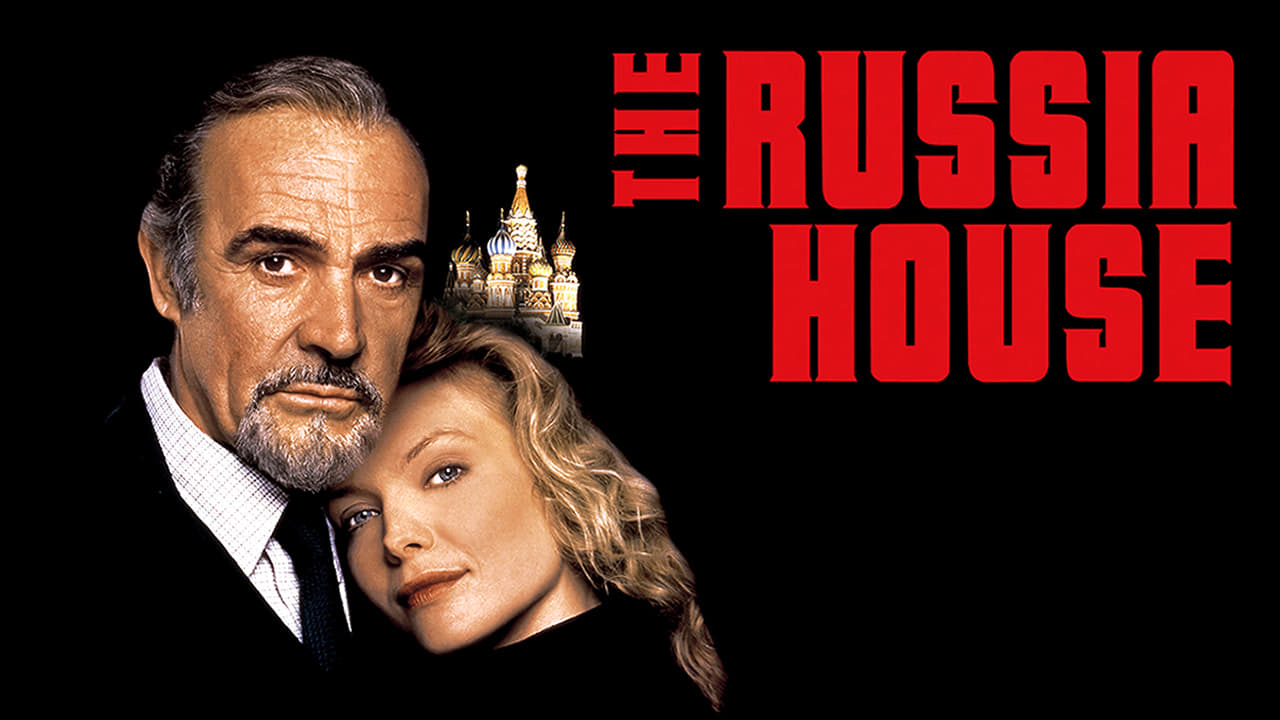
The Russia House stands as a unique artifact of its time – a Cold War thriller reflecting the anxieties and hopes of the Cold War's end. Anchored by superb, nuanced performances from Connery and Pfeiffer, filmed with groundbreaking authenticity, and directed with a focus on character over pyrotechnics, it remains a deeply felt, intelligent drama. It proved that the spy genre could be about more than just secrets and lies; it could also be about the tentative, fragile truths found between people, even across the starkest divides. It’s a film that reminds us that sometimes, the most significant intelligence gathered isn't political, but personal.