There's a certain kind of heat that clings, isn't there? Not just the physical warmth of a summer day, but the oppressive, inescapable humidity that seems to mirror unspoken tensions. Stephen Poliakoff's Close My Eyes (1991) positively drips with this feeling, using a sweltering London heatwave as the backdrop for a story that delves into waters most films wouldn't dare approach. It’s one of those challenging British dramas from the early 90s that perhaps sat slightly uneasily on the video store shelf, hinting at something deeper and more disturbing than your average rental.
A City Changing, A Secret Igniting
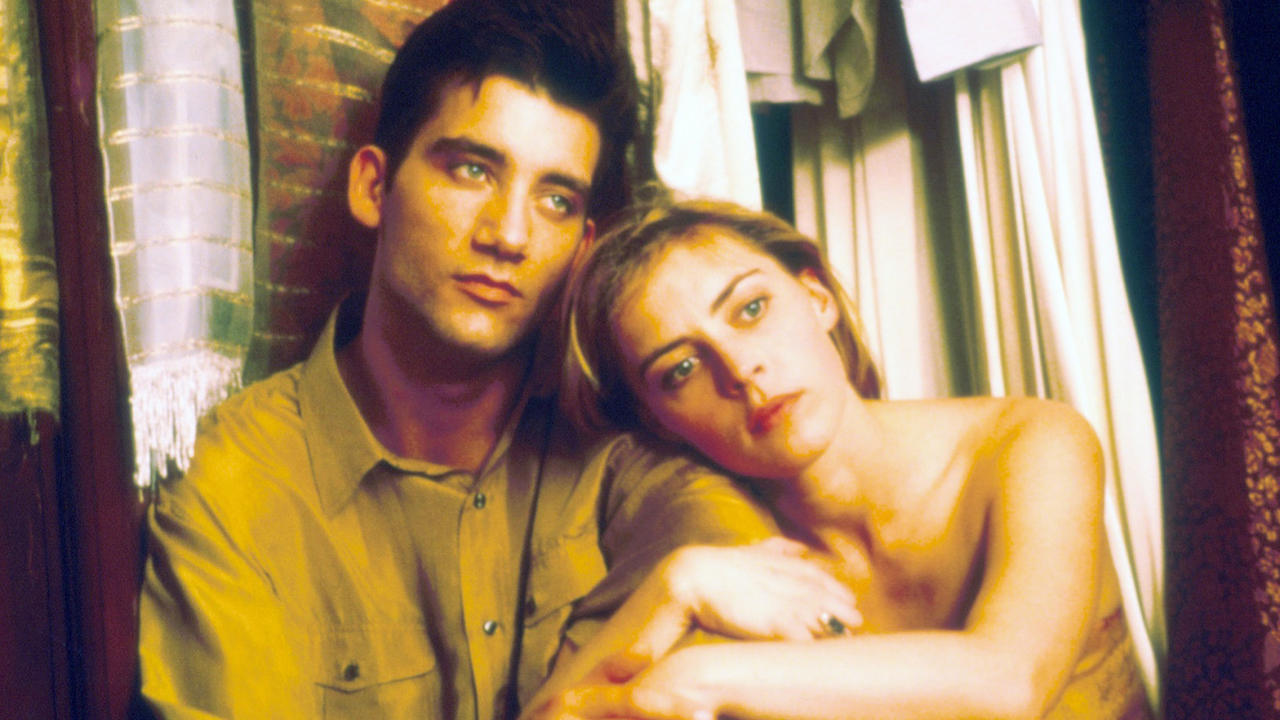
The film introduces us to Richard (a very young, intense Clive Owen) and his older sister Natalie (Saskia Reeves). There's an initial distance, a sibling relationship marked more by awkwardness than affection after years apart. Richard is drifting, working in town planning amidst the gleaming, slightly sterile redevelopment of London's Docklands – a potent visual metaphor for the era's focus on surface transformation, perhaps masking underlying decay. Natalie, meanwhile, seems lost in a different way, eventually marrying the much older, wealthier, and enigmatic Sinclair (Alan Rickman). Poliakoff, known for his keen eye on the state of Britain (often seen later in works like Shooting the Past (1999) or The Lost Prince (2003)), uses this burgeoning Canary Wharf landscape, quite literally under construction during filming, to ground the story in a specific moment of national flux and ambition, contrasting sharply with the ancient taboo the narrative explores.
The Unthinkable Spark

It's during Natalie's visits back to London, amidst that stifling heat, that the central transgression occurs. The glances between brother and sister begin to hold a different weight, shifting from familial recognition to something charged and dangerous. Close My Eyes doesn't shy away from depicting the consummation of their incestuous relationship. Poliakoff handles this with a startling directness, focusing on the actors' faces, the shift in their breathing, the raw mixture of desire, confusion, and guilt. It's deeply uncomfortable territory, and the film forces us to confront the reality of this forbidden passion rather than merely suggesting it. What makes this portrayal powerful, rather than purely exploitative, is the commitment of the leads. Owen, in one of his significant early film roles, captures Richard's volatile mix of youthful arrogance, possessiveness, and a gnawing vulnerability. You see the obsession take root, twisting his perspective. Reeves is equally compelling as Natalie, conveying a woman torn between societal expectation, a perhaps unfulfilling marriage, and an undeniable, destructive pull towards her brother. Her performance is a masterclass in contained anxiety and fleeting moments of dangerous abandon.
Enter Sinclair: The Watchful Eye
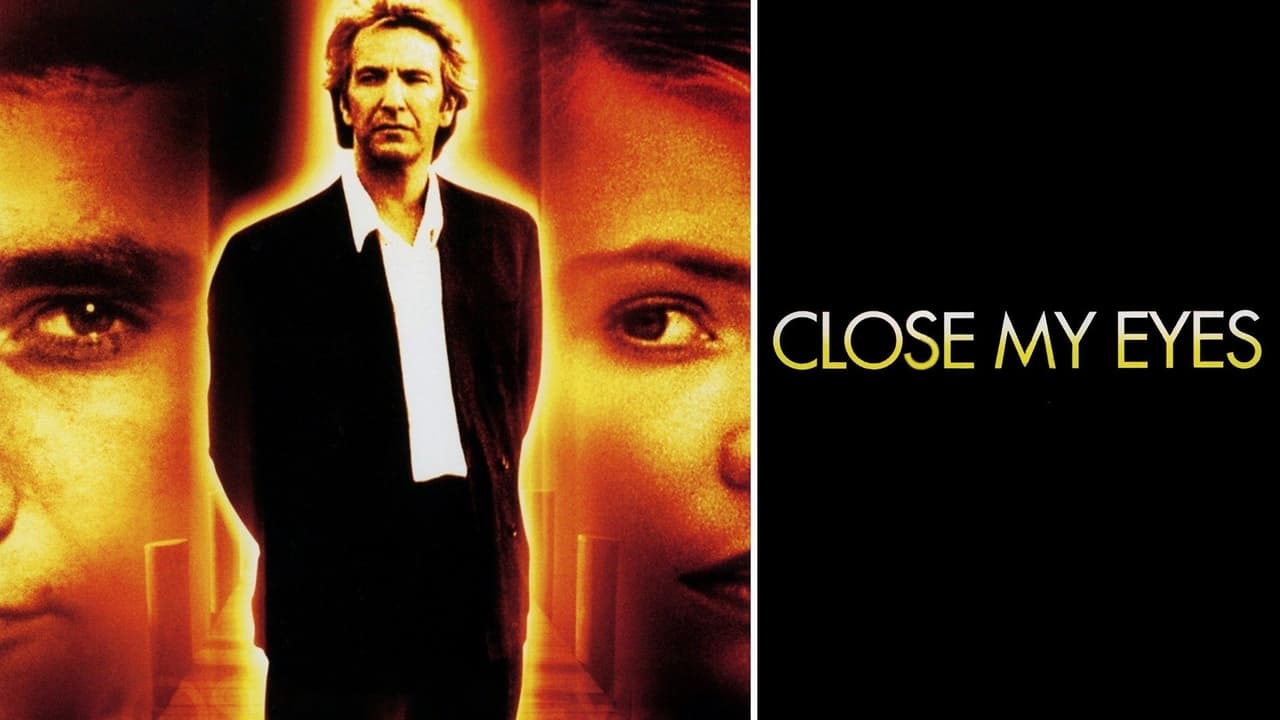
And then there's Alan Rickman. As Sinclair, he is the film's anchor of weary sophistication and quiet observation. Sinclair is intelligent, perceptive, and carries an aura of melancholy knowledge. He seems to sense the unnatural current between Richard and Natalie long before it's openly acknowledged. Rickman’s performance is a study in subtlety; a slight narrowing of the eyes, a carefully chosen word, a pause laden with unspoken meaning. He's not simply the cuckolded husband; he's a complex figure, perhaps resigned, perhaps manipulative, representing an older world grappling with the messy, inexplicable passions erupting around him. His scenes with Owen, crackling with understated menace and intellectual sparring, are highlights. You get the sense Sinclair has seen too much of the world to be truly shocked, yet the situation's proximity still wounds him. There's a fascinating trivia nugget that Rickman apparently based some of Sinclair's calm, slightly detached mannerisms on Poliakoff himself, adding another layer to the character's observant nature.
Atmosphere Over Plot
Poliakoff isn't overly concerned with intricate plotting. The narrative is relatively simple, tracking the escalation and consequences of the affair. Instead, his focus is on mood, atmosphere, and psychological exploration. The cinematography often employs tight close-ups, trapping the characters within the frame and amplifying the claustrophobia of their secret. The recurring motif of watching – characters observing each other through windows, across rooms, reflected in glass – enhances the sense of unease and the feeling that this private act has unseen repercussions. The stifling heatwave becomes almost a character itself, mirroring the feverish intensity of the central relationship. This deliberate pacing and focus on interior states might test the patience of some viewers accustomed to faster narratives, but it’s essential to the film’s unsettling power. It asks us: what hidden pressures build beneath the calm surfaces of our lives and cities?
A Difficult Legacy
Close My Eyes wasn't a huge box office hit (earning modestly against its roughly £2 million budget) and its subject matter inevitably made it controversial. Yet, revisiting it now, it feels like a distinct product of its time – a challenging, adult drama willing to explore dark corners of human behaviour against the backdrop of significant social change in Britain. It resists easy moralizing, presenting the taboo relationship as a destructive force born of complex emotional needs and circumstances, rather than simple perversion. The performances remain incredibly potent, particularly the central trio who navigate incredibly difficult emotional terrain with conviction. It's a film that lingers, not necessarily for pleasant reasons, but for its unflinching gaze and the questions it raises about the nature of love, obsession, and the secrets families keep. Does the passage of time make its themes less shocking, or does their exploration still hold a disquieting relevance?
Rating: 7/10
Justification: While the deliberate pace and deeply uncomfortable subject matter won't appeal to everyone, Close My Eyes is a powerfully atmospheric and brilliantly acted piece of early 90s British cinema. The performances from Owen, Reeves, and especially Rickman are exceptional, bringing nuance and conviction to incredibly challenging roles. Poliakoff’s direction creates a palpable sense of unease, using the London setting and heatwave motif to stunning effect. It loses points perhaps for a certain narrative slightness beyond the central transgression and a mood that can feel relentlessly bleak, but its boldness and psychological acuity make it a memorable, if difficult, watch from the VHS era.
Final Thought: Some films aim to comfort, others to confront. Close My Eyes firmly belongs in the latter category, leaving you with the lingering chill of secrets exposed under a hot, unforgiving sun.