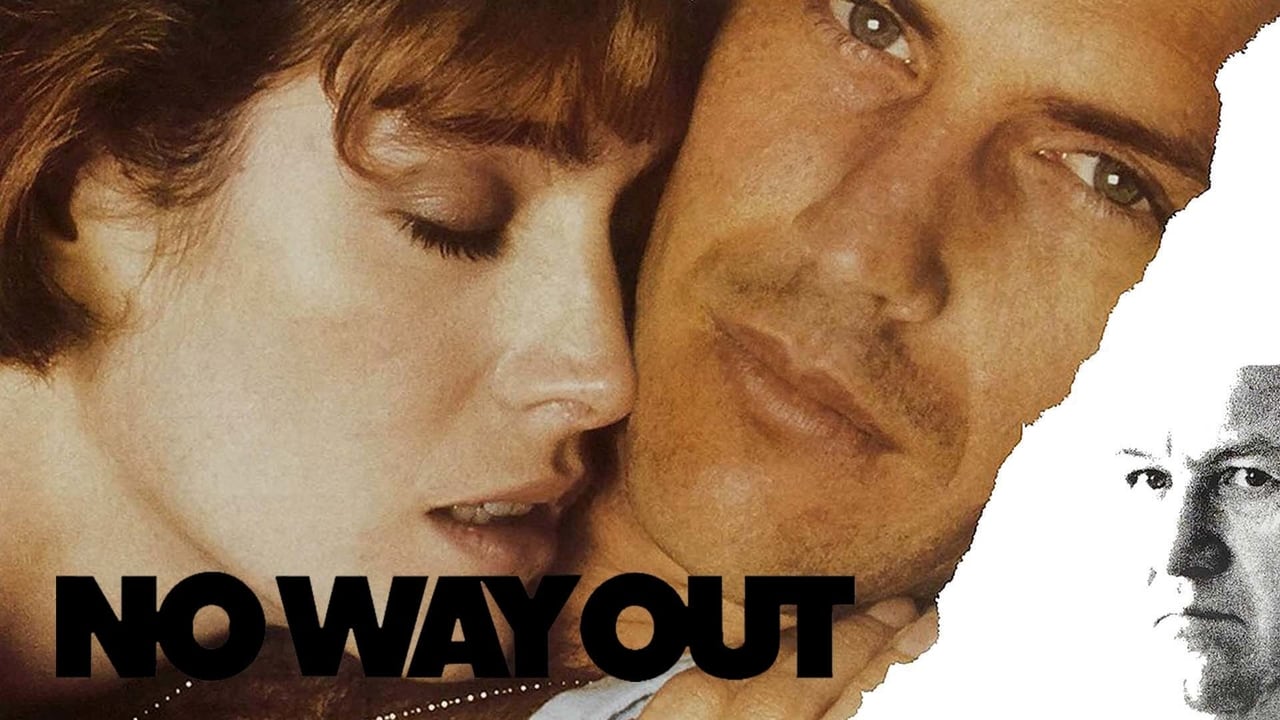
Okay, pull up a chair, maybe pour yourself something thoughtful. Let's talk about a film that truly got under my skin back in the rental days, a tape I probably wore thin rewinding certain scenes – Roger Donaldson's tightly coiled political thriller, No Way Out (1987). There's a particular kind of dread this film masterfully builds, a creeping paranoia that felt uniquely potent amidst the lingering chill of the Cold War era it depicts. It wasn't just a thriller; it felt like a glimpse into the shadowy corridors of power where secrets festered.
Corridors of Power, Webs of Deceit
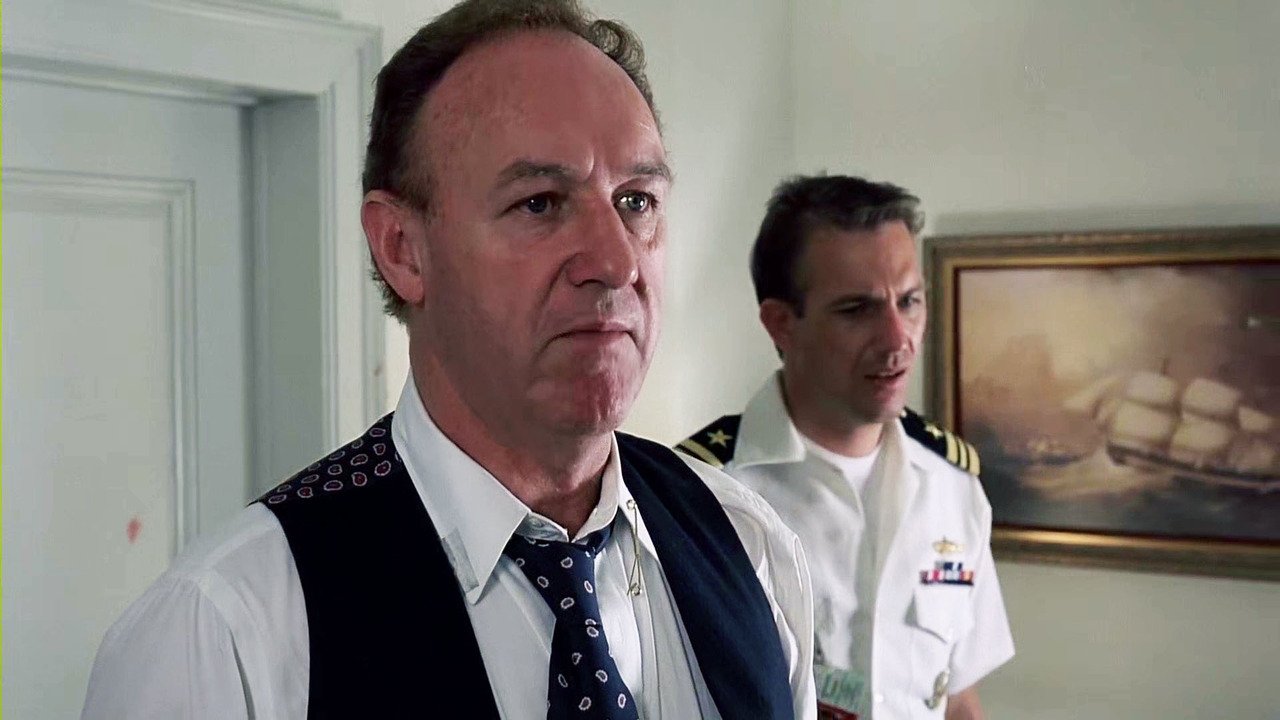
The premise hooks you immediately. Navy Lieutenant Commander Tom Farrell (Kevin Costner, in the year that truly launched him alongside The Untouchables), a handsome, capable officer, finds himself swept into a whirlwind romance with the captivating Susan Atwell (Sean Young). The complication? She's also the mistress of his powerful new boss, Secretary of Defense David Brice (Gene Hackman). When Susan is found murdered after a confrontation with Brice, a cover-up machine grinds into motion. Brice, desperate to deflect suspicion, tasks his fiercely loyal general counsel, Scott Pritchard (Will Patton, delivering a performance of chilling devotion), with finding the killer – a supposed elusive Soviet mole codenamed "Yuri". The terrible irony? Pritchard assigns Farrell to lead the manhunt, unaware that Farrell himself was with Susan shortly before her death, leaving behind clues that inevitably point directly back at him. Suddenly, Farrell is racing against time, hunting himself within the labyrinthine walls of the Pentagon, every escape route seemingly sealed off.
The Costner Charm, The Hackman Menace
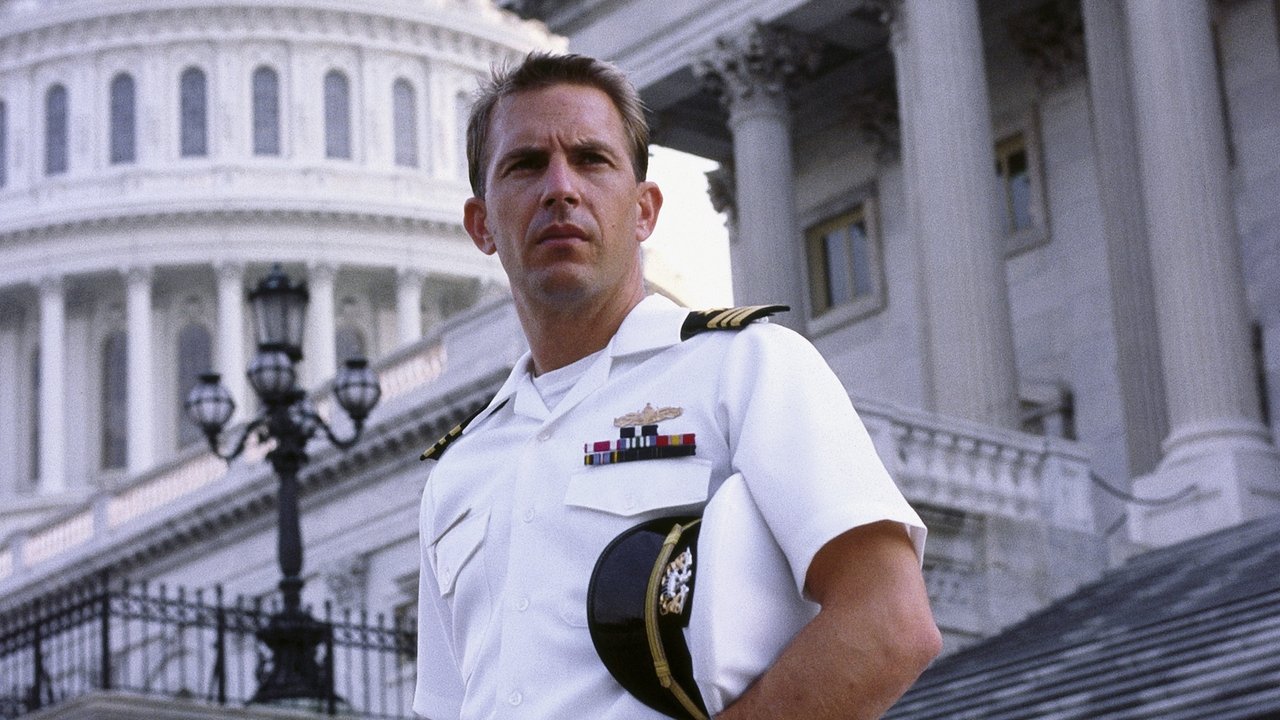
What elevates No Way Out beyond a standard potboiler is the sheer calibre of its central performances. This was Costner hitting his stride – effortlessly charming, yet conveying a growing desperation that feels utterly authentic. You see the confidence drain from his eyes as the net tightens, replaced by the frantic calculations of a man trapped. I remember renting this back-to-back with The Untouchables from the local video store – quite the double feature showcasing his burgeoning star power! It wasn't just charisma; it was vulnerability under pressure.
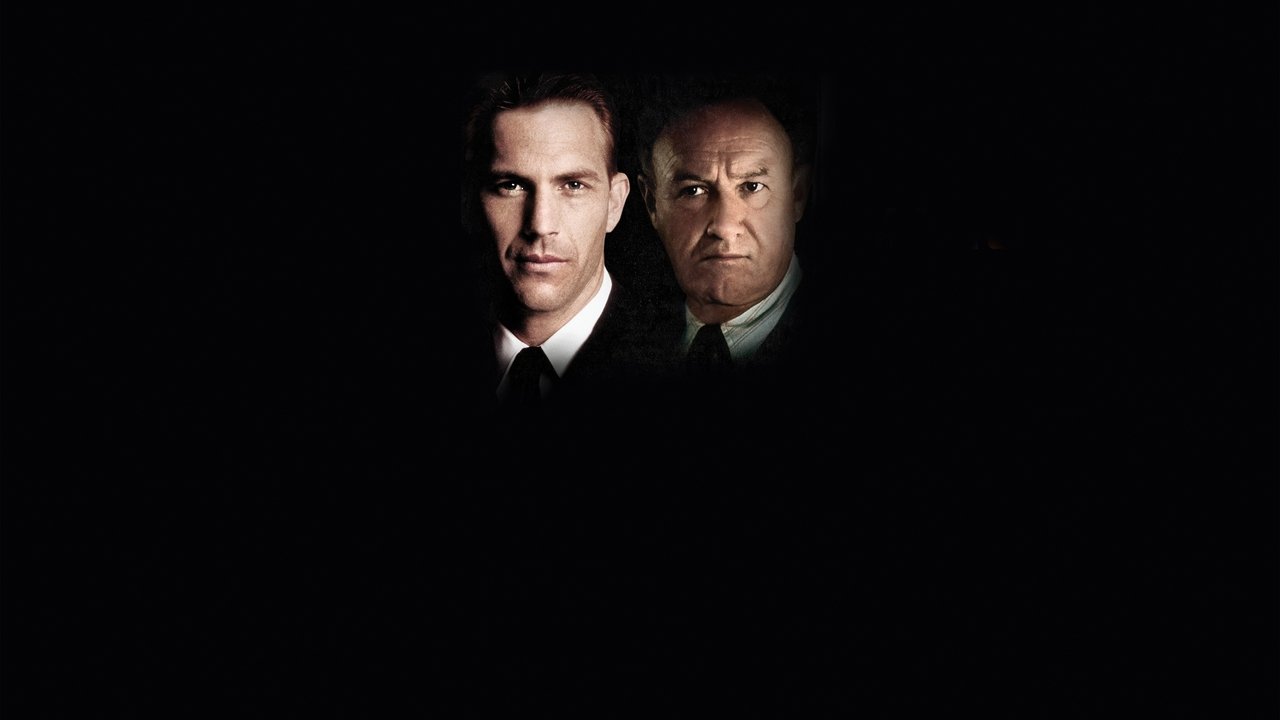
Opposite him, Gene Hackman is simply magnificent. He embodies Brice not as a cartoon villain, but as a powerful man consumed by jealousy, arrogance, and ultimately, fear. Hackman masterfully portrays the cracks in Brice's imposing facade; the moments of panic beneath the authority are what make the character so compelling and believable. He’d already proven his mastery of complex, morally gray characters in films like The Conversation (1974), and here he channels that into a figure of imposing, flawed power.
And let's not forget Will Patton as Pritchard. His unwavering, almost zealous loyalty to Brice is deeply unsettling. Patton plays him with a quiet intensity that suggests fanaticism, a man who would burn the world down to protect his boss. It's a standout supporting turn that significantly cranks up the film's tension.
A Remake That Found Its Own Voice
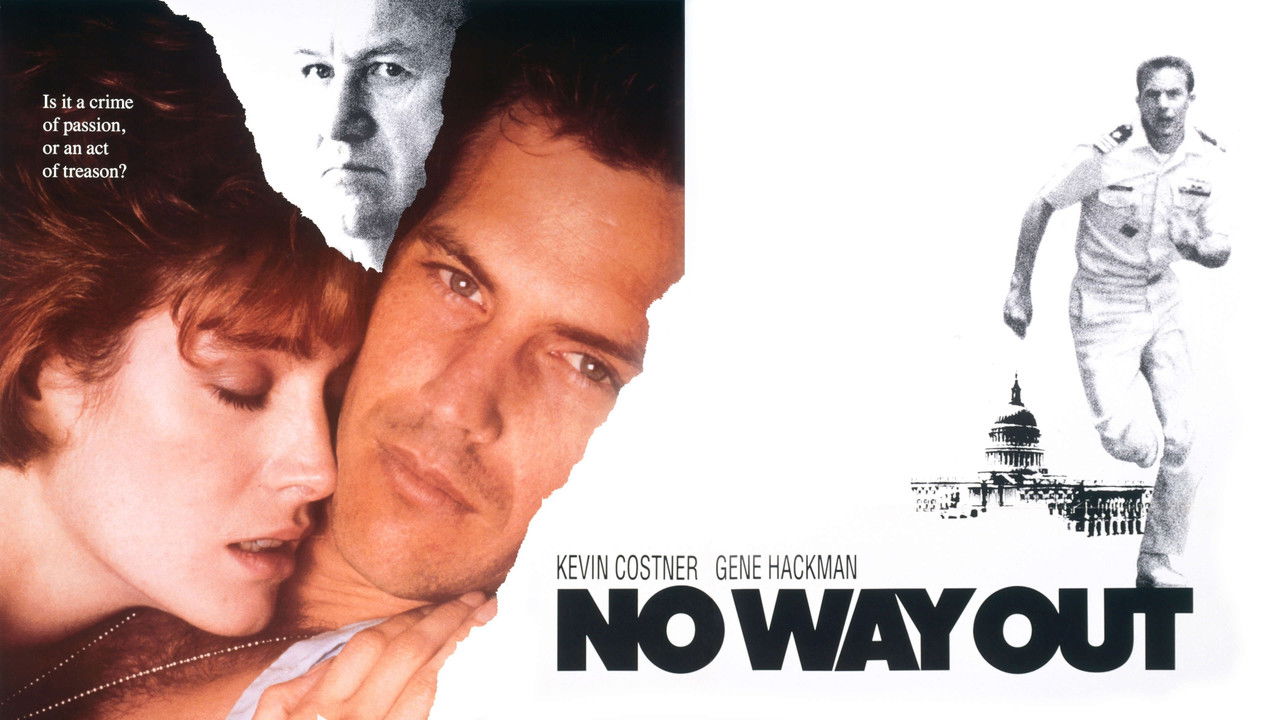
It's always interesting when you discover a film you love is actually a remake. No Way Out is based on the 1948 film noir The Big Clock, itself adapted from Kenneth Fearing's novel. While The Big Clock was set in the world of magazine publishing, screenwriter Robert Garland smartly updated the premise for the high-stakes political landscape of 1980s Washington D.C., tapping into contemporary anxieties about government secrecy and the potential for corruption at the highest levels. It’s a rare case where the remake arguably surpasses the original by finding a context that feels even more potent for its central conceit. Reportedly, that now-famous steamy limo scene between Costner and Young early in the film was largely improvised, contributing to its raw, spontaneous feel – a detail that always stuck with me after learning it. It adds a layer of unpredictable energy right before the tightly wound plot mechanics take over. Director Roger Donaldson, who had already shown a knack for tension with the gritty New Zealand film Smash Palace (1981), keeps the pace relentless. He uses the supposed security of the Pentagon as a pressure cooker, turning a place of power into Farrell’s prison. The score by the legendary Maurice Jarre (Lawrence of Arabia, Doctor Zhivago) is another key element, subtly amplifying the suspense without ever becoming intrusive.
The Weight of Secrets
Beyond the thrilling chase narrative, No Way Out lingers because of the questions it raises about loyalty, compromise, and the suffocating nature of secrets. How far will people go to protect themselves or those they serve? What happens when personal failings intersect with national security? The film paints a cynical, albeit gripping, picture of Washington, where careers and lives can be destroyed in an instant. Farrell’s desperate attempt to navigate this treacherous landscape, constantly improvising and bluffing, makes for riveting viewing. Does his predicament reveal more about the system, or about the compromises inherent in ambition?
The film’s atmosphere is pure 80s sleekness – the sharp suits, the coolly lit interiors, the nascent computer technology used in the investigation (which felt cutting-edge then!). Watching it now, there’s a definite nostalgic sheen, but the core tension hasn’t aged a day. The film reportedly had a budget around $15 million and pulled in over $35 million domestically – a solid hit that proved audiences were hungry for intelligent, adult-oriented thrillers amidst the era's louder blockbusters.
The Final Turn
And then there's the ending. Without giving it away for anyone who hasn't had the pleasure, let's just say it delivers a final twist that re-contextualizes everything you've just watched. It was the kind of ending that had people talking long after the credits rolled, the kind you'd excitedly (or frustratingly) debate with friends after renting the tape. Does it entirely hold up to logical scrutiny? Perhaps not perfectly, but emotionally and dramatically? Absolutely. It lands like a punch to the gut, leaving you to reconsider Farrell's motivations and the true nature of the game being played.
Rating: 8.5/10
This score reflects No Way Out's masterful construction as a thriller, its powerhouse performances (especially from Hackman and Patton), and its genuinely suspenseful atmosphere. It’s a tight, intelligent film that uses its political backdrop effectively to amplify the personal stakes. Costner became a star here for a reason, embodying the everyman caught in an impossible situation. While perhaps some minor plot mechanics might fray under intense scrutiny, the overall impact remains incredibly strong. It’s a standout example of the smart, adult thrillers the 80s could deliver.
No Way Out remains a potent reminder of how gripping a well-crafted thriller can be, a slick journey into paranoia and deception that still holds its power decades later. It’s one of those films that makes you wonder just what secrets might be hiding behind closed doors, even now.