Alright, settle in, pop that tape in the VCR (mind the tracking!), because tonight on VHS Heaven, we're diving headfirst into a slice of pure, unadulterated early 90s action: 1992’s Rapid Fire. This one might not have screamed "blockbuster" from the dusty rental shelves back in the day, overshadowed perhaps by bigger names, but finding it felt like uncovering a hidden gem – especially because it showcased the raw talent and electrifying presence of Brandon Lee just before his tragic ascent to icon status with The Crow.
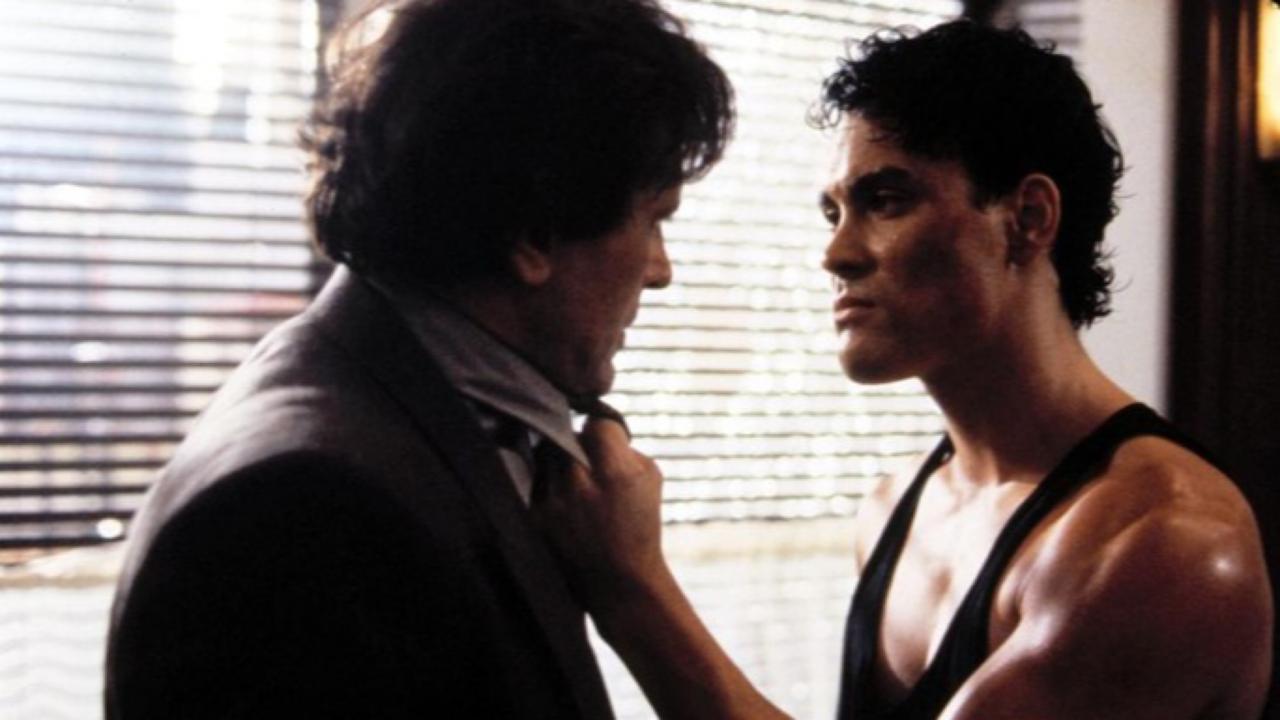
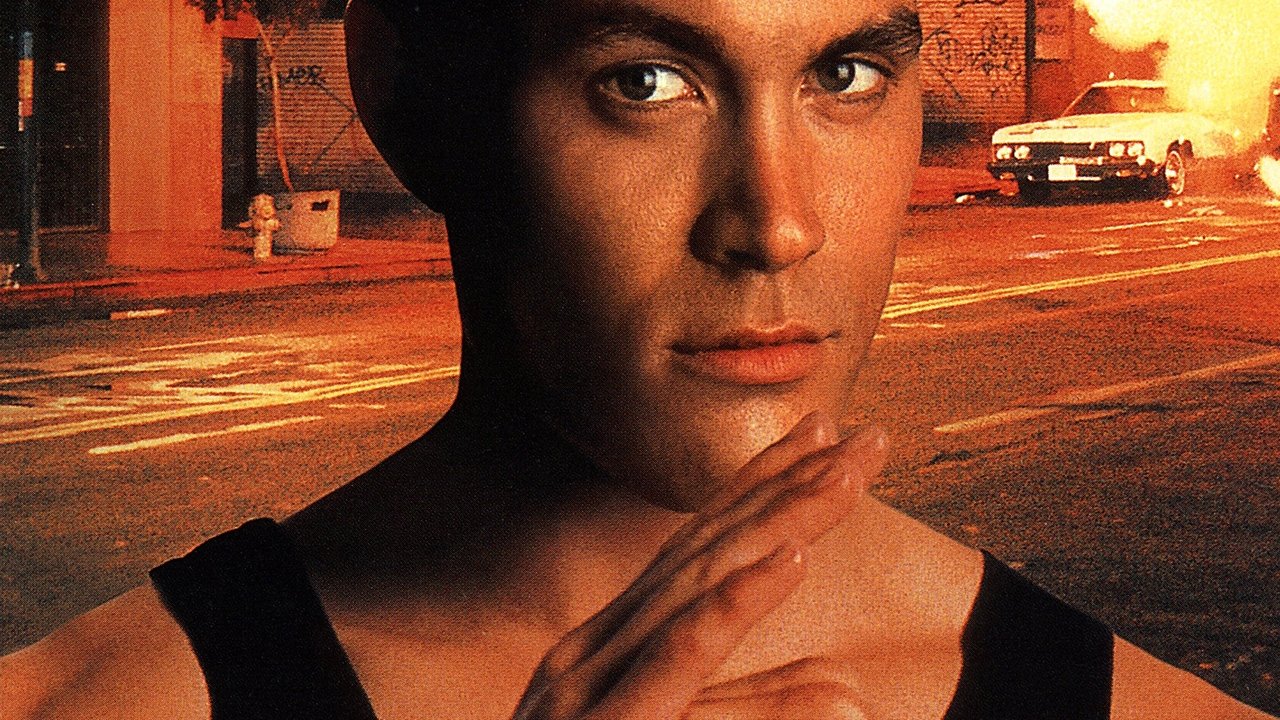
Remember that feeling? Finding a flick with that cover art – fists flying, maybe a hint of brooding intensity – and knowing you were in for 90 minutes of pure, unpretentious adrenaline? Rapid Fire delivers exactly that.
### From Art Student to Accidental Badass
The premise is classic early 90s action fodder: Jake Lo (Brandon Lee) is an art student haunted by his father's death at Tiananmen Square (a surprisingly topical reference for the time). He inadvertently witnesses a mob hit orchestrated by the menacing Serrano (Nick Mancuso) and finds himself caught between vengeful gangsters and determined Chicago cops, chiefly Lt. Mace Ryan (Powers Boothe). Jake just wants to be left alone, but fate, and a script demanding escalating fight scenes, has other plans. It's a setup we've seen variations of countless times, but what elevates Rapid Fire is the spark plug at its center.
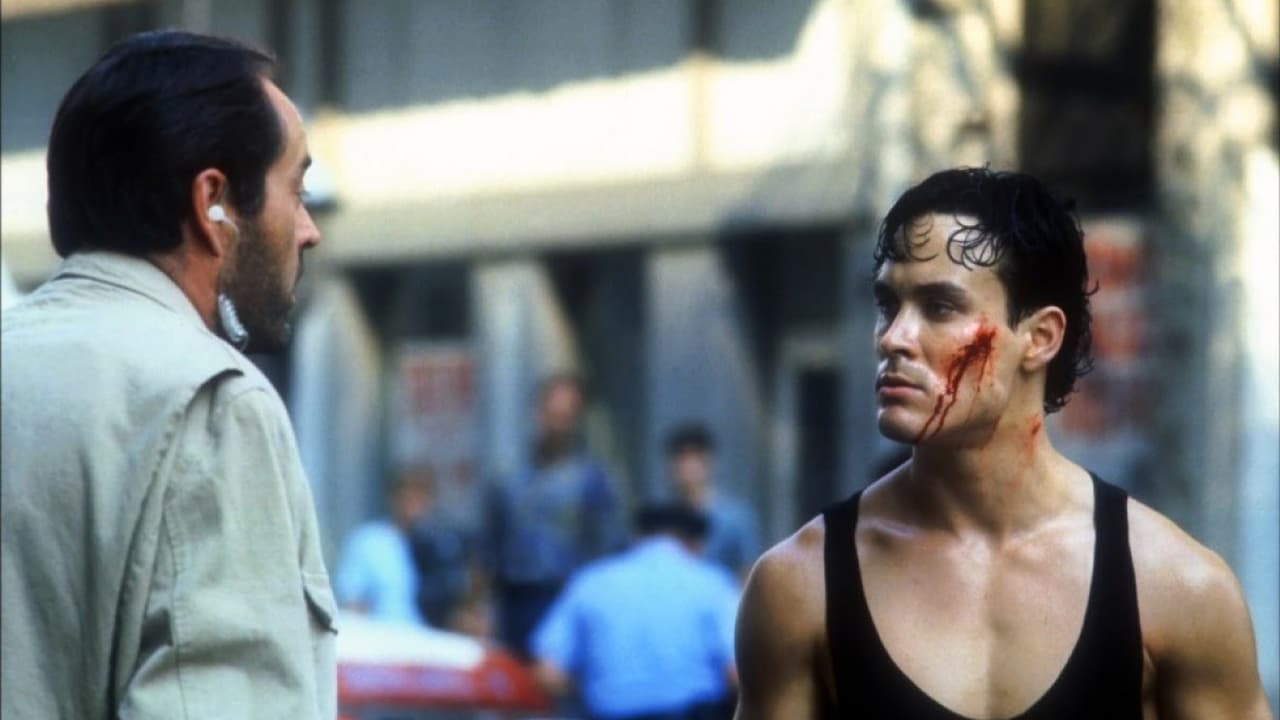
Lee isn't just going through the motions here; he imbues Jake with a vulnerability beneath the physical prowess. He’s reluctant, weary, but capable of unleashing hell when pushed. It’s fascinating watching him in this role, knowing the intense, gothic icon he’d become just a year later. Here, the charisma is undeniable, but it's lighter, more grounded. Fox was clearly positioning him as a potential mainstream action hero, and you can see why. He moves with a grace and speed that’s captivating, a clear inheritor of his father's legacy but already carving his own distinct style. Retro Fun Fact: Lee was heavily involved in the fight choreography alongside legendary Hong Kong stunt coordinator John Cheung. He specifically wanted to showcase a blend of martial arts, reflecting his own training and his character’s background, moving beyond traditional styles – you can definitely see the Jeet Kune Do influence in the efficiency and directness of his movements.
### When Fists and Fire Felt Real
Let's talk action, because that’s the main course. Director Dwight H. Little, fresh off directing Steven Seagal in Marked for Death (1990), knew how to stage gritty, impactful action sequences. This wasn't the hyper-edited, CGI-heavy spectacle we often see today. This was the era of tangible impact. Remember how real those bullet squibs looked back then? The way debris flew? Rapid Fire excels in delivering that visceral thrill. Stunt performers earned their paychecks here, taking hard falls, driving cars with reckless abandon, and making shootouts feel genuinely chaotic.
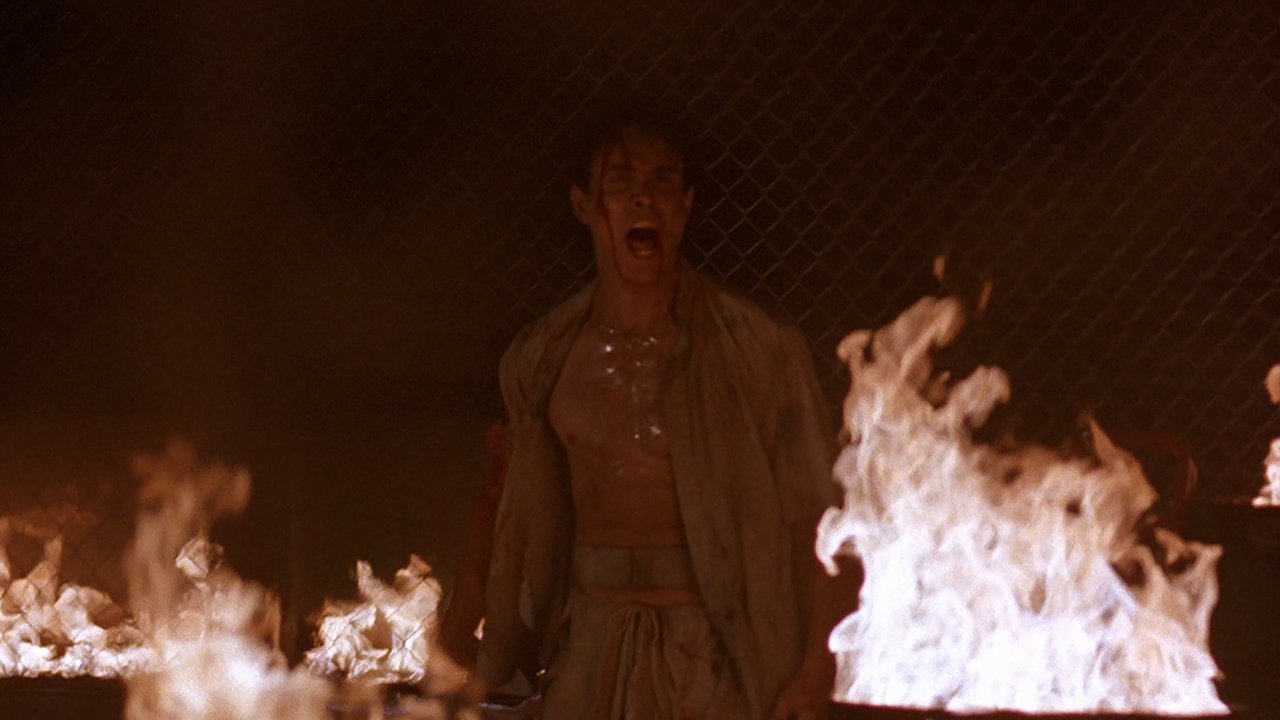
The standout sequences are numerous. There’s a fantastic, brutal fight scene set in an industrial laundry, utilizing the environment in creative and painful-looking ways. The choreography is fast, fluid, and showcases Lee’s agility beautifully. You feel the impact of every block, every strike. Retro Fun Fact: Lee, dedicated to authenticity, performed a significant portion of his own stunt work, adding to that sense of immediacy you just don't get when everything's digitally smoothed over. The climactic showdown in the rail yard is another highlight – explosions, gunfire, and a final confrontation that feels earned. It’s grounded, messy, and satisfying in that classic 90s action way. Was the physics always perfect? Maybe not. But did it feel intense watching it on a fuzzy CRT? Absolutely.
### Solid Support, Gritty Vibe
While Lee is the undeniable star, the supporting cast holds their own. Powers Boothe brings his signature gravelly gravitas to the role of the weary but determined cop. He’s the perfect counterpoint to Lee’s youthful intensity, a familiar face from rugged classics like Southern Comfort (1981) and Red Dawn (1984). Nick Mancuso chews the scenery effectively as the primary villain, radiating slimy menace. The film benefits greatly from being filmed largely on location in Chicago, giving it a tangible sense of place and a gritty urban atmosphere that enhances the stakes.
Written by Alan B. McElroy (who also penned Halloween 4 for Little), the script hits the expected beats, but it does so with energy and pace. It doesn't bog down in unnecessary subplots; it knows its job is to get Jake from one perilous situation to the next, allowing Lee to shine. Retro Fun Fact: Despite its solid action and Lee's appeal, Rapid Fire wasn't a massive box office smash. Made on a relatively modest budget (around $10-15 million), it grossed about $14.4 million domestically. Its real life came later, finding a dedicated audience through VHS rentals and cable TV – becoming exactly the kind of movie that defines "VHS Heaven."
### The Verdict
Rapid Fire is a quintessential example of early 90s action filmmaking. It's lean, mean, and built around a compelling central performance. It delivers thrilling practical action sequences, features solid support from genre veterans, and crucially, provides a tantalizing glimpse of Brandon Lee's immense potential as an action star. It’s not high art, but it never pretends to be. It's expertly crafted genre entertainment from an era when real stunts and tangible grit were king.
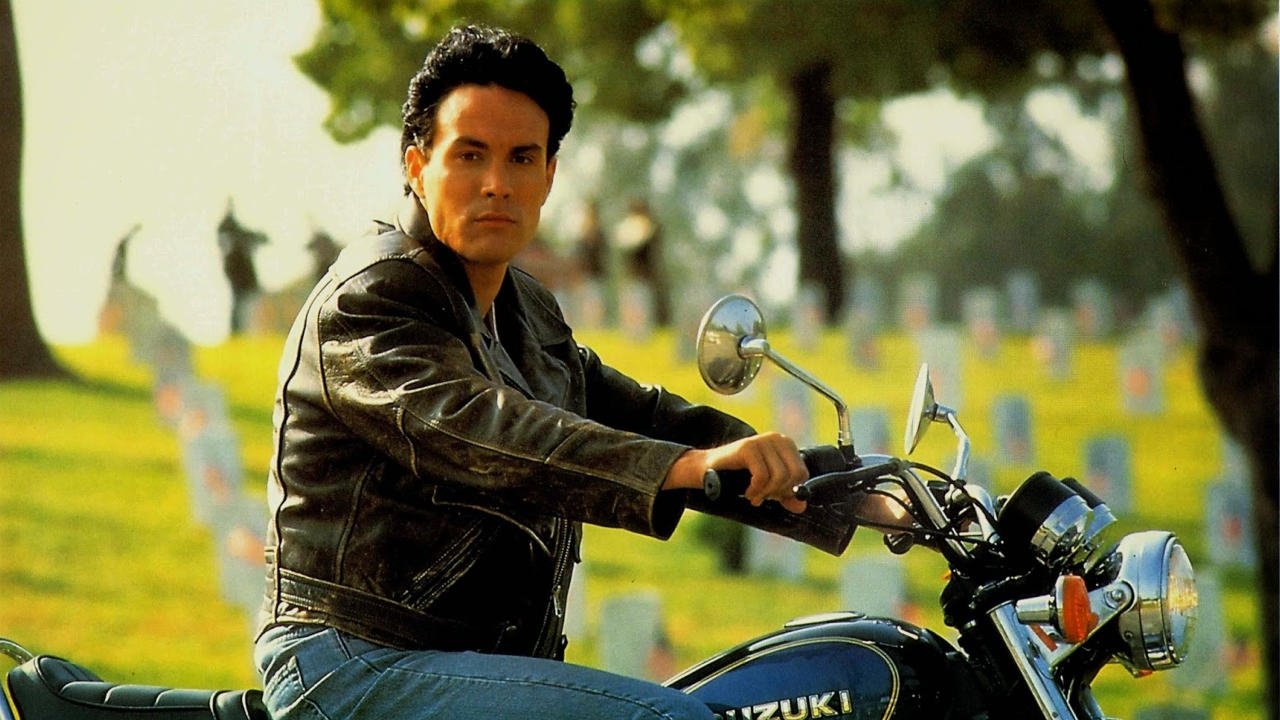
Rating: 7.5 / 10
Justification: The rating reflects a genuinely well-made action film for its time, elevated significantly by Lee's star-making performance and Little's effective direction of practical action. It's tightly paced and delivers exactly what it promises. It loses a couple of points for a somewhat standard plot and moments that feel distinctly 'of their time', but its strengths, particularly Lee and the action choreography, make it a standout in the VHS action library.
Final Thought: Rapid Fire hits like a perfectly executed roundhouse kick from the past – sharp, impactful, and a potent reminder of Brandon Lee’s tragically brief, bright spark, captured forever on magnetic tape. It’s still a blast to watch, fuzzy tracking lines and all.