It’s a question that echoes through stories across time: can one person truly make a ripple, let alone a wave, against the crushing tide of systemic injustice? John G. Avildsen’s 1992 adaptation of Bryce Courtenay’s sprawling novel, The Power of One, tackles this very notion head-on, transporting us to the deeply divided landscape of mid-20th century South Africa. This wasn't your typical Friday night rental grab back in the day; nestled between the action flicks and comedies on the video store shelf, its cover art hinted at something grander, perhaps more challenging. And watching it again now, decades later, its earnest ambition and potent performances still resonate, even if viewed through the lens of historical hindsight.
A Seed Planted in Harsh Soil
The film follows the life of P.K., an English boy orphaned in South Africa during a period simmering with racial tension and burgeoning apartheid. From the outset, P.K. is an outsider – the "Engelsman," the "rooinek" – subjected to brutal bullying at an Afrikaans boarding school. These early scenes are tough, establishing the harsh realities P.K. must navigate. It’s here the core theme emerges: survival not just through endurance, but through finding inner strength and connection. The film could easily have become relentlessly bleak, but Avildsen, known for underdog tales like Rocky (1976) and The Karate Kid (1984), finds sparks of light in the mentors P.K. encounters.
Guidance from Unlikely Corners

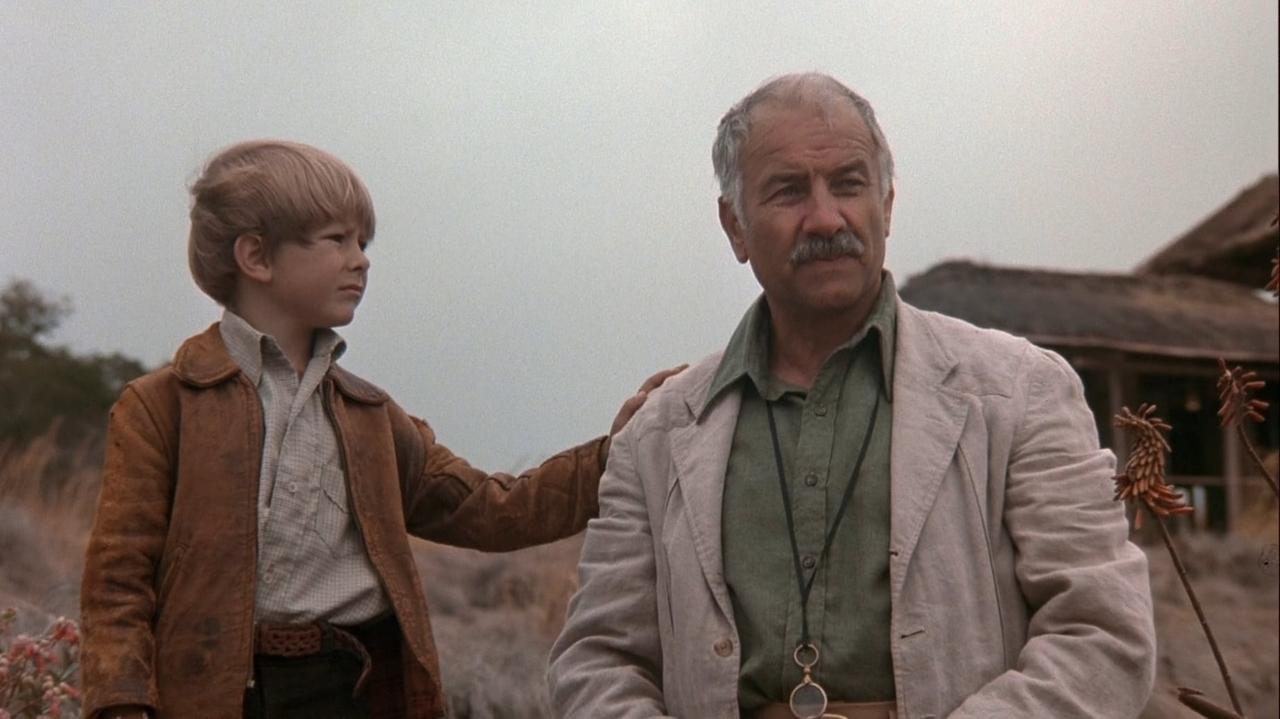
Two performances, in particular, anchor the film’s emotional weight. Armin Mueller-Stahl is simply wonderful as "Doc," a German pianist and botanist interned during WWII. Doc introduces P.K. to intellectual curiosity, the beauty of music, and a philosophy of individuality ("Little beat big when little smart. First with head, then with heart."). Mueller-Stahl imbues Doc with a gentle wisdom and quiet resilience that feels utterly authentic. His presence is a balm in the film's often-harsh world.
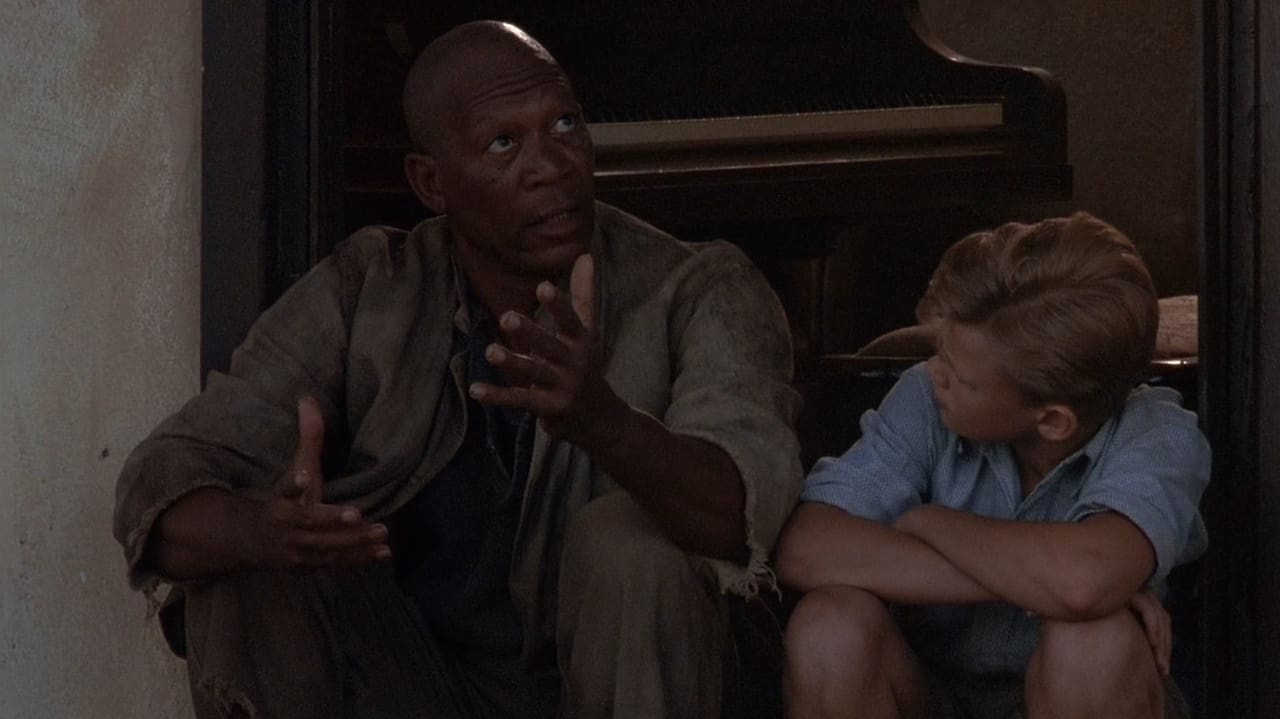
Then there’s Morgan Freeman as Geel Piet, a prisoner who teaches the adolescent P.K. (played with sensitivity first by Simon Fenton, then Guy Witcher, before Stephen Dorff takes over for the final act) the art of boxing. Freeman, already radiating the gravitas that would become his hallmark, delivers a performance of immense dignity and quiet power. Geel Piet isn't just teaching P.K. to fight; he’s teaching him discipline, respect, and how to channel his anger. Their relationship, built on mutual respect across racial divides within the prison walls, is the heart of the film. Freeman’s portrayal is so central that it's hard to imagine anyone else embodying Geel Piet's quiet strength. Interestingly, adapting Courtenay’s massive 500+ page novel required screenwriter Robert Mark Kamen (who also penned The Karate Kid) to make significant changes, including merging characters and altering plotlines to fit a cinematic structure – Geel Piet's role, while pivotal, is somewhat expanded and shifted compared to the book.
Finding a Voice, Wielding Fists
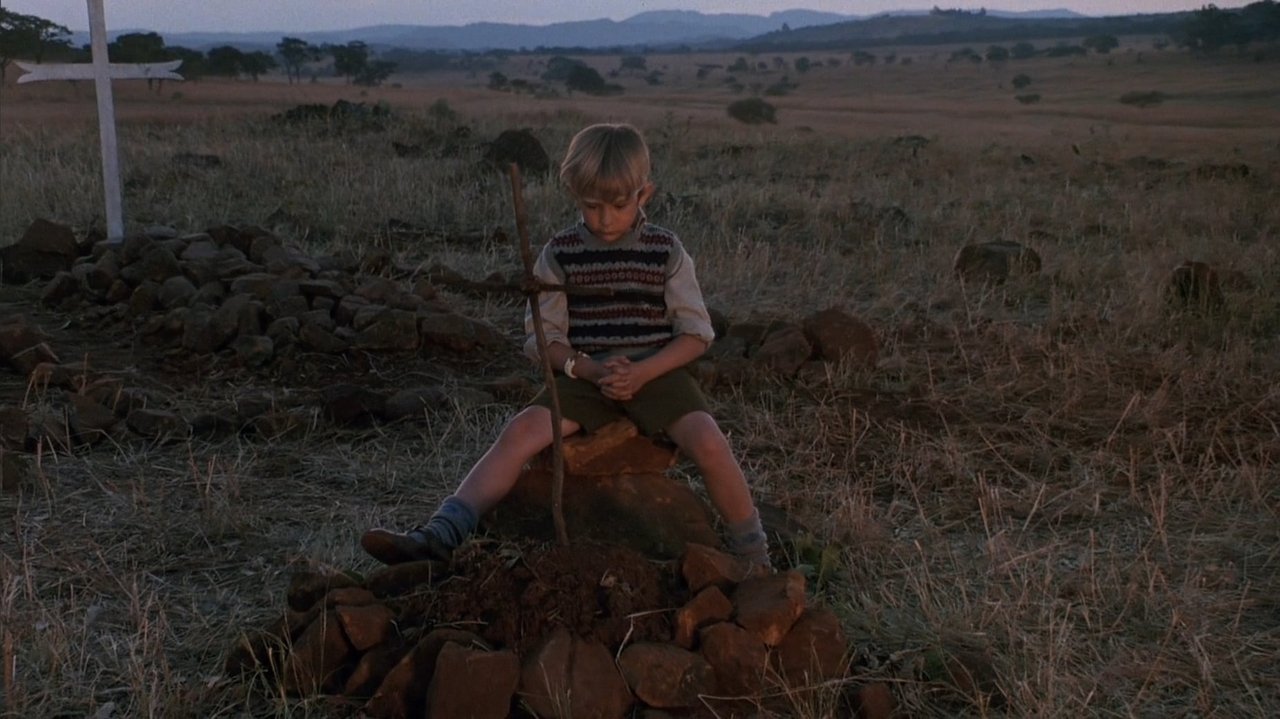
As P.K. grows into young adulthood, portrayed by a brooding Stephen Dorff, the film shifts focus. He becomes a symbol of hope, the "Rainmaker," bridging divides through his boxing prowess and his willingness to stand against injustice. Dorff captures the intensity and the internal conflict of a young man forged in hardship, now trying to find his place and purpose. The boxing sequences, unsurprisingly given Avildsen's pedigree, are well-staged, serving as metaphors for the larger struggles P.K. faces. They aren't just fights; they are expressions of defiance and spirit. It's fascinating that Avildsen, having defined the underdog sports drama, returned to similar themes but placed them within such a profoundly serious historical context.
Wrestling with History and Narrative
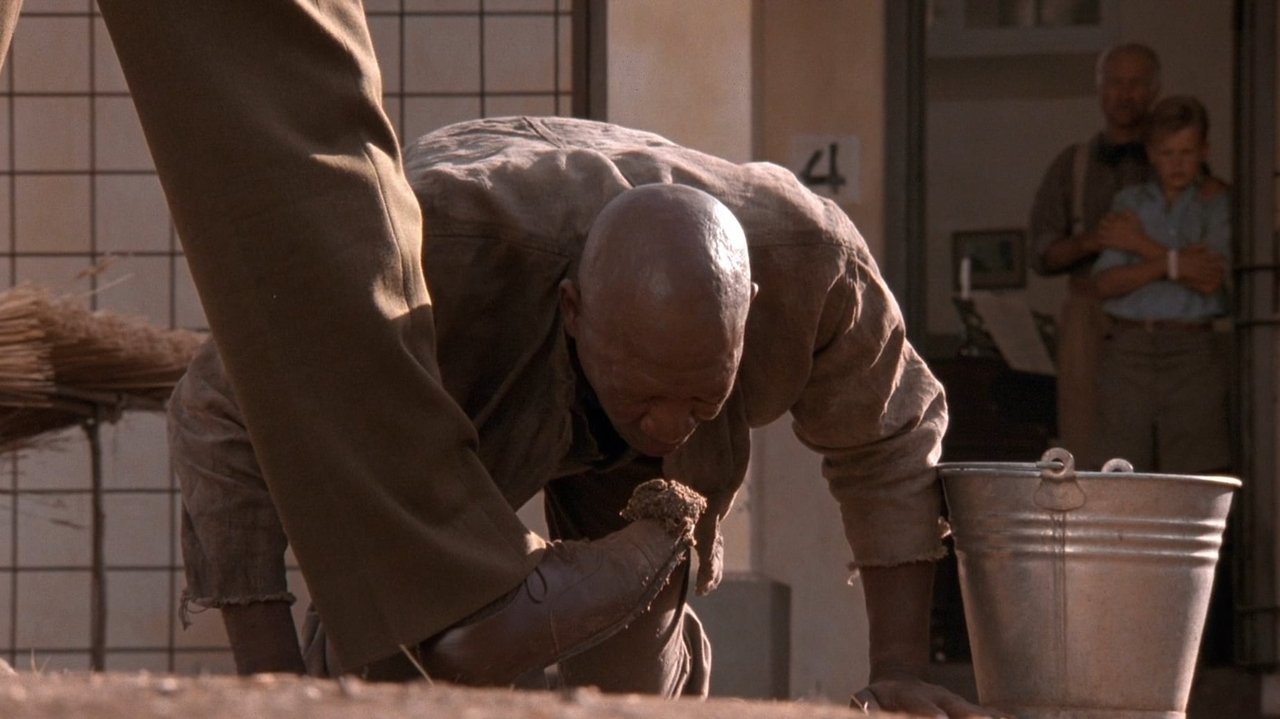
The Power of One doesn't shy away from the brutality of apartheid, depicting police crackdowns and the casual dehumanization that permeated South African society. Filming itself had to navigate the political climate; due to the ongoing cultural boycott against apartheid South Africa, much of the movie was actually shot on location in Zimbabwe, with London standing in for some other scenes. This production reality subtly underscores the very conflict the film portrays.
However, watching it today, one might also critique its tendency towards a "white savior" narrative trope, centering the struggle against apartheid primarily through the experiences of its white protagonist. While P.K. allies himself with the oppressed and fights for justice, the focus remains largely on his journey. It’s an earnest film, full of heart and good intentions, but its perspective feels very much of its time – a Hollywood attempt to grapple with complex history through a somewhat simplified, albeit moving, lens. The film ultimately underperformed at the box office, bringing in only around $2.8 million domestically against an estimated $18 million budget, perhaps indicating audiences weren't quite ready for this blend of historical drama and boxing tale.
Despite these complexities, the film's core message about individual courage and the importance of mentorship remains powerful. The score by Hans Zimmer, sweeping and evocative, certainly adds to the film's epic feel, capturing both the beauty of the African landscape and the gravity of the human drama unfolding within it.
***
Rating: 7/10
The Power of One is a deeply earnest and often moving film, bolstered by truly outstanding performances, particularly from Morgan Freeman and Armin Mueller-Stahl. While its narrative approach to the complexities of apartheid might feel dated or simplified to modern eyes, and its box office performance reflected a struggle to find its audience, its exploration of resilience, mentorship, and the potential for individual action against overwhelming odds still holds weight. It might not have been the flashiest tape on the rental shelf, but revisiting it offers a rewarding, thoughtful experience – a reminder of those ambitious dramas the 90s occasionally dared to make. It leaves you pondering not just P.K.'s journey, but the quiet strength found in human connection, even in the darkest of times.