There's a certain kind of film that doesn't announce itself with fanfare. It arrives quietly, maybe on a tape rented from the 'World Cinema' shelf you didn't usually browse, its stark cover art a stark contrast to the explosive graphics nearby. Luc and Jean-Pierre Dardenne's 1996 breakthrough, La Promesse (The Promise), is precisely that kind of film – an unassuming package containing a seismic emotional and moral impact that stays with you long after the VCR has clicked off. It doesn't gently invite you in; it plunges you headfirst into the grimy world of its characters and forces you to confront uncomfortable truths.

Into the Grey Streets of Seraing
The setting is Seraing, a struggling industrial town in Belgium, captured by the Dardenne brothers with an unflinching, documentary-like realism. We follow 15-year-old Igor (Jérémie Renier in a stunning debut) who works for his father, Roger (Olivier Gourmet, already displaying the grounded intensity that would make him a Dardenne regular). Roger isn't just a father; he's a slumlord and trafficker, exploiting undocumented immigrants with callous efficiency. Igor is his apprentice, learning the ropes of this morally bankrupt trade, seemingly numb to the human cost. Life is bleak, transactional, devoid of warmth – until an accident changes everything. Hamidou, one of the immigrants, falls from scaffolding. As he lies dying, hidden away by Roger to avoid authorities, he makes Igor promise to look after his wife, Assita (Assita Ouédraogo), and their baby. This promise becomes the film's haunting, driving force.
The Weight of a Child's Conscience
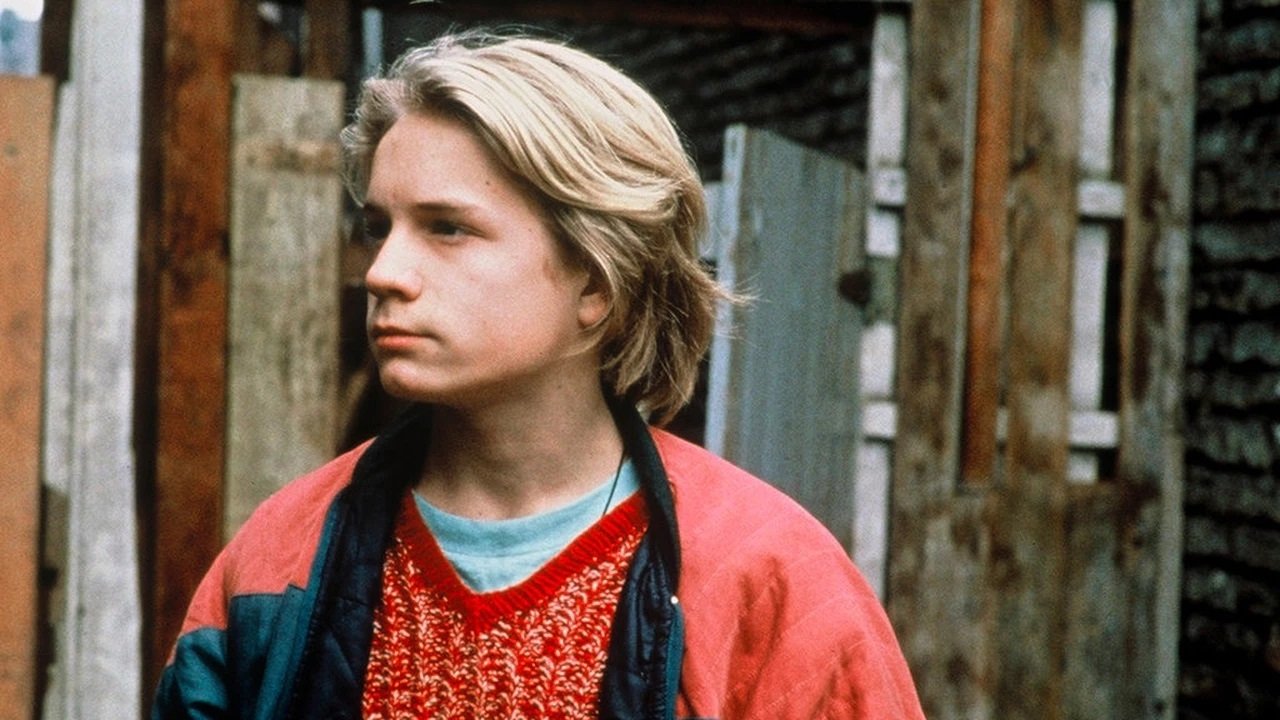
What unfolds isn't a typical thriller or melodrama. It's a slow, agonizing burn as Igor grapples with the promise he made. The Dardenne brothers, who also wrote the script, masterfully employ their signature style here: restless handheld camerawork that sticks close to Igor, often literally looking over his shoulder, immersing us in his frantic energy and growing panic. There’s little non-diegetic music; the soundtrack is the harsh reality of the streets, the clatter of dilapidated buildings, the strained silences heavy with unspoken fear and guilt. This raw immediacy makes Igor's burgeoning conscience feel utterly tangible. We witness his internal battle not through expository dialogue, but through furtive glances, hesitant actions, and the gradual shifting of his loyalties.
Finding a young actor capable of conveying such complex inner turmoil without resorting to overt emoting was crucial. The story goes that the Dardennes auditioned numerous boys before finding Jérémie Renier. His performance is nothing short of miraculous for a debut. He embodies Igor's initial complicity and gradual awakening with a naturalism that avoids any hint of precociousness. It’s a physical performance as much as an emotional one – the way he moves, fidgets, observes – it all speaks volumes. Alongside him, Olivier Gourmet is terrifyingly believable as Roger, a man whose casual cruelty stems not from mustache-twirling villainy, but from a deep-seated survival instinct warped into pure exploitation. His affection for Igor is real, but chillingly conditional on his son's obedience within their corrupt world. And Assita Ouédraogo, essentially playing a version of herself (a common Dardenne technique), brings a quiet dignity and resilience to Assita, making her plight – and Igor's promise – all the more resonant.
A Raw Nerve Exposed

La Promesse doesn't offer easy answers. It lays bare the grim realities of immigrant exploitation, a theme depressingly relevant then and now. But its core is the intimate, harrowing story of a boy forced to confront the moral vacuum created by his father and decide what kind of person he will become. Can loyalty to family supersede fundamental human decency? What does it truly cost to keep a promise, especially one made under duress to a dying man? The film forces us, the viewers, to wrestle with these questions alongside Igor. The brothers reportedly shot on 16mm film, partly for budget reasons common to independent European cinema of the era, but the resulting graininess enhances the film's raw, unvarnished feel, perfectly suiting the subject matter. It feels worlds away from the slick gloss of many Hollywood films sharing shelf space back in the day, which perhaps explains why it hit so hard – it felt real in a way few films did.
This wasn't just another movie; it felt like a vital dispatch from a world unseen by many. La Promesse marked a significant arrival for the Dardenne brothers, establishing the naturalist style and ethical concerns that would define their acclaimed career, leading to multiple Palme d'Or wins at Cannes for later films like Rosetta (1999) and L'Enfant (The Child) (2005). Watching it again now, its power hasn't diminished one bit. It’s a testament to storytelling stripped bare, focusing intently on human behavior under pressure.
Rating: 9/10
This rating reflects the film's raw power, its exceptional performances (especially Renier's debut), and the Dardennes' masterful control of their craft. It’s a near-perfect execution of social realist filmmaking that achieves profound emotional depth without manipulation. The handheld camera might feel slightly less novel now, but its effectiveness here is undeniable, immersing the viewer completely. It earns its high score through sheer authenticity and the weight of the moral questions it forces upon us.
La Promesse is one of those films that burrows under your skin. It doesn't entertain in the conventional sense, but it demands your attention and leaves you contemplating the invisible struggles happening just beyond our comfortable view, and the quiet moments where humanity, against all odds, might just flicker to life. What lingers most is the haunting face of a boy carrying a burden far too heavy for his young shoulders.