Okay, fellow tape travelers, let's dim the lights and settle in. Sometimes, nestled amongst the explosive blockbusters and neon-soaked action flicks on those towering video store shelves, you'd find something... different. Something quiet, almost unnervingly still, that promised a journey unlike the usual weekend rental fare. Today, we're dusting off a tape that definitely fits that bill: Tsai Ming-liang’s haunting 1994 masterpiece, Vive L'Amour (愛情的萬歲). Forget the explosions; this one detonates softly, deep within the viewer.
### Echoes in an Empty Room
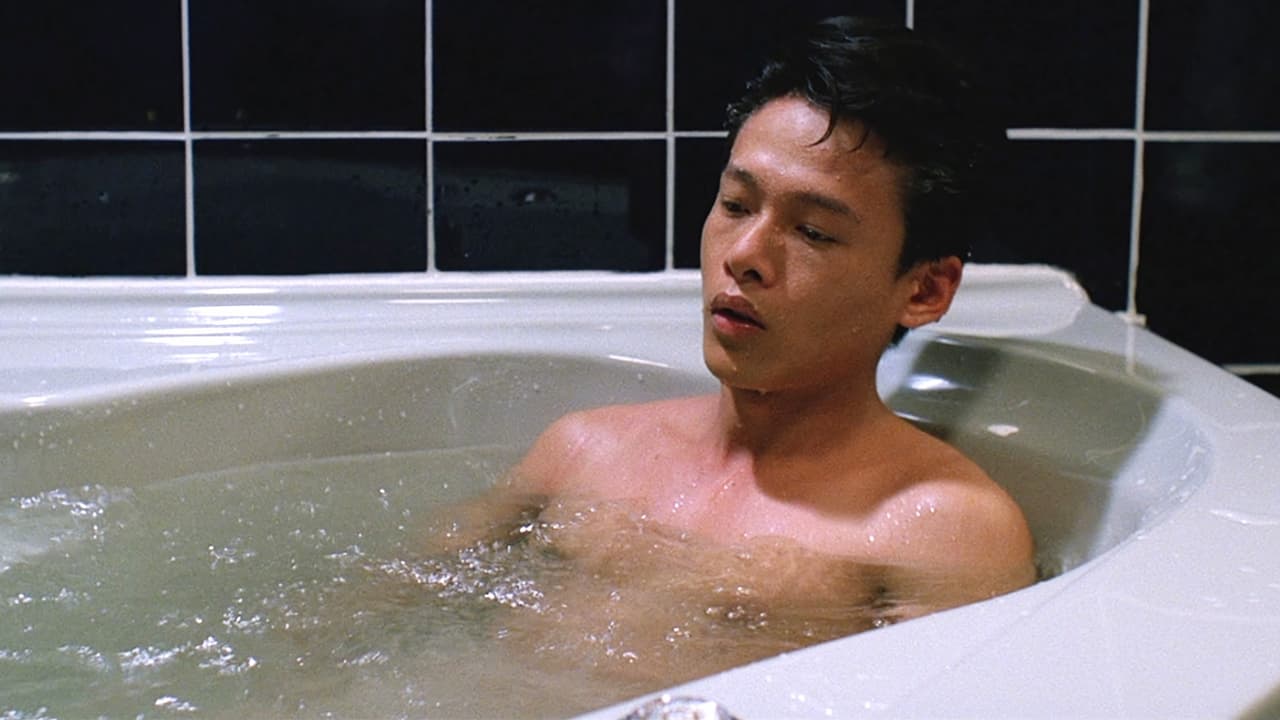
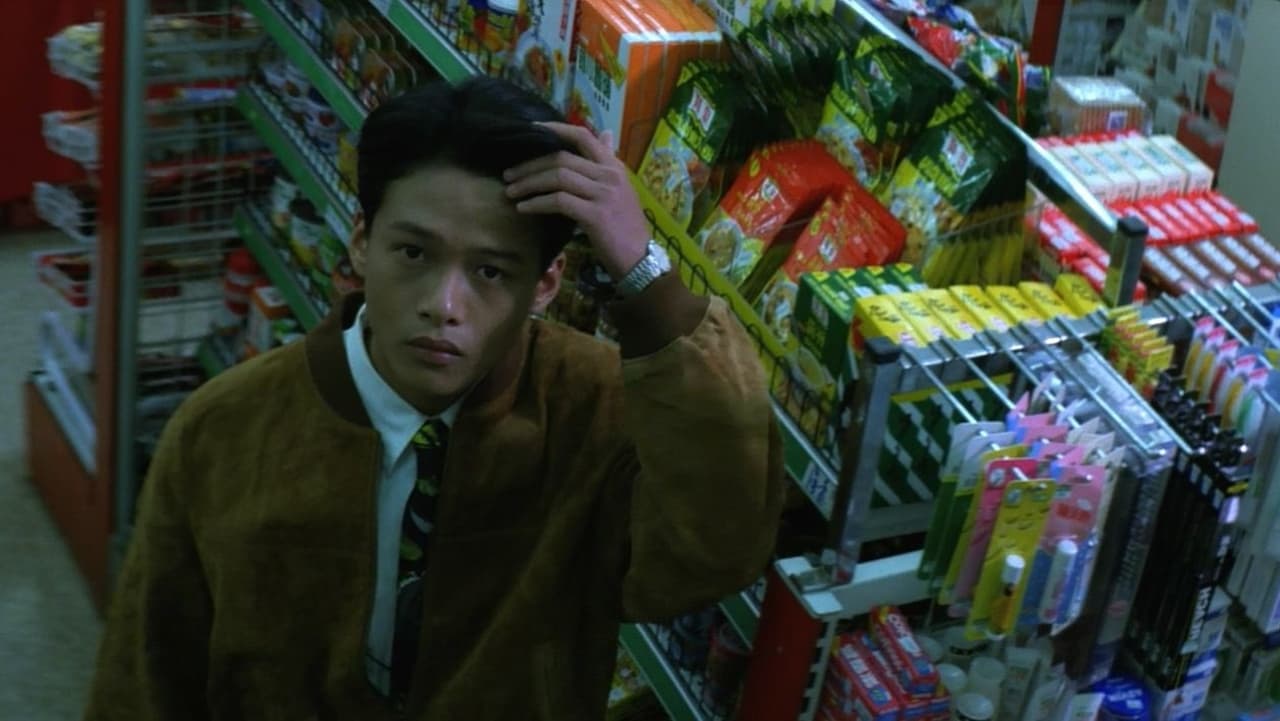
What stays with you, long after the static hiss of the tape rewinding, is the profound sense of quiet that permeates Vive L'Amour. This isn't the companionable silence of shared understanding, but the aching void of urban isolation. The film drifts through the lives of three solitary souls in Taipei: May Lin (Yang Kuei-mei), a struggling real estate agent using a vacant luxury apartment for clandestine trysts; Hsiao-kang (Lee Kang-sheng, Tsai's perennial muse whom the director famously discovered playing video games in an arcade), a deeply introverted young man who pilfers the key and claims the empty space as his own secret refuge; and Ah-jung (Chen Chao-jung), a street vendor who becomes May Lin's lover and crosses paths, unknowingly, with Hsiao-kang.
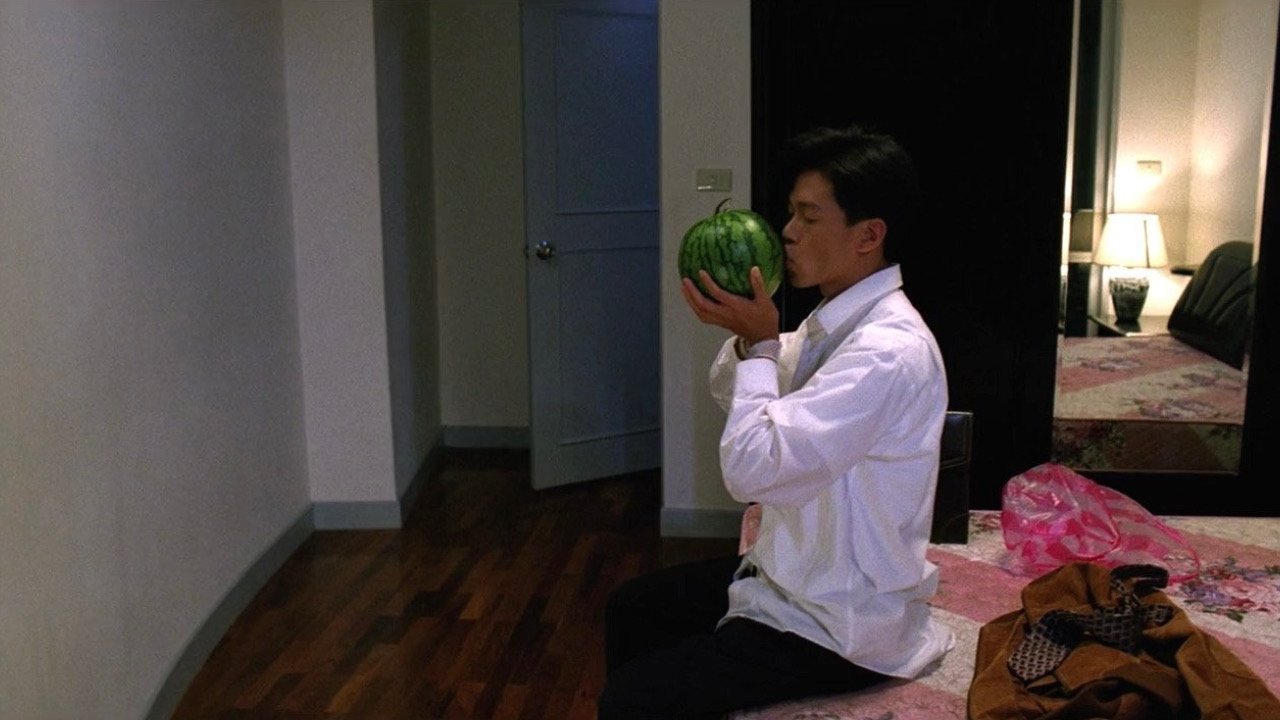
Their lives intersect, sometimes literally occupying the same bed at different times, yet they remain profoundly separate, like planets orbiting a sun that isn't there. The apartment itself becomes a fourth character – sleek, modern, impersonal, a potent symbol of the emptiness they all carry within them despite the bustling city outside. Tsai Ming-liang, already establishing the minimalist style that would define his career (and later give us films like The River (1997) and What Time Is It There? (2001)), uses long, deliberate takes and next to no dialogue. It forces us to simply watch, to observe the subtle shifts in body language, the glances that miss their mark, the gestures heavy with unspoken longing.

### The Eloquence of Silence
The lack of dialogue might sound challenging, perhaps even alienating, especially compared to the rapid-fire quips of many 90s favourites. But here, it's precisely the point. The performances are astonishingly raw and vulnerable. Yang Kuei-mei conveys May Lin’s brittle desperation and fleeting moments of pleasure with heartbreaking clarity. Chen Chao-jung brings a casual confidence to Ah-jung that masks his own underlying aimlessness. And Lee Kang-sheng... well, his Hsiao-kang is a masterclass in conveying deep alienation through stillness. His character barely speaks, yet his loneliness is palpable in every frame – whether he's trying on May Lin's dress in a moment of confused identity or simply lying on the bed, adrift in the borrowed space.
You get the sense that Tsai didn't give his actors pages of script but rather scenarios, trusting their ability to simply be within the meticulously crafted environment. This approach lends an almost documentary-like feel, a sense that we're eavesdropping on lives unfolding in real time. There’s a fascinating anecdote that Tsai often shoots scenes in sequence and doesn't always tell his actors the full arc beforehand, aiming for authentic reactions and a sense of discovery during the filming process. It pays off immensely here, creating moments of profound, unvarnished humanity.
### Beyond the Blockbusters: A Different 90s Vibe
Vive L'Amour arrived in 1994, the same year audiences flocked to see Pulp Fiction, Forrest Gump, and The Lion King. It's safe to say Tsai Ming-liang's meditative study of urban despair wasn't exactly playing on multiple screens at the multiplex. Yet, it resonated powerfully on the international stage, sharing the prestigious Golden Lion award at the Venice Film Festival with Before the Rain (1994). Seeing it now, perhaps on a worn VHS copy found deep in a collector’s stash, feels like uncovering a hidden frequency from the era – a quieter, more contemplative signal beneath the pop-culture noise.
It wasn't trying to entertain in the conventional sense; it was holding up a mirror to a specific kind of modern malaise, the feeling of being surrounded by people yet utterly alone. Doesn't that feeling still echo today, perhaps even more loudly in our hyper-connected world? The film doesn't offer easy answers or neat resolutions. The title, Vive L'Amour ("Long Live Love"), hangs ironically over the proceedings. Love, or even simple connection, seems perpetually out of reach for these characters, glimpsed only in fleeting, often unsatisfying encounters.
### The Lingering Resonance
Spoiler Alert for the final scene!
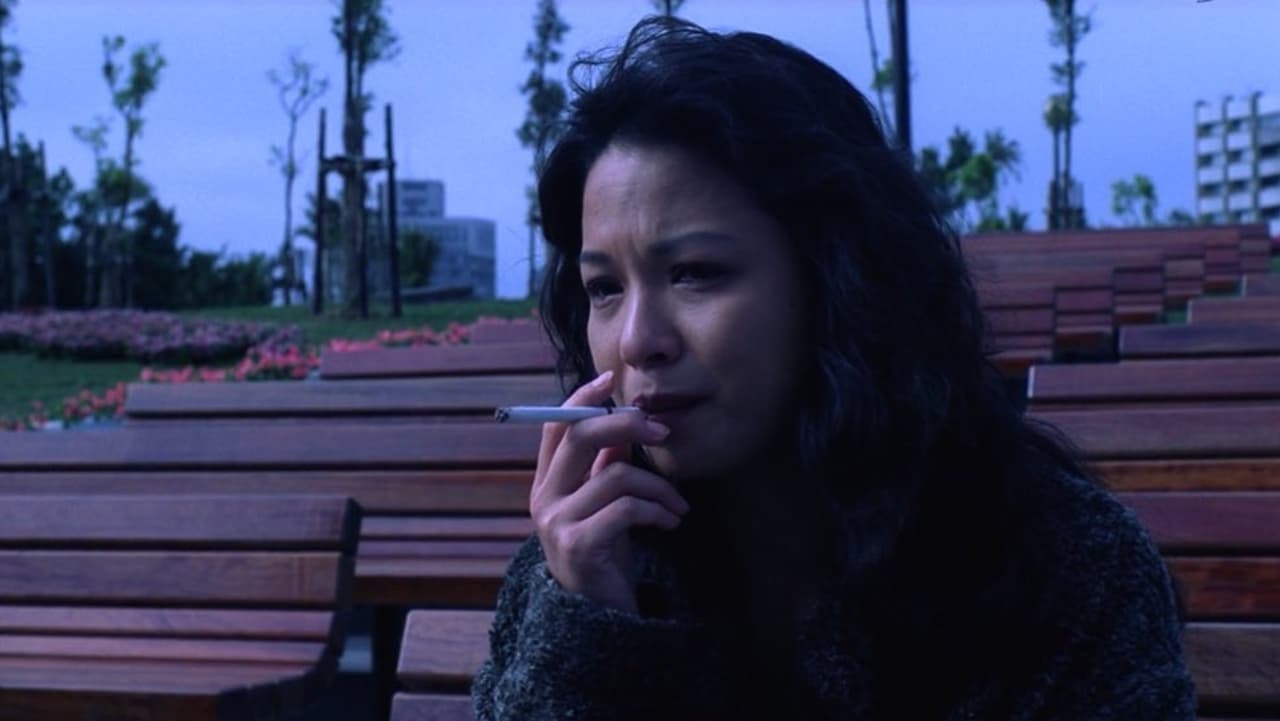
Perhaps the most discussed, and certainly unforgettable, sequence is the film's ending. After navigating the near-silent emotional landscape for nearly two hours, we are left with May Lin sitting alone on a park bench in the newly opened Da'an Forest Park, weeping uncontrollably for several minutes in one unbroken shot. It’s a staggering piece of acting from Yang Kuei-mei, a cathartic release of all the pent-up frustration, loneliness, and quiet desperation her character (and perhaps, by extension, the others) has endured. There's no musical cue to tell us how to feel, no cutaway. Just a human being confronting the weight of her existence. It’s devastating, powerful, and utterly unique. Apparently, Tsai simply instructed Yang to walk through the park and find a place to cry, letting the camera roll. The result is pure, unmediated emotion.
End Spoiler
Vive L'Amour isn't a casual watch. It demands patience and attentiveness. It won't provide the easy comforts or adrenaline rushes found elsewhere on the VHS Heaven shelves. But for those willing to tune into its quiet frequency, it offers something far more profound: a deeply moving, sometimes unsettling, but ultimately unforgettable portrait of human vulnerability. It’s a reminder that even in the decade of grunge and dial-up, filmmakers were crafting powerful, minimalist works that explored the complexities of the human heart with devastating honesty.
Rating: 9/10
This score reflects the film's artistic brilliance, its masterful direction, and the unforgettable, authentic performances. It’s a near-perfect execution of its specific, challenging vision. While its deliberate pace and minimal dialogue might not be for everyone seeking typical 90s entertainment, its power and thematic depth are undeniable, marking it as a landmark of Taiwanese cinema and a starkly resonant piece of filmmaking.
Final Thought: What lingers most isn't just the loneliness, but the shared human need for connection, however imperfectly sought or tragically missed, echoing long after the screen goes dark. A quiet giant from the VHS era.