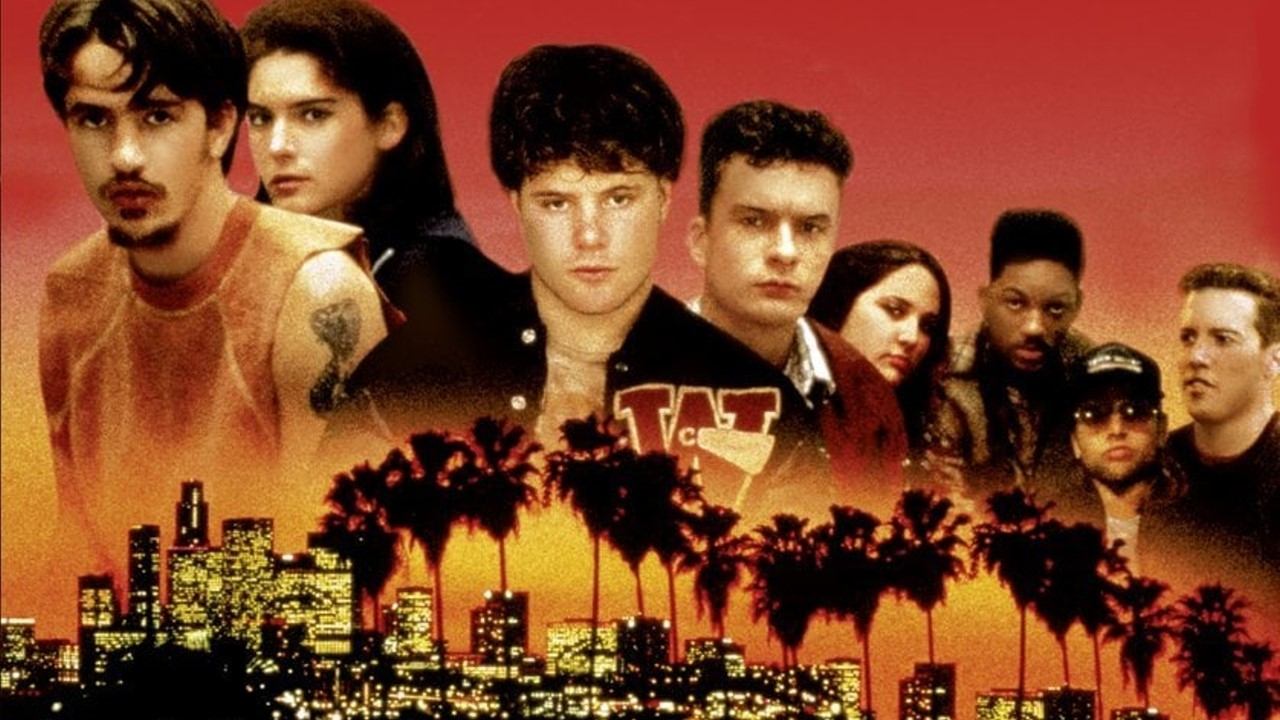
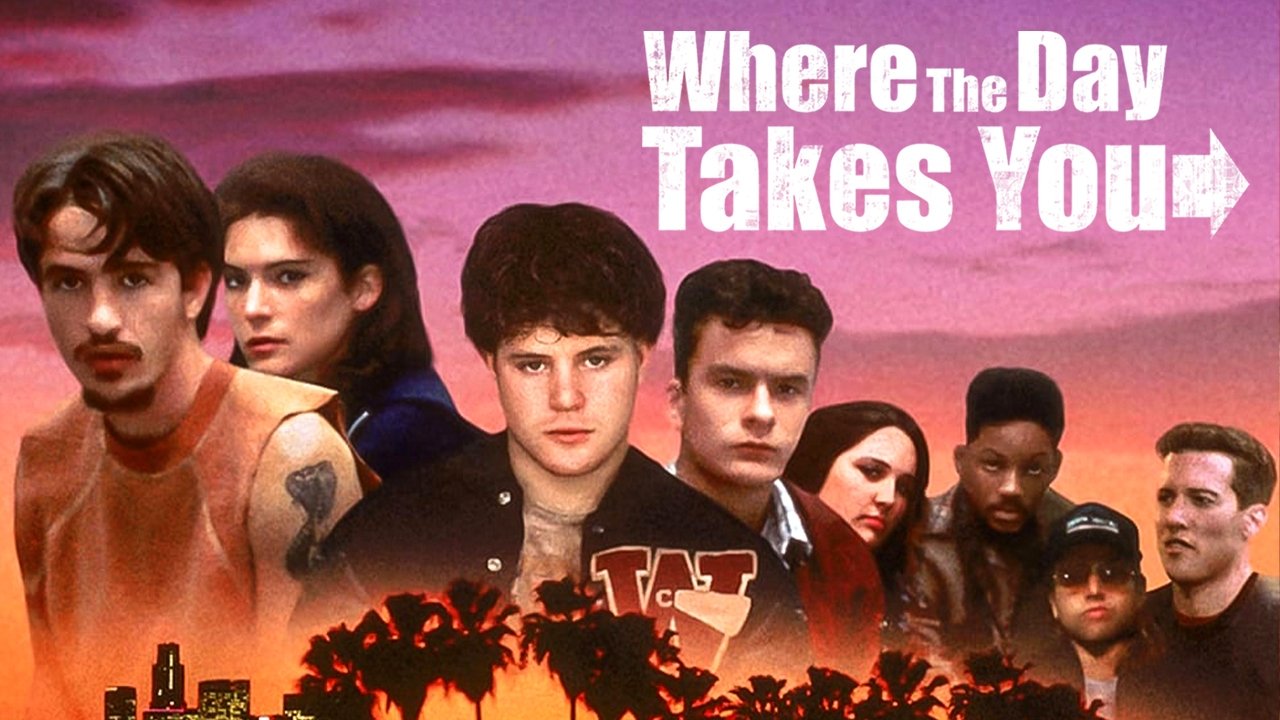
There's a certain kind of ache that settles in after watching Where the Day Takes You. It’s not the sharp sting of tragedy, but a dull, persistent throb – the kind that reminds you of bruises you didn't realize you had. Released in 1992, this film plunges us headfirst into the lives of teenage runaways navigating the precarious, often brutal, ecosystem of Hollywood Boulevard. It bypasses the glittering facade of Tinseltown entirely, focusing instead on the shadows where dreams curdle into desperation. Rewatching it now, decades removed from its initial release often found tucked away on a video store shelf, its raw energy and unflinching honesty feel remarkably potent, perhaps even more so in retrospect.
Beneath the Neon Glow
The film doesn’t waste time with lengthy exposition. We're dropped in media res into the world of King (Dermot Mulroney), the weary de facto leader of a small tribe of street kids. He carries the weight of responsibility, a desire for something more warring with the immediate need for survival. Director Marc Rocco, who also co-wrote the screenplay, crafts an atmosphere thick with authenticity. There's a palpable sense of place; the sun-baked, sometimes grimy sidewalks of Hollywood aren't just a backdrop, they're a character, both provider and predator. Rocco, son of veteran actor Alex Rocco, reportedly spent considerable time interviewing actual runaways before production, and that dedication bleeds onto the screen. It avoids easy moralizing, presenting the lives of these kids – their hustles, their addictions, their fleeting joys and crushing disappointments – with a stark, observational eye.
A Constellation of Young Talent
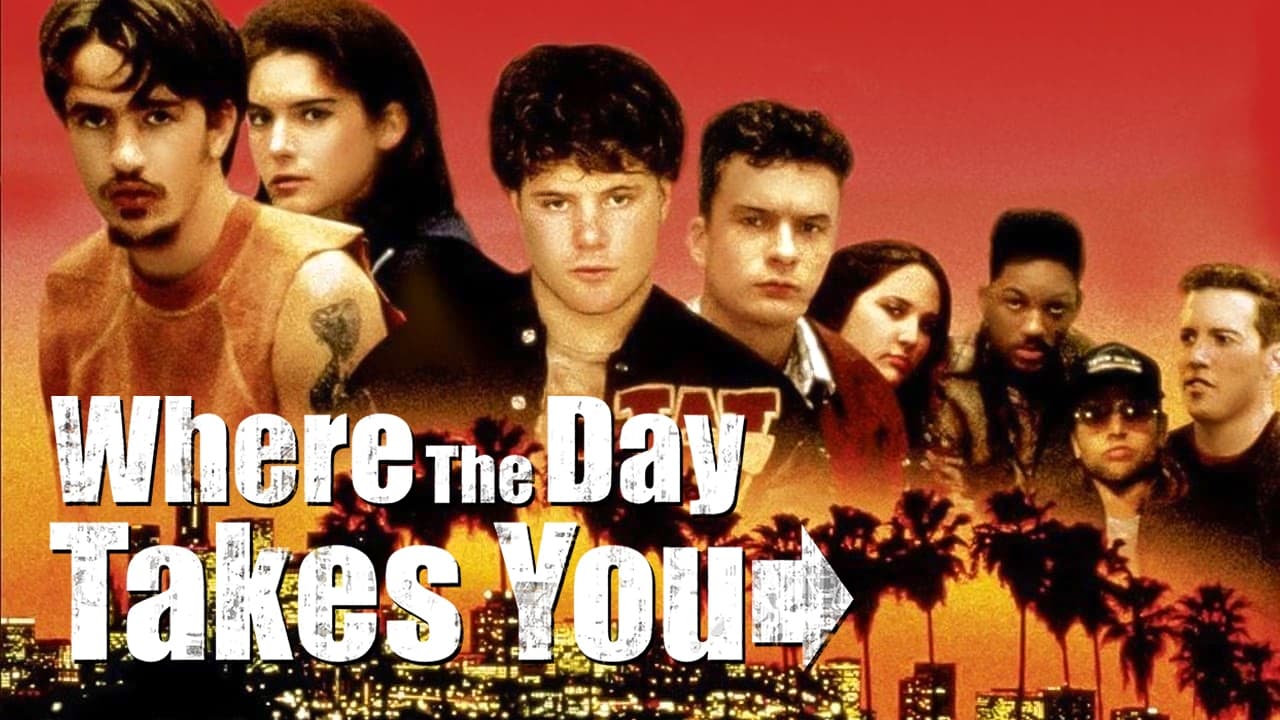
What truly elevates Where the Day Takes You beyond a simple social issue drama is its astonishing ensemble cast, a snapshot of young actors on the cusp of wider recognition. Dermot Mulroney, exudes a bruised charisma as King. He’s the anchor, his weariness and flickering hope grounding the narrative. His struggle to leave the life, complicated by his protective instincts towards his crew, forms the film's emotional core.
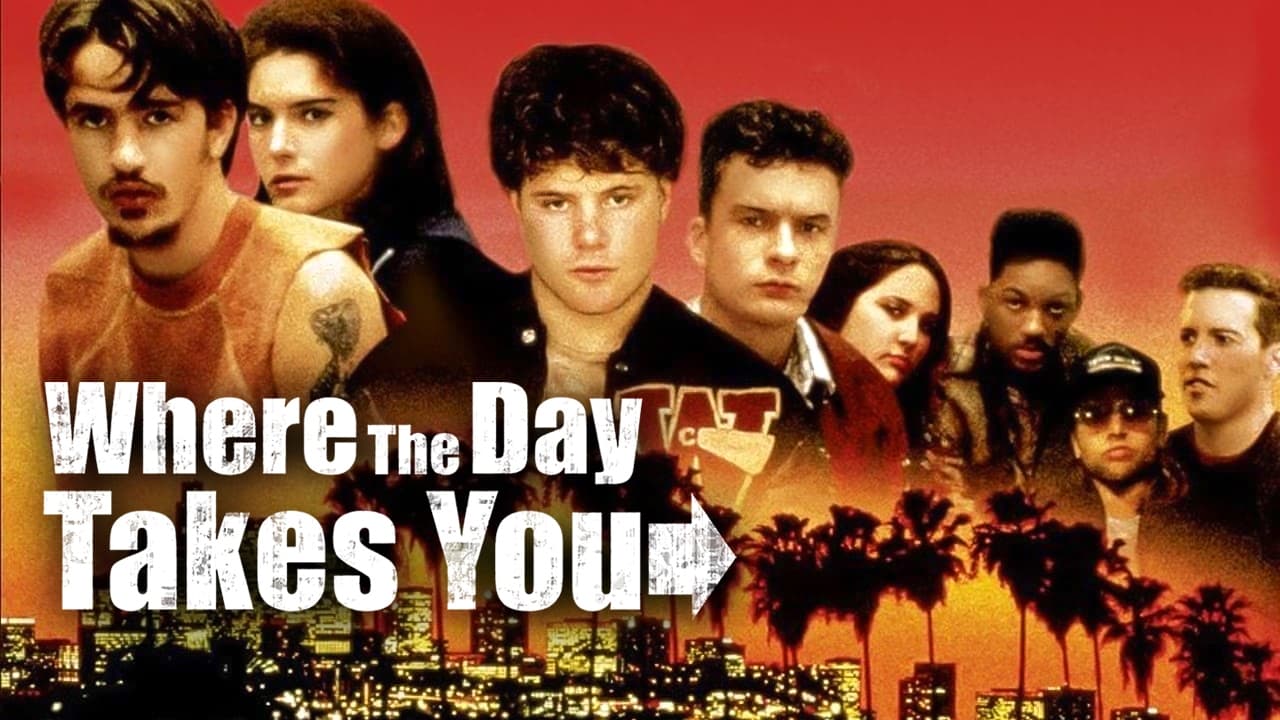
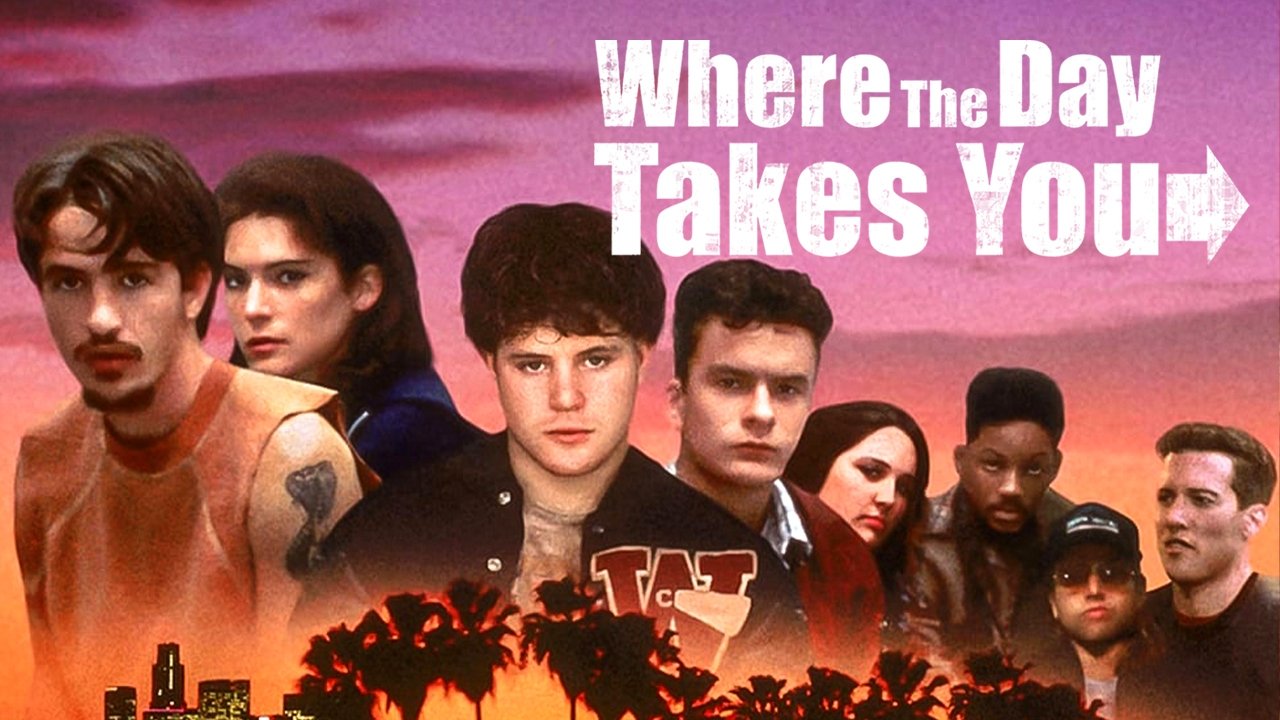
Alongside him, Sean Astin, just a few years past his Goonies (1985) fame, delivers a heartbreaking performance as Greg, the newest arrival whose vulnerability makes him an immediate target. Balthazar Getty is haunting as Little J, embodying the tragic trajectory of addiction and self-destruction that looms over them all. Lara Flynn Boyle brings a brittle strength to Heather, while Ricki Lake (pre-talk show fame) offers moments of levity and warmth as Brenda. Even a pre-superstardom Will Smith, in one of his earliest film roles, makes a distinct impression as Manny, a disabled panhandler, showcasing flashes of the screen presence that would soon conquer Hollywood. It’s fascinating to watch them now, knowing the varied paths their careers would take, captured here with such raw, unvarnished energy. The chemistry between them feels genuine, forged in the shared experience Rocco fostered on set.
The Grit Behind the Image
Filmed for a modest $3 million, largely on the actual streets depicted, the production itself mirrors the resourcefulness of its characters. Rocco opted for a cinéma vérité feel, often using handheld cameras to immerse the viewer in the chaotic immediacy of their lives. This wasn't the polished Hollywood; it was the lived-in reality just beneath the surface. You can almost smell the exhaust fumes and stale desperation. This commitment to realism extends to the narrative; there are no easy outs, no magical interventions. Choices have consequences, often devastating ones. The film doesn't shy away from the darker aspects – drug use, prostitution, violence – treating them not as sensational plot points, but as grim facets of survival. One wonders how jarring this must have felt for audiences in '92, expecting perhaps a more sanitized teen drama and instead getting this sobering dose of reality.
One particularly memorable detail involved the casting of Will Smith. Initially, his character Manny wasn't written as disabled. Smith himself suggested the addition, wanting to challenge himself and avoid being typecast early in his burgeoning film career after The Fresh Prince of Bel-Air. It's a small role, but his commitment speaks volumes about the collaborative and dedicated atmosphere Rocco cultivated. The authenticity wasn't just researched; it was actively sought by the performers themselves.
Echoes in the Present
Watching Where the Day Takes You on VHS back in the day felt like stumbling onto something important, something vital and maybe a little dangerous. It wasn't comfortable viewing, nestled between the action blockbusters and comedies that dominated rental shelves. It demanded attention, forcing a confrontation with realities many preferred to ignore. Doesn't the core struggle depicted – young people falling through the cracks, searching for connection and survival on the margins – still resonate profoundly today? The specific hairstyles and clothes might date it, but the human drama feels timeless, a stark reminder of the vulnerability hidden behind societal neglect.
The film doesn't offer solutions, but it powerfully illuminates the problem. It asks us to look, really look, at the faces often rendered invisible. What lingers most after the credits roll isn't just sadness, but a deep empathy for these characters, for the fragile bonds they form in the face of overwhelming hardship. It's a testament to the performances and Rocco's sensitive direction that these kids feel like real people, their fates mattering long after the tape stops.
Rating: 8/10
This score reflects the film's enduring power, driven by its exceptional ensemble cast delivering raw, authentic performances, and Marc Rocco's unflinching, near-documentary approach. While its bleakness can make it a difficult watch, its honesty and empathy are undeniable. The low budget occasionally shows, but it mostly enhances the gritty realism. It earns its emotional weight without resorting to manipulation.
Where the Day Takes You remains a vital piece of 90s independent cinema, a time capsule capturing not just a specific place and time, but also a constellation of young talent shining brightly even in the darkest circumstances. It’s a film that stays with you, a poignant, sometimes painful reminder of the lives lived just out of frame.