It starts with the heat, doesn't it? That thick, oppressive Alabama summer heat of 1965, clinging to everything in Crazy in Alabama. It’s a heat that promises thunderstorms, secrets simmering just below the surface, and maybe, just maybe, a chance for something extraordinary, or perhaps dangerous, to break through the humid stillness. This 1999 film, based on the novel by Mark Childress (who also penned the screenplay), arrived like a curious guest on the video store shelves – part quirky road movie, part coming-of-age drama, part pointed commentary on the Civil Rights struggle shaking the nation. It’s a film that doesn't quite fit neatly into any box, and maybe that's precisely its enduring, slightly off-kilter charm.
Hollywood Dreams and Hatbox Horrors
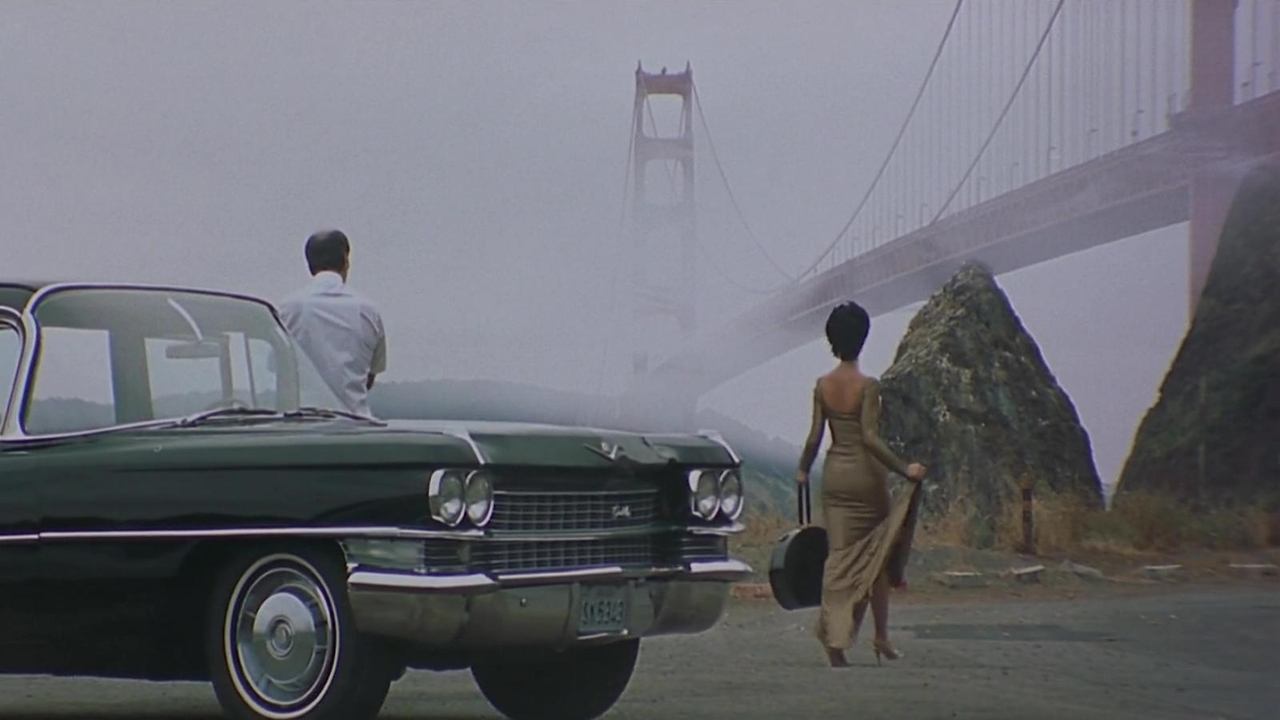
At the center of one storm is Lucille Vinson, played with a captivating blend of desperation and dazzling, almost naive optimism by Melanie Griffith. When we meet Lucille, she’s just dispatched her abusive husband (quite permanently, with his head ending up in a Tupperware hatbox) and is hitting the road for Hollywood in a stolen Cadillac convertible. It’s a jarringly bold act, fueled by dreams of television stardom and escaping a life that felt more like a cage. Griffith, then married to the film's director, embodies Lucille’s contradictions beautifully. There’s a fragility beneath the peroxide blonde hair and flamboyant outfits, a yearning for agency that feels both deeply personal and reflective of the broader societal changes bubbling up. Remember her Oscar-nominated turn in Working Girl (1988)? There's a similar thread here – a woman underestimated, pushing against limitations, albeit in a far more extreme and legally questionable manner. Her journey is a bizarre odyssey, a collision of glamour and grit that feels uniquely Southern Gothic.
An Unlikely Director's Vision
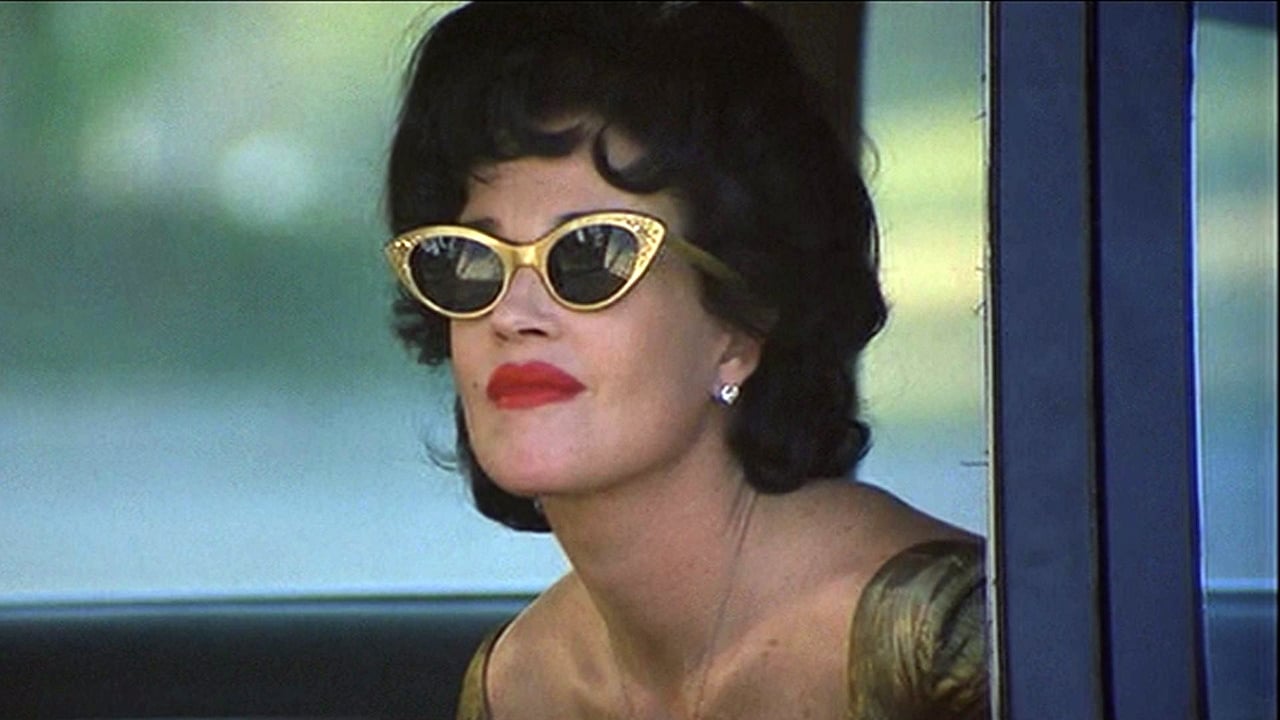
What often surprises folks remembering this movie is that it marked the directorial debut of Antonio Banderas. Known then for his magnetic on-screen roles in films like Desperado (1995) and Evita (1996), Banderas stepped behind the camera with clear passion for this story. You can sense his fascination with these layered American themes – freedom, oppression, the peculiar darkness that can hide behind small-town smiles. He navigates the film’s tonal shifts with a surprising degree of confidence, even if the seams sometimes show. It couldn't have been easy directing his then-wife in such a complex, demanding role, but the collaboration yields one of Griffith's most memorable late-career performances. Despite its pedigree and compelling premise, the film faced headwinds. Produced on a budget of around $15 million, it unfortunately only managed a domestic box office take of just over $2 million. Perhaps its unique blend of dark comedy and serious social commentary was a tougher sell than anticipated in the summer of '99.
Growing Up Amidst Turmoil
Running parallel to Lucille’s westward flight is the story of her young nephew, Peter Joseph, or Peejoe, played with remarkable naturalism by Lucas Black. Fresh off his striking debut in Sling Blade (1996), Black brings a quiet intensity to the role. While his glamorous aunt is making headlines, Peejoe is navigating the complexities of his small Alabama town, witnessing firsthand the ugly realities of racial injustice as the Civil Rights movement arrives, bringing with it protests, police brutality, and profound moral questions. His storyline grounds the film, offering a poignant counterpoint to Lucille’s fantastical escape. Through his eyes, we see the community grappling with change, the fear and hatred colliding with moments of courage and burgeoning understanding. The sequences depicting the stand-offs at the town swimming pool, starkly refusing integration, feel uncomfortably potent even today. Doesn't this juxtaposition force us to consider different kinds of cages – the literal ones Lucille flees, and the societal ones trapping Peejoe's community?
A Delicate Balance
The film’s greatest strength, and perhaps its most debated aspect, is its attempt to weave these two disparate narratives together. Does it entirely succeed? That’s open for discussion. At times, the shift between Lucille’s increasingly surreal journey and the grounded, painful realities of Peejoe’s experiences can feel abrupt. The connection – the idea that fighting for personal freedom (Lucille) and fighting for civil rights (Peejoe's narrative) are intertwined aspects of the same human struggle – is powerful, but the narrative threads don't always knot together seamlessly. The civil rights plotline, while impactful, occasionally feels less developed than Lucille's saga, perhaps a casualty of balancing the adaptation of Childress's rich novel. Yet, there's something admirable in the film's ambition, its refusal to shy away from depicting both the absurdity and the tragedy inherent in its setting and time. Supporting players like David Morse as Lucille’s pursuing husband (before his untimely demise) and Meat Loaf Aday add texture, though the focus firmly remains on Griffith and Black.
Legacy in the Dust
Crazy in Alabama might not be the first film that springs to mind when thinking of late-90s cinema, but it lingers. It has that distinct feel of a movie made just before the turn of the millennium – earnest in its handling of social issues, yet infused with a certain quirky indie spirit. It's a film that asks questions about freedom, identity, and the courage it takes to break from the mold, whether that mold is an abusive relationship or a deeply prejudiced society. I remember renting this one, drawn in by Griffith on the cover, and being surprised by the depth and darkness lurking beneath the seemingly eccentric premise. It felt different, ambitious, even if slightly unwieldy.
Rating: 7/10
This score reflects the film's undeniable strengths – primarily Melanie Griffith's committed and layered performance, Lucas Black's soulful presence, and Antonio Banderas's ambitious, if not entirely flawless, directorial vision. The atmosphere of the 1965 South is palpable, and the attempt to braid together personal liberation with the larger Civil Rights narrative is intellectually stimulating. However, the occasional tonal imbalance and the feeling that the two main plots don't fully coalesce prevent it from reaching greater heights. It remains a compelling, worthwhile watch, especially for those who appreciate films that dare to be a little strange, a little challenging, and carry a distinct fingerprint of their time.
It leaves you pondering the different ways people fight for their lives, whether with a gun and a stolen car, or with quiet defiance in the face of overwhelming injustice. A flawed but fascinating gem from the twilight of the VHS era.