Alright, alright, alright. Pull up a beanbag chair, maybe crack open a Tab if you can find one, because we're drifting back to the hazy, rock-fueled final day of school in 1976, courtesy of Richard Linklater's 1993 masterpiece, Dazed and Confused. This wasn't just another teen movie when it landed on video store shelves; picking up that distinctive VHS felt like unearthing a time capsule, a near-perfect distillation of adolescent aimlessness, awkwardness, and the intoxicating promise of summer freedom. It wasn't about a big game, a prom disaster, or saving the youth center – it was just... being. And that's precisely its magic.
Cruisin' Through the Last Day
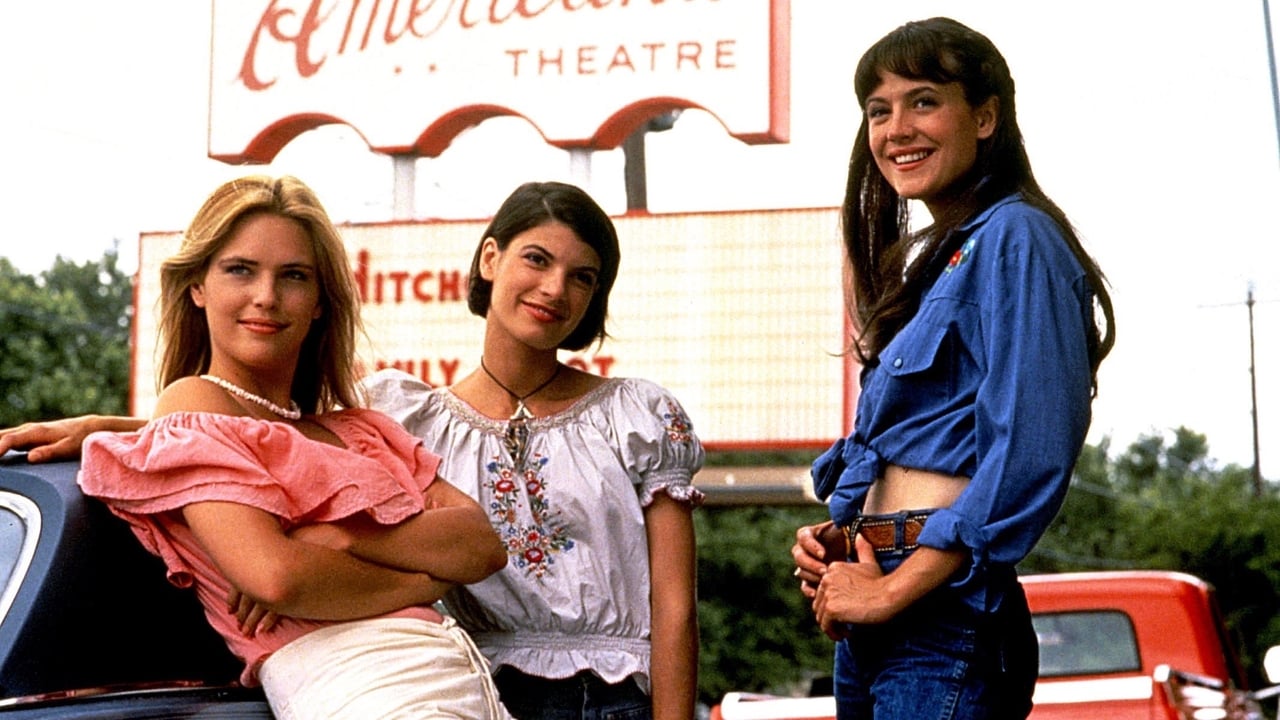
Set on May 28th, 1976, in suburban Texas, Dazed and Confused follows intersecting groups of teenagers as they navigate the rituals marking the transition from one school year to the next. We’ve got the incoming freshmen, like the thoughtful Mitch Kramer (Wiley Wiggins), trying desperately to avoid the brutal hazing rituals inflicted by the soon-to-be seniors. Then there are the seniors themselves, led by the conflicted quarterback Randall "Pink" Floyd (Jason London), grappling with conformity versus rebellion, embodied by a commitment pledge he's reluctant to sign. And weaving through it all are the hangers-on, the stoners, the intellectuals, and, of course, the unforgettable Wooderson.
What Linklater, drawing heavily from his own teenage years in Huntsville, Texas, achieved was something remarkable: a film less concerned with plot mechanics and more interested in capturing a vibe. It’s a sprawling hangout movie where conversations drift, plans form and dissolve, and the real action lies in the small moments – the shared joint, the philosophical rambling in a parked car, the nervous energy of a keg party. It’s this very lack of a driving narrative that makes Dazed and Confused feel so authentic, so relatable to anyone who remembers those long, unstructured summer nights where anything felt possible, even if nothing much actually happened.

An All-Star Team Before They Were Stars
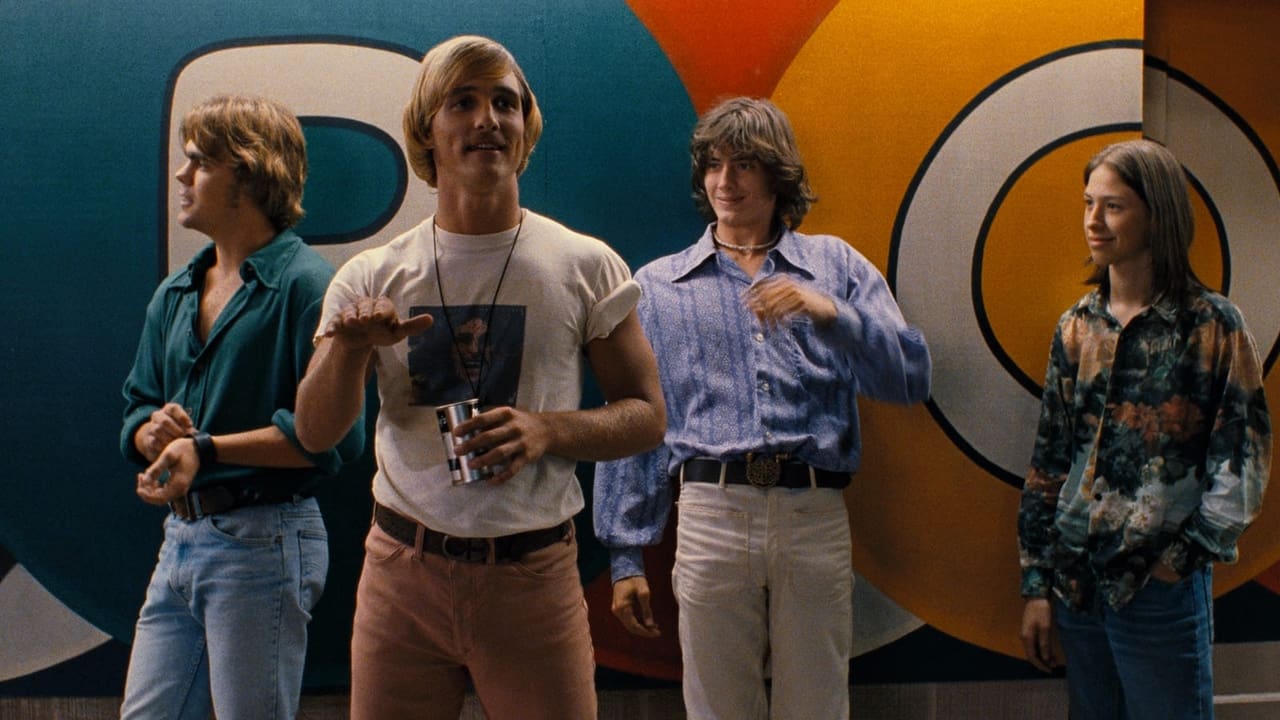
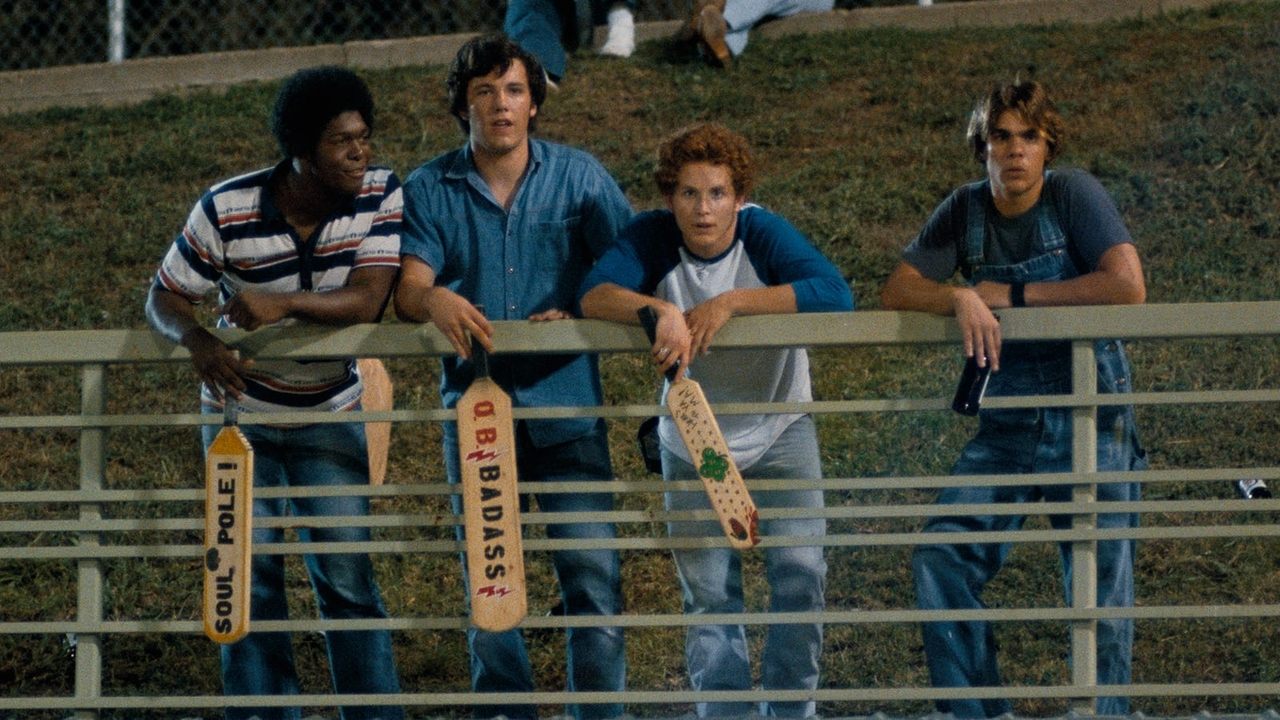
Part of the film's enduring charm is its absolutely stacked ensemble cast, many of whom were relative unknowns at the time. Watching it now is like a game of "spot the future star." There's a young, intense Ben Affleck as the paddle-wielding bully O'Bannion, Parker Posey stealing scenes as the domineering senior Darla, and even a brief appearance by Milla Jovovich strumming a guitar. But the breakout, the character who became instantly iconic, was Matthew McConaughey as David Wooderson.
Legend has it McConaughey wasn't even initially cast; he met the casting director in an Austin hotel bar. He crafted Wooderson, the slightly older guy still cruising the high school scene, delivering lines like "That's what I love about these high school girls, man. I get older, they stay the same age" with a laid-back charisma that was utterly captivating. It was a star-making turn built on pure, relaxed confidence. The entire cast, though, feels lived-in. They embody their archetypes – the jock, the nerd, the stoner, the queen bee – but Linklater gives them enough nuance and humanity that they transcend cliché.
That Killer Soundtrack & Retro Fun Facts
You simply cannot talk about Dazed and Confused without mentioning its soundtrack. It's less a collection of songs and more the film's beating heart, a wall-to-wall blast of 70s rock perfection featuring Aerosmith, Foghat, Kiss, Alice Cooper, ZZ Top, and so many more. Securing the rights reportedly ate up a significant chunk of the film's $6.9 million budget (some estimates say nearly a sixth!), a gamble that paid off immeasurably in creating the film's immersive atmosphere. The opening chords of Aerosmith's "Sweet Emotion" over that slow-motion shot of a GTO cruising into the school parking lot? Pure cinematic poetry.
Despite its pitch-perfect recreation of the era and now-legendary status, Dazed and Confused wasn't an immediate smash hit. It grossed a modest $8 million at the box office, finding its true audience, like so many cult classics, on home video. That VHS tape became a staple rental, passed among friends, its reputation growing organically through word-of-mouth. Universal Studios apparently wasn't thrilled with the lack of a traditional plot during production, but Linklater, who also penned the insightful script, stuck to his vision. Thank goodness he did. The film's authenticity extended to the details, from the meticulously chosen period costumes and cars to the filming locations around Austin, Texas, which stood in perfectly for the hazy suburban setting.
Still Alright After All These Years
Decades later, Dazed and Confused remains a touchstone. It’s more than just nostalgia; it’s a film that understands the weird, funny, sometimes painful currents running beneath the surface of teenage life. It captures that specific blend of boredom and excitement, the yearning for connection, and the feeling of being on the cusp of… something. While certain aspects, like the casual hazing, are viewed differently through a modern lens, the film presents them as observational snapshots of a specific time and place, rather than endorsements. Its influence can be seen in countless coming-of-age stories that followed, but few have matched its effortless cool and genuine heart. It’s a film that feels like catching up with old friends, even if you’re meeting them for the first time.
Rating: 9/10
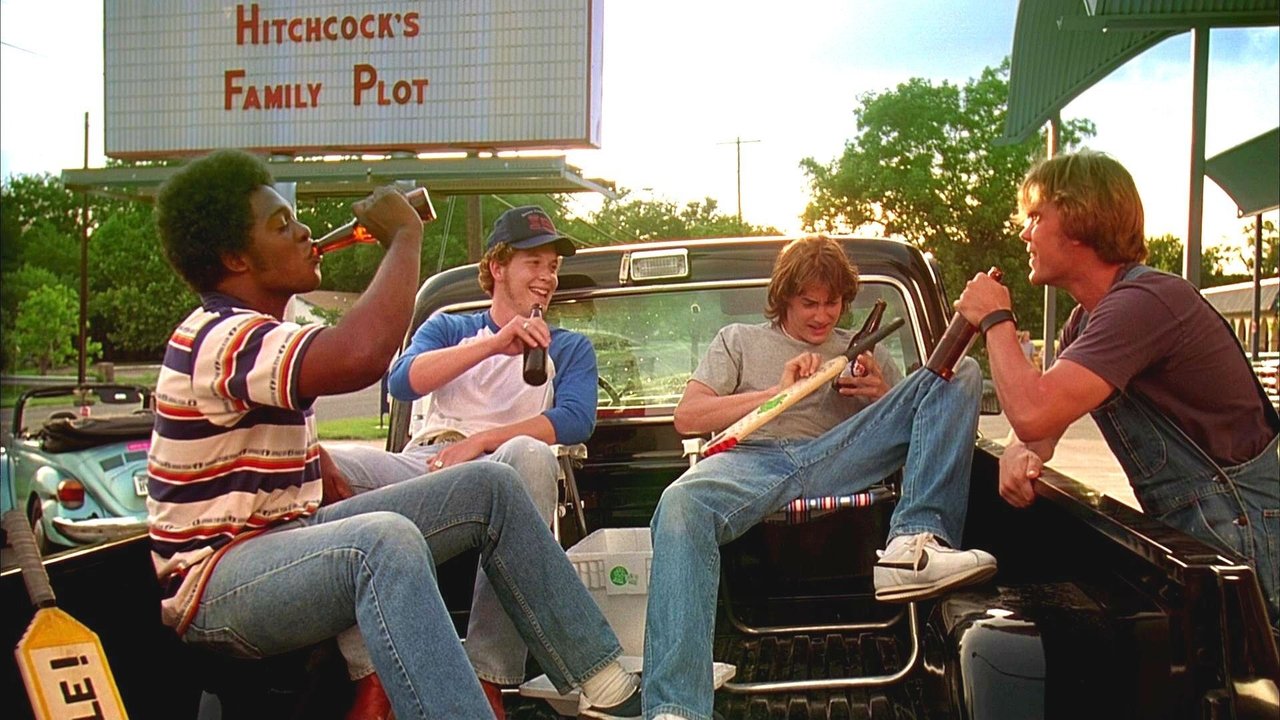
Dazed and Confused earns this high score for its unparalleled authenticity, its career-launching ensemble cast led by an iconic McConaughey, its killer soundtrack that is the 70s, and Richard Linklater's unique directorial vision. It perfectly captures the listless beauty of youth and the specific vibe of a bygone era. While its deliberately meandering pace might not click with everyone, for those who appreciate character-driven stories and atmospheric filmmaking, it’s pure gold. It didn't just depict the 70s; it managed to bottle the feeling of being young, restless, and ready for whatever the night might bring.
It remains the ultimate hangout movie – just press play, and you're instantly cruising into that hazy Texas sunset, with the promise of a party somewhere down the road.