It’s a strange, almost unsettling marriage on paper, isn't it? William Friedkin, the maestro of urban grit and supernatural terror who gave us The French Connection (1971) and The Exorcist (1973), directing a film about... college basketball? Yet, watching Blue Chips (1994) again, decades after pulling that distinctive Paramount clamshell case off the rental shelf, the choice feels less like a curveball and more like a calculated fastball aimed right at the hypocrisies of big-time collegiate sports. This isn't just another feel-good sports flick; it carries the weight of its director's unflinching gaze.
### The Weight of Winning
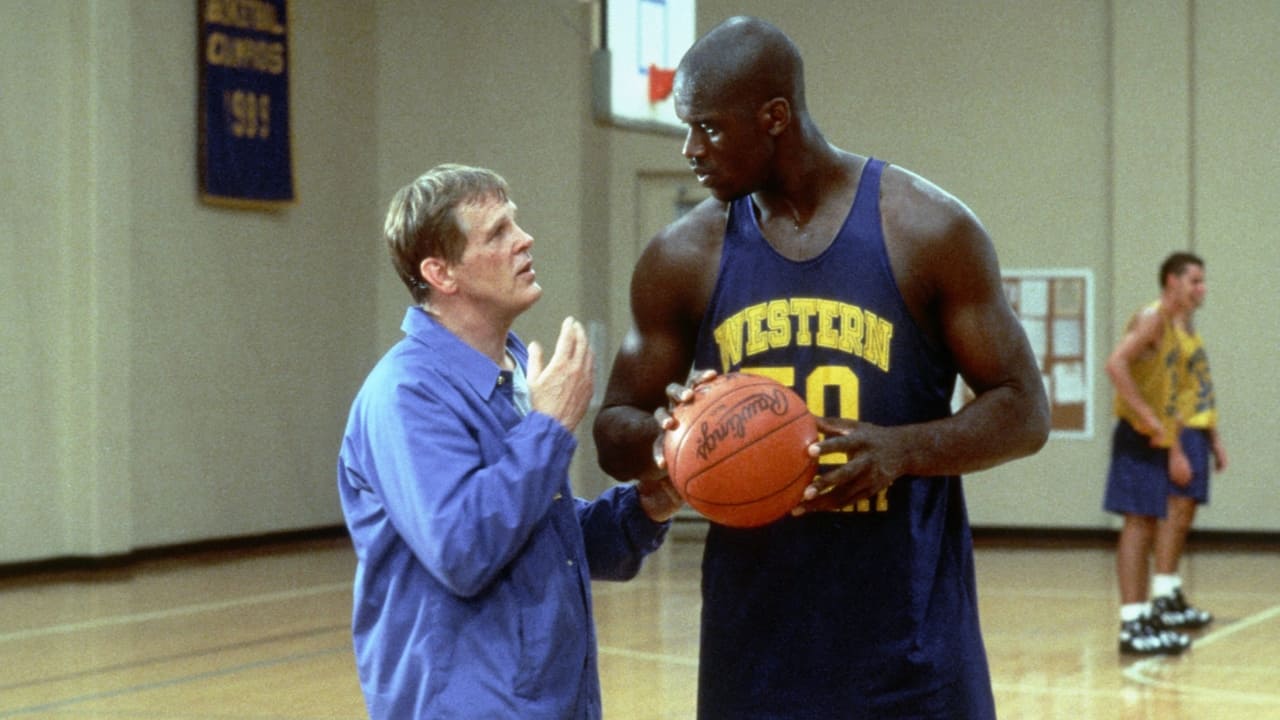
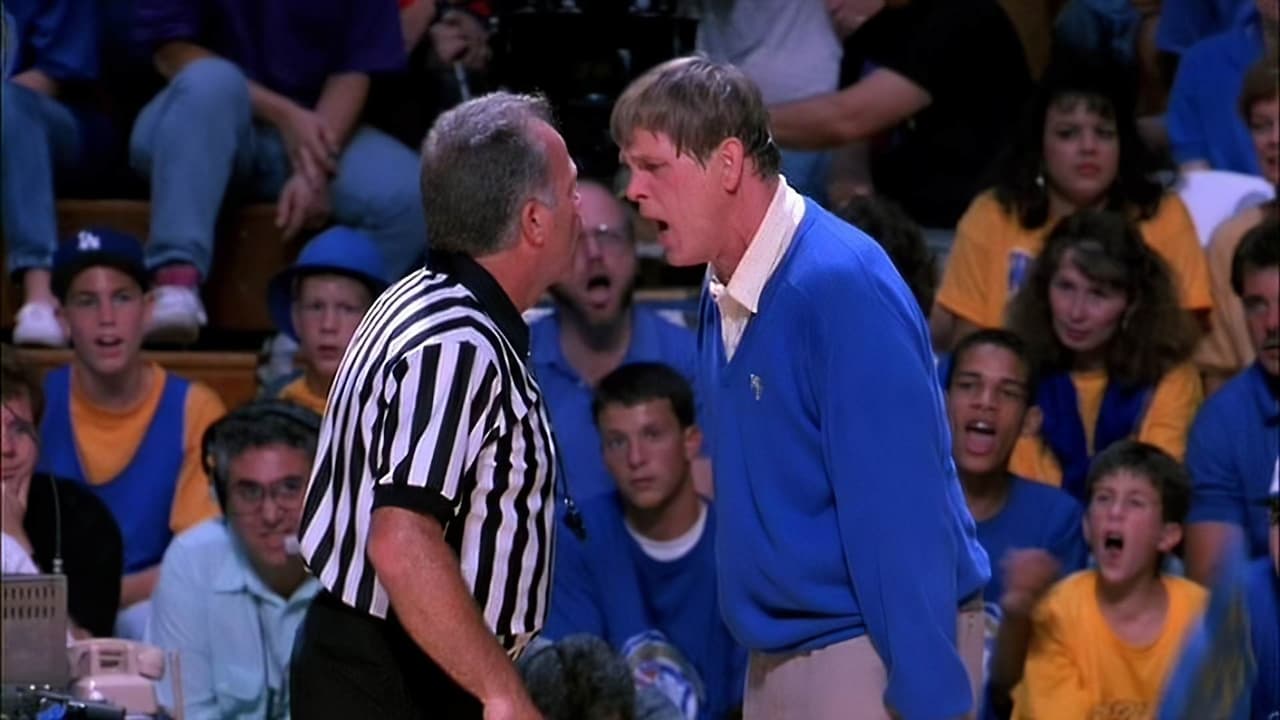
At the heart of Blue Chips pounds the furious, conflicted soul of Coach Pete Bell, brought to life by a volcanic Nick Nolte. Fresh off a losing season and facing immense pressure from alumni and boosters at Western University, Bell is a man fraying at the seams. Nolte doesn't just play frustrated; he embodies a man whose deeply ingrained sense of integrity is being eroded by the corrosive need to win now. You see it in the lines etched on his face, hear it in the gravelly bark of his voice, and feel it in the almost painful tension he carries. It's a performance that grounds the film in a harsh reality, reminding us that compromises often begin small, almost unnoticed, until suddenly you're standing on the wrong side of a line you swore you'd never cross. I distinctly remember watching Nolte's barely contained rage simmer and explode – it felt less like acting and more like witnessing a man genuinely wrestling with his demons.
### Truth on the Hardwood
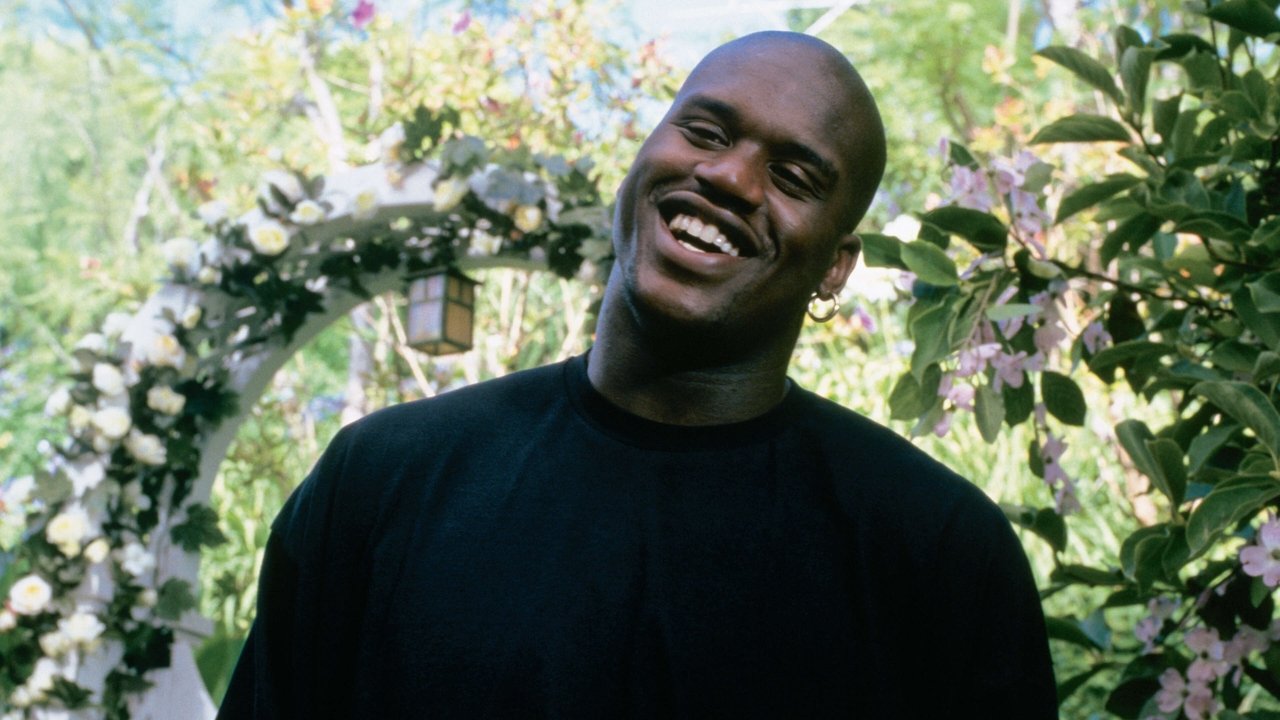
What truly set Blue Chips apart back in '94, and still gives it a unique texture today, was its commitment to authenticity, particularly in the casting. Bringing in rising NBA stars Shaquille O'Neal as the towering phenomenon Neon Boudeaux and Anfernee "Penny" Hardaway as the slick point guard Butch McRae was a masterstroke. Sure, their line readings sometimes lack the polish of seasoned actors, but watching them play basketball lends the on-court sequences an undeniable energy and realism that staged scenes rarely capture. Friedkin, known for his documentary-like approach at times, films these games with a kinetic intensity, letting the raw athleticism speak for itself. This wasn't just movie basketball; it felt like real college ball, albeit with future Hall of Famers.
Adding another layer of veracity are the numerous cameos from real coaches and players. Seeing legends like Bob Cousy and Larry Bird (in his home state of Indiana, no less – much of the film was shot around French Lick and Frankfort), alongside infamous hothead Bobby Knight and then-current coaching star Rick Pitino, blurred the lines between fiction and the often stranger-than-fiction world of NCAA sports. Knight's presence feels particularly resonant, a real-world echo of the intense pressure and win-at-all-costs mentality embodied by Nolte's Bell.
### Under the Bleachers: Script and Corruption
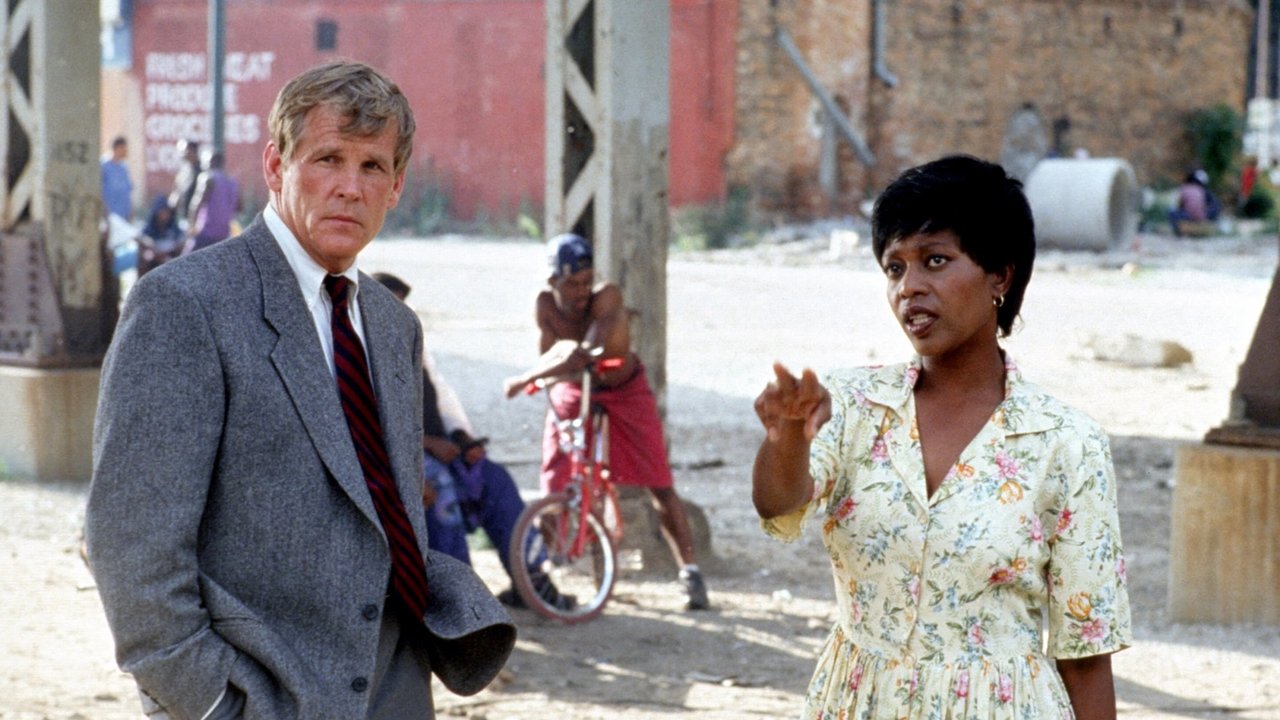
The screenplay comes from Ron Shelton, a name synonymous with intelligent sports films like Bull Durham (1988) and White Men Can't Jump (1992). Shelton brings his signature blend of sharp dialogue and a clear-eyed understanding of the world he's depicting. Blue Chips doesn't shy away from the grubby underbelly of recruitment – the boosters slipping cash, the cars, the tractors (yes, tractors). J.T. Walsh, perfectly cast as the glad-handing booster "Happy" Coen, embodies the smiling face of institutional corruption. He makes the illicit deals seem almost mundane, a necessary evil in the pursuit of glory. It's this unflinching portrayal of the "pay-for-play" system, years before NIL deals became a reality, that gives the film its lasting bite. Reportedly, the NCAA wasn't exactly thrilled with the film's depiction, which only serves to underscore its uncomfortable truths. While it wasn't a huge box office smash (around $23 million against a $20 million budget), its frankness certainly generated discussion.
Opposite Nolte's compromised coach stands Mary McDonnell as his estranged wife, Jenny. She serves as the film's moral compass, a voice of reason reminding Pete (and the audience) of the ethical high ground he's abandoning. Their scenes together crackle with the history of a relationship strained by the demands of his all-consuming profession.
### Friedkin's Unexpected Touch
So, why Friedkin? Perhaps he saw in Pete Bell a character akin to Popeye Doyle – a man obsessed, operating in a morally ambiguous world, willing to bend the rules to achieve his objective. He brings a tension and a certain bleakness to the proceedings that elevate Blue Chips beyond standard sports drama fare. There's a sense of desperation, not just for victory, but for meaning in a system that seems inherently compromised. It's not flashy direction, but it's effective, focusing intently on Nolte's powerhouse performance and the raw energy of the game itself. He wasn't afraid to show the ugliness beneath the glossy surface of college athletics.
### Lasting Resonance
Does Blue Chips feel dated? In some ways, perhaps – the technology, the fashion. But its central themes? They feel depressingly current. The questions it raises about amateurism, the immense pressure on young athletes, the corrupting influence of money in college sports... haven't these conversations only intensified in the intervening decades? Watching it now, through the lens of today's NIL landscape and ongoing debates about NCAA practices, the film feels less like a drama and more like a prophecy fulfilled. It dared to suggest that the system was broken long before it became mainstream to admit it.
Rating: 8/10
This score reflects the film's powerful central performance from Nick Nolte, William Friedkin's surprisingly effective gritty direction, its ahead-of-its-time thematic concerns, and its authentic portrayal of basketball. While some supporting performances from the real players are understandably uneven, the film's willingness to tackle uncomfortable truths about college sports head-on, combined with that raw 90s cinematic energy, makes it a standout sports drama from the VHS era.
Blue Chips isn't just about the game; it's about the cost of playing it, both on and off the court. It lingers, much like Coach Bell's final, resonant act of defiance, leaving you to ponder just how much integrity one can sacrifice before losing oneself entirely.