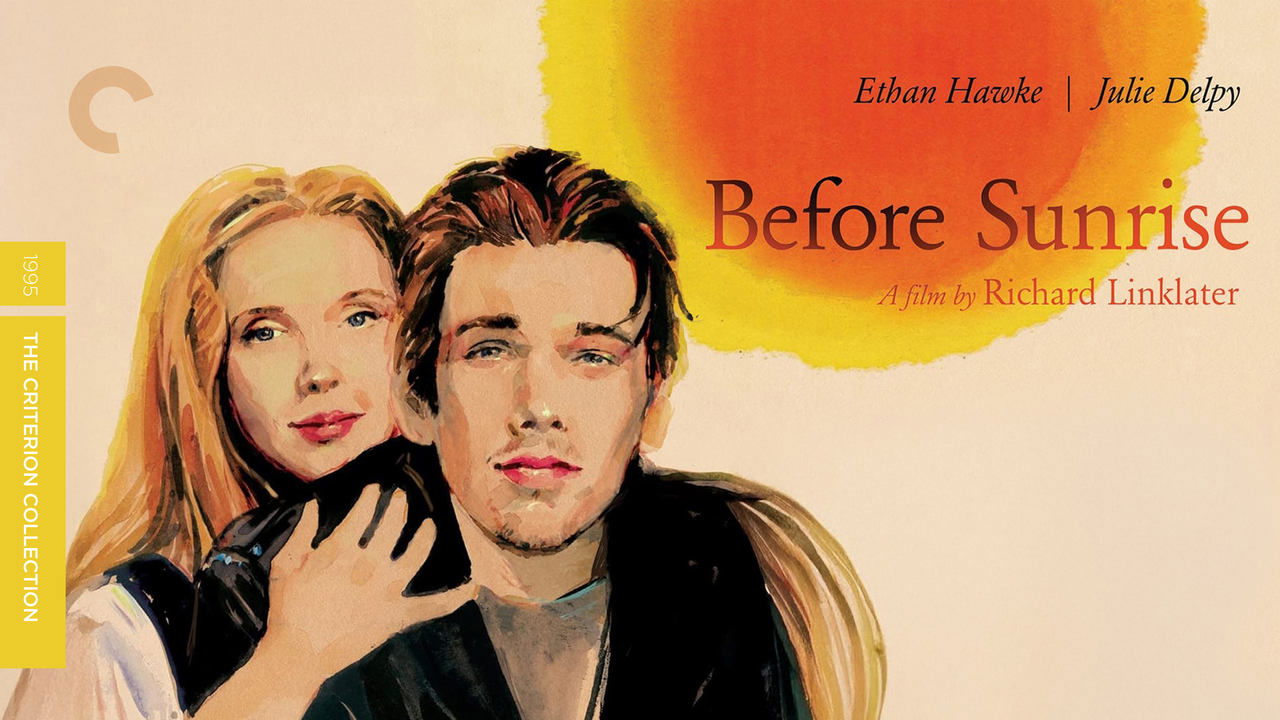
What if one day could hold the weight of a lifetime? It’s a romantic notion, perhaps a youthful one, but it’s the very pulse beating beneath Richard Linklater's 1995 quiet masterpiece, Before Sunrise. Forget grand gestures or manufactured conflict; this film, arriving like a breath of fresh European air amidst the louder cinematic landscape of the mid-90s, dared to suggest that the most profound connections could blossom simply through conversation, unfolding over mere hours between two strangers under a foreign sky. Watching it again now, decades removed from its release, that simple, almost radical premise feels even more potent.
### A Chance Encounter, A Spontaneous Detour
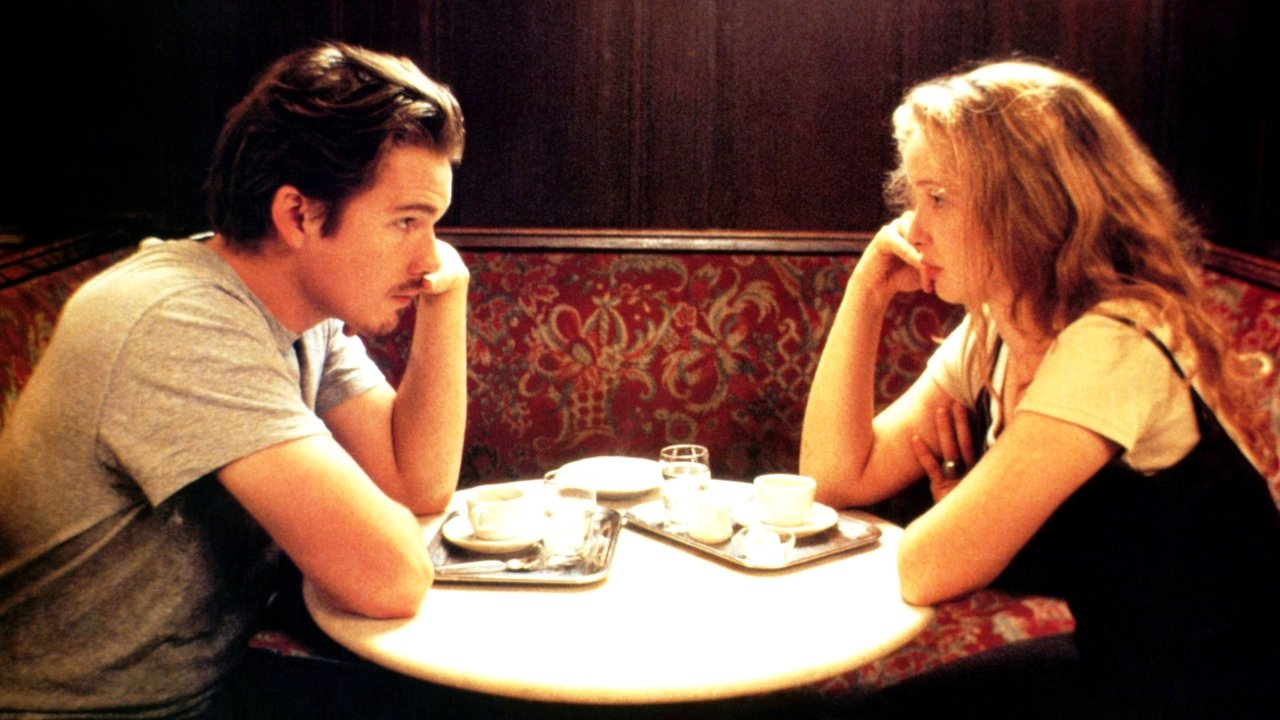
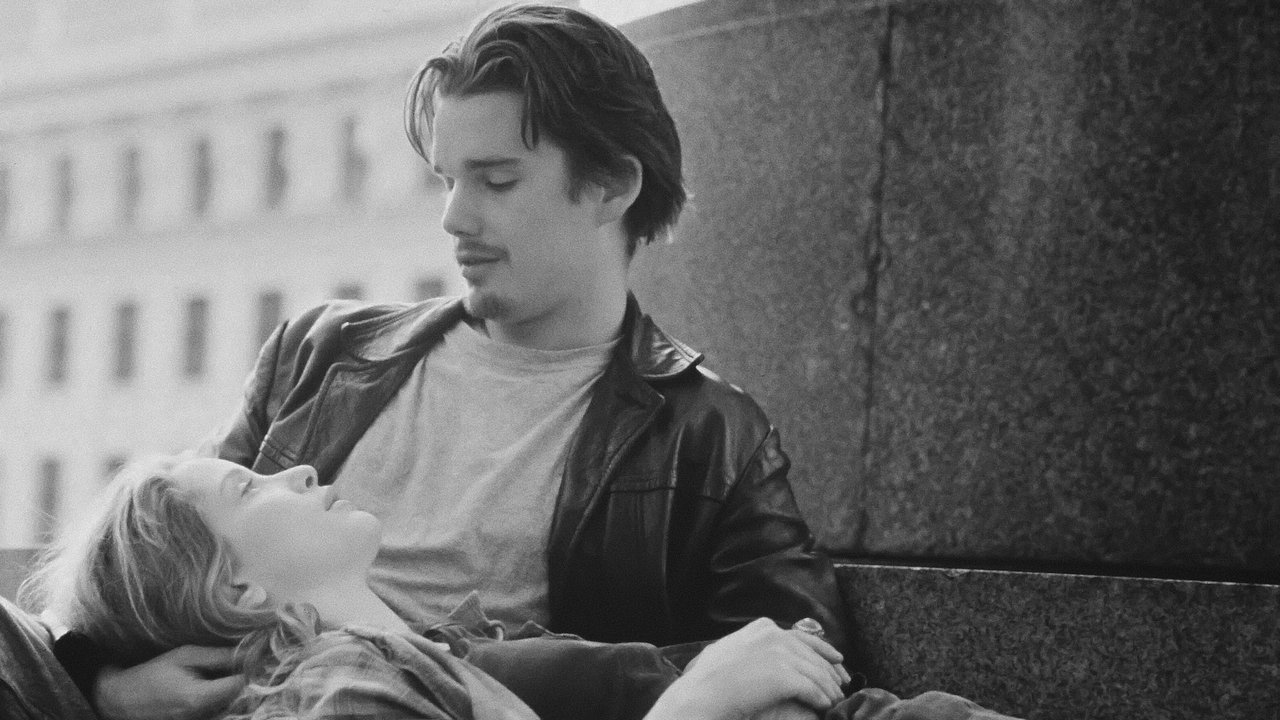
The setup is beautifully uncomplicated. Jesse (Ethan Hawke), a young American travelling Europe before heading home, strikes up a conversation with Céline (Julie Delpy), a French student returning to Paris, aboard a train bound for Vienna. There's an immediate spark – hesitant, intelligent, undeniably magnetic. As the train pulls into Vienna, where Jesse is meant to disembark for his flight the next morning, he makes an impulsive pitch: why doesn't Céline get off the train with him? They have until sunrise to explore the city, talk, and see if this connection is real. To his (and perhaps our) surprise, she agrees.
What follows isn't a plot in the traditional sense, but a journey – through Vienna's charming streets, parks, and cafes, yes, but more importantly, through the landscapes of their own minds and hearts. Linklater, collaborating closely with his leads (whose contributions to the dialogue were so significant they earned writing credits on the sequels), crafts conversations that feel breathtakingly authentic. They talk about everything and nothing: past loves, family dynamics, fears about the future, cynical observations, philosophical musings, the silly anxieties and grand dreams that occupy the space between adolescence and true adulthood.
### The Eloquence of Authenticity
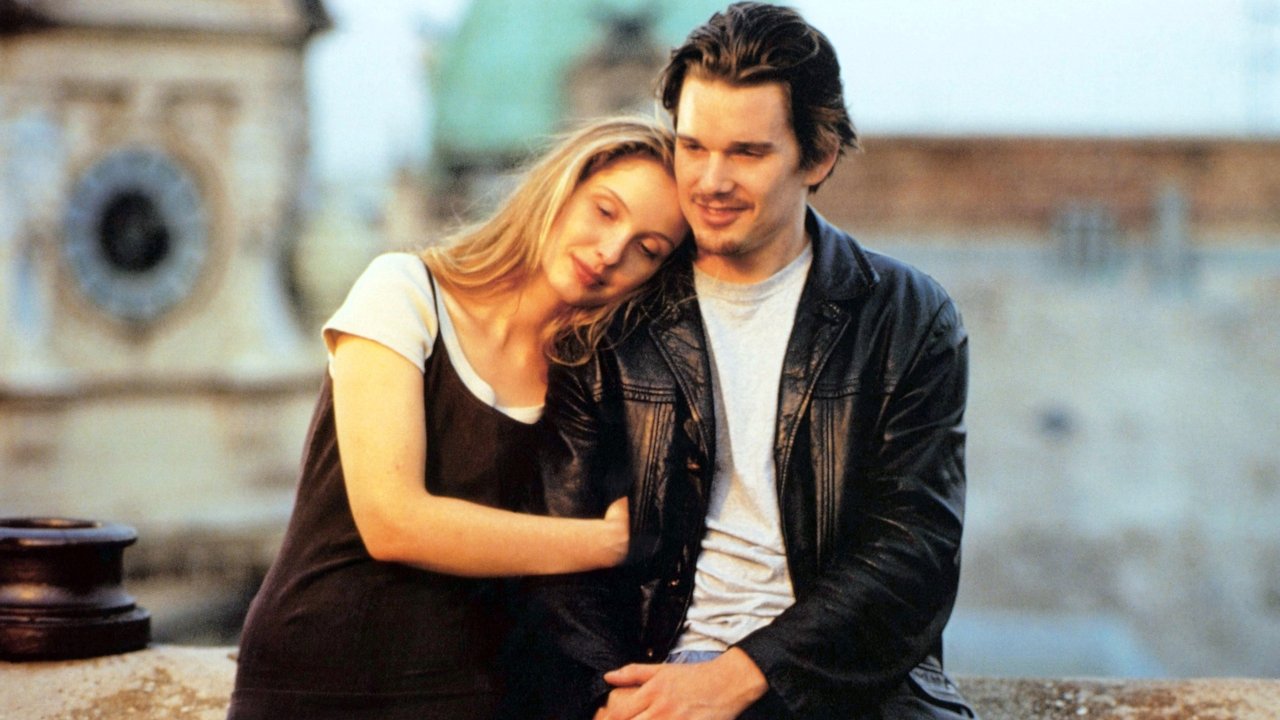
This is where Before Sunrise truly shines. The dialogue, penned by Linklater and Kim Krizan, avoids the pitfalls of overly witty banter or exposition dumps. It meanders, overlaps, sometimes stumbles – exactly like real conversation. We witness the vulnerability emerge as facades drop, the thrill of intellectual discovery when minds click, the tentative dance around physical intimacy, and the shared melancholy as the clock inevitably ticks down. Remember that scene in the listening booth at the record store? The stolen glances, the unspoken tension – it’s a masterclass in capturing nascent romance through observation rather than declaration. Or their "phone call" pantomime in the restaurant, a clever way to voice insecurities they might not otherwise share? These moments feel earned, intimate, and utterly relatable.
It’s impossible to discuss the film’s power without lavishing praise on its two leads. Ethan Hawke, then solidifying his Gen X icon status post-Reality Bites (1994), perfectly embodies Jesse's blend of romantic idealism and slight, self-aware cynicism. Julie Delpy is luminous as Céline, projecting fierce intelligence, warmth, and a captivating emotional openness. Their chemistry isn't just sparks; it's a slow, steady burn that makes you believe, wholeheartedly, in the connection they forge in just fourteen hours. You feel like you’re not just watching them, but eavesdropping on something private and real.
### Vienna As A Silent Character
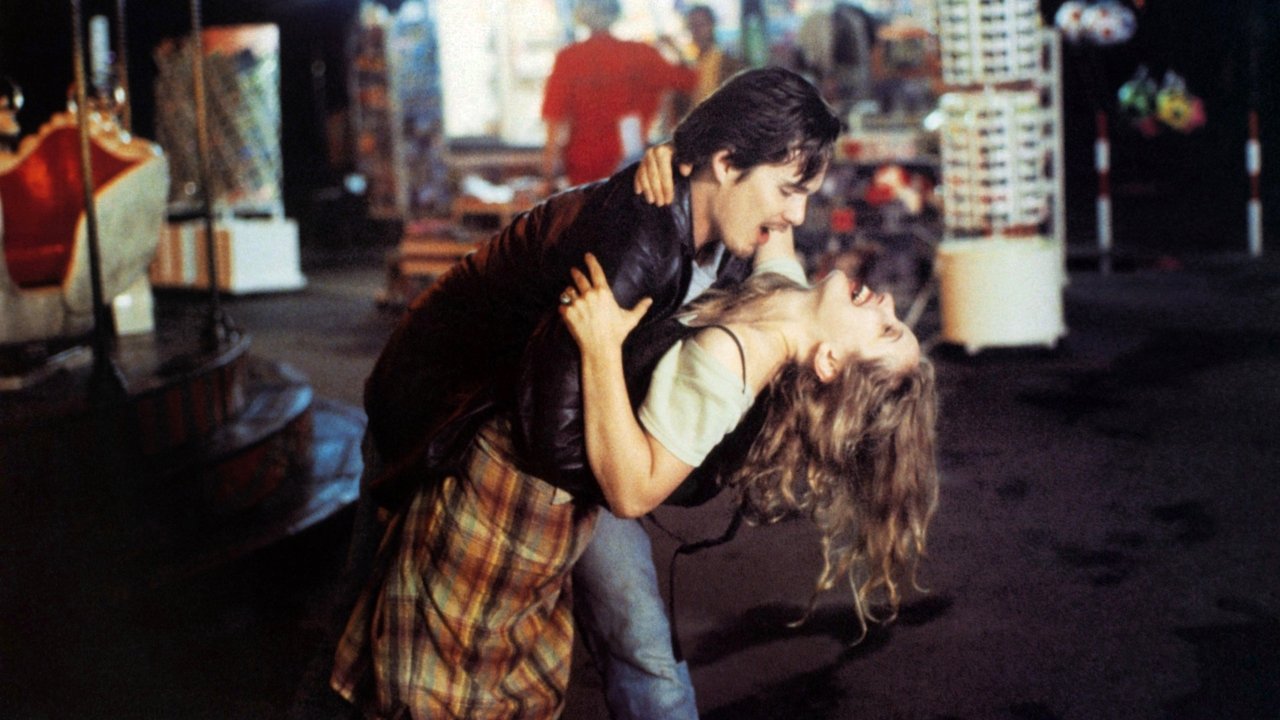
Vienna itself becomes more than just a backdrop. Its old-world elegance, quiet side streets, and grand landmarks provide a romantic canvas, but the film avoids overt travelogue clichés. The locations – the Ferris wheel offering panoramic views, the quiet cemetery sparking conversations about mortality, the unassuming cafes fostering intimacy – feel like organic parts of their shared experience, spaces that allow their connection to deepen naturally. Linklater, known for his patience and focus on character (think Dazed and Confused (1993) or his later Boyhood (2014)), uses long takes and unobtrusive camerawork, allowing the performances and dialogue to breathe.
Interestingly, the film itself was inspired by a real-life encounter Linklater had years earlier in Philadelphia. He spent a night walking and talking with a woman named Amy Lehrhaupt, an experience that clearly left a lasting impression. This biographical seed perhaps explains the film's deeply personal and sincere feel. Made for a modest $2.5 million, Before Sunrise proved that profound cinematic experiences don't require spectacle, just honesty and insight into the human condition. It wasn't a box office smash initially, but like the connection it depicts, its resonance grew over time, cementing its status as a beloved cult classic and one of the defining independent films of the 90s.
### The Lingering Question
Watching Before Sunrise on VHS back in the day felt like discovering a secret – a film that valued talk over action, intimacy over melodrama. It tapped into that universal yearning for connection, the hope that somewhere out there is someone who truly gets you. Revisiting it now evokes a specific kind of nostalgia – not just for the 90s aesthetic, but for a time before constant digital connection, when a chance encounter felt freighted with more possibility and consequence. Their decision not to exchange numbers, relying instead on a promise to meet again in six months, feels almost quaint, yet achingly romantic in its hopeful fragility.
Does a single day truly define anything? Can such an intense, fleeting connection sustain itself against the realities of distance and time? The film leaves us, along with Jesse and Céline on that train platform, grappling with these questions.
Rating: 9/10
This rating reflects the film's near-perfect execution of its simple premise. The authentic performances from Hawke and Delpy, the naturalistic and insightful dialogue, Linklater's sensitive direction, and the timeless exploration of connection and fleeting moments make it exceptional. It avoids easy sentimentality, offering something far more resonant and real.
Before Sunrise remains a testament to the power of conversation and the intoxicating possibility held within a single, shared day. It’s a film that stays with you, prompting reflection on your own missed connections, cherished moments, and the paths not taken long after the screen fades to black.