Okay, settle in, maybe grab a glass of something comforting. Let's talk about a film that landed just as the credits were starting to roll on the VHS era itself, yet perfectly captured the feeling of a specific, sun-drenched summer decades earlier: Tony Goldwyn's directorial debut, A Walk on the Moon (1999). It’s one of those dramas that might have caught your eye on the "New Releases" wall at Blockbuster, promising something a bit more grown-up, a bit more emotionally tangled than the usual fare. And tangled it is, in the best possible way.

The film throws us headfirst into the summer of 1969, a time capsule sealed within the confines of Dr. Fogler's Bungalows, a Catskills resort teeming with Jewish families escaping the city heat. The air hangs thick with humidity, transistor radios crackle with news of Apollo 11, and change feels both thrillingly close and deeply unsettling. It’s a setting writer Pamela Gray knew intimately, drawing heavily on her own childhood experiences, which lends the film an undeniable layer of lived-in authenticity. You can almost smell the pine needles and the chlorine from the pool.
Summer of Change, Heart in Flux
At the heart of this microcosm is Pearl Kantrowitz, portrayed with breathtaking vulnerability by Diane Lane. Pearl feels adrift. Married young, mother to two kids including the sharply observant teenager Alison (Anna Paquin, already showing the talent that won her an Oscar for The Piano (1993)), she loves her dependable TV repairman husband Marty (Liev Schreiber), but something within her yearns for… more. It's not just the moon landing promising new frontiers; it's a personal frontier she feels compelled to explore. Lane embodies this quiet desperation beautifully. It's in the faraway look in her eyes as she watches the younger generation embrace freedoms she never knew, the subtle restlessness beneath her dutiful wife-and-mother exterior. This role was widely seen as a significant moment for Lane, moving her firmly into complex adult roles after earlier memorable turns in films like The Outsiders (1983) and Streets of Fire (1984). Variety wasn't wrong calling it "career-redefining."
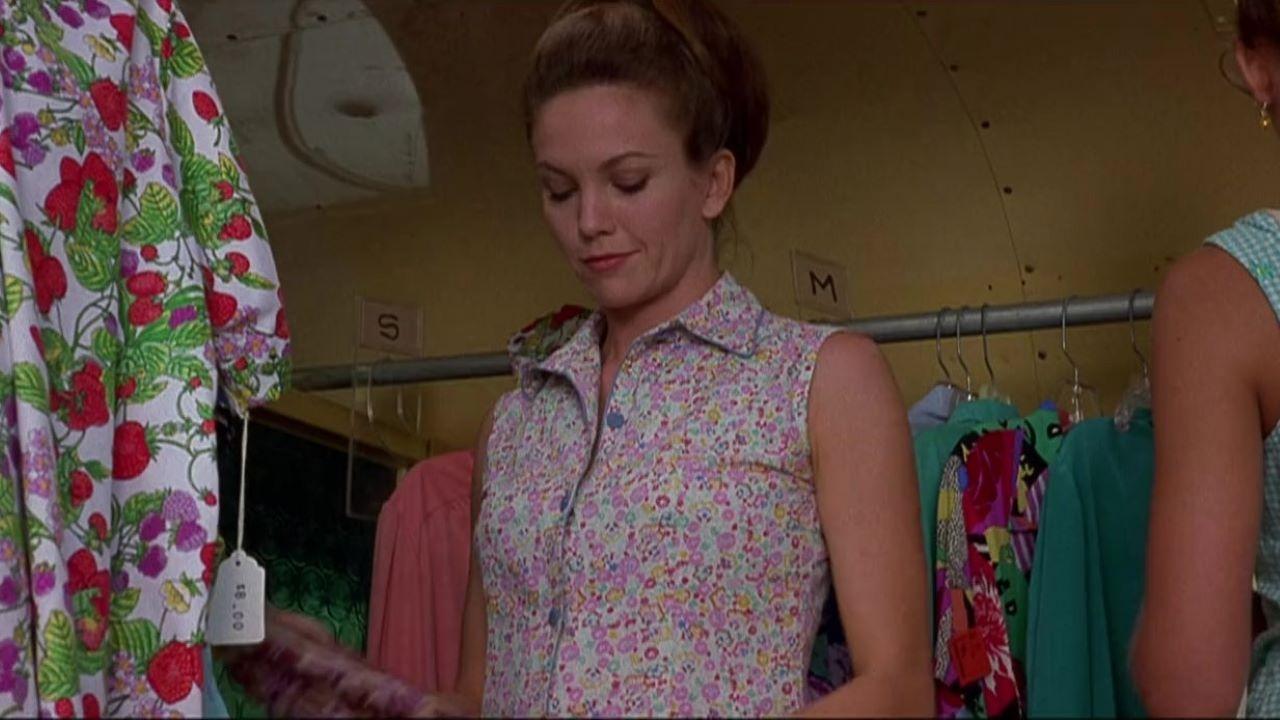
Into this simmering world walks Walker Jerome (Viggo Mortensen), the enigmatic "blouse man" selling his wares from a bus painted with hippie slogans. He represents everything Pearl's structured life isn't: freedom, spontaneity, a connection to the counter-culture blooming just miles away at Woodstock (which becomes a pivotal, messy event in the film). Mortensen, years before achieving global fame as Aragorn in The Lord of the Rings trilogy (starting 2001), imbues Walker with a quiet charisma that’s alluring without being predatory. He's less a homewrecker and more a catalyst, a symbol of the possibilities Pearl is starting to imagine. Their connection feels less like a cheap affair and more like a collision of two searching souls, amplified by the heady atmosphere of that specific summer.
More Than Just an Affair
What elevates A Walk on the Moon beyond a simple story of marital infidelity is its nuanced handling of all its characters and the broader context. Liev Schreiber, often known for more intense roles (like in the Scream franchise), brings a necessary decency and groundedness to Marty. He’s not a bad husband; he’s just a man of his time, struggling to understand the shifts happening both in society and within his own wife. His pain feels real, making Pearl’s choices more complex and consequential. We see the ripples of her actions, particularly through the eyes of Alison, who watches her parents' world fracture with a teenager's potent mix of confusion and judgment.
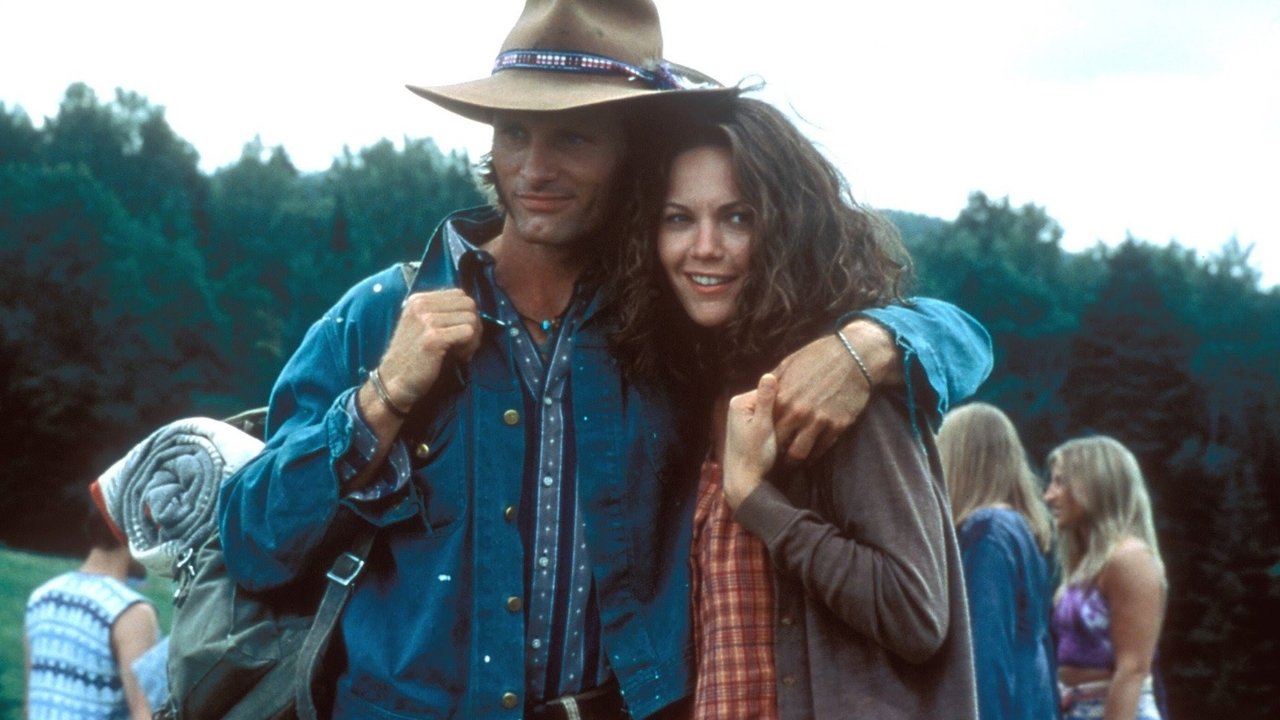
Goldwyn, stepping behind the camera for the first time (a notable move for the actor many knew from Ghost (1990)), directs with a sensitivity that prioritizes character and atmosphere. He trusts his actors, allowing moments to breathe and emotions to register subtly. There's a deliberate pacing here, reminiscent of the long, slow days of summer itself. It’s interesting to note Goldwyn’s own Hollywood lineage – his grandfather was none other than the legendary producer Samuel Goldwyn – perhaps giving him an innate feel for storytelling craft. While the film wasn't a box office smash (earning around $4.7 million domestically against a reported $14 million budget), it certainly found its audience on home video, becoming one of those word-of-mouth VHS and DVD rentals passed between friends.
The period details feel spot-on, from the hairstyles and clothing (Walker's flowing shirts versus the more conservative resort wear) to the soundtrack, which expertly weaves in classics from Jefferson Airplane, The Grateful Dead, and Richie Havens. The use of Jefferson Airplane's "Today" during a key moment is particularly affecting, capturing both the beauty and the melancholy of Pearl and Walker's connection. Filming primarily took place in Quebec, Canada, which stood in convincingly for the Catskills, showcasing the filmmakers' ability to evoke a specific time and place even with geographical workarounds.
Lingering Questions Under a Distant Moon
A Walk on the Moon doesn't offer easy answers. It presents Pearl's yearning and her choices with empathy but without sanitizing the hurt they cause. It asks us to consider the weight of responsibility against the pull of personal fulfillment, especially for women coming of age in an era of seismic social shifts. What does it mean to want something different when the world – and your family – expects you to stay the same? Doesn’t that tension still resonate today, even if the circumstances have changed?
The film isn't perfect; the plot follows certain familiar beats of the infidelity drama. But the strength of the performances, the richness of the atmosphere, and the genuine emotional honesty at its core make it a truly affecting piece of late-90s cinema that deserves revisiting. It captures that specific feeling of being on the cusp of something new, both personally and culturally, symbolized perfectly by those flickering images of Neil Armstrong taking one giant leap, while Pearl Kantrowitz contemplates her own smaller, but no less significant, steps.
Rating: 8/10
This score reflects the film's exceptional performances, particularly Diane Lane's career-highlight turn, its evocative sense of time and place, and its thoughtful exploration of complex emotional territory. While the narrative arc might hold few major surprises, the execution is sensitive and deeply felt, more than compensating. It earns its emotional weight through authentic character work and nuanced direction.
A Walk on the Moon lingers like a half-remembered summer dream – warm, a little hazy, tinged with both joy and a touch of wistful regret. It’s a reminder that sometimes the biggest journeys happen not across the stars, but within the human heart.