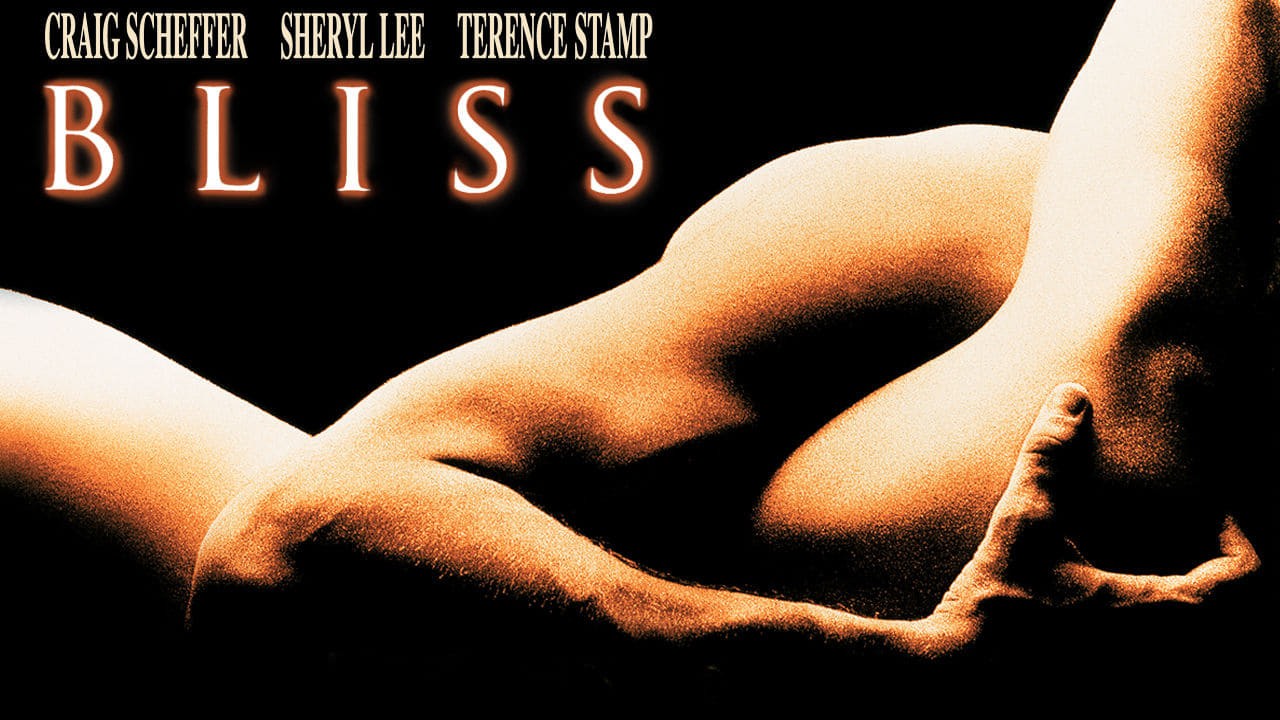
There are films that wash over you, entertaining for a couple of hours before fading gently from memory. And then there are films like Lance Young’s Bliss (1997). This one doesn't fade. It burrows under the skin, leaving behind a disquieting echo, a sense that you've witnessed something intensely private, perhaps even transgressive. Renting this back in the late 90s, likely from a less-trafficked shelf in the Drama section, you might have expected a standard-issue erotic thriller, hinted at by its evocative title. What you got instead was something far more volatile and challenging.

### A Facade of Perfection
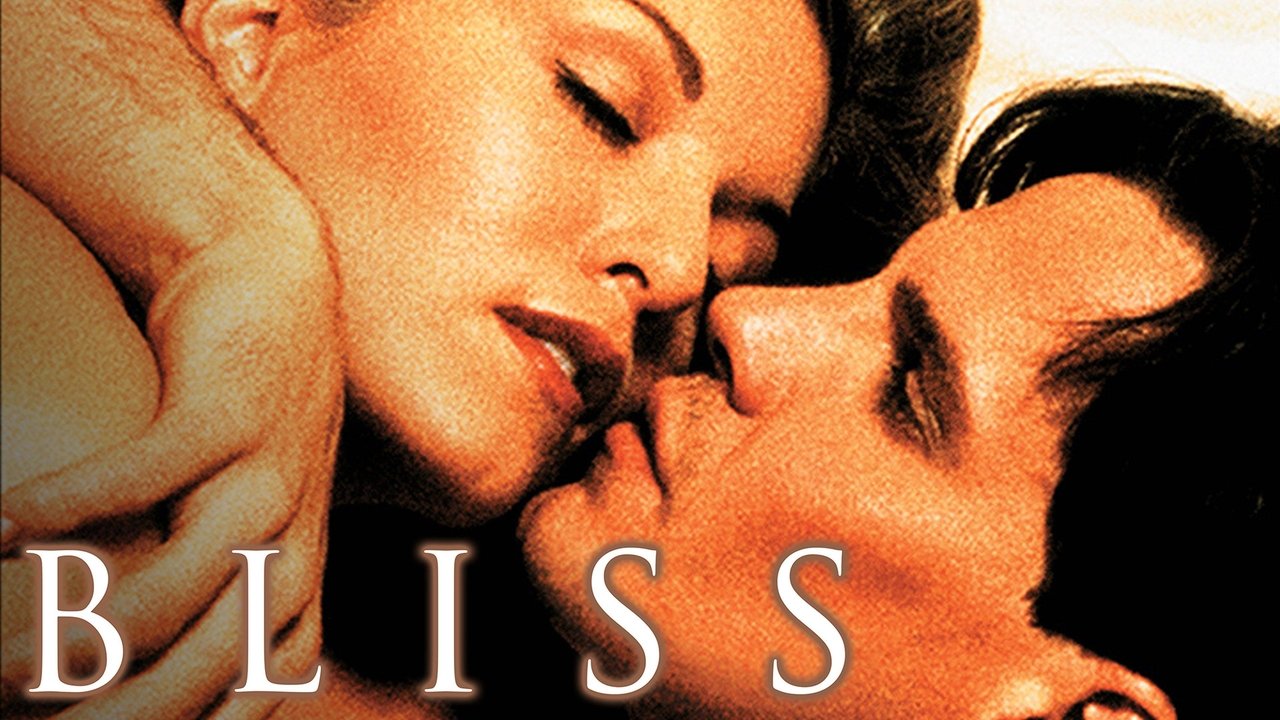
At first glance, Joseph (Craig Sheffer) and Maria (Sheryl Lee) seem to have it all – successful careers, a beautiful home, undeniable affection for each other. Yet, an invisible wall stands between them, most acutely felt in their physical intimacy, or lack thereof. Joseph is loving but increasingly desperate, unable to comprehend Maria's pained withdrawal from his touch. Maria is trapped in a cycle of unspoken agony, her trauma manifesting as a near-paralyzing inability to connect sexually. It's a setup ripe for melodrama, but writer-director Lance Young, in what remains his most notable feature, steers it towards a far more psychologically raw territory. Sheffer, often cast in brooding roles throughout the 90s (A River Runs Through It, Nightbreed), brings a necessary vulnerability to Joseph, portraying his confusion and hurt without resorting to simple frustration.
### Enter the Catalyst
Desperate, Joseph seeks out Baltazar (Terence Stamp), an unconventional sex therapist operating outside the mainstream. Stamp, an actor who always commands the screen with his hypnotic gaze and measured delivery (think General Zod in Superman II or Bernadette in The Adventures of Priscilla, Queen of the Desert), is perfectly cast. He imbues Baltazar with an unnerving blend of wisdom, danger, and charisma. Is he a genuine healer, a charlatan, or something else entirely? The film keeps you guessing. His methods are unorthodox, pushing Joseph and Maria far beyond their comfort zones, forcing them to confront not just their present dysfunction but the deep-seated roots of Maria's pain. It’s here the film truly treads difficult ground, delving into the devastating long-term impact of childhood sexual abuse.
### The Unflinching Heart (Spoiler Alert Within This Section)
What elevates Bliss beyond potential exploitation – a charge some critics levelled at the time – is the astonishingly brave and committed performance by Sheryl Lee. Just a few years removed from searing her image into pop culture consciousness as Laura Palmer in Twin Peaks (1990-91), Lee dives headfirst into Maria's trauma. There's no vanity, no holding back. Her portrayal of Maria's dissociative episodes, her moments of fragmented memory surfacing, and the sheer, visceral terror she experiences during the therapy sessions feel terrifyingly authentic. Young's direction often puts us uncomfortably close, refusing to look away from her anguish. One particularly harrowing sequence involves Maria reliving her abuse through a guided, almost primal therapy session with Baltazar. It’s incredibly difficult to watch, not because it’s gratuitous, but because Lee makes the psychological agony so palpable. It feels less like acting and more like bearing witness. This unflinching approach undoubtedly contributed to the film's struggle with the MPAA, initially receiving the dreaded NC-17 rating before eventually being released unrated or in edited R-rated versions on VHS and DVD, limiting its mainstream exposure but perhaps adding to its underground reputation for those seeking challenging cinema.

### Navigating Controversial Waters
Bliss isn't an easy film to recommend universally. Its depiction of therapy is unorthodox, potentially even irresponsible in its more extreme moments, and the subject matter is inherently disturbing. Does Baltazar's 'tough love' approach cross ethical lines? Absolutely. Does the film sometimes blur the line between exploring trauma and depicting it intensely? Perhaps. Yet, there's an undeniable sincerity to its core intention: exploring the devastating, complex ways trauma rewires intimacy and the arduous, often non-linear path towards potential healing. The production itself, reportedly shot on a modest budget (precise figures are hard to pin down, but typical for indie dramas of the era), focuses its resources effectively on the intense actor interactions rather than elaborate set pieces. The claustrophobic interiors often mirror the characters' psychological confinement.
It’s a film that forces questions. Can love truly conquer the deepest wounds? What does healing from such profound violation actually look like? Is confrontation, however brutal, sometimes necessary to break through denial? Bliss offers no easy answers, lingering instead in the uncomfortable grey areas.
Rating: 7/10
This score reflects the film's undeniable power, driven primarily by Sheryl Lee's extraordinary performance and Terence Stamp's magnetic presence. It bravely tackles immensely difficult subject matter with a raw intensity seldom seen. However, its controversial therapeutic methods and unflinching, sometimes grueling depiction of trauma make it a demanding and potentially triggering watch, preventing a higher score. It earns its points for ambition and emotional honesty, even if its methods court controversy.
Bliss remains a potent, if deeply uncomfortable, piece of 90s independent filmmaking. It’s the kind of movie that might have sat unwatched on your shelf for a while after that first viewing, not because it was bad, but because its emotional weight demanded distance. It's a stark reminder that sometimes, the most resonant films are the ones that challenge us the most, leaving us contemplating their thorny questions long after the tape stopped rolling.