Some films arrive like a whisper, their emotional resonance building slowly, quietly, until they occupy a space in your heart long after the credits roll. Shunji Iwai's 1995 feature debut, Love Letter, is precisely that kind of experience. It doesn't announce itself with fanfare; instead, it begins with a seemingly simple, almost whimsical act born of grief – a letter addressed to someone deceased, sent to an address that no longer exists. What unfolds is a delicate tapestry woven from memory, mistaken identity, and the ghosts of unspoken affections. For many of us discovering Asian cinema beyond the usual action fare in the mid-90s, finding a subtitled VHS copy of Love Letter felt like uncovering a hidden gem, a deeply personal story that resonated far beyond its specific Japanese setting.
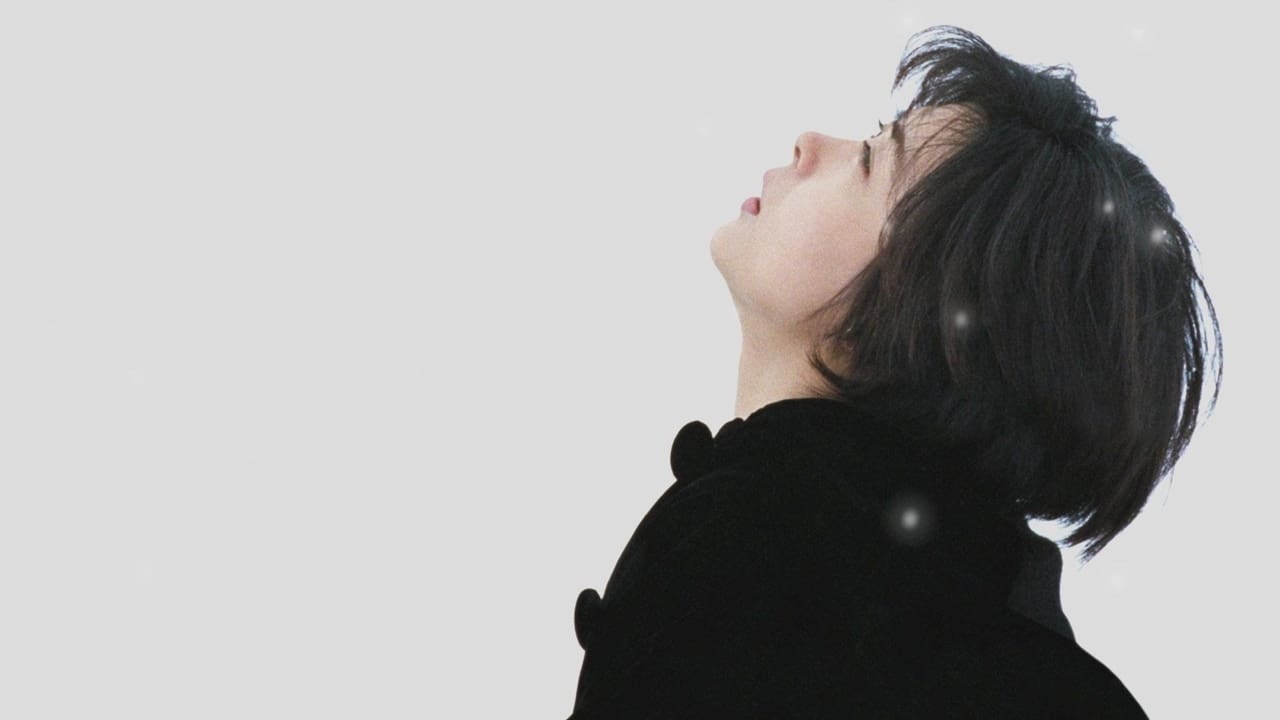
A Letter Across Time
The premise itself holds a certain melancholic poetry. Living in Kobe, Hiroko Watanabe (Miho Nakayama) still mourns her fiancé, Itsuki Fujii, two years after his death in a mountaineering accident. While looking through his high school yearbook, she finds his old address in Otaru. On impulse, she writes him a letter, a message cast into the void: "How are you? I'm fine." She expects no reply; the house, she knows, was demolished for a highway. Imagine her shock, then, when a reply arrives. It's signed "Itsuki Fujii." This isn't some spectral message, however, but a reply from a woman with the exact same name (also played by Miho Nakayama) who attended school with Hiroko's late fiancé. This initial confusion blossoms into a correspondence, a bridge built between the grieving fiancée in the present and the young woman in Otaru whose memories hold the key to a past Hiroko never knew.
Two Souls, One Face

The casting of Miho Nakayama, already a significant J-Pop idol and actress in Japan at the time, in the dual roles of Hiroko and the female Itsuki is central to the film's magic. It's a potentially confusing setup, yet Nakayama navigates it with remarkable subtlety. Hiroko is enveloped in a quiet sadness, her grief palpable but restrained, her life seemingly paused. The female Itsuki, initially slightly bewildered and suffering from a lingering cold throughout much of the film, gradually rediscovers parts of her own youth through Hiroko's inquiries. Nakayama differentiates them not through broad strokes, but through posture, gaze, and the subtle weight of their respective experiences. It’s a performance – or rather, performances – of quiet authenticity, drawing us into the inner lives of both women. We feel Hiroko's longing for connection to her lost love and Itsuki's dawning realization of buried feelings. Supporting players like Etsushi Toyokawa as Akiba, a colleague gently trying to coax Hiroko towards a future, add necessary grounding, reminding us that life continues even as the past is explored.
The Whispers of Youth
Much of the film's heart lies in the flashbacks sparked by the letters. We see the high school days of the two Itsuki Fujiis – the boy (played by Takashi Kashiwabara) and the girl (a wonderful debut for Miki Sakai). Shunji Iwai, who also wrote the screenplay, captures the awkwardness, the teasing, the myriad small moments that constitute adolescent connection, with a painterly eye. These scenes, often bathed in the soft light filtering through classroom windows or set against the stunning, snow-covered landscapes of Otaru, Hokkaido, possess a powerful nostalgic quality. Filming extensively in Otaru's heavy snow presented logistical challenges, but the resulting visuals are inseparable from the film's identity, creating an atmosphere that is both beautiful and slightly isolating, mirroring the characters' emotional states. There's a particular tenderness in how Iwai portrays the shared name confusion, the library duties, the unspoken crushes – moments that gain poignant significance when viewed through the lens of Hiroko's grief and the adult Itsuki's rediscovery.
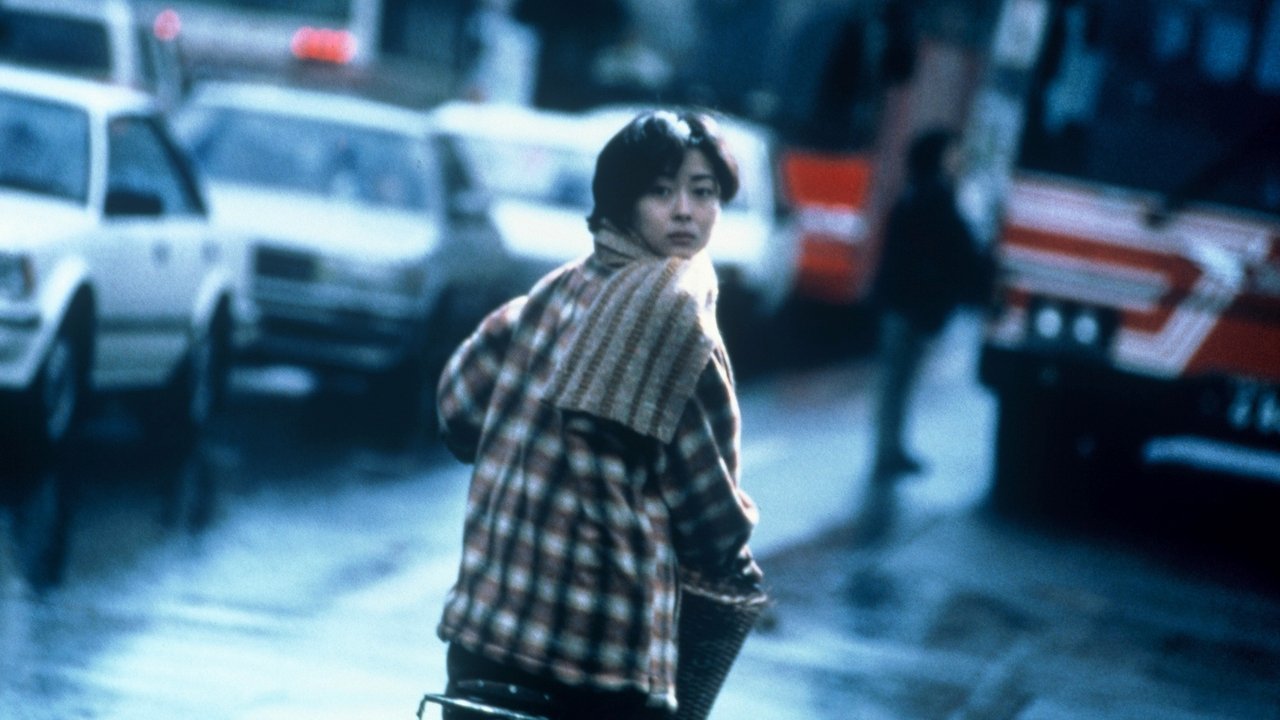
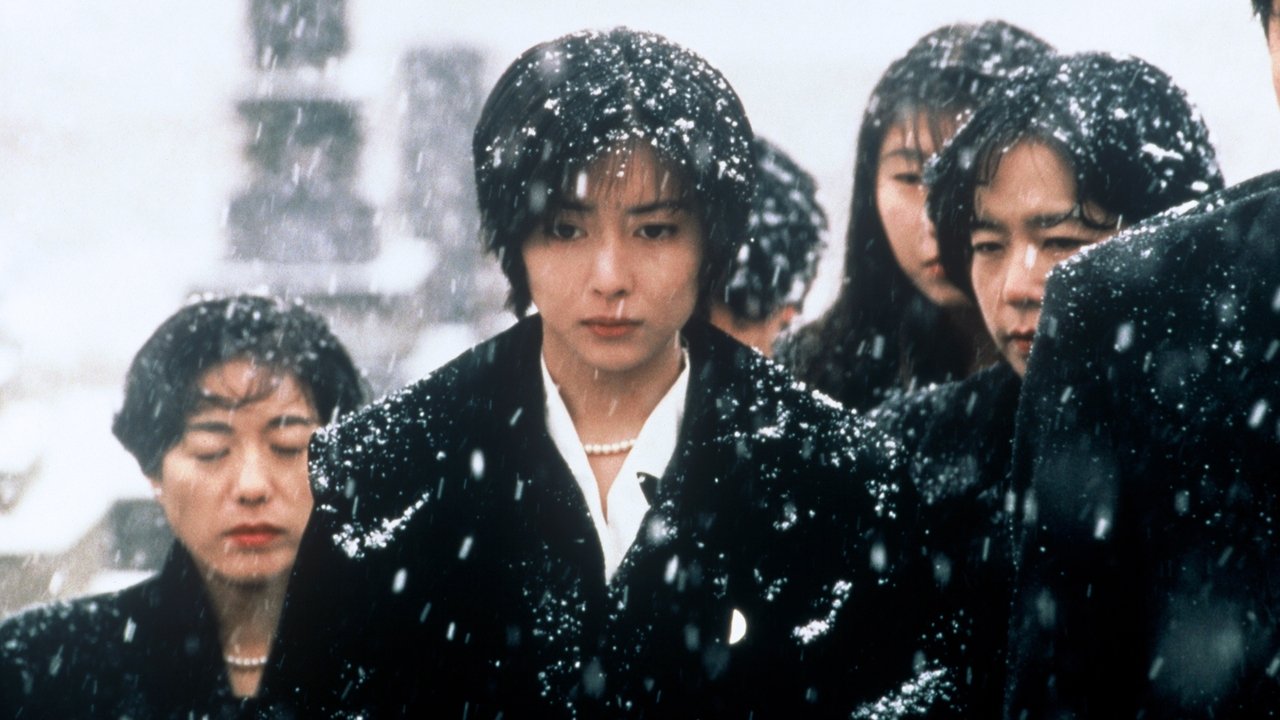
Iwai's Poetic Vision
For a feature directorial debut, Love Letter displays an astonishingly confident and distinct style – what would become known as the "Iwai aesthetic." His direction is patient, observant, finding beauty in mundane details. The gentle, evocative score by Remedios is perfectly attuned to the film's emotional frequency, becoming almost another character whispering alongside the dialogue. Iwai isn't afraid of silence or ambiguity, allowing emotions to register through glances and gestures rather than overt declarations. This film wasn't a small arthouse project; it was a significant commercial success in Japan and, rather unexpectedly, became a phenomenon in other parts of Asia, particularly South Korea, where it struck a chord despite restrictions on Japanese cultural imports at the time. Its success proved that quiet, character-driven storytelling could have massive appeal. Perhaps this quiet power is why finding it on VHS felt so special – it wasn’t the kind of film typically given a wide release or heavy promotion in the West back then. It felt like our discovery.
Memory's Lasting Imprint
At its core, Love Letter is a profound meditation on how memory shapes us, how grief lingers, and how love, even when unexpressed or cut short, leaves indelible marks. The unfolding mystery isn't about solving a crime, but about piecing together the fragments of a life and understanding the connections that bind people across time and loss. The eventual reveal, tied to a simple library card, is one of the most heart-wrenchingly beautiful moments in 90s cinema – a quiet gut punch delivered with grace rather than melodrama. It doesn't offer easy answers about moving on, but suggests that acknowledging the past, in all its bittersweet complexity, is essential for healing. Doesn't this gentle exploration of remembrance resonate deeply, even decades later?
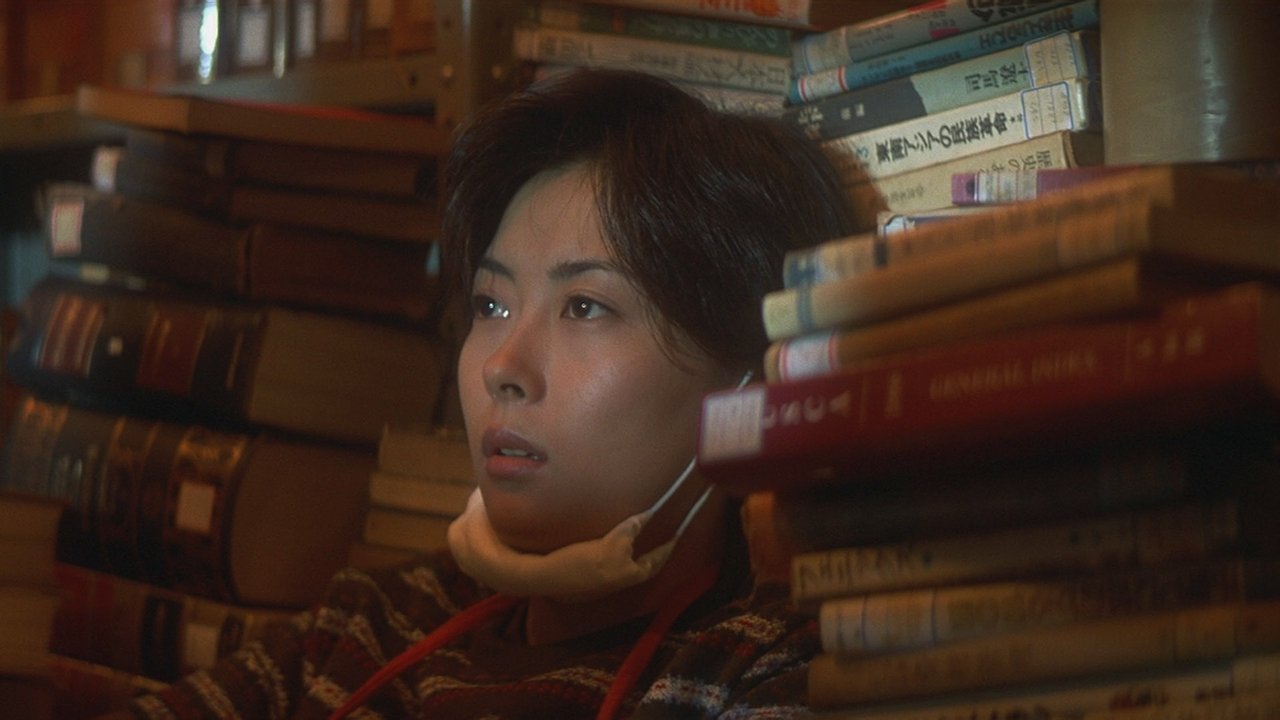
Rating: 9/10
Love Letter earns this high mark for its exceptional emotional depth, Miho Nakayama's nuanced dual performance, Shunji Iwai's assured and poetic direction, and its masterful use of atmosphere and music. It’s a film that trusts its audience, unfolding its secrets gently and rewarding patient viewing with profound feeling. The pacing is deliberate, which might test some viewers, but it’s integral to the film’s meditative quality. The justification lies in its lasting impact: it’s a film that stays with you, a quiet masterpiece of understated romance and remembrance that perfectly captured a certain wistful sensibility of mid-90s Asian cinema.
It leaves you contemplating the quiet echoes of people in our lives – the ones present, the ones lost, and the ones whose impact we only understand in retrospect. What hidden messages might our own pasts hold, waiting for the right question to be asked?