Okay, settle in, maybe pour yourself something thoughtful. Remember browsing the "Foreign" or "Drama" aisles back in the day, looking for something… different? Sometimes you stumbled upon a title that sounded deliberately provocative, promising something lurid, only to find a film far more nuanced and quietly devastating. Such is the case with 1999's Une liaison pornographique, released in English-speaking territories under the perhaps gentler, yet still intriguing title, An Affair of Love. That original French title, though – "A Pornographic Liaison" – hangs in the air, doesn't it? It immediately sets up an expectation, a boundary the film itself seems determined to explore and, ultimately, question.
### The Anonymous Contract
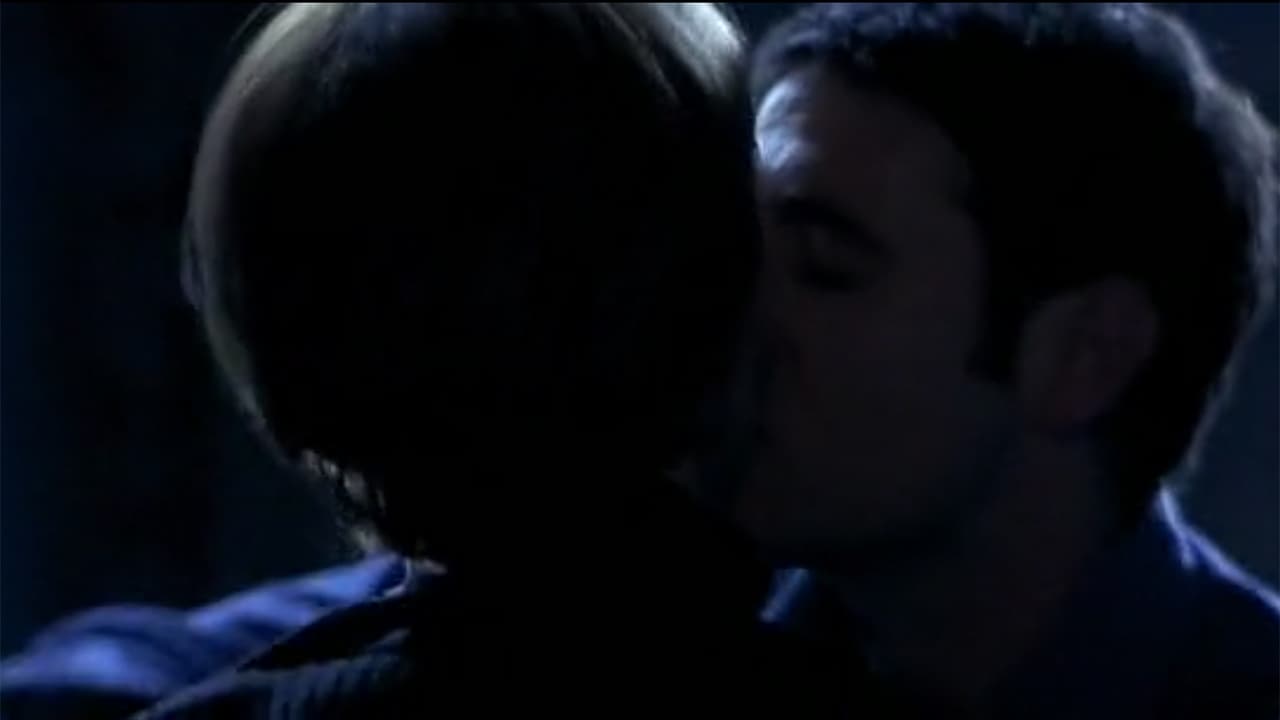
The premise, conceived by writer Philippe Blasband and brought to life by Belgian director Frédéric Fonteyne, is starkly simple yet fertile ground for complex human drama. A man (credited only as 'He', played by Sergi López) and a woman ('She', embodied by the phenomenal Nathalie Baye) meet through a personal ad. Their explicit goal? To fulfill a shared, specific sexual fantasy, remaining anonymous strangers bound only by this singular, physical purpose. No names exchanged, no personal histories shared – just the act itself, isolated from the complexities of everyday life. It's a setup ripe for exploring desire detached from emotion, but as anyone who’s ever felt the unexpected pull of connection knows, the heart rarely adheres to contracts.
### When Feelings Breach the Walls

What unfolds is less about the mechanics of their fantasy (which remains deliberately unseen, a choice that elevates the film beyond mere titillation) and more about the fragile, unexpected intimacy that blossoms in the spaces around it. In the quiet moments before and after their encounters, in shared coffee or hesitant conversation in sparsely furnished rooms, something shifts. Fonteyne masterfully captures the subtle erosion of their initial agreement. Glances linger, questions slip out, vulnerabilities are accidentally exposed. We watch as two people, determined to remain detached objects of mutual use, begin to see the human being standing before them. Is it love? Affection? Habit? Or simply the inevitable consequence of shared vulnerability? The film refuses easy answers, letting the ambiguity linger, mirroring the characters' own confusion. It forces us to ponder: can true intimacy ever be entirely compartmentalized or controlled?
### Two Souls, Laid Bare
The absolute core of An Affair of Love rests on the shoulders of its two leads, and frankly, they deliver performances of staggering authenticity. Nathalie Baye, a true icon of French cinema, is simply luminous. Her portrayal of 'She' is a masterclass in contained emotion. Through minute shifts in expression, the tension in her posture, the flicker of doubt or longing in her eyes, she conveys entire worlds of unspoken feeling. We see the initial resolve, the flicker of curiosity, the dawning tenderness, and the eventual, heartbreaking weight of consequence. It's a performance that feels utterly lived-in, earning her the Best Actress award at the 1999 Venice Film Festival.
Matching her step for delicate step is Sergi López as 'He'. López, who audiences might recognize from later works like Pan's Labyrinth (2006), brings a grounded, almost boyish uncertainty beneath his character's initial facade of detached confidence. He too seems caught off guard by the emotional current pulling them under. His performance, equally subtle and deeply felt, also deservedly won him Best Actor at Venice that same year – a rare and telling double win that underscores the profound chemistry and mutual reliance of their portrayals. Their interactions feel less like acting and more like observing intensely private moments, a testament to both their skill and Fonteyne's sensitive direction.
### The Quiet Power of Observation
There’s a distinct lack of cinematic flourish here, and that’s entirely the point. Fonteyne employs a restrained, observational style. The camera often holds steady, allowing the actors' faces and bodies to tell the story. The settings are nondescript – hotel rooms, cafes – emphasizing the universality of their experience and the internal nature of the drama. This isn't a film that shouts its themes; it whispers them, inviting the viewer to lean in, to piece together the emotional puzzle alongside the characters. This quiet intensity might have felt like a breath of fresh, albeit melancholic, air amidst the louder blockbusters crowding video store shelves in late '99 and early 2000. It was the kind of film you rented when you wanted something to chew on, something that stayed with you long after the tape rewound.
### What's In A Name?
Ultimately, An Affair of Love uses its provocative setup (and that original title!) to ask profound questions about how we define our relationships and ourselves. What constitutes an "affair"? What separates a physical act from an emotional entanglement? Can we truly connect with another person while withholding fundamental parts of ourselves? The film doesn't offer judgment, only observation, leaving the viewer to wrestle with the complex tapestry of human desire, loneliness, and the surprising places connection can find root. It reminds us that even encounters intended to be purely transactional can leave indelible marks on the soul.
---
Rating: 8.5/10
This score reflects the film's exceptional lead performances – truly, Baye and López are magnificent – and its thoughtful, mature exploration of complex emotional territory. The direction is subtle and intelligent, perfectly serving the intimate nature of the story. It avoids sensationalism, opting instead for psychological depth. It loses a sliver perhaps for a deliberate pace that might test some viewers, but its quiet power and the authenticity of its central relationship make it a standout piece of late 90s European cinema.
Final Thought: A film that begins with a contract for anonymity ends up being a poignant meditation on the inescapable nature of human connection, leaving you pondering the ghosts of encounters long after the credits roll.