Sometimes, amidst the neon glow and explosive action that defined so much of the VHS landscape, you’d stumble upon a tape that felt quieter, heavier, yet somehow pulsed with an urgent energy all its own. Bertrand Tavernier’s It All Starts Today (1999), or Ça commence aujourd'hui as it was known in its native France, was often one of those finds – perhaps nestled in the ‘World Cinema’ section, promising something starkly different from the usual blockbuster fare. And different it was. This isn't a film you watch for escapism; it’s one you experience, one that settles in your bones and leaves you contemplating the profound weight carried by those fighting quiet battles on the front lines of societal neglect.
Northern Exposure, Unfiltered
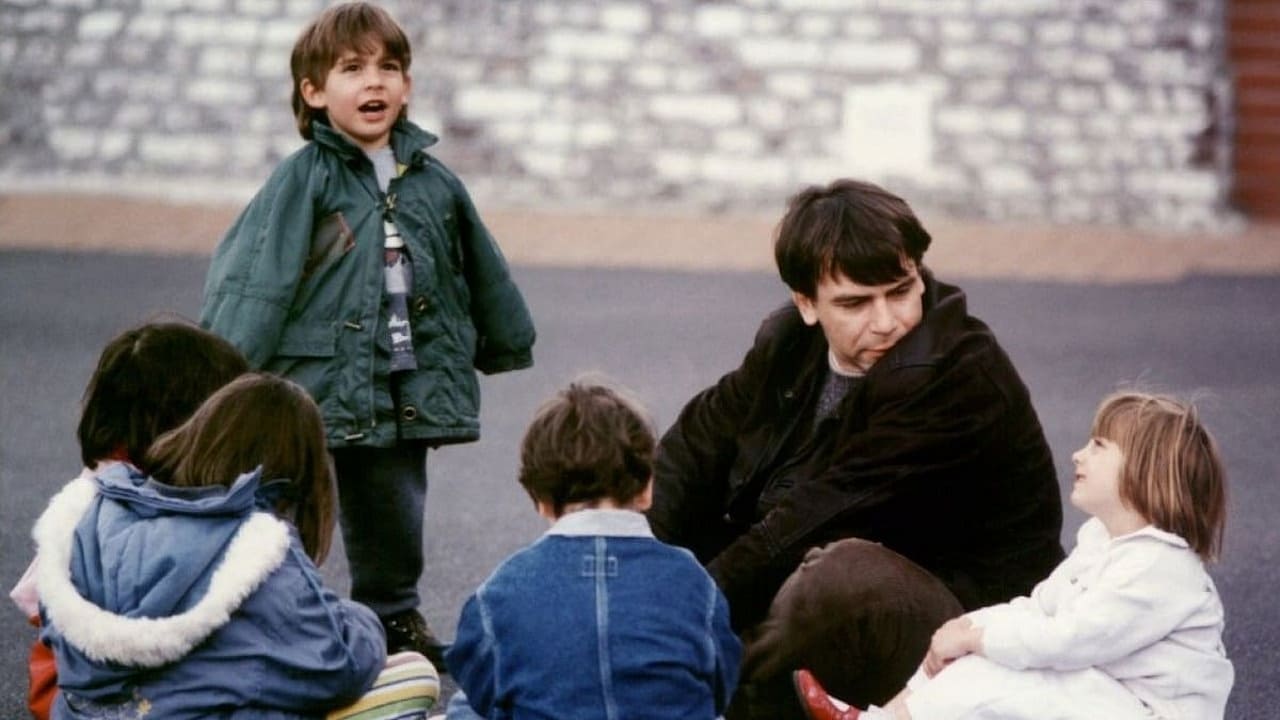
Forget picturesque French villages. Tavernier, ever the astute observer of French society (as seen in works like Life and Nothing But from 1989), plants us firmly in the grim reality of a former mining town in Northern France, Hernaing – scarred by unemployment and systemic poverty. The film’s power stems immediately from its staggering authenticity. This isn't poverty tourism; it feels achingly real, a feeling deeply rooted in the fact that co-writer Dominique Sampiero drew directly from his own experiences as a school director in just such a community. You can feel that lived truth in every frame. Reportedly, Tavernier even incorporated real anecdotes Sampiero had witnessed, blurring the line between fiction and documentary. He filmed on location in Anzin, near Valenciennes, using many non-professional actors from the area alongside his lead, grounding the narrative in an undeniable sense of place and struggle.
The Weary Shoulders of Daniel Lefebvre
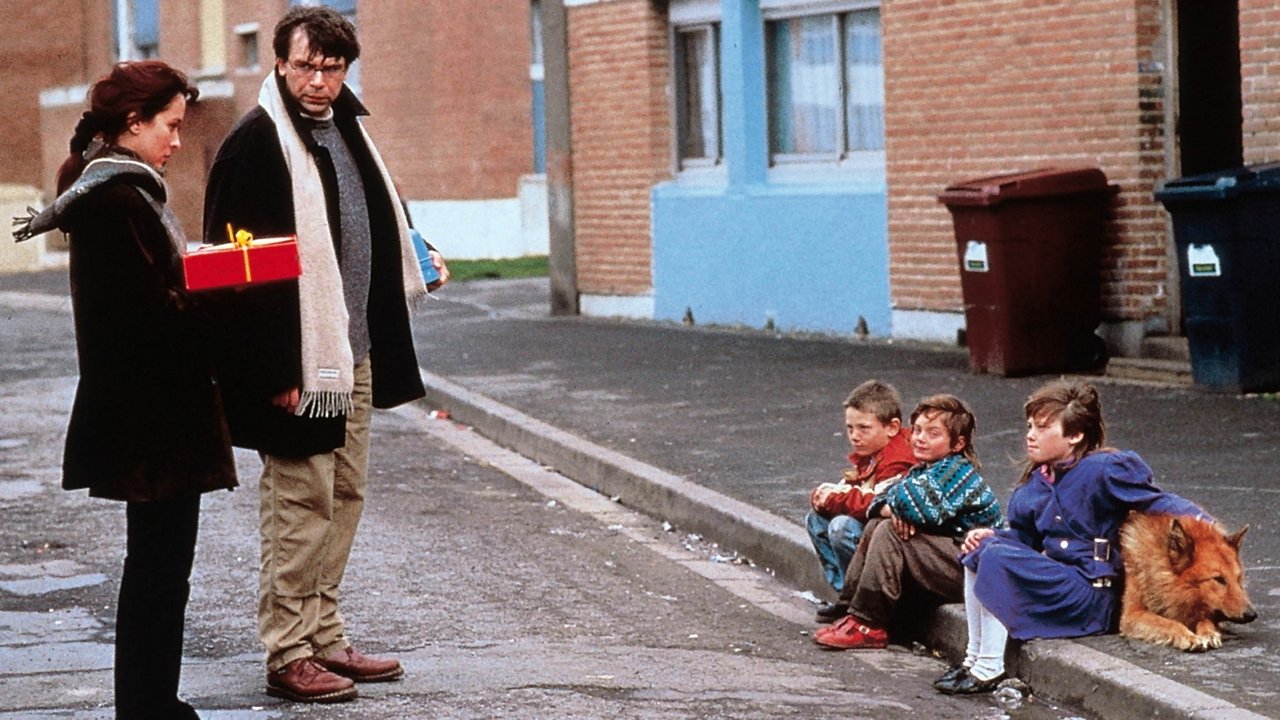
At the heart of this landscape stands Daniel Lefebvre, the principal of the local nursery school, played with astonishing commitment and raw humanity by Philippe Torreton. This isn't a heroic archetype; Daniel is frayed, often overwhelmed, yet fiercely dedicated. Torreton embodies the emotional exhaustion of someone constantly plugging holes in a dam that’s ready to burst. He’s not just an educator; he’s a social worker, a mediator, a crisis manager, forced to confront the devastating impact of poverty on his young pupils and their families – hunger, neglect, domestic violence. There’s a scene where Daniel deals with a mother who has passed out drunk, leaving her child locked inside their squalid apartment. Torreton’s face in these moments – a mixture of anger, pity, and bone-deep weariness – speaks volumes more than any dialogue could. It's a performance devoid of vanity, utterly immersed in the character's draining reality. You believe him, completely. Wasn't this kind of grounded, unshowy performance a refreshing counterpoint to some of the more bombastic acting styles prevalent at the time?
Beyond the School Gates
While Daniel is the anchor, the film populates his world with figures who illuminate the broader social fabric. Maria Pitarresi as Valeria, Daniel’s partner, offers a crucial, albeit strained, source of personal support, representing the toll his work takes on his private life. Nadia Kaci is memorable as Samia, a determined social worker who becomes a key ally, sharing Daniel's frustrations with bureaucratic indifference but possessing perhaps a slightly tougher pragmatism. The film doesn't shy away from the bleakness, depicting families trapped in cycles of despair, facing indifferent authorities and dwindling resources. Yet, crucially, it also finds moments of resilience, community spirit, and the defiant spark of childhood innocence that Daniel fights so hard to protect. It asks, without offering easy answers: where does personal responsibility end and systemic failure begin?
Tavernier's Empathetic Realism
Bertrand Tavernier directs with a style that feels both immediate and deeply compassionate. Often employing handheld cameras and naturalistic lighting, he creates an almost vérité feel, placing the viewer right alongside Daniel in the chaotic classrooms and cramped apartments. There's no manipulative score telling you how to feel, no easy villains or saviors. The screenplay, co-written by Tavernier, his daughter Tiffany Tavernier, and the essential Dominique Sampiero, avoids melodrama, focusing instead on the cumulative weight of small, everyday tragedies and triumphs. It’s a testament to Tavernier’s skill that a film dealing with such harsh realities never feels exploitative, only deeply humane. It garnered critical acclaim, notably winning the FIPRESCI Prize at the Berlin International Film Festival, recognition of its unflinching yet sensitive portrayal.
A Rewarding, If Sobering, Rental
Let’s be honest, It All Starts Today probably wasn’t the tape you grabbed for a lighthearted Friday night pizza-and-movie session back in the day. It demanded more from its audience. I recall finding it tucked away, its cover art perhaps less flashy than its neighbours, promising something substantial. Renting it felt like a deliberate choice, a desire to engage with something meaningful beyond the usual explosions or romantic comedies. And the reward was immense – a film crafted with intelligence, empathy, and a profound sense of purpose. It’s a potent reminder of cinema's power to foster understanding and shed light on uncomfortable truths, something that feels just as relevant now as it did rolling through the VCR heads back in the late 90s. It challenges us, asking what responsibility we bear for the most vulnerable in our communities.
Rating: 9/10
This rating reflects the film's exceptional authenticity, Philippe Torreton's powerhouse performance, Bertrand Tavernier's masterful direction, and its enduring social conscience. It's a near-perfect example of compassionate realism, impactful and deeply moving without resorting to sentimentality. The film’s power lies in its refusal to offer simple solutions, instead immersing the viewer in the complex, often heartbreaking reality of its characters' lives, a reality grounded by Dominique Sampiero's own invaluable experiences.
It All Starts Today lingers long after the credits roll, not just as a snapshot of late 90s French social struggle, but as a timeless testament to the quiet heroism of those who refuse to look away. What other films from that era managed to hit with such unassuming, profound force?