That first blush of young love can feel intoxicating, almost dangerously potent. But what happens when that intensity curdles, when charm twists into obsession, and affection becomes a suffocating grip? 1996's Fear plunges headfirst into that darkness, capturing the specific, chilling dread of realizing the person you let into your heart might be the monster trying to tear your world apart. It wasn't just a teen thriller; it felt like a whispered warning echoing from the slick, black plastic of a rented VHS tape.
Sweet Sixteen, Savage Intent
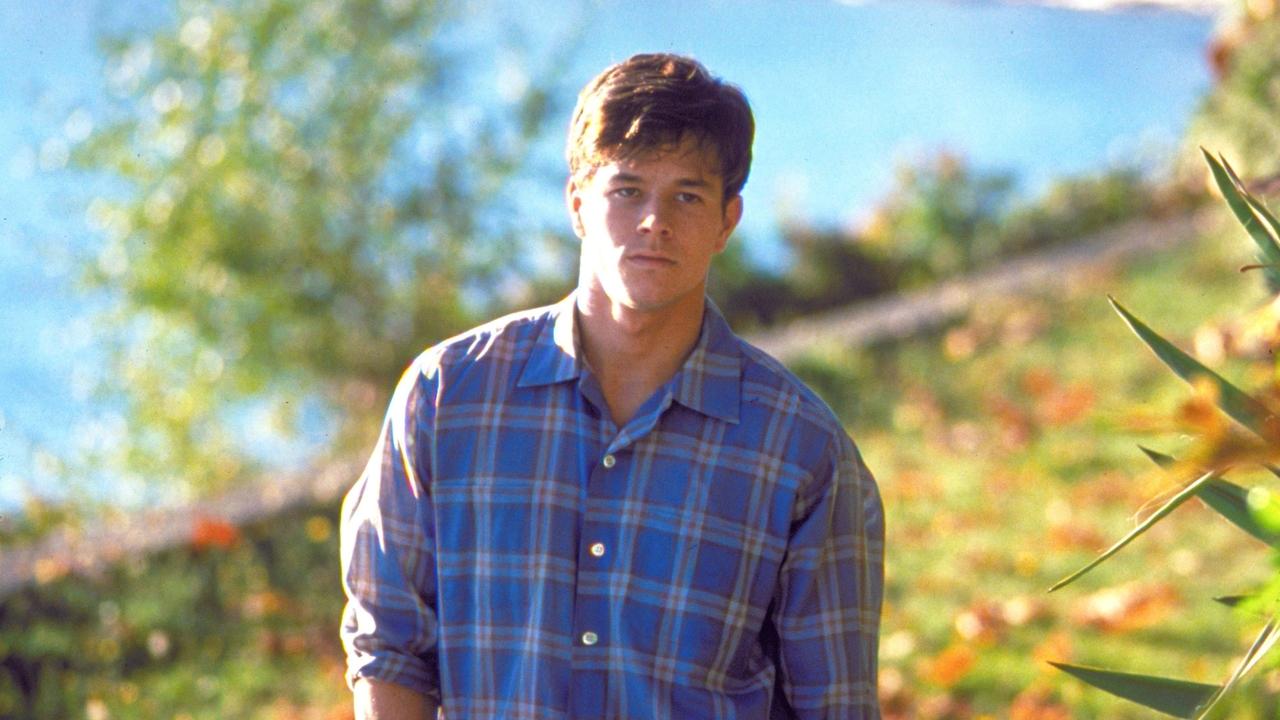
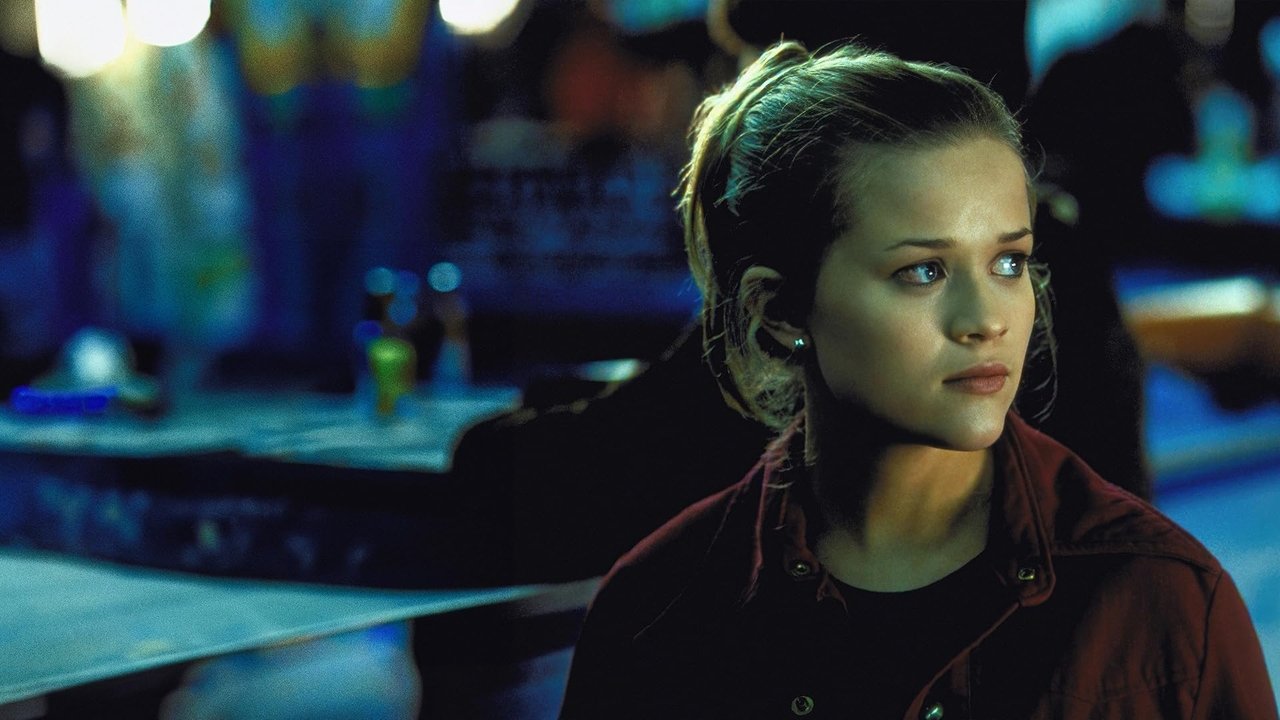
We meet Nicole Walker (Reese Witherspoon, radiating a believable blend of teenage naivete and burgeoning independence), celebrating her sixteenth birthday in Seattle. She's at that precarious age, pulling away from her protective father, Steven (William Petersen, channeling some of that intense Manhunter (1986) energy), and stepmother Laura (Amy Brenneman). Enter David McCall (Mark Wahlberg). He’s handsome, attentive, seemingly everything a teenager dreams of. Director James Foley, known for navigating shadowy character studies in films like At Close Range (1986), initially paints their romance with broad, almost idyllic strokes. The meet-cute, the stolen moments, the way David seems to see Nicole – it feels like a glossy teen drama unfolding. But Foley expertly laces these early scenes with subtle hints of wrongness, a flicker in David's eyes, a possessiveness that feels just slightly off.
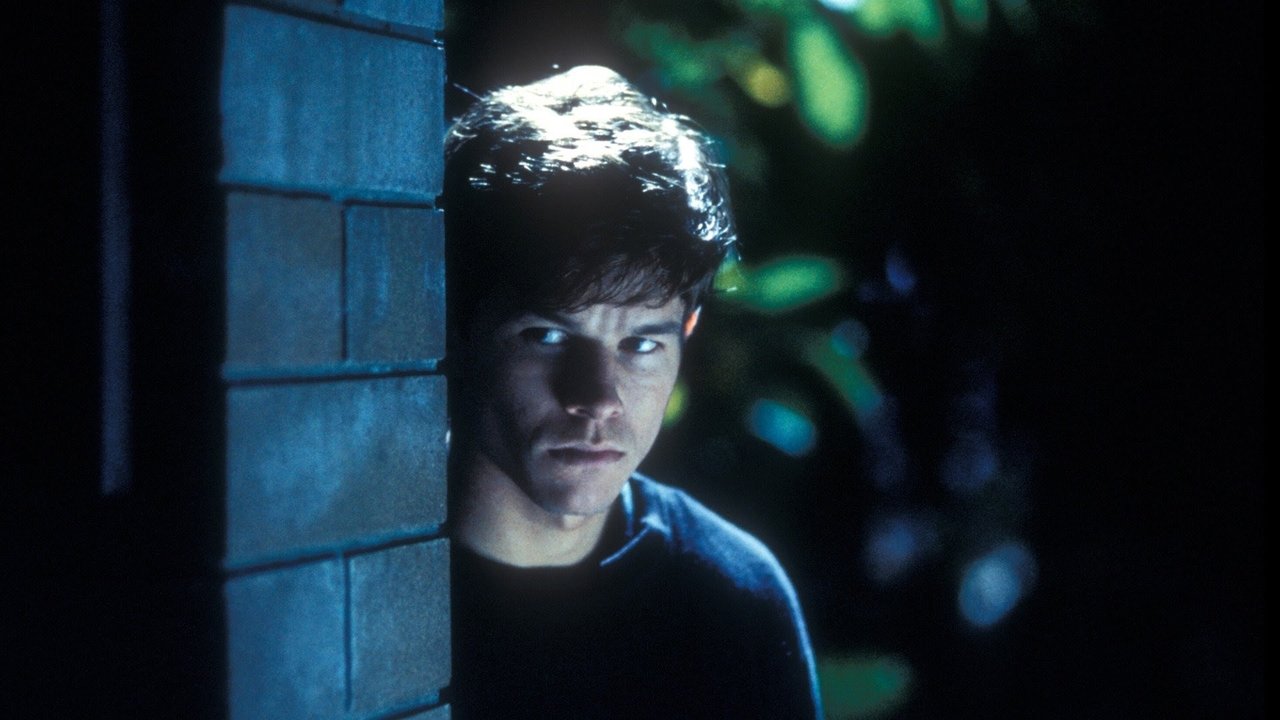
It's a credit to both young leads. Witherspoon, barely 19 during filming, gives Nicole a vulnerability that makes her initial blindness to David's flaws utterly convincing. We feel her falling for him, making his eventual betrayal cut deeper. And Wahlberg? This was a pivotal role in his shift from Marky Mark to serious actor, and he absolutely nails the duality. His David is magnetic, effortlessly charming one moment, then snapping into terrifying rage the next. It's a performance built on unsettling stillness punctuated by explosive violence, a portrayal of possessive control that still feels chillingly effective today. Who could forget the menacing undertone of the rollercoaster scene, designed to thrill but foreshadowing a terrifying lack of boundaries?
The Walls Close In
The brilliance of Fear, particularly in its first two acts, lies in its patient escalation. It’s not about jump scares; it’s about the slow, suffocating creep of dread. Steven’s initial distrust of David feels like standard protective-dad fare, but as David’s mask slips – the jealous outbursts, the manipulation, the subtle threats – we share Steven's mounting alarm. Petersen is fantastic as the father who sees the danger his daughter refuses to acknowledge, creating a grounded counterpoint to the escalating melodrama.
The film leverages its Pacific Northwest setting well, the often-overcast skies and isolated, affluent homes contributing to a sense of unease. The Walker family home itself becomes a character – a beautiful, modern fortress that David ultimately seeks to breach. Its sleek lines and large windows, initially symbols of openness and comfort, transform into points of vulnerability during the film's harrowing climax. There's a palpable sense of violation as David and his increasingly unhinged friends lay siege to this domestic sanctuary. Remember the infamous "Nicole 4 Eva" scene? It wasn't just about the physical act; it was the horrifying inscription of ownership, a permanent brand of obsession that perfectly encapsulated David's mindset.
Behind the Terror
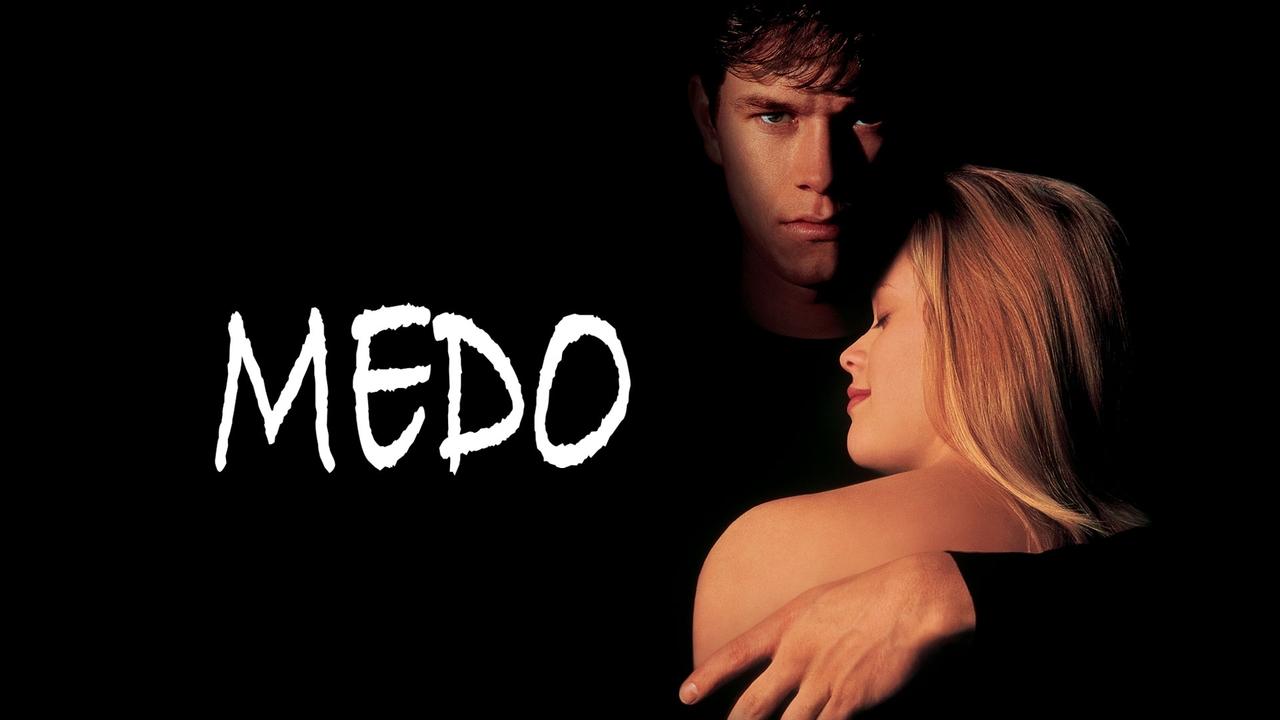
While Fear tapped into primal anxieties, its production wasn't without its own points of interest. Crafted by writer Christopher Crowe (who penned The Last of the Mohicans) and producer Brian Grazer, the film was made on a relatively lean budget of around $6.5 million. It proved quite profitable, pulling in over $20 million domestically (that's over $40 million adjusted for inflation!), finding an even larger, enduring audience on home video. It became a staple of the rental store shelves, the stark cover art promising a specific brand of intense, relationship-gone-wrong terror. While some critics at the time dismissed its third act descent into more conventional home invasion territory, audiences responded to its raw energy and the potent performances, particularly Wahlberg's star-making turn as the charismatic psycho. Did that final act feel a bit over-the-top even then? Perhaps, but it delivered a visceral payoff to the carefully built tension.
Lasting Impression
Fear arrived during a boom time for teen-centric genre films in the mid-90s, standing alongside slashers like Scream (1996) but offering a more psychological, grounded (initially, at least) threat. It played on relatable fears – the vulnerability of young love, the parental nightmare of not being able to protect your child, the terrifying possibility that charm can hide monstrous intent. It wasn't high art, perhaps, but it was slickly made, unnervingly effective, and tapped into the zeitgeist perfectly.
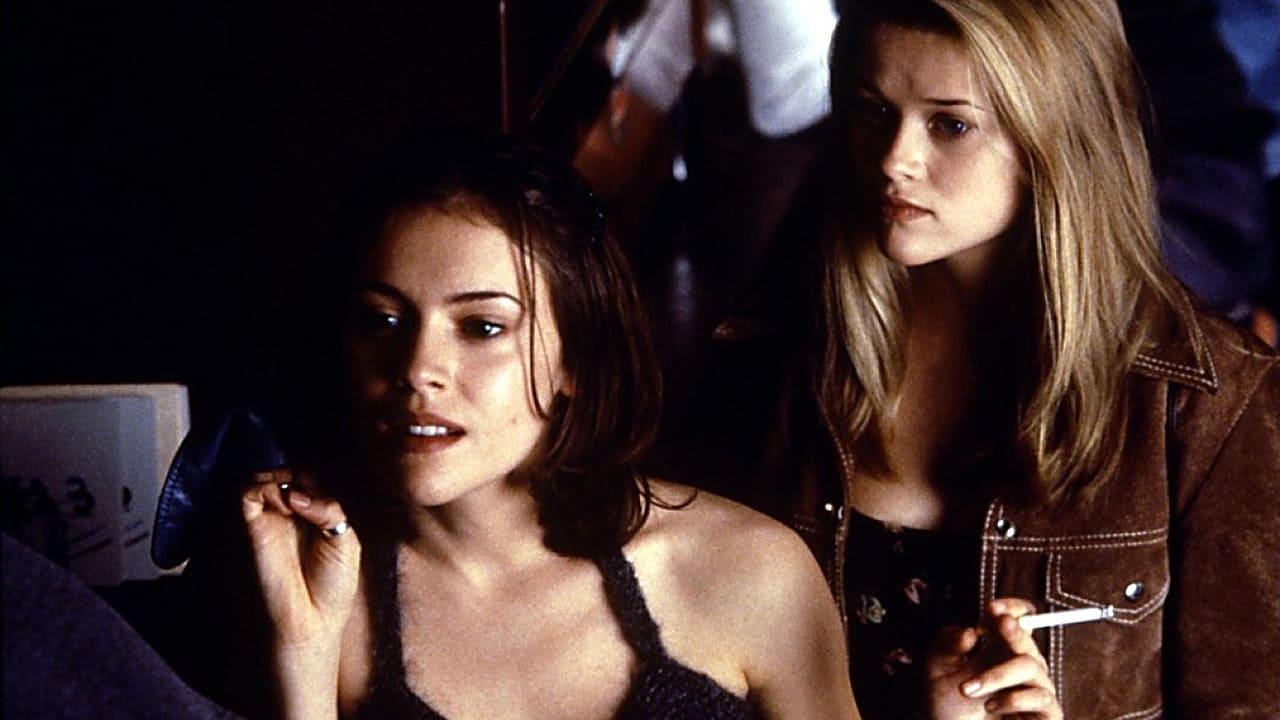
Does it hold up? The technology is dated, the fashion screams mid-90s, and the final act leans heavily into thriller tropes. Yet, the core tension, fueled by Wahlberg's unsettling performance and Witherspoon's relatable vulnerability, remains potent. It’s a film that understood how to build atmosphere and prey on genuine anxieties, leaving a lingering chill long after the credits rolled and you ejected the tape.
VHS Heaven Rating: 7/10
The rating reflects a film that excels in building tension and features standout performances, particularly from Wahlberg, capturing a specific 90s thriller vibe effectively. It loses a point or two for the somewhat generic third-act climax and occasional heavy-handedness, but its core psychological dread earns it a solid score. It’s a potent slice of 90s paranoia, a cautionary tale wrapped in a glossy thriller package that definitely earned its spot on the "Frequently Rented" shelf.