Okay, fellow tape-heads, let's rewind to 1997. Pull up a chair, maybe crack open something cold. We're diving into Bill Duke's ambitious, sprawling gangster epic, Hoodlum. Remember this one? It arrived with a certain swagger, promising a Prohibition-era Harlem crime saga centered on one of its most legendary figures. It wasn't quite Coppola or Scorsese, but watching it again now, decades removed, reveals a film with undeniable power, largely fueled by its volcanic central performances.

Harlem's Uncrowned King
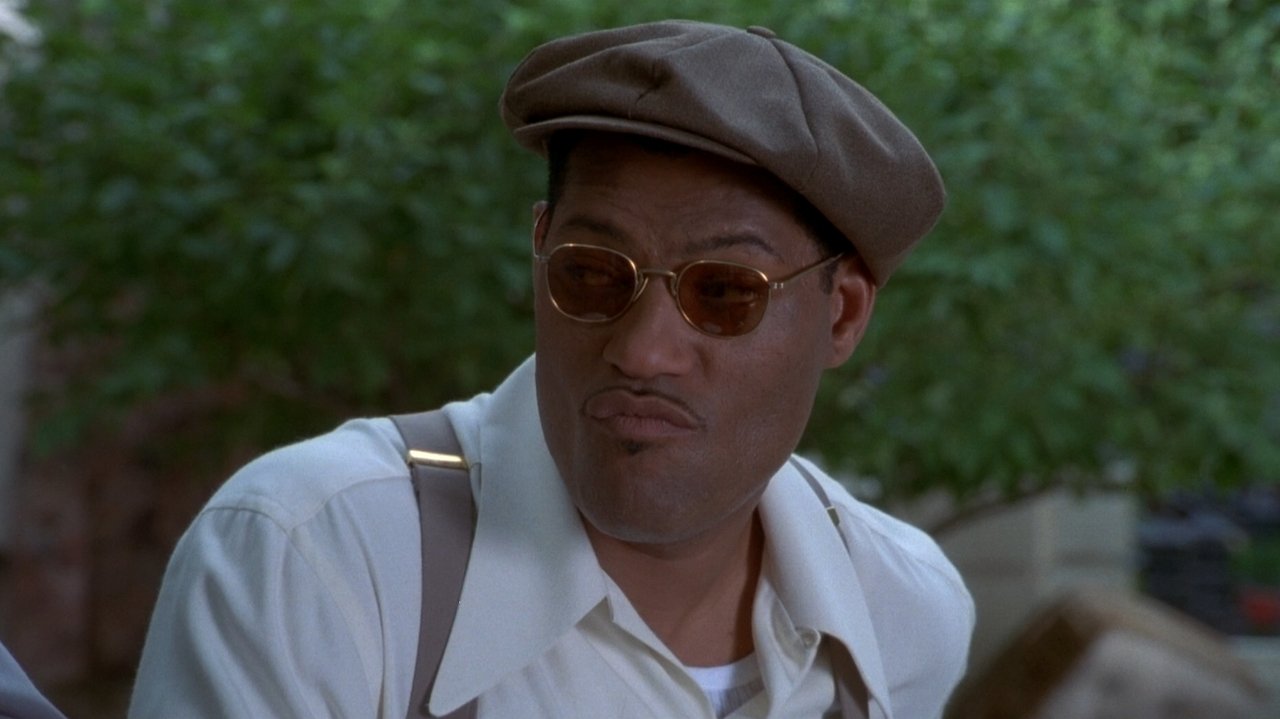
What immediately strikes you upon revisiting Hoodlum isn't just the period detail, but the sheer weight of presence Laurence Fishburne brings to Ellsworth "Bumpy" Johnson. This isn't just acting; it's an inhabitation. Fishburne, who had actually portrayed a younger, different version of Bumpy years earlier in Francis Ford Coppola's The Cotton Club (1984), steps into the role here with the confidence of a man who understands the intricate dance of power, intellect, and necessary ruthlessness required to survive, let alone thrive, on Harlem's streets during the Great Depression. He’s just returned from a stint upstate, finding his former mentor, Stephanie St. Clair, aka "The Queen" (played with regal authority by the legendary Cicely Tyson), under siege from the volatile Dutch Schultz. The stage is set for a brutal turf war, a narrative thread familiar to the gangster genre, but given a specific, charged energy by its Harlem setting and racial dynamics.
A Triangle of Terror
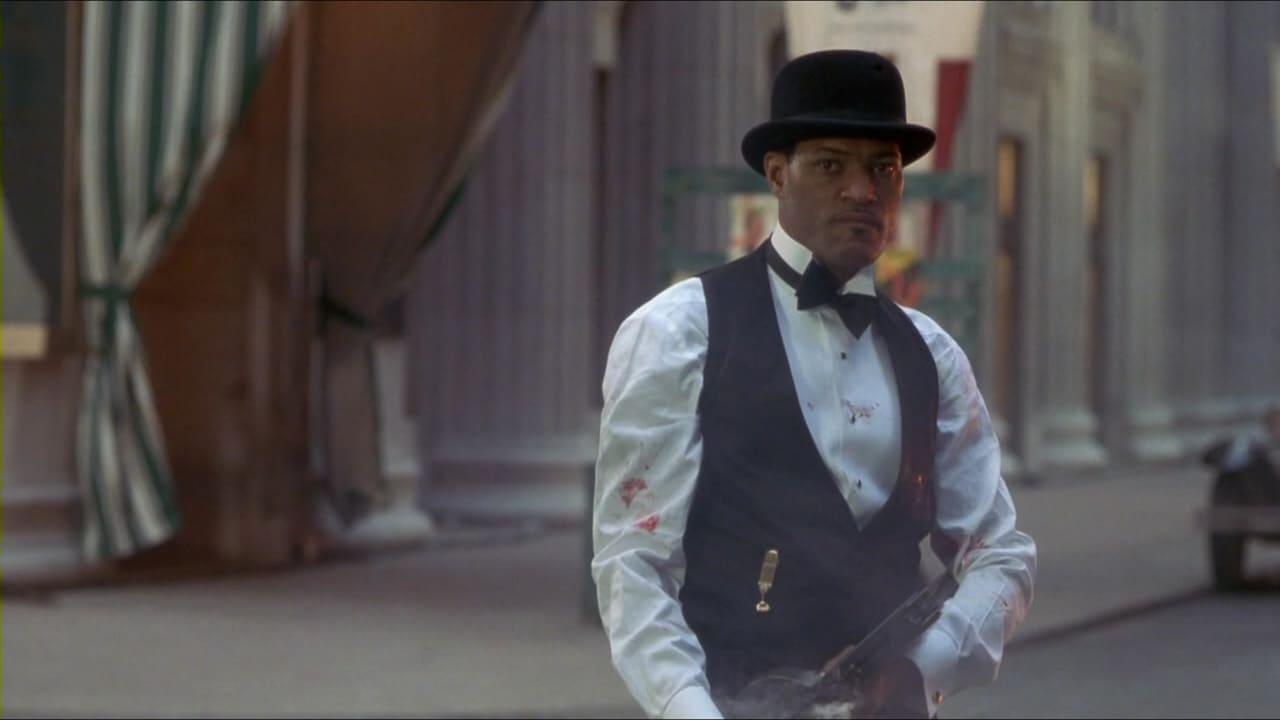
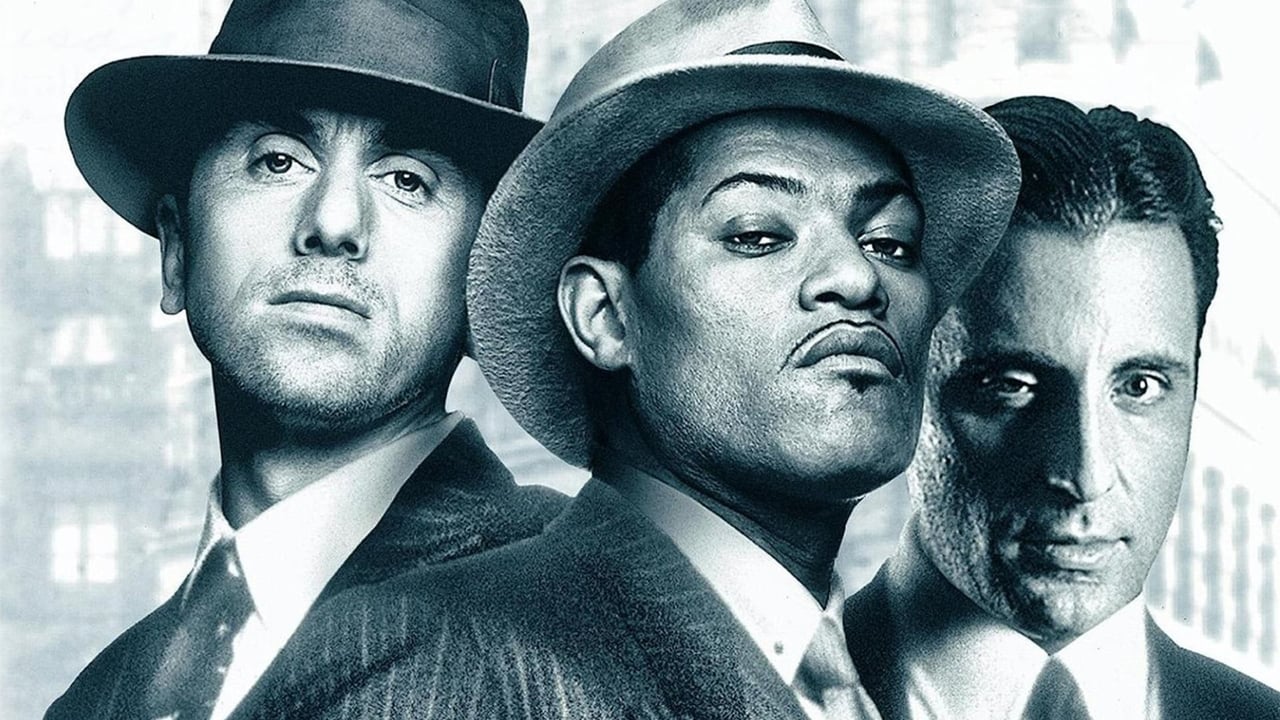
The film truly ignites in the interactions between its core triumvirate of gangsters. Fishburne's Bumpy is the calculating strategist, a man capable of poetic pronouncements one moment and cold-blooded violence the next. His performance feels grounded, a center of gravity amidst the chaos. Then there's Tim Roth as Dutch Schultz. Oh, Dutch. Roth throws himself into the role with a feral, almost rabid energy that borders on caricature yet somehow feels terrifyingly plausible. It’s a performance that chews scenery, spits it out, and then sets it on fire. Reportedly, Roth's intensity was such that it genuinely unnerved some cast members on set – a tidbit that feels entirely believable watching his wild-eyed, spittle-flecked rants. Does it sometimes threaten to unbalance the film? Perhaps. But it's undeniably memorable, a raw nerve contrasting sharply with the smooth, almost serpentine menace of Andy Garcia's Lucky Luciano. Garcia, no stranger to iconic gangster roles after The Godfather Part III (1990), plays Luciano with a chilling restraint, his ambition masked by expensive suits and quiet threats. The scenes where these three titans circle each other are the film's strongest, crackling with tension and showcasing distinct brands of criminality.
Style and Substance in Duke's Harlem
Director Bill Duke, known for helming the excellent neo-noir Deep Cover (1992) and for his imposing presence as an actor in films like Predator (1987), paints a vision of 1930s Harlem that feels both grand and gritty. There’s an effort to capture the atmosphere, the clash of cultures, the simmering tension beneath the surface. The production design feels substantial, aiming for authenticity, even if it was largely filmed in Chicago substituting for New York. Elmer Bernstein’s score adds a layer of classic Hollywood drama to the proceedings. Yet, sometimes the film feels caught between wanting to be a serious historical drama about race, power, and community uplift (Bumpy is often portrayed, somewhat romantically, as a protector of Harlem) and a more straightforward, violent gangster flick. This tension isn't always resolved gracefully, leading to moments where the tone can feel slightly uneven.
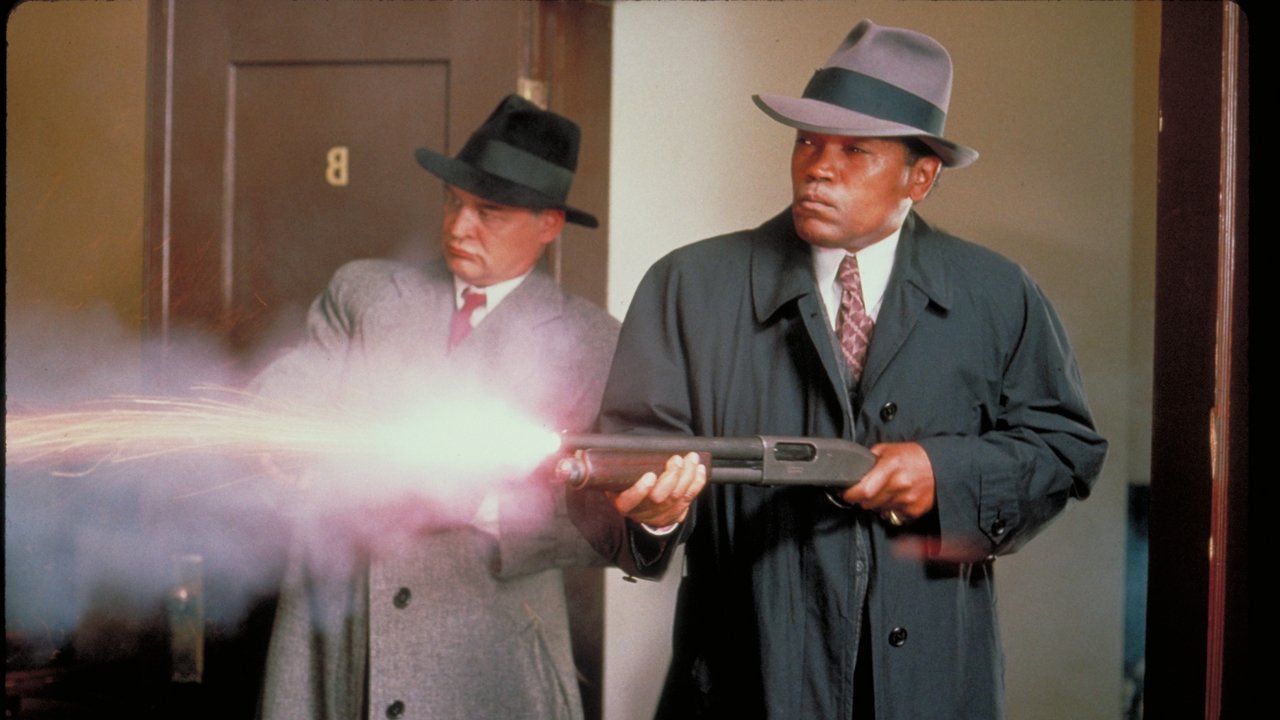
The supporting cast, including Vanessa Williams as Bumpy's love interest Francine Hughes and Clarence Williams III as the conflicted enforcer Bub Hewlett, add texture, though their characters occasionally feel underdeveloped compared to the central power struggle. It’s a packed narrative, and sometimes the intricate plot mechanics of the numbers racket war overshadow the more nuanced character beats.
Behind the Numbers
It's interesting to remember Hoodlum in the context of late-90s cinema. It arrived after the resurgence of gangster cool spurred by Tarantino, but aimed for a more classical, almost epic feel. Made for a respectable $30 million, its $23.5 million domestic gross meant it wasn't a runaway hit, perhaps getting lost amidst the flashier offerings of the time. Critics were divided, too (it holds a middling score on Rotten Tomatoes even today), some praising the performances while others found the script and pacing flawed. Yet, there's a certain nostalgic charm to its earnest ambition. It tried to tell a big story, anchored by actors giving it their absolute all. Fishburne, in particular, lays groundwork here for the kind of commanding presence he'd bring to The Matrix just two years later. You see that quiet intensity, that coiled strength.
The Verdict on the VHS Shelf
Hoodlum isn't a perfect film. It occasionally bites off more narrative than it can chew, and Roth's performance, while captivating, might be overpowering for some. But its strengths are significant. Fishburne is magnetic, Garcia is coolly effective, and the central conflict provides genuine dramatic sparks. It attempts to explore complex themes within its genre framework, offering a look at a specific corner of American crime history often overlooked. It feels like a solid, well-crafted piece of 90s studio filmmaking, the kind you’d eagerly grab off the "New Releases" wall at Blockbuster, promising scope, stars, and shootouts. It delivers on those promises, with flashes of something deeper simmering beneath.
Rating: 7/10
Justification: The powerhouse performances from Fishburne, Roth, and Garcia elevate the film significantly. While the script and pacing can be uneven, Bill Duke crafts a compelling atmosphere and tackles ambitious themes. It’s a strong, if not quite classic, entry in the gangster genre, memorable for its central character study and intense confrontations.
Final Thought: Decades later, what lingers most is the image of Fishburne's Bumpy Johnson – intelligent, dangerous, and forever navigating the treacherous chessboard of Harlem power. Hoodlum remains a potent reminder of his commanding screen presence and a solid slice of 90s crime drama well worth revisiting.