Okay, let's settle in. Some films linger long after the static fades from the screen, not because of explosions or grand pronouncements, but because of the quiet hum of human complexity they leave behind. 1991's Rambling Rose is precisely that kind of film – a character study so rich and delicately handled that revisiting it feels less like watching a movie and more like puzzling over a faded, cherished photograph, trying to fully grasp the stories held within. It arrived on shelves nestled perhaps between louder, brasher titles, but its power was of a different, more resonant frequency.
A Storm in a Sundress
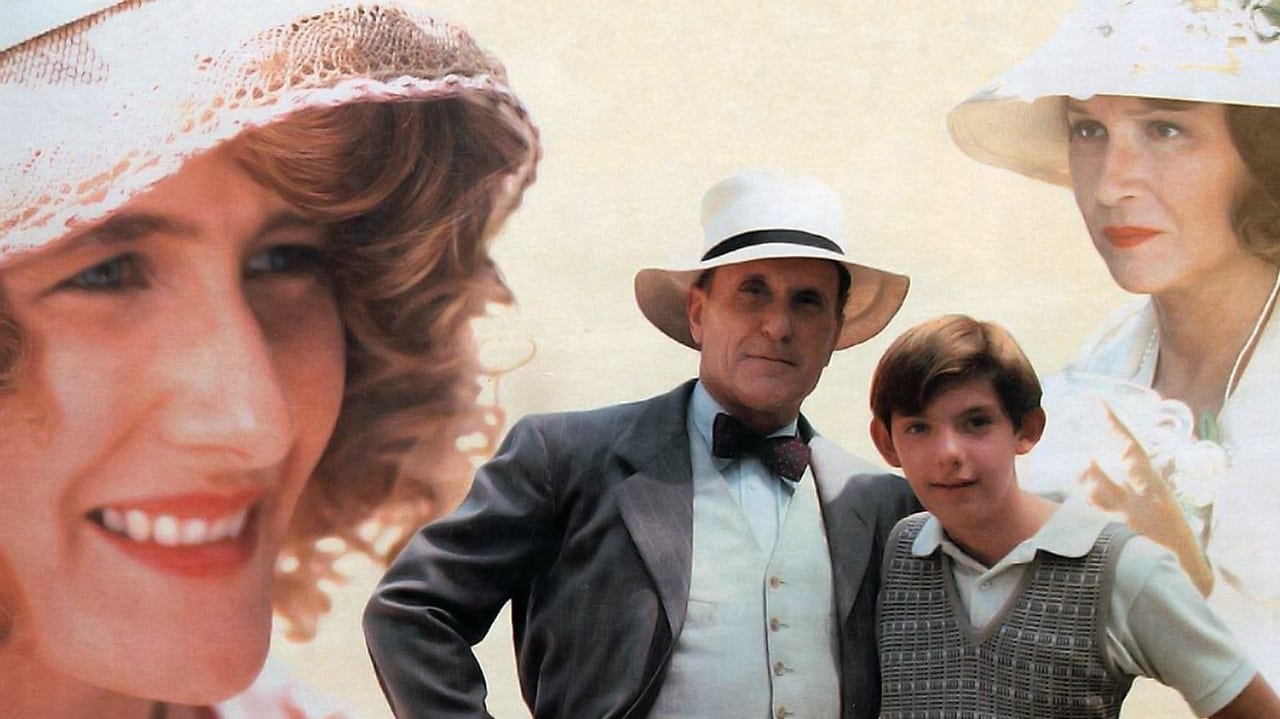
The film, adapted by Calder Willingham from his own novel and directed with remarkable sensitivity by Martha Coolidge (who navigated very different territory in hits like Valley Girl (1983) and Real Genius (1985)), introduces us to the Hillyer family in Depression-era Georgia. Into their seemingly stable, intellectual household walks Rose, played with astonishing vulnerability and vitality by Laura Dern. Hired as a live-in maid, Rose is... well, Rose is a force. She possesses an almost childlike innocence intertwined with an uninhibited sexuality that throws the family, and the small town around them, into a gentle, bewildered chaos. What makes Dern's performance so unforgettable – truly one of the defining roles of her early career – is her refusal to play Rose as merely a victim or a seductress. She’s both naive and knowing, loving and dangerously impulsive, a young woman overflowing with affection she doesn’t quite know how to channel appropriately within the strict confines of her time. Is she troubled, or is society's reaction the real trouble? The film invites us to ponder this without offering easy answers.
Navigating Thorny Terrain with Grace
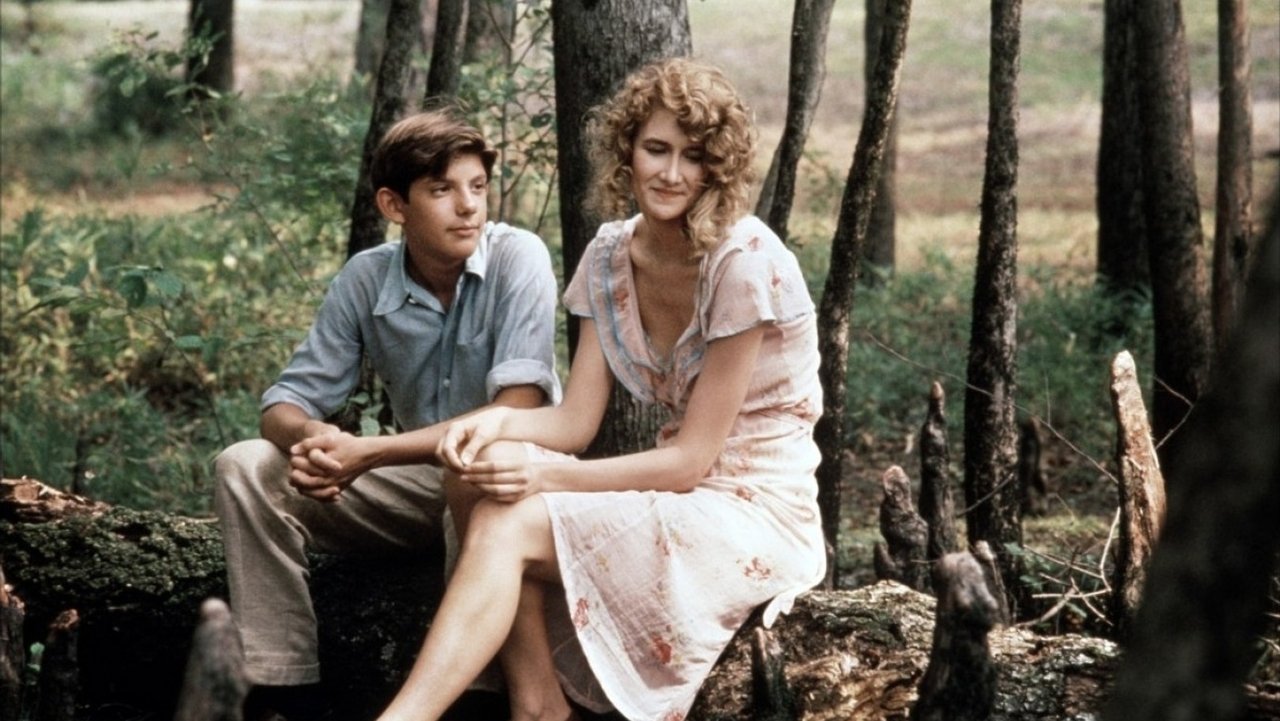
It's delicate material, this exploration of female sexuality, societal judgment, and awakening desire, particularly through the eyes of the Hillyer's adolescent son, Buddy (Lukas Haas, embodying youthful confusion perfectly). Yet, Martha Coolidge steers the narrative with immense grace. There's a warmth to the filmmaking, an empathy that permeates every frame, preventing the story from ever feeling exploitative or salacious. Coolidge reportedly championed this project for years, and her dedication shows. The film doesn't shy away from the discomfort Rose causes, nor does it condemn her. Instead, it observes the ripple effects of her presence, forcing the seemingly progressive Hillyer parents to confront the limits of their own tolerance and understanding when faced with a reality that defies easy categorization.
Anchors in the Storm: Duvall and Ladd
Providing the film's compassionate core are Robert Duvall as Daddy Hillyer and Diane Ladd (Laura Dern's real-life mother) as Mother Hillyer. Duvall, ever the master of quiet authority and understated emotion, portrays a man of intellect and deep empathy, genuinely trying to understand and protect Rose, even when completely baffled by her. His scenes with Dern are models of gentle connection and concern. Ladd, as Mother, is equally brilliant. She’s fiercely protective of her family, initially wary of Rose's potential disruption, yet her maternal instincts and fundamental decency shine through. Her performance is a complex blend of societal awareness, pragmatism, and burgeoning affection for the young woman who challenges her worldview. It’s a performance layered with nuance, earning her an Academy Award nomination alongside her daughter. This marked a unique moment in Oscar history – the first time a mother and daughter were nominated for acting awards for the same film. Seeing them interact on screen, knowing their real-life relationship, adds another layer of poignant authenticity.

Echoes of the South
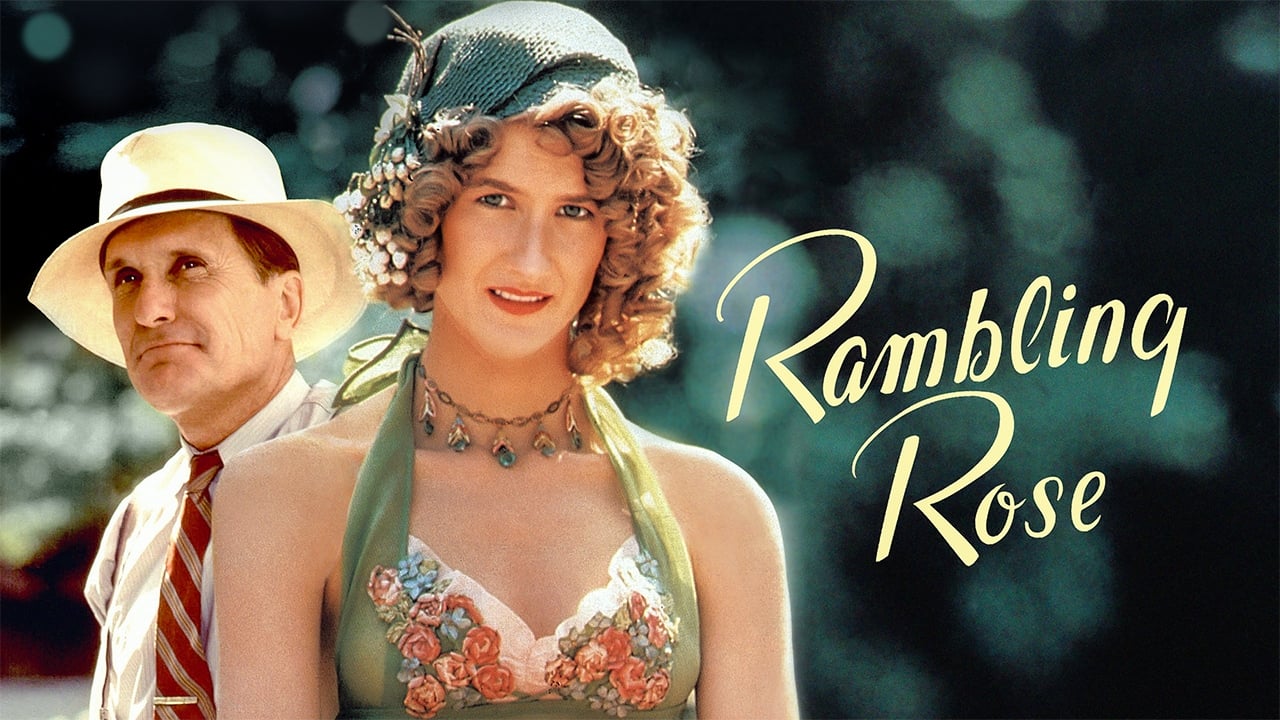
The film captures the specific atmosphere of the Depression-era South beautifully – the heat, the politeness overlaying simmering tensions, the distinct social strata. It wasn’t a blockbuster, pulling in around $7 million domestically against its $8 million budget, but its impact wasn't measured in weekend grosses. Rambling Rose found its audience, I suspect, much like I first found it – tucked away on a video store shelf, promising something quieter, more thoughtful. It became a word-of-mouth discovery, celebrated for its performances and its mature handling of complex themes, earning those Oscar nods for Dern and Ladd and garnering significant critical acclaim.
Why It Stays With You
What lingers most, perhaps, is the film’s profound sense of compassion. It doesn't offer neat resolutions or easy moral judgments. Rose remains an enigma, a 'rambling' soul whose capacity for love is as boundless as it is tragically misunderstood by the world she inhabits. The film asks us to consider how we treat those who don't fit neatly into societal boxes, those whose expressions of self make us uncomfortable. Doesn't that question still resonate today? It’s a testament to the writing, direction, and especially the performances, that Rose feels utterly real, a vibrant, flawed human being deserving of empathy, not just pity or condemnation. Revisiting Rambling Rose feels like catching up with an old friend whose complexities you appreciate more with time – a gentle, moving, and ultimately unforgettable piece of 90s cinema.
Rating: 9/10
This score reflects the film's exceptional, Oscar-nominated performances, particularly from Laura Dern and Diane Ladd, Martha Coolidge's sensitive and nuanced direction of challenging material, and its enduring, compassionate exploration of complex human themes. It’s a near-perfect character study that avoids easy answers and resonates long after viewing.
Final Thought: A beautifully crafted film that reminds us true understanding often lies beyond judgment, blooming unexpectedly like a rambling rose in cautious soil.