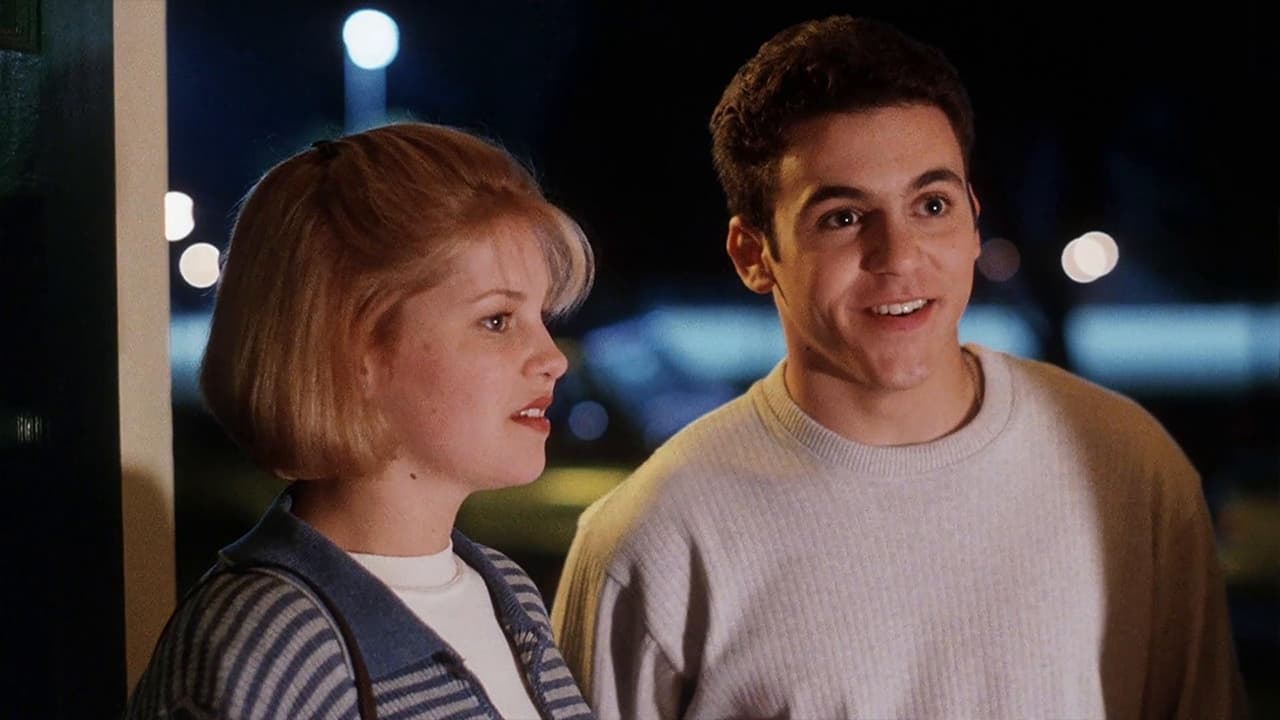
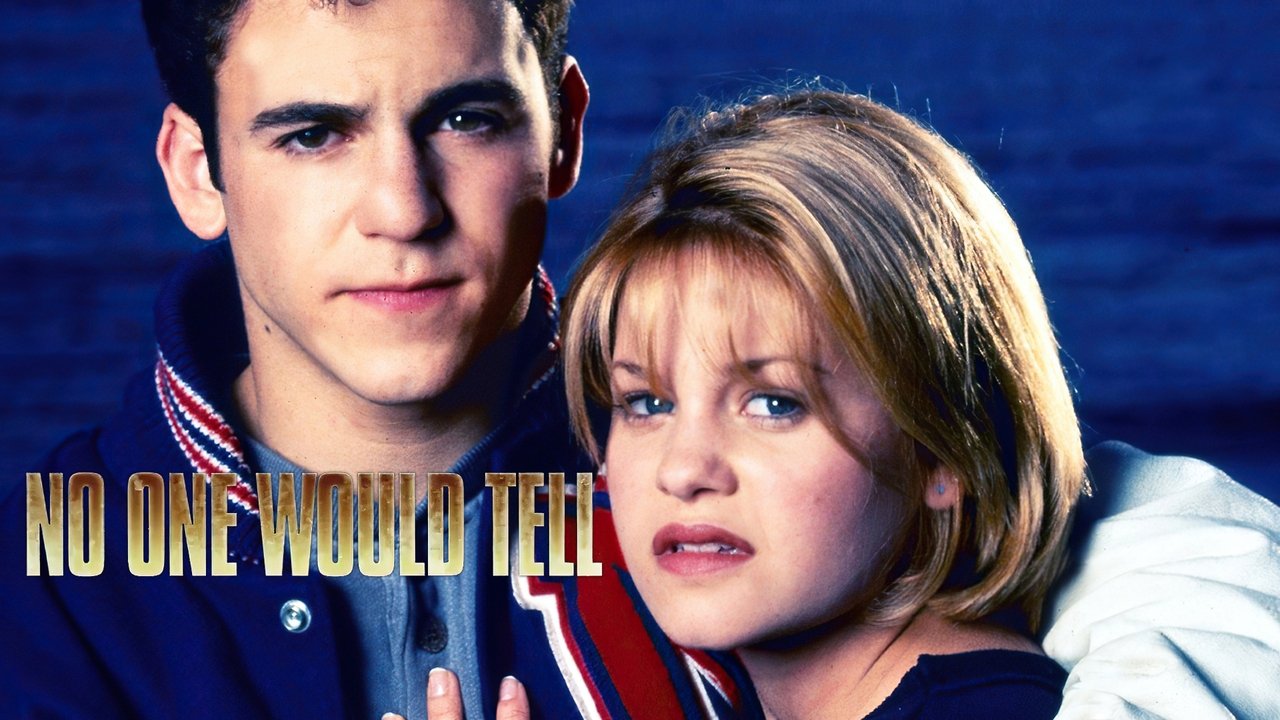
It starts with a smile, doesn't it? That easy, familiar charm we knew so well. But in No One Would Tell, the 1996 TV movie that landed like a quiet bombshell in many living rooms, that smile belongs to Fred Savage, and it’s chillingly different. Gone is the earnest Kevin Arnold of The Wonder Years. In his place stands Bobby Tennison, a popular high school wrestler whose charisma masks a terrifying possessiveness. Seeing Savage, an icon of relatable suburban angst, embody such darkness was jarring then, and honestly, it remains one of the film’s most potent and unsettling achievements.
The Casting Coup
Let's be frank: the casting made this movie resonate so deeply. Pairing Savage with Candace Cameron (Bure), fresh off her years as the ever-responsible D.J. Tanner in Full House, was a stroke of unsettling genius. She plays Stacy Collins, bright and initially swept off her feet by Bobby's attention. Cameron Bure effectively sheds the sitcom persona, portraying Stacy’s dawning fear and eroding confidence with a vulnerability that feels achingly real. We know these faces; we grew up with them. Seeing them locked in this destructive dynamic – Savage expertly deploying charm as a weapon, Cameron Bure shrinking under its weight – forces an uncomfortable intimacy. It transforms a social issue drama into something personal, something that felt like it could happen next door, or even in your own high school hallways. It wasn't just acting; it felt like a betrayal of the personas we thought we knew, amplifying the film's core message about hidden abuse.
More Than Just a Movie-of-the-Week
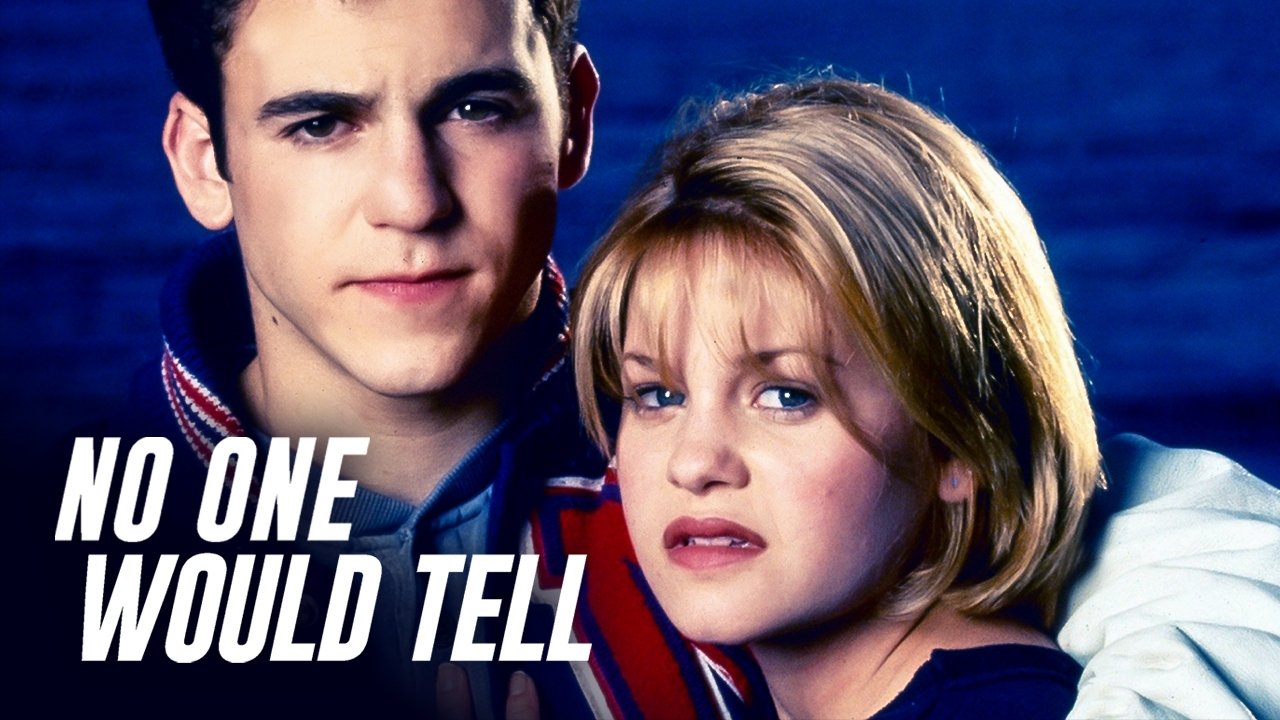
Yes, No One Would Tell bears the hallmarks of its mid-90s TV movie origins – the earnest tone, the focus on a social issue, the relatively straightforward narrative. Directed by Noel Nosseck, a veteran of the format, it doesn't rely on stylistic flourishes. Instead, its power lies in its grounded, almost mundane portrayal of escalating abuse. There are no mustache-twirling villains here. Bobby’s violence often follows apologies and gifts; his control manifests as intense affection turned sour. The film is chillingly effective at depicting the cycle of abuse: the initial charm, the isolation, the jealousy disguised as love, the intimidation, the violence, and the terrifying reconciliation that keeps the victim trapped. It captures that creeping dread, the sense of Stacy walking on eggshells, with uncomfortable accuracy.
One detail that adds significant weight, often unknown to viewers back then unless they caught specific news reports, is that the story was heavily inspired by the tragic real-life case of Amy Carnevale, a 14-year-old Massachusetts girl murdered by her boyfriend Jamie Fuller in 1991, reportedly while friends looked on. Knowing this grim foundation shifts the film from a cautionary tale to a harrowing reflection of reality. It wasn't just melodrama cooked up for ratings; it was drawn from headlines, giving its title an even sharper, more tragic edge.
The Deafening Silence
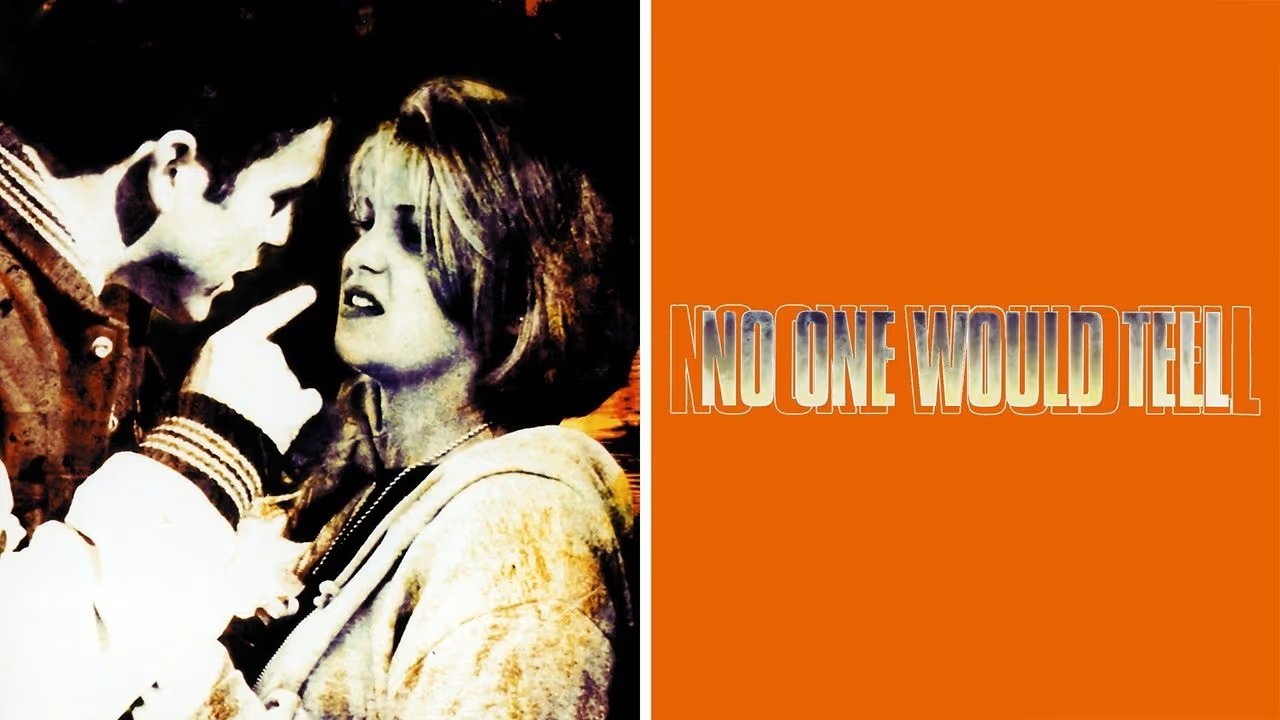
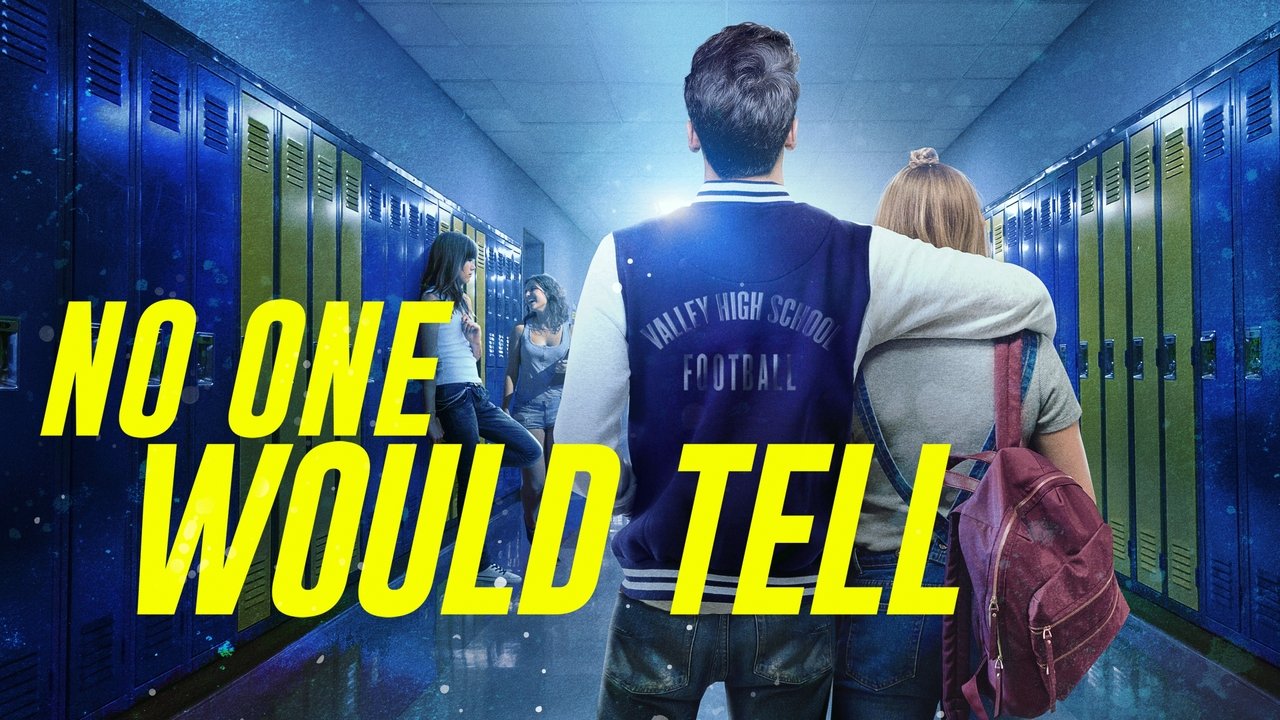
The film’s title, No One Would Tell, points directly at the complicity of the peer group. Stacy's friends see the bruises, hear the rumors, witness Bobby's possessiveness, yet they remain largely silent. Fear, misplaced loyalty, denial, the simple awkwardness of interfering – the film touches on all these reasons, painting a frustratingly believable picture of teenage social dynamics in the face of unfolding horror. It forces us to ask: What would we have done? It’s a question that likely echoed in many viewers' minds long after the credits rolled, especially for those of us navigating similar social pressures in our own youth. The film doesn’t offer easy answers, but it lays bare the devastating consequences of inaction.
Retro Truths That Still Resonate
Watching No One Would Tell today, through the lens of decades passed and countless ripped-from-the-headlines stories since, it still lands with surprising force. The fashion might scream 1996, the technology is quaintly dated (no cell phones tracking locations here), but the core dynamics of abuse and the societal reluctance to intervene feel depressingly timeless. Its power wasn't in slick production, but in its raw, uncomfortable honesty and those crucial casting choices that dared to shatter wholesome images. It served as a stark warning, broadcast directly into millions of homes, using the familiar faces of beloved TV stars to deliver an unforgettable message about the darkness that can hide behind a charming smile. I distinctly remember the buzz around this movie when it first aired on NBC; it was one of those TV events that people actually talked about the next day, particularly the shock of seeing Kevin Arnold turn monstrous.
Rating: 7/10
This rating reflects the film's significant impact and effectiveness as a 90s TV movie tackling a difficult subject. While it might lack the nuance or cinematic polish of a theatrical release, its brave casting against type, its grounding in a tragic true story, and its unflinching (for its time and format) portrayal of teen dating violence make it a powerful and memorable piece of television history. The performances by Savage and Cameron Bure are central to its success, elevating it beyond typical "issue of the week" fare. It served its purpose as a conversation starter and a cautionary tale extremely well.
What lingers most, perhaps, is the echo of that title. It’s a statement, an accusation, and a question all at once, challenging the silence that allows such tragedies to occur, a challenge that remains just as relevant today.