Alright, settle in, pop that metaphorical tape in the VCR, and let’s rewind to the turn of the millennium. The year 2000 might feel like a transition point, right on the cusp of the DVD era really taking hold, but trust me, Barking Dogs Never Bite (플란다스의 개 or Flandersui Gae) carries that distinct energy of a film you’d discover tucked away on a rental shelf, promising something… different. And different it certainly is. Forget your explosive action epics for a moment; this is a quirky, darkly comedic, and surprisingly poignant little number that marked the arrival of a major directorial talent: Bong Joon-ho.
### Not Your Average Walk in the Park
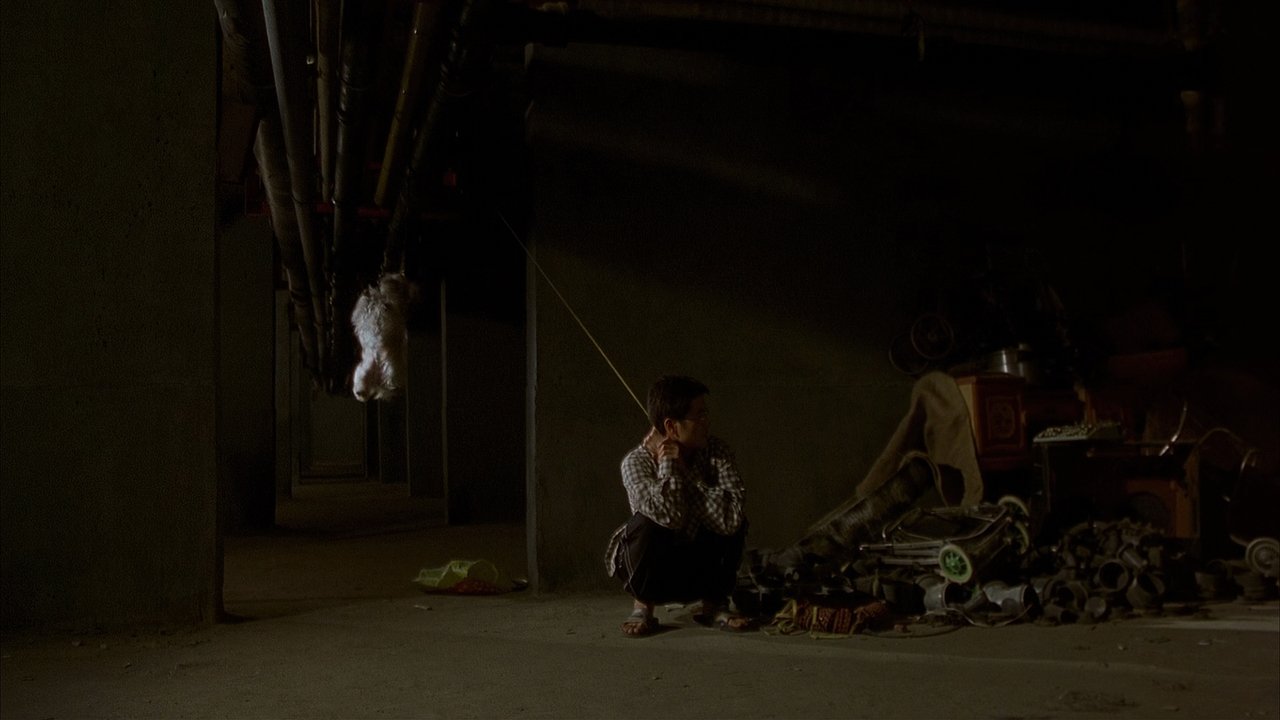
Before Bong Joon-ho became the globally celebrated auteur behind modern classics like Memories of Murder (2003) and the Oscar-sweeping Parasite (2019), he gave us this, his feature debut. And what a debut! It drops us into the mundane anxieties of Yun-ju (Lee Sung-jae), an unemployed academic stuck in a sprawling, soulless apartment complex. His already frayed nerves are pushed to the breaking point by the incessant yapping of an unseen dog somewhere in the building. His solution? Let’s just say it’s… drastic, and sets off a chain reaction of missing pooches, escalating paranoia, and darkly funny situations.
This isn't a laugh-out-loud comedy, mind you. It's more of a wry chuckle escaping through gritted teeth. The film masterfully captures that specific kind of urban malaise, the feeling of being simultaneously surrounded by people and utterly alone. Bong Joon-ho already shows his incredible knack for blending tones – one minute you're observing the bleak reality of Yun-ju's situation, the next you're caught up in a bizarre, almost slapstick sequence involving inept dog-napping. It’s a balancing act he’d perfect later, but the seeds are brilliantly sown here.

### Enter the Dogged Heroine
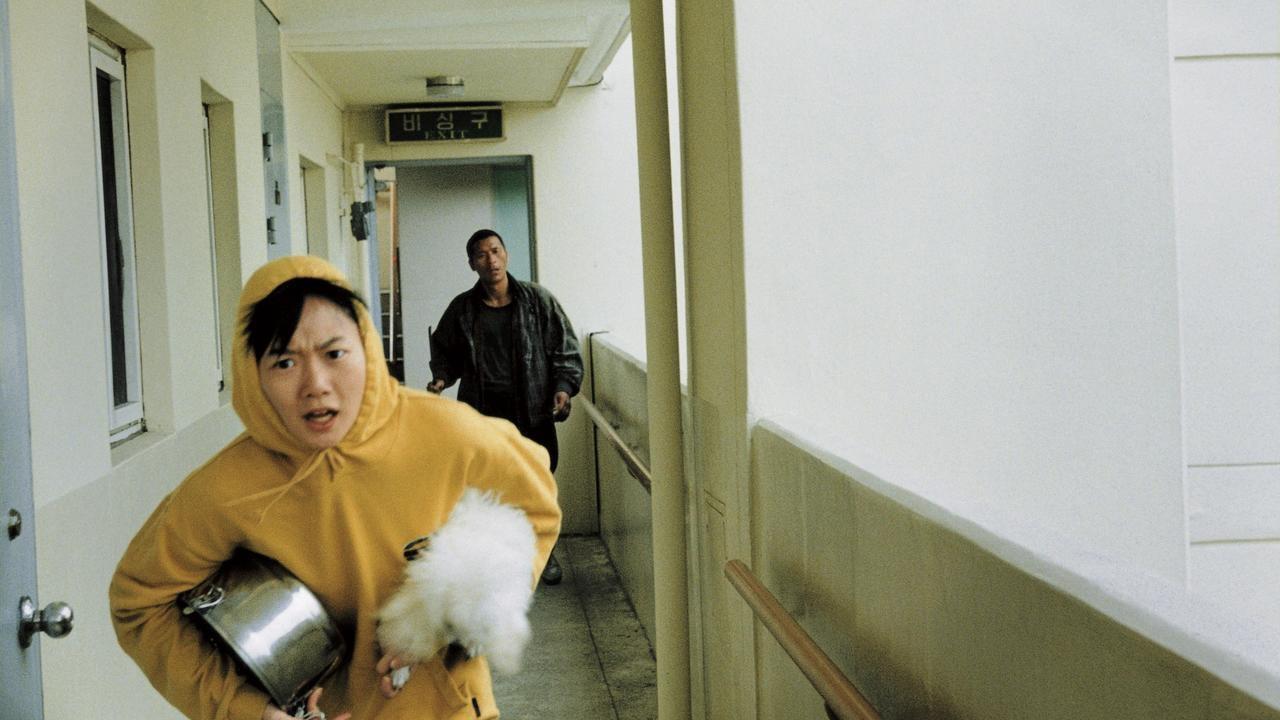
Counterpointing Yun-ju's spiraling desperation is the wonderfully earnest Park Hyun-nam, played by a young Bae Doona (who would later reunite with Bong for The Host (2006)). Hyun-nam works in the complex's management office, a slightly bored but fundamentally decent soul who dreams of minor fame and takes the reports of missing dogs perhaps a little too seriously. Bae Doona brings an effortless charm and quiet determination to the role. She’s the film's moral center, navigating the building's eccentric residents and bizarre occurrences with a wide-eyed curiosity that’s incredibly endearing. Remember seeing her here, maybe after catching her in something like Sympathy for Mr. Vengeance (2002) a couple of years later, and thinking, "Wow, she's got it"? That star quality is already undeniable.
### That Bong Joon-ho Touch, Even Then
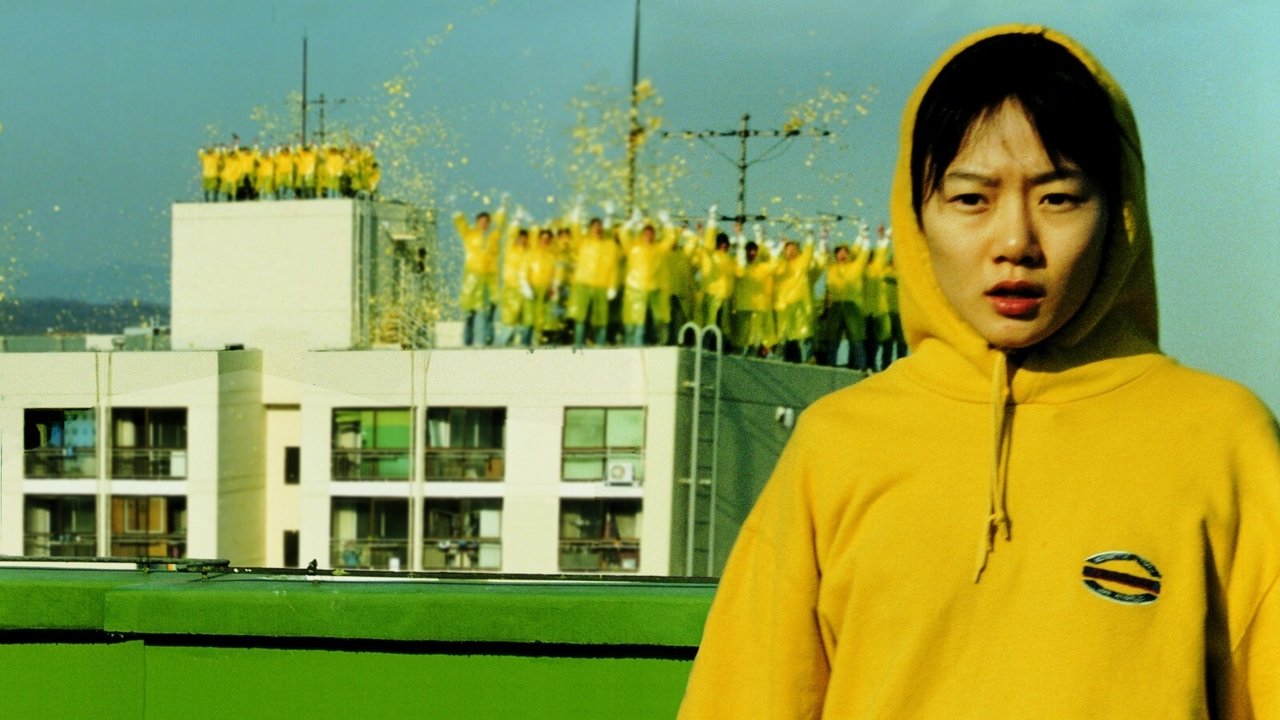

Even in this early work, you can see Bong Joon-ho's signature style emerging. The meticulous framing, the use of space (that labyrinthine apartment complex almost becomes a character itself), and the underlying social commentary simmering just beneath the surface. The film subtly touches on themes of alienation, apathy, the pressures of modern life, and the casual cruelties people inflict on each other, often without much thought. It’s a far cry from the spectacular set pieces of his later blockbusters, but the visual storytelling is just as sharp.
Interestingly, the film’s Korean title, Flandersui gae, directly references the famously sentimental Japanese anime based on an English novel, A Dog of Flanders. Knowing this adds a layer of dark irony to the proceedings, contrasting the idealized loyalty of that story with the often harsh and disposable treatment of pets (and people) in the film's world. It’s a clever, slightly acidic touch typical of Bong. While it wasn't a box office smash upon its initial South Korean release – a fate common to many unique debut films – its reputation grew steadily, especially as Bong Joon-ho's international profile rose. Finding it felt like uncovering a secret handshake into his cinematic universe.
### A Different Kind of Retro Discovery
Okay, so maybe you weren't renting Barking Dogs Never Bite on a fuzzy VHS in 1988. But its spirit feels perfectly aligned with the kinds of left-field discoveries that made those trips to the video store so rewarding. It’s the type of movie you’d grab based on intriguing cover art or a vague recommendation, unsure what to expect, and end up thinking about for days. It doesn't rely on pyrotechnics or elaborate stunts – its tension comes from character, situation, and that creeping sense of unease. It’s a reminder that compelling cinema doesn't always need to shout; sometimes, like a persistent yap from down the hall, it just needs to get under your skin.
Rating: 8/10
Justification: While perhaps not as polished or thematically grand as Bong Joon-ho's later masterpieces, Barking Dogs Never Bite is a remarkably confident and unique debut. Its blend of black comedy, social observation, and genuine empathy, coupled with strong performances (especially from Bae Doona), makes it captivating. It might test some viewers' patience with its deliberate pace and morally ambiguous protagonist, but its quirky charm and thematic depth offer significant rewards. It’s a fascinating first step from a director who would go on to conquer the world.
Final Take: Forget the explosions; sometimes the most unsettling disturbances are the ones echoing through the thin walls of everyday life. A must-see for Bong fans and anyone who appreciates cinema that’s witty, weird, and wonderfully human, even at its most frustrating.