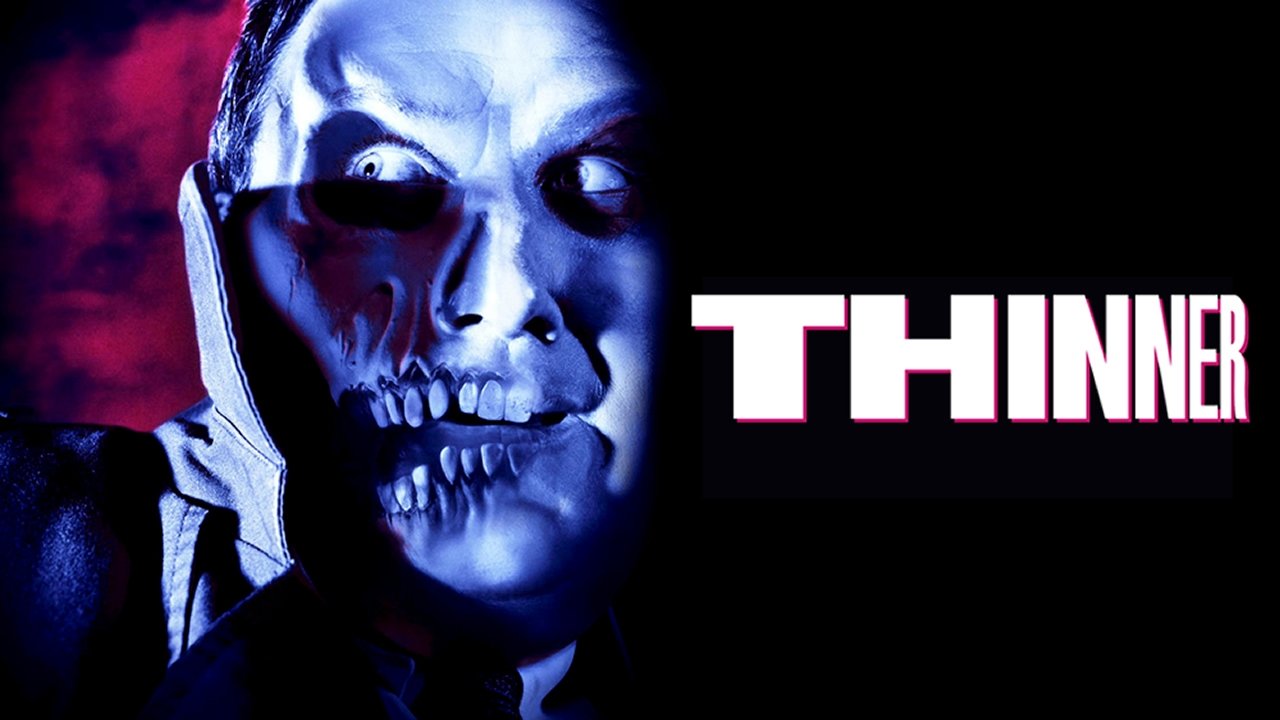
That single word, whispered like a death sentence by a dying man with ancient eyes, hangs heavy in the air long after the credits roll. Thinner. It’s not just a curse; it's a promise of slow, relentless dissolution, a physical manifestation of guilt gnawing away at the flesh. Watching Tom Holland's 1996 adaptation of the Stephen King (writing as Richard Bachman) novel often felt like catching something illicit on late-night cable, a grim little morality play wrapped in the skin of body horror. It burrowed under your skin, didn't it? That creeping dread of unstoppable decay.
A Pound of Flesh
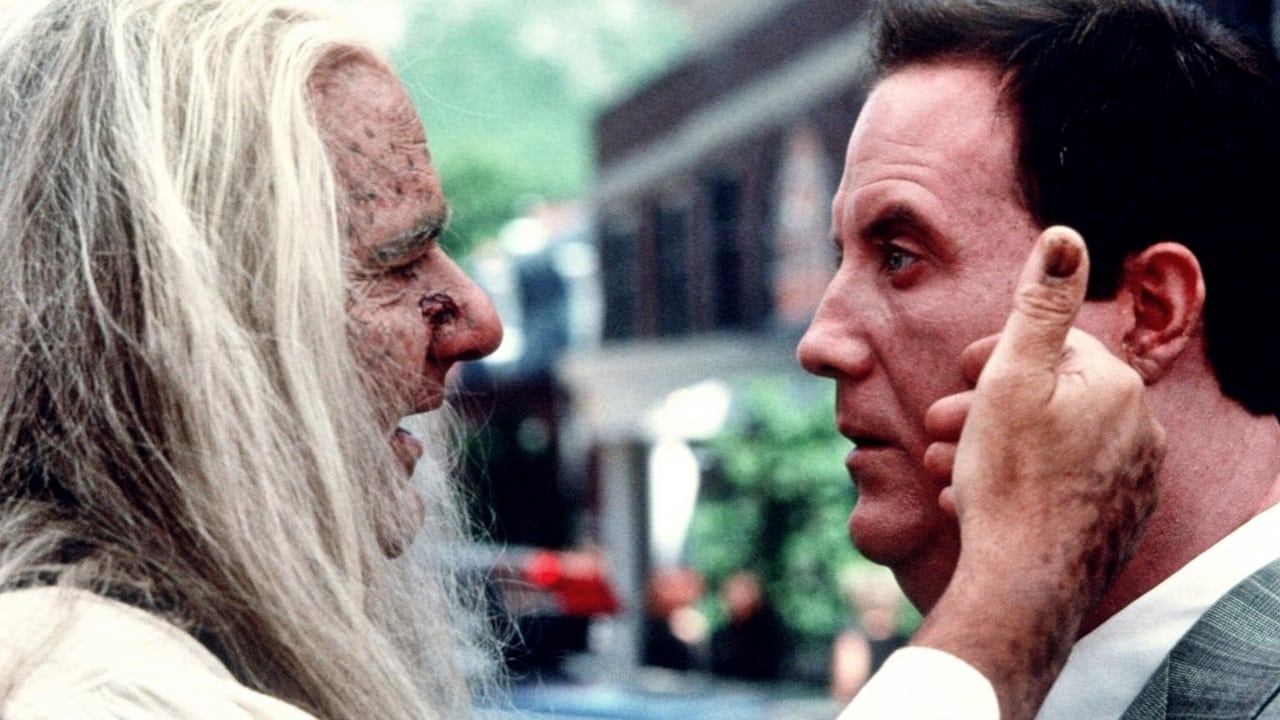
We're introduced to Billy Halleck (Robert John Burke), an obscenely overweight, morally ambiguous lawyer whose ambition far outweighs his ethics. After callously using his connections to beat a vehicular manslaughter charge – having accidentally struck and killed an old Romani woman while distracted – he finds himself face-to-face with her ancient father, Tadzu Lempke (Michael Constantine). Lempke simply brushes Halleck's cheek and utters that fateful word. At first, it seems like a blessing. The pounds melt away effortlessly. But the weight loss doesn't stop. It can't stop. Holland, who already proved his horror chops with Fright Night (1984) and Child's Play (1988), wastes little time establishing the stakes. This isn't a miracle diet; it's a wasting disease delivered with supernatural precision.
The effectiveness of Thinner hinges almost entirely on the visual representation of Halleck's horrifying transformation. Robert John Burke, perhaps best known to genre fans later as RoboCop in RoboCop 3 (1993), carries the film, initially buried under layers of impressive (for the time) prosthetic makeup designed by masters Greg Cannom (Mrs. Doubtfire, Bram Stoker's Dracula) and Bob Laden. I distinctly remember renting this tape and being morbidly fascinated by the effects work. Seeing Halleck shrink from obese to skeletal felt disturbingly real on my flickering CRT screen. Burke reportedly endured hours in the makeup chair, first for the fat suit and later for the increasingly gaunt applications, a physical commitment that mirrors Halleck’s own bodily torment. Does that gradual wasting away still feel unnerving today, even knowing the makeup secrets?

Desperation and Dark Alliances
As Halleck becomes a walking skeleton, his desperation escalates. He seeks out Lempke and his travelling clan, only to be met with implacable resolve. Justice, in their eyes, is being served. This is where the film pivots slightly, bringing in Halleck’s former client, Richie "The Hammer" Ginelli, played with scenery-chewing gusto by Joe Mantegna (The Godfather Part III, Searching for Bobby Fischer). Mantegna injects a jolt of manic energy, transforming parts of the film into a gritty, almost darkly comic crime thriller as he wages a one-man war against the Romani caravan on Halleck's behalf. His methods are brutal, his loyalty absolute, providing a stark contrast to the crumbling morality of Halleck and his wife, Heidi (Lucinda Jenney).
It's impossible to discuss Thinner without acknowledging the controversial portrayal of the Romani characters. Viewed through a modern lens, the depictions lean heavily on outdated and harmful stereotypes. While perhaps intended to evoke a sense of 'otherness' and ancient power central to the curse narrative, it remains a significant flaw and a product of its era's often clumsy handling of cultural representation in genre film. It’s a conversation worth having, even as we appreciate the film’s pulpy horror elements.

King, Holland, and the Curse's Legacy
Director Tom Holland captures a certain grimy, unsettling atmosphere, particularly in the latter half as Halleck truly wastes away. The film feels grounded, despite its supernatural premise, emphasizing the physical horror and psychological toll. Keep an eye out for Stephen King himself in his customary cameo, this time playing the unsympathetic pharmacist, Mr. Banghor – a fittingly grim appearance. The film adaptation, co-written by Holland and Michael McDowell (who penned Beetlejuice), makes some changes from the novel, most notably softening the book's notoriously bleak ending slightly. While the film's conclusion is still dark, some argue it lacks the gut-punch finality of King's original text. Did that ending twist satisfy you, or did you crave the book's deeper darkness?
Interestingly, the journey to screen wasn't straightforward. Securing the rights involved navigating King's Bachman pseudonym, and the film itself, made for around $14 million, performed modestly at the box office, grossing about $15.3 million domestically. It wasn't a blockbuster, but like so many King adaptations, it found a dedicated audience on home video – becoming one of those familiar spines on the rental store shelf.
Final Judgment
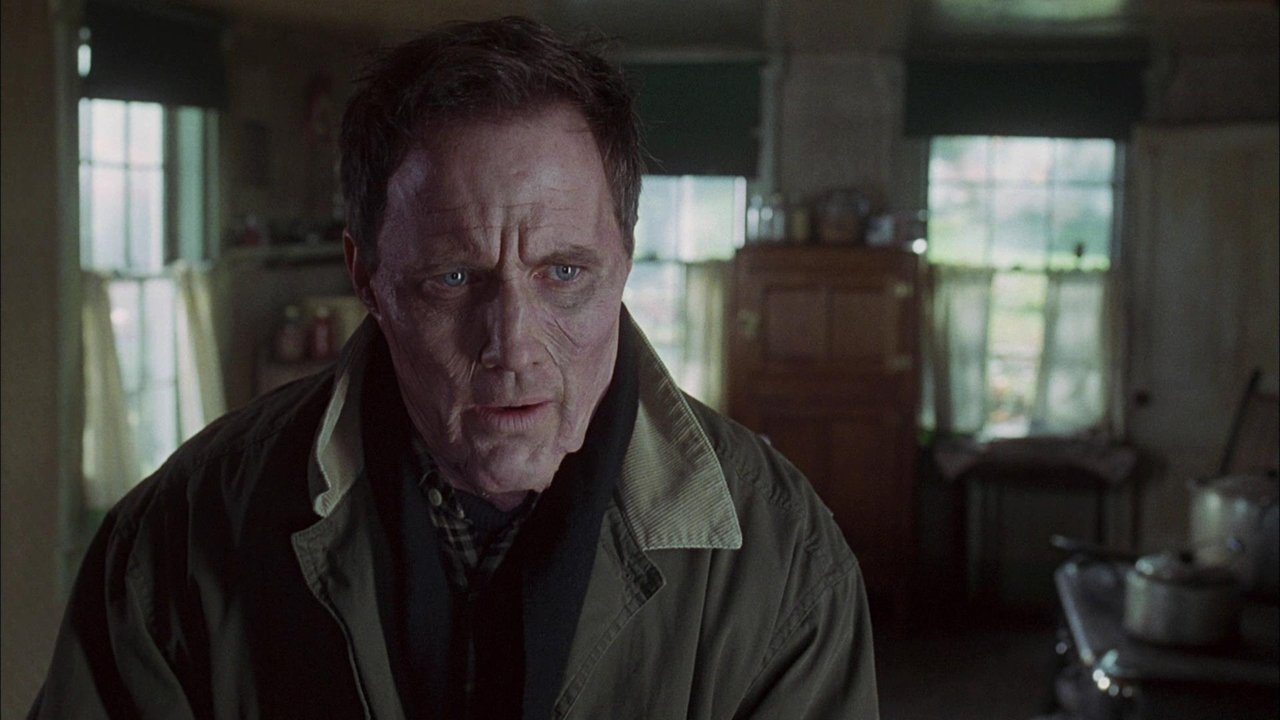
Thinner is a potent slice of mid-90s horror, driven by a chillingly effective central concept and strong practical makeup effects that largely hold up. Robert John Burke delivers a committed performance as the shrinking man, and Joe Mantegna provides memorable, if aggressive, support. While hampered by pacing issues in the middle act and problematic cultural depictions, the film succeeds in delivering a palpable sense of dread and body horror. It captures that distinct Stephen King flavour – ordinary people confronting extraordinary, often malevolent forces, wrapped in a cautionary tale about consequence. It might not be top-tier King or Holland, but it’s a nasty, effective little curse movie that definitely earned its place in the horror section of VHS Heaven.
Rating: 6.5/10
It’s a film that reminds you, sometimes viscerally, that getting what you think you want can be the most terrifying curse of all. A solid, grim rental for a dark night.