Okay, fellow Heaven dwellers, I know what you're thinking – 2000? Not quite the era of tangled tape and tracking adjustments that usually fills our shelves. But bear with me. Wong Kar-wai's In the Mood for Love arrived just as the millennium turned, yet it feels like a transmission from another time altogether – a film steeped in a kind of aching nostalgia and visual poetry that speaks directly to the soul of anyone who appreciates cinematic beauty, regardless of the decade. Its meticulous mood and profound sense of longing feel timeless, echoing the deep emotional currents found in the best character studies from any era, including those beloved classics from the 80s and 90s we cherish. It's a film that demands reflection, the kind best done long after the credits roll.
Whispers in the Hallway
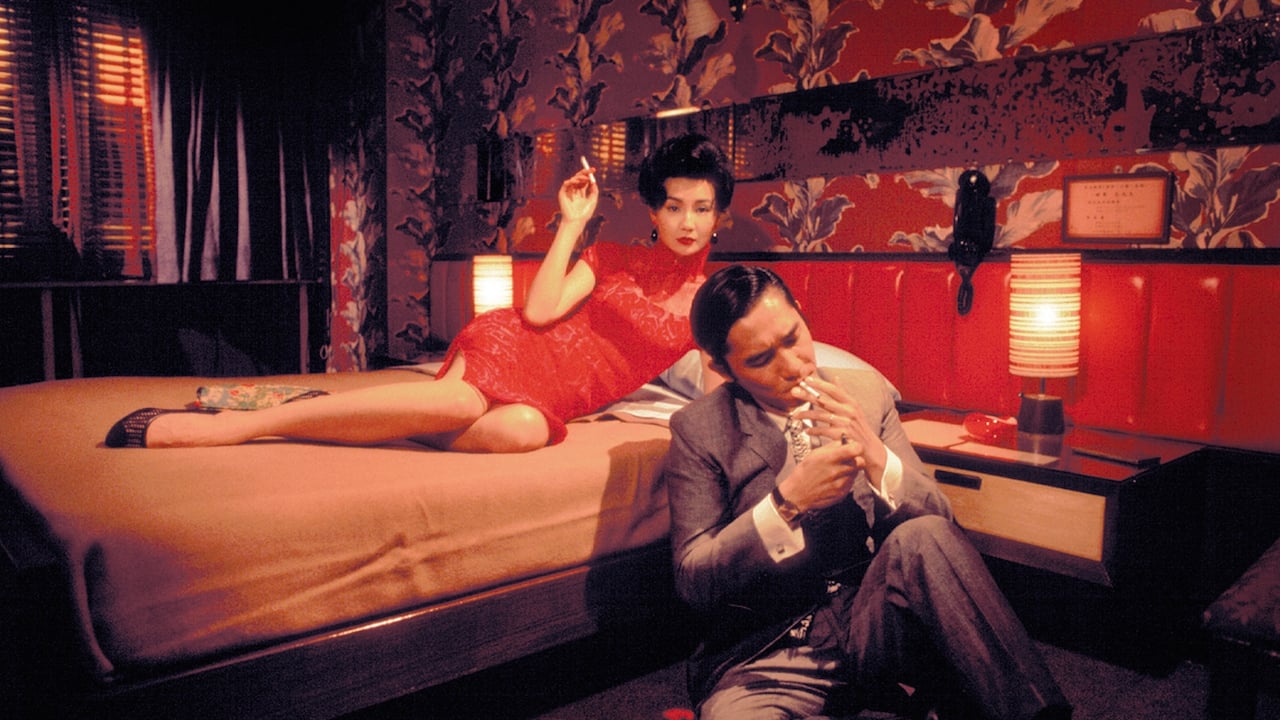
The film transports us to Hong Kong, 1962. The air hangs thick with humidity, unspoken tensions, and the aroma of noodles from cramped apartment kitchens. We meet newspaper editor Mr. Chow (Tony Leung Chiu-wai) and secretary Mrs. Chan (Maggie Cheung) as they move into adjacent apartments on the very same day. They are neighbours, polite strangers sharing narrow corridors and fleeting glances. But a shared, devastating discovery soon binds them: their respective spouses, perpetually absent and unseen, are having an affair with each other. What begins as tentative commiseration evolves into something far more complex and heart-wrenching.
A Dance of Unspoken Desires
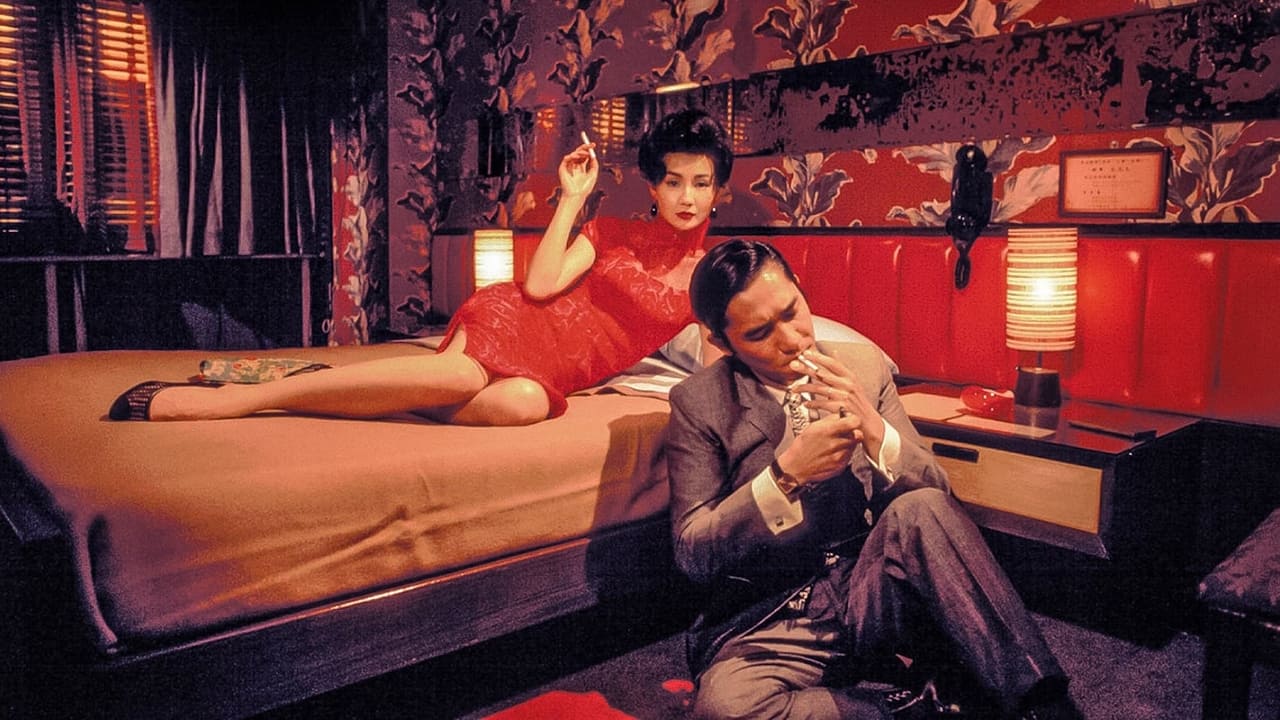
This isn't a story of grand pronouncements or passionate embraces. Instead, Wong Kar-wai crafts a delicate ballet of near-misses, shared meals under flickering lights, and quiet rehearsals of confrontations that never happen. Chow and Chan circle each other, drawn together by loneliness and betrayal, yet held apart by propriety, guilt, and a profound sense of honour. They role-play how their spouses might have begun their own affair, seeking understanding but perhaps, unconsciously, mapping a path they themselves dare not tread. Doesn't this careful navigation of forbidden feelings resonate with the complexities we all face in matters of the heart?
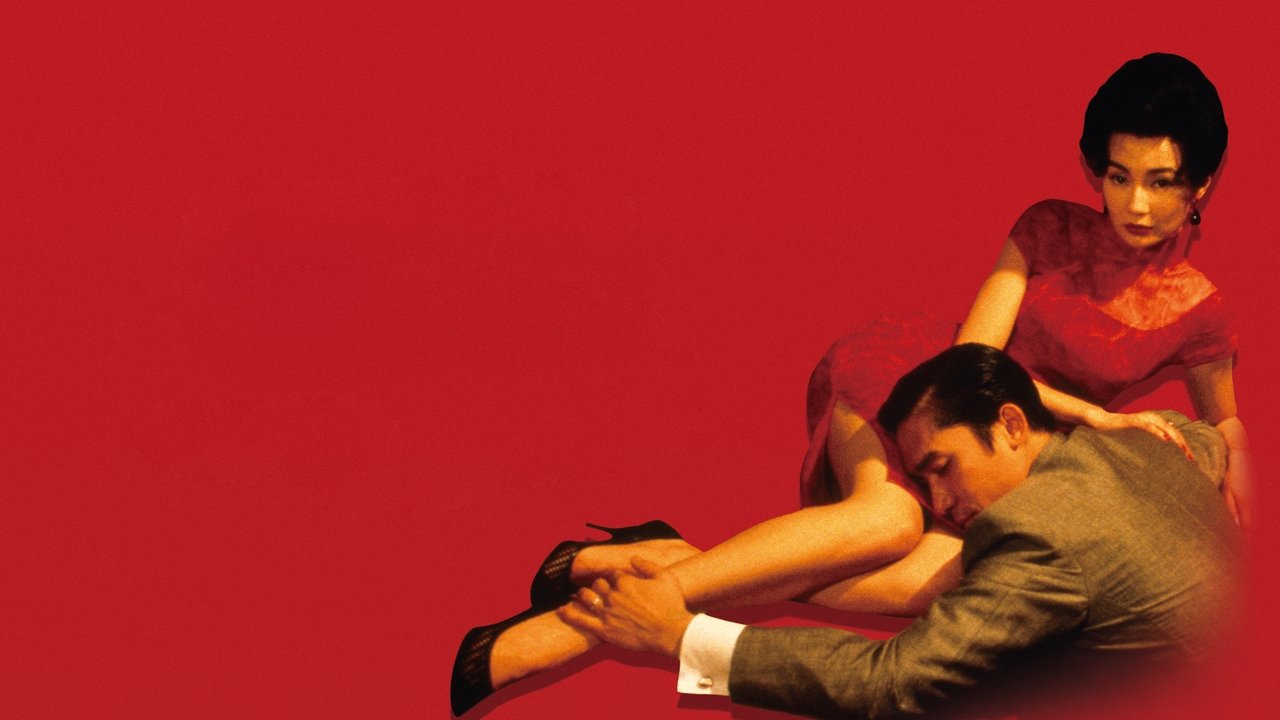
The performances are simply breathtaking. Tony Leung Chiu-wai, who deservedly won Best Actor at Cannes for this role, embodies a quiet melancholy. His Chow is watchful, gentle, his eyes holding depths of unspoken yearning. And Maggie Cheung is luminous as Mrs. Chan (listed in some credits as Su Li-zhen). Encased in a stunning array of high-collared cheongsams that seem to change with every subtle shift in her emotional state, she conveys vulnerability, resilience, and a carefully guarded longing. Their chemistry isn't explosive; it's a slow, simmering burn, conveyed through lingering looks, the brush of hands, the shared silence in a taxi during a rainstorm. It’s a masterclass in subtlety, proving that what remains unsaid can often be more powerful than any declaration.
Visual Poetry in Motion
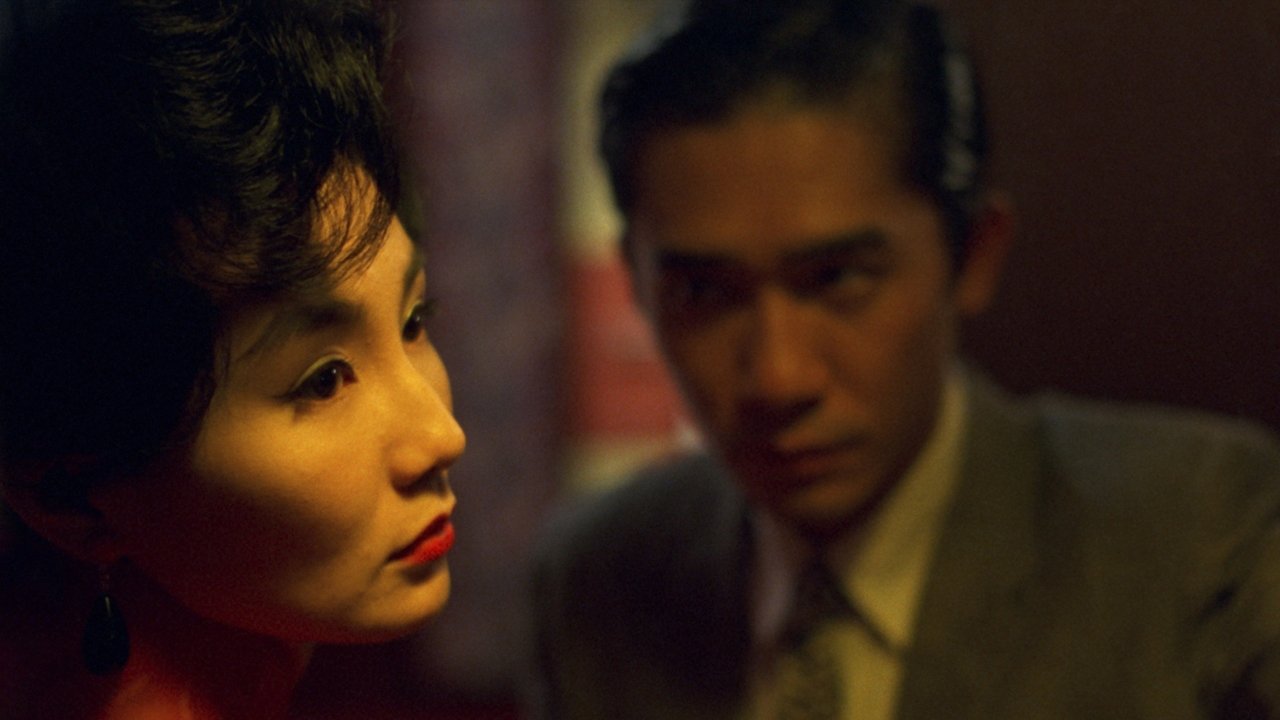
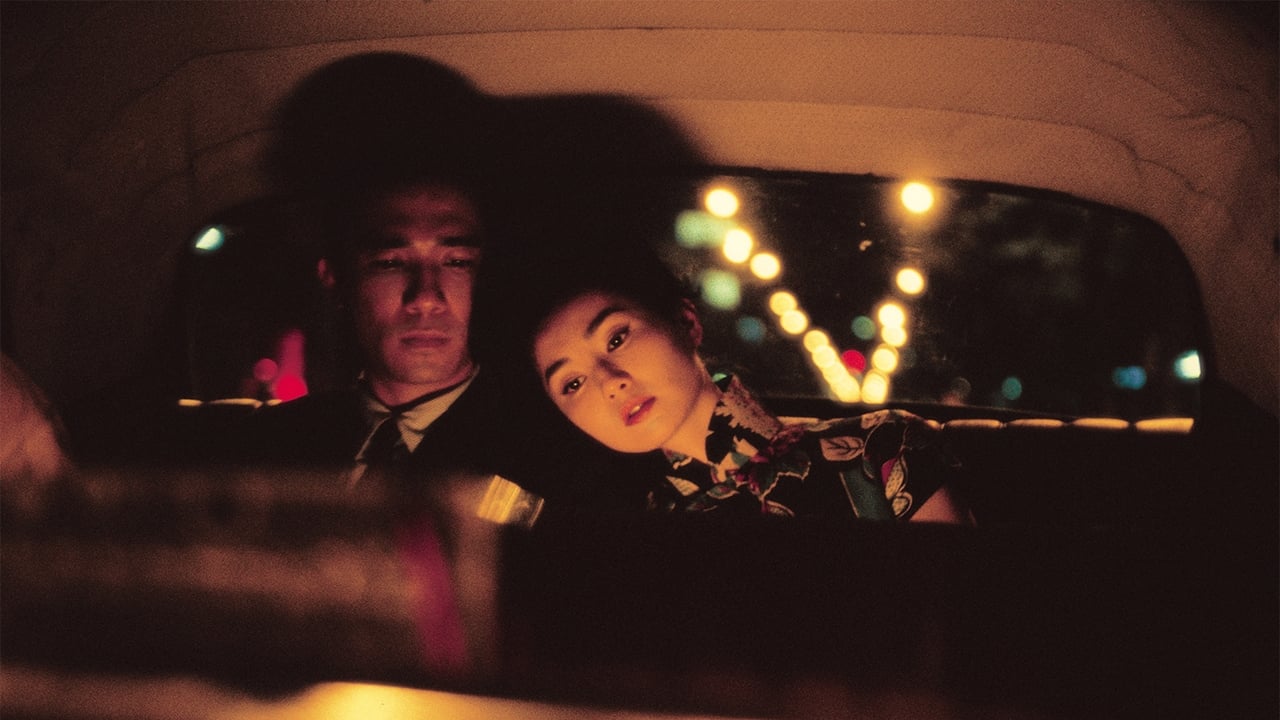
Visually, In the Mood for Love is intoxicating. Collaborating with cinematographers Christopher Doyle and Mark Lee Ping-bing, Wong creates a world drenched in atmosphere. Slow motion turns mundane moments – walking down stairs, smoke curling from a cigarette – into poignant tableaus. The framing is often tight, obscured, peering through doorways or around corners, emphasizing the characters' confinement and the clandestine nature of their connection. Saturated colours, particularly deep reds and melancholic greens, paint the screen with emotion. You can almost feel the rain-slicked streets and the oppressive closeness of their world.
One fascinating tidbit reflecting the film's organic creation: Wong Kar-wai is known for his improvisational methods. The shoot reportedly took 15 months, evolving constantly, with scenes written sometimes only moments before filming. This perhaps contributes to the film's dreamlike, elliptical quality – it feels less like a conventional plot and more like captured moments of intense feeling, fragments of memory preserved in amber. The haunting score, particularly Shigeru Umebayashi's recurring "Yumeji's Theme," becomes intrinsically linked to their unspoken relationship, a melody of longing that lingers long after the film ends.
Echoes of What Might Have Been
The film doesn't offer easy answers or neat resolutions. It explores the profound ache of loneliness, the weight of societal expectations, and the ghost of missed opportunities. It asks us to consider the paths not taken, the words left unspoken. What defines love? Is it the consummation of desire, or the shared understanding, the quiet companionship forged in mutual pain? The film suggests the latter can be just as powerful, just as defining, even if ultimately tinged with regret.
While In the Mood for Love might have arrived on DVD rather than VHS for most of us, marking a shift in home viewing, its power lies in its ability to evoke a feeling – a potent blend of nostalgia, melancholy, and exquisite beauty. It’s the kind of film that stays with you, prompting reflection on your own memories, your own moments of connection and separation. It has that same power as revisiting a cherished tape, unlocking a flood of emotions tied to a specific time and feeling, even if the technology was different.
***
Rating: 9.5/10
Justification: In the Mood for Love is a near-perfect cinematic poem. Its score reflects the unparalleled artistry in direction, cinematography, costume design, and scoring, creating an unforgettable atmosphere. The performances by Leung and Cheung are masterclasses in nuanced emotion. While its deliberate pacing might test some viewers, the film's profound emotional resonance and visual beauty achieve a level of artistry rarely seen. It falls just shy of a perfect 10 only because its meditative nature might not connect universally, but for those attuned to its frequency, it's an absolute masterpiece.
Final Thought: It leaves you pondering the quiet intensity of unspoken connections and the enduring ache of what might have been – a beautiful, melancholic whisper from the past.