It’s a tightrope walk few filmmakers would dare attempt, let alone execute with such devastating grace. I remember when Life Is Beautiful (La vita è bella) arrived on shelves in the late 90s, the buzz already swirling around it after its festival runs and eventual, astonishing Oscar success. Renting that tape felt different; there was an awareness, even then, that this wasn't just another foreign film finding its way to American VCRs. It carried a weight, a promise of something profound wrapped in an almost impossibly whimsical package. How does one even conceive of a fable, a Chaplinesque comedy, set within the barbed wire confines of a Nazi concentration camp?
A World Painted in Sunshine, Then Shadow
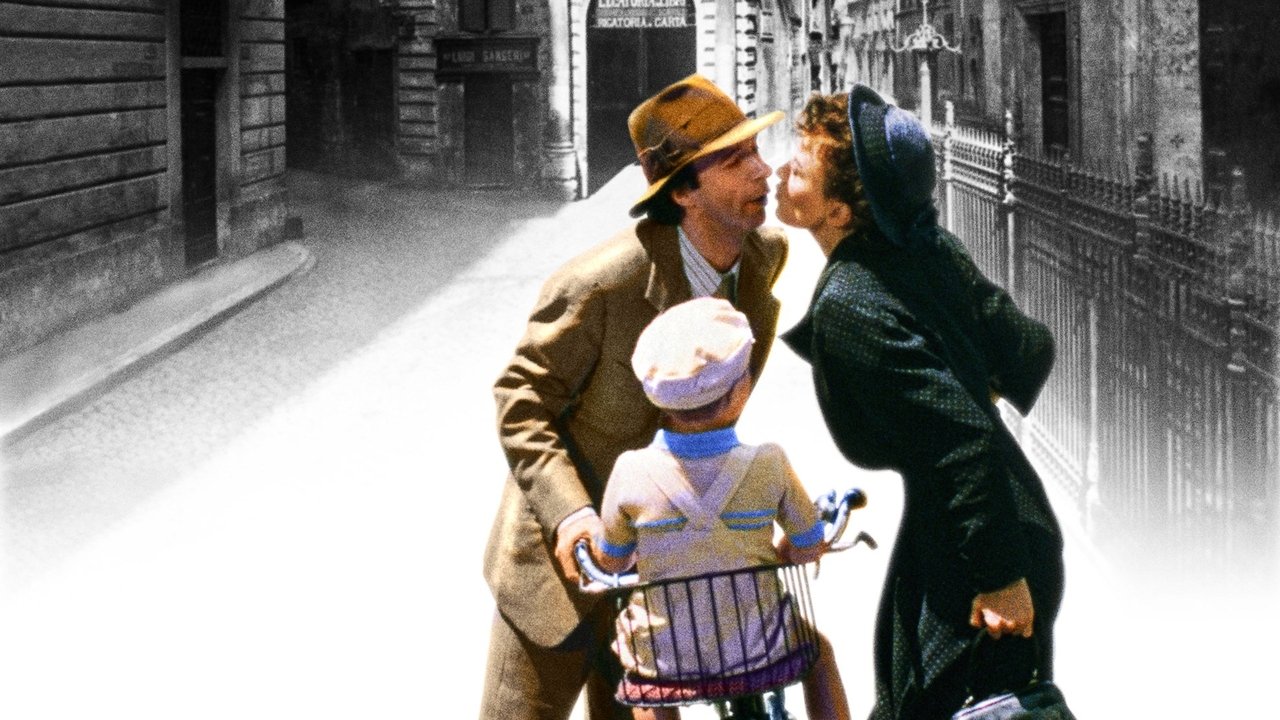
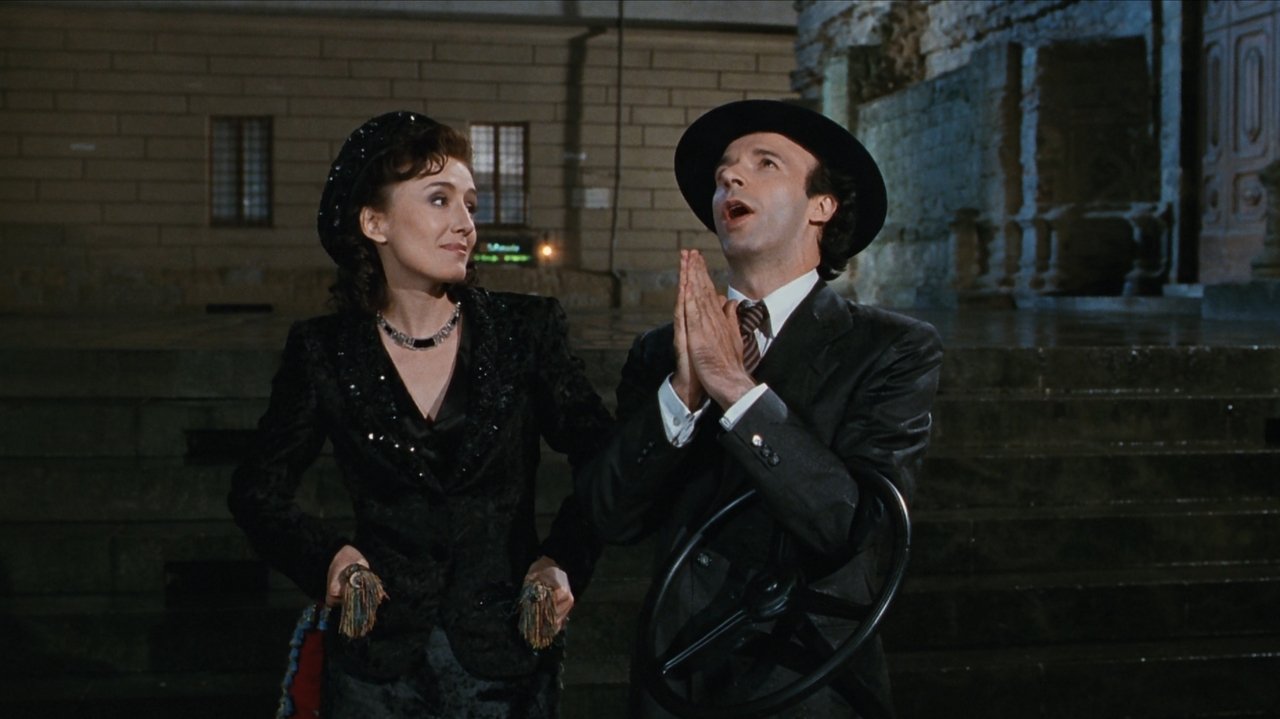
The film, co-written, directed by, and starring the effervescent Roberto Benigni, famously splits itself in two. The first half unfolds in 1930s Arezzo, Tuscany, bathed in golden light and brimming with the kind of romantic charm and slapstick energy that feels borrowed from silent film masters. Benigni plays Guido Orefice, a Jewish-Italian waiter whose relentless optimism and quick wit fuel his pursuit of the lovely Dora (Nicoletta Braschi, Benigni’s real-life spouse, lending an undeniable chemistry). His elaborate, often absurd romantic gestures – faking inspections, stealing hats, orchestrating "coincidental" meetings – are pure comedic confection. We laugh easily, charmed by his boundless spirit and Dora's gradual yielding to his infectious joy. It's a world where love conquers inconvenient fascists and everyday obstacles with a shrug and a clever trick. This vibrant first act masterfully establishes Guido’s defining characteristic: his unwavering ability to reframe reality through imagination and humor.
The Unthinkable Game
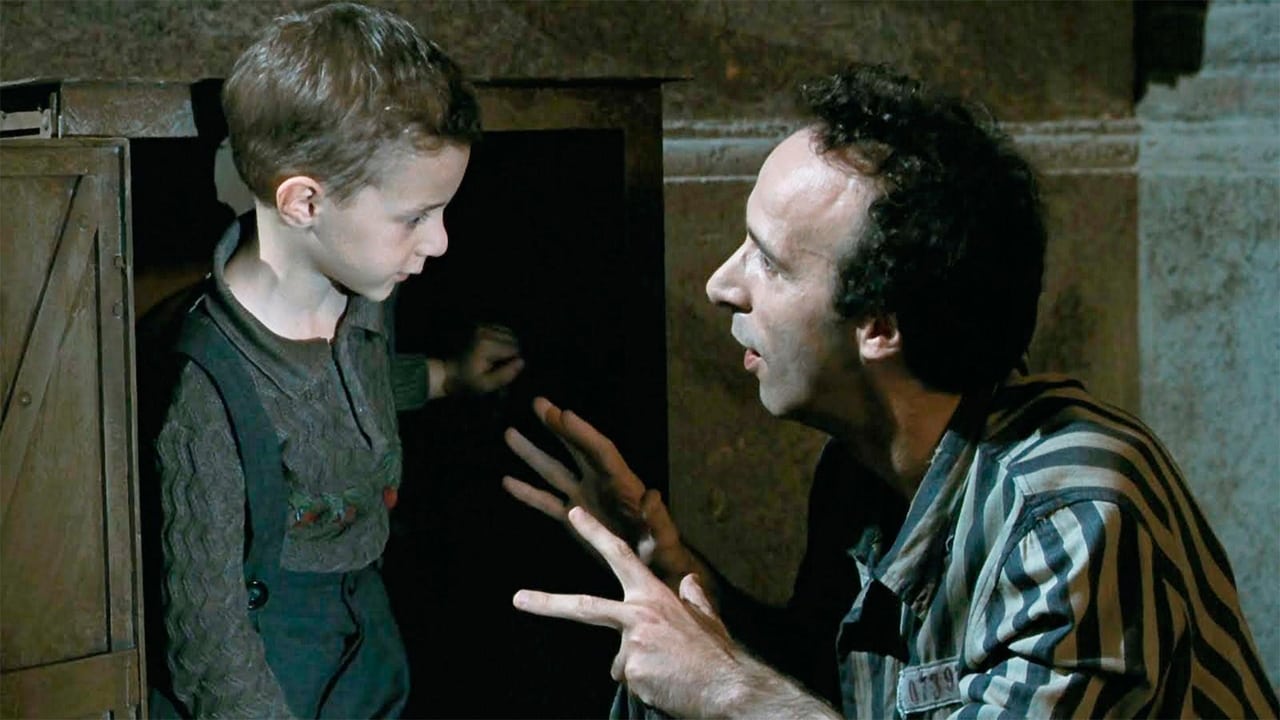
Then, the shadows lengthen. The historical reality of Fascist Italy and the encroaching horror of the Holocaust can no longer be charmed away. Guido, Dora (who insists on joining her husband and son despite not being Jewish), and their young son Giosuè (Giorgio Cantarini, delivering a remarkably natural performance for such a young actor) are deported to a concentration camp. It's here that Life Is Beautiful performs its most audacious, heart-wrenching feat. Faced with unimaginable terror, Guido spins the ultimate fabrication: the entire camp experience, he tells Giosuè, is an elaborate game. The goal? To win points through silence, obedience, and hiding. The grand prize? A real, honest-to-goodness tank.
This central conceit – a father shielding his son from horror through the power of storytelling – is the film’s emotional core and its most debated aspect. Is it disrespectful? Does it trivialize the suffering? For me, watching it again after all these years, the answer remains a resounding no. Guido’s "game" isn't presented as diminishing the reality of the camp; rather, it’s a desperate, exhausting, and ultimately heroic act of paternal love. Benigni's performance here is simply extraordinary, a whirlwind of forced smiles, frantic whispers, physical comedy born of terror, and eyes that betray the crushing weight of his deception even as his voice remains buoyant for his son. You see the fear flickering beneath the relentless optimism, the monumental effort required to maintain the illusion. It's a testament to the human spirit's capacity to protect innocence against impossible odds.
Behind the Beauty and the Pain

The film's power is amplified by knowing its roots. Roberto Benigni drew heavily on the experiences of his own father, Luigi, who endured two years in the Bergen-Belsen concentration camp. This personal connection infuses the film with an authenticity that transcends its fable-like structure. The title itself, reportedly inspired by a Leon Trotsky quote penned in the face of death – "Life is beautiful. Let the future generations cleanse it of all evil, oppression and violence, and enjoy it to the full" – encapsulates the film's defiant stance: finding beauty and hope even in the darkest abyss.
Its journey was remarkable. Made on a budget of around $20 million, Life Is Beautiful became a global phenomenon, grossing over $230 million worldwide – an almost unheard-of success for a non-English language film at the time. Its three Academy Award wins – Best Foreign Language Film, Best Original Dramatic Score for Nicola Piovani's evocative work, and Best Actor for Benigni – were capped by Benigni's unforgettable, chair-climbing acceptance speech, a moment of pure, unadulterated joy that felt perfectly in character with the film's spirit. Yet, the controversy lingered, a necessary conversation about the ethics of representation. Doesn't this tension, this debate, speak to the film's enduring power to provoke and challenge?
What Lingers
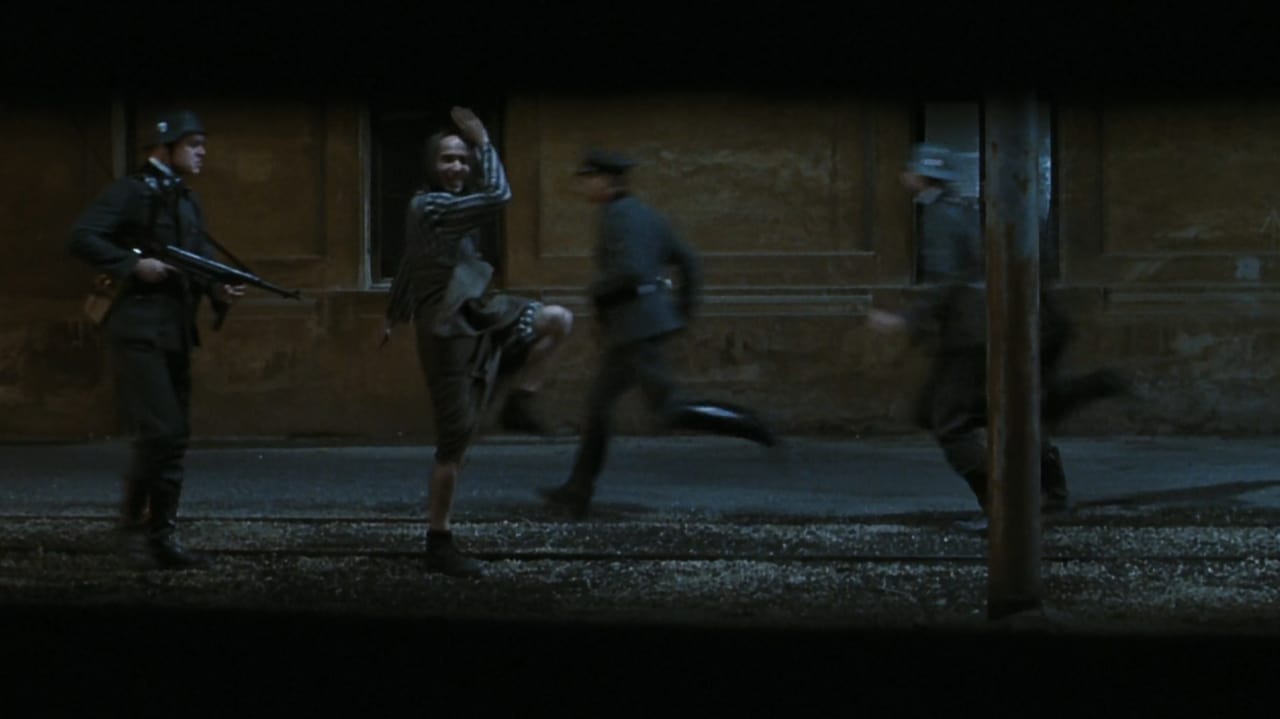
Life Is Beautiful isn't an easy watch, despite its comedic surface. The juxtaposition of childlike innocence and unimaginable brutality is emotionally devastating. Guido’s relentless performance for Giosuè becomes increasingly fraught, the stakes impossibly high. The final moments (Spoiler Alert! including Guido's walk to his death, still maintaining the "game" for Giosuè who watches from hiding) are among the most heartbreaking and affirming in modern cinema. It forces us to confront the lengths a parent will go to shield their child, the power of narrative to shape experience, and the glimmers of humanity that can persist even in the face of utter dehumanization. It doesn't offer easy answers, but leaves you contemplating the profound strength found in love and imagination.
Rating: 9/10
This near-masterpiece earns its score through its sheer audacity, Roberto Benigni's transcendent performance, and its unwavering commitment to finding light in profound darkness. While the tonal shifts can be jarring and the central premise invites valid debate, the film's execution is so heartfelt, its message so fundamentally rooted in love and sacrifice, that its emotional power is undeniable. It’s a film that broke barriers, sparked conversation, and left an indelible mark – a reminder, often painful but ultimately hopeful, that even amidst horror, the impulse to protect, to love, to declare life beautiful, endures. It remains a singular achievement, a VHS tape that likely wore out VCR heads with repeat viewings, each one leaving you emotionally wrung out but profoundly moved.