Okay, let's dim the lights, maybe pour a quiet drink, and settle in. Sometimes, a film doesn't need explosions or jump scares to burrow under your skin. Sometimes, the most profound horror is the quiet, creeping certainty of an end. That's the space occupied by Russell Mulcahy's 2000 adaptation of Nevil Shute's devastating novel, On the Beach. While it arrived just as the VHS era was fading into the dawn of DVD, its chilling premise echoes the anxieties many of us grew up with during the Cold War tensions of the 80s, making it a fascinating, if somber, waypoint in apocalyptic storytelling.
### The Long, Slow Fade
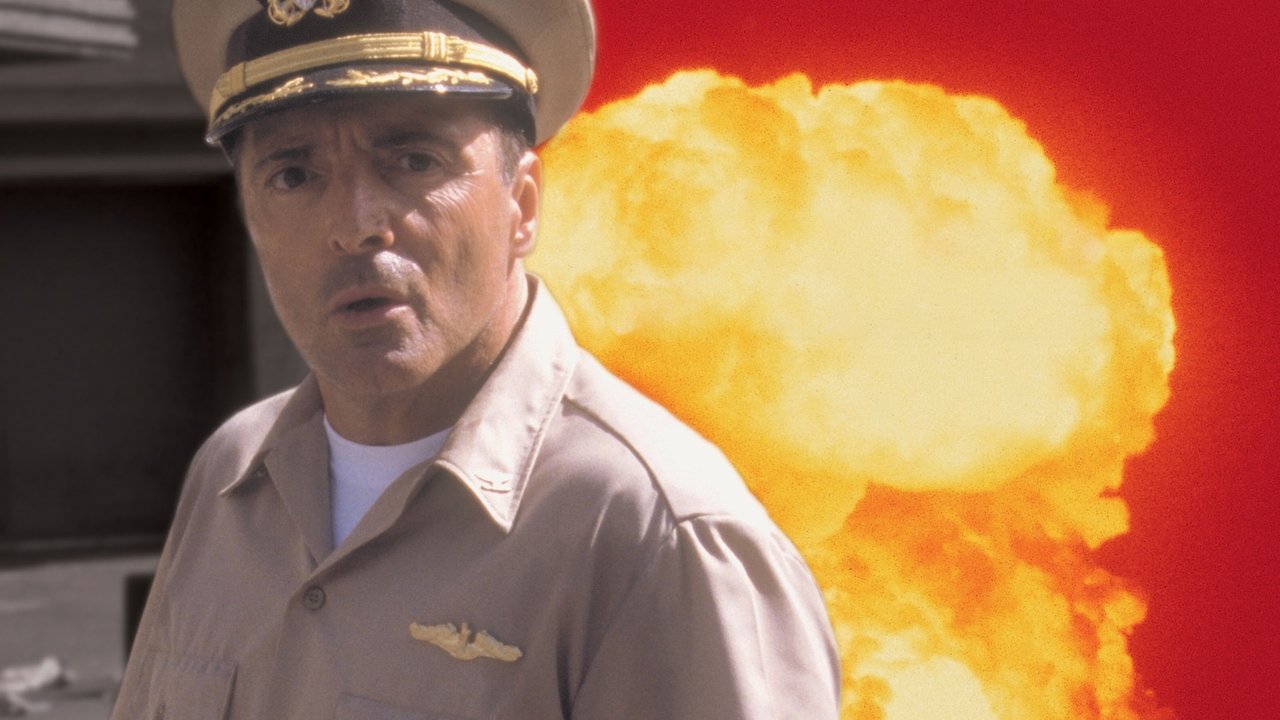
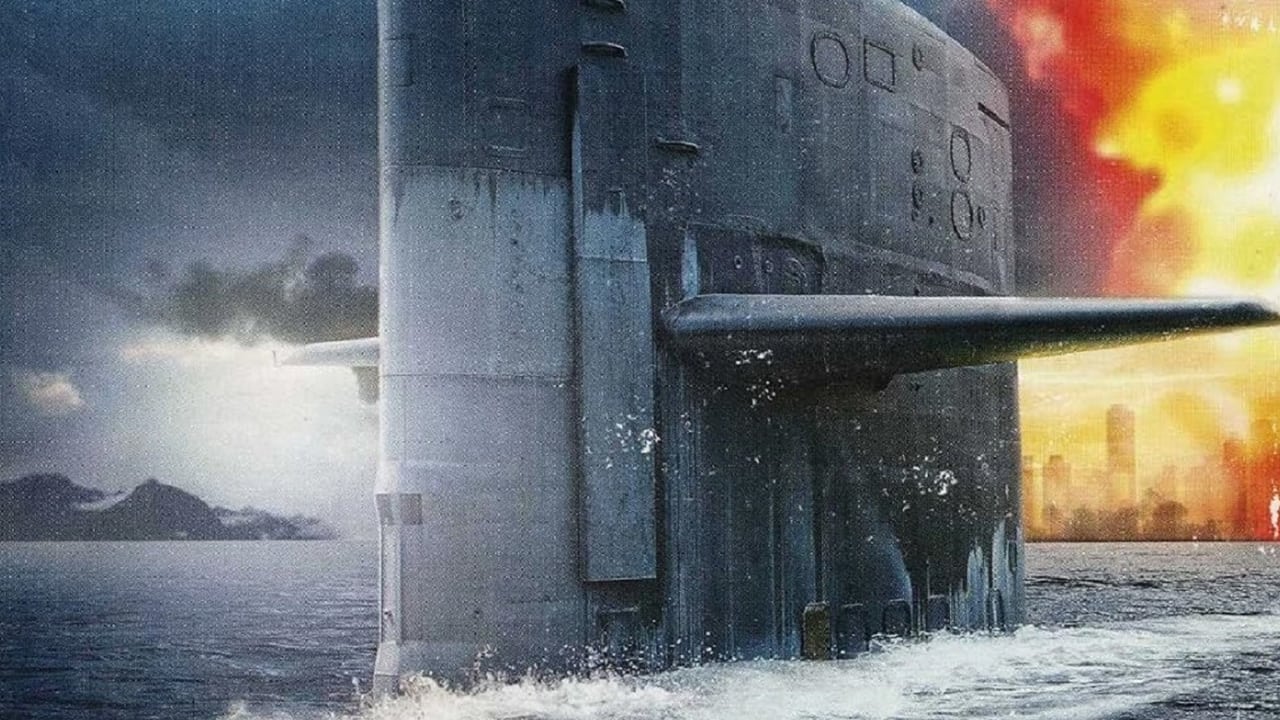
Unlike its stark, black-and-white predecessor from 1959 (starring Gregory Peck and Ava Gardner – a classic worth seeking out on its own), this version, originally a television miniseries later edited into a film format for some releases, unfolds in colour, depicting the unsettlingly beautiful landscapes of Australia. This isn't a world instantly ravaged by fire and brimstone. Instead, a brief, catastrophic nuclear exchange in the Northern Hemisphere has unleashed a lethal cloud of radiation, drifting inexorably southward. Melbourne becomes one of the last pockets of humanity, living on borrowed time, waiting for the inevitable arrival of the fallout.
What strikes you immediately is the atmosphere. Mulcahy, often known for visually dynamic films like Highlander (1986) and Ricochet (1991), adopts a more restrained, almost melancholic tone here. There's a palpable sense of dread hanging heavy in the Australian sunshine. Life goes on – people work, fall in love, race cars – but it's all underscored by this knowledge of a non-negotiable deadline. How does humanity behave when the clock is truly, finally running out? That's the question Shute's story forces us to confront, and this adaptation tackles it with a sobering sincerity.
### Faces at the End of the World
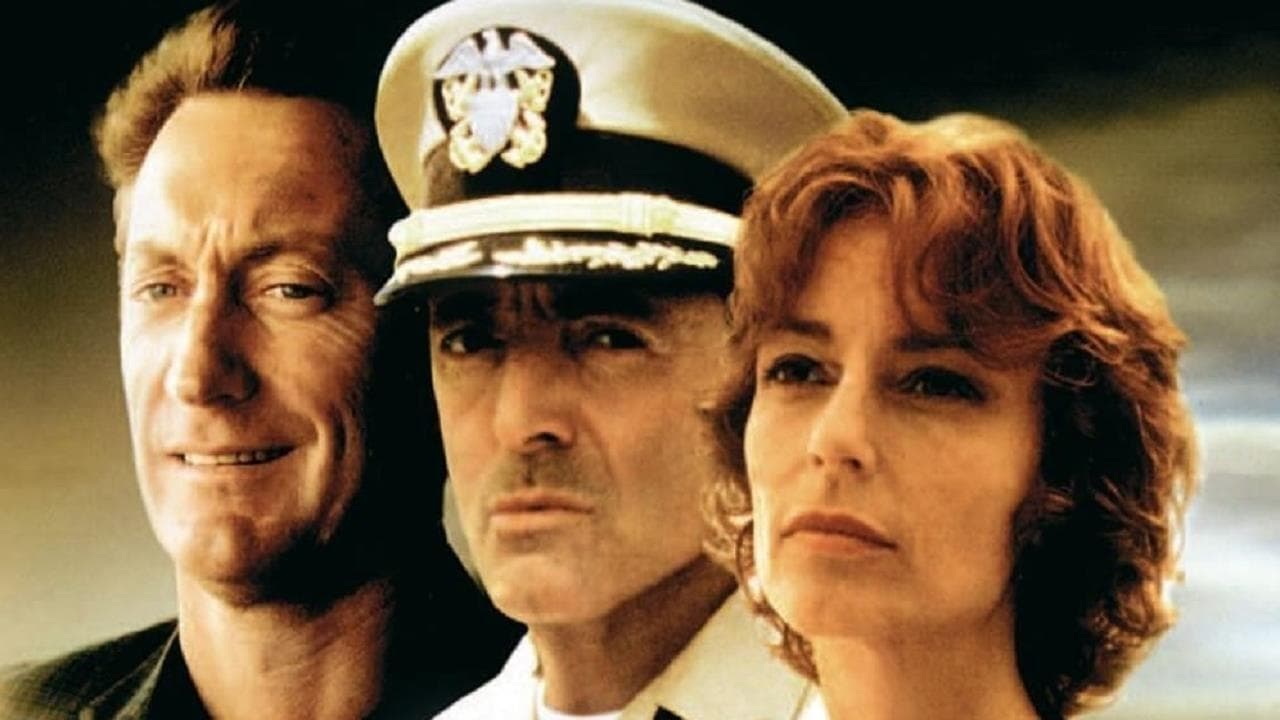
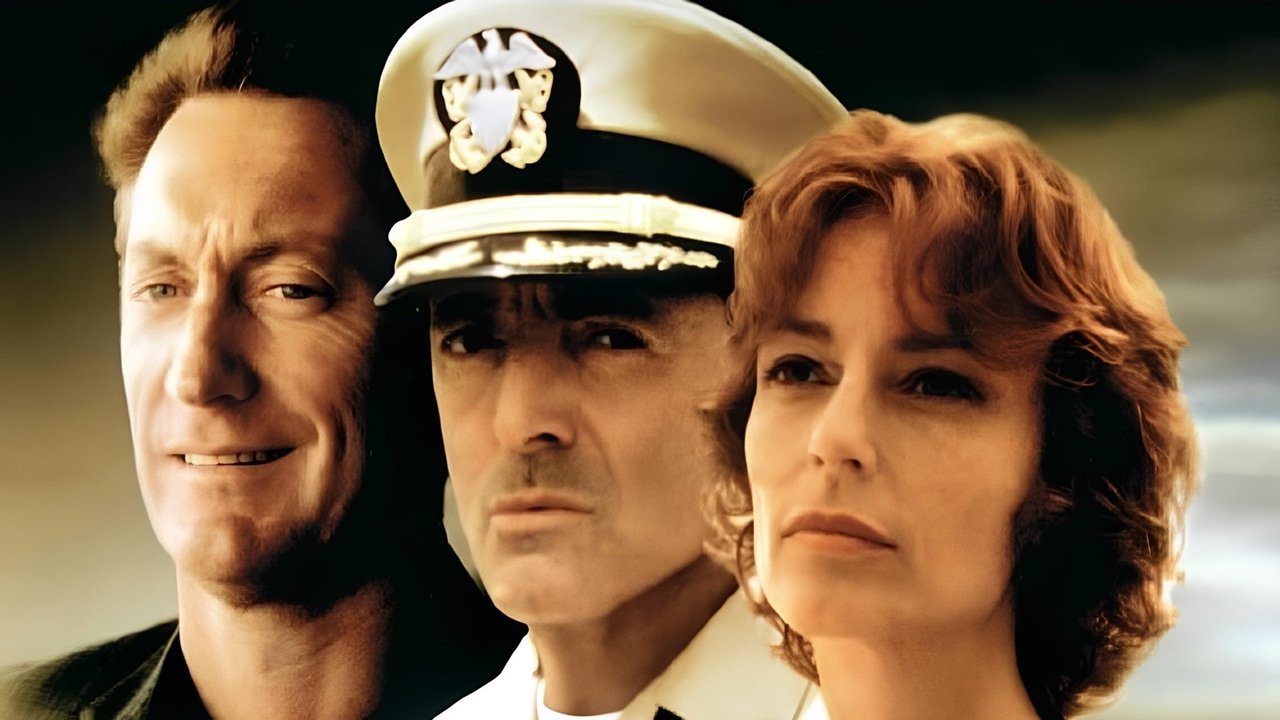
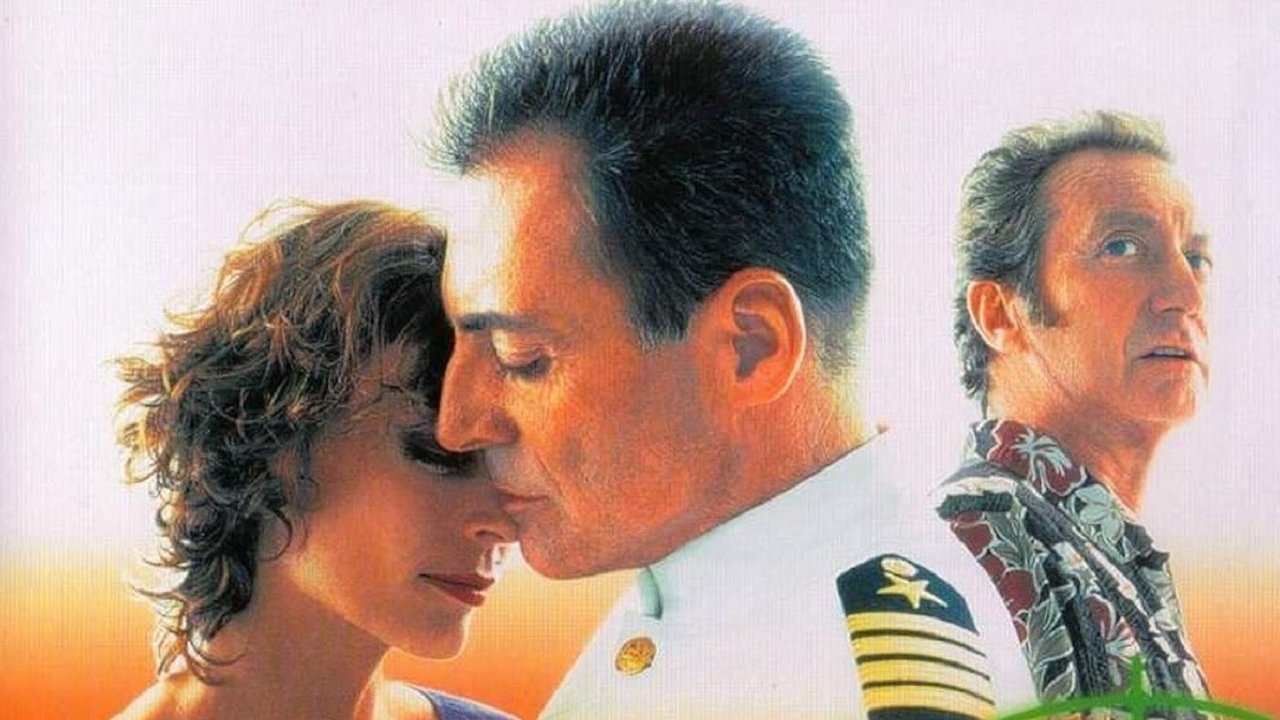
The weight of this scenario rests heavily on the cast, and they largely deliver performances imbued with a quiet desperation. Armand Assante, an actor who could command the screen with intensity in films like Q&A (1990), brings a weary gravitas to Commander Dwight Towers, captain of the American submarine USS Charleston, now moored in Melbourne. He’s a man grappling with the likely loss of his family back home, clinging to routine while navigating the complex emotional landscape of this doomed paradise. His interactions with Moira Davidson, played with aching vulnerability by Rachel Ward (remember her from Against All Odds (1984)?), form the emotional core. Their burgeoning relationship isn't a whirlwind romance; it’s a fragile connection forged in the shadow of annihilation, a search for solace when all hope is lost.
Bryan Brown, always a welcome presence (F/X (1986), Cocktail (1988)), portrays Dr. Julian Osborne, a scientist whose cynicism masks a deep pain. His decision regarding his ultimate fate provides one of the film's more haunting character arcs. The ensemble effectively portrays the spectrum of human reactions: denial, hedonism, quiet acceptance, and the desperate search for meaning or distraction. There's an authenticity to their interactions, a sense of shared, unspoken understanding that makes the unfolding tragedy all the more poignant.
### Updating Armageddon for a New Millennium
Produced right around the Y2K cusp, this version updates certain elements. The conflict that triggers the apocalypse isn't a straightforward US-Soviet clash but a more complex, perhaps prescient, scenario involving China and Taiwan, drawing the US in. It reflects the shifting geopolitical anxieties of the late 90s. Filmed entirely in and around Melbourne, Victoria, the production makes excellent use of the locale, contrasting the impending doom with the normalcy of suburban streets and scenic coastlines. This juxtaposition is key to the film's power – the horror isn't monstrous, it's mundane, insidious.
One interesting production note: This adaptation reportedly adheres more closely to certain aspects of Nevil Shute's novel than the 1959 film, particularly regarding the characters' fates and the exploration of denial versus acceptance. While perhaps lacking the sheer star power and cinematic grandeur of the original, this version benefits from the extended runtime (in its miniseries form) to delve deeper into the characters' psychologies. The special effects are understandably modest, fitting its television origins, focusing more on atmosphere than spectacle. There's no need for elaborate CGI destruction when the true horror is the silent, invisible killer carried on the wind.
### The Lingering Chill
On the Beach (2000) isn't an easy watch. It doesn't offer catharsis or last-minute heroism. It presents a scenario and asks: what truly matters when everything is about to be stripped away? Love? Duty? Dignity? Simple human connection? I recall watching this when it first aired, the turn of the millennium bringing its own set of low-level anxieties, and finding its deliberate pacing and refusal to flinch quite affecting. It felt different from the often more action-oriented apocalyptic tales of the 80s and 90s; its power lies in its quietude and the emotional honesty of its characters facing the unthinkable.
Does it entirely escape the feel of a well-made television movie? Perhaps not. Some moments might feel a touch melodramatic, and the pacing can be slow. But the core message, the exploration of humanity under ultimate pressure, remains potent. It’s a film that prompts reflection rather than adrenaline.
Rating: 7/10
Justification: While perhaps not reaching the iconic status of the 1959 original, this adaptation stands as a thoughtful and emotionally resonant exploration of Shute's powerful story. Strong performances from Assante, Ward, and Brown anchor the piece, and Mulcahy crafts a pervasive atmosphere of quiet dread. It successfully updates the premise for a new era while retaining the core philosophical questions. Its television origins show occasionally, and the pacing might test some viewers, preventing a higher score, but its emotional impact is undeniable.
Final Thought: It lingers, this one. Long after the screen goes dark, you're left contemplating not the end itself, but how we might choose to live in the time we have left. A sobering, necessary question, regardless of the decade.