It's 1997. You wander the aisles of Blockbuster, the scent of popcorn and plastic faint in the air. You see the familiar face of Wesley Snipes on a VHS cover, maybe expecting the cool intensity of New Jack City (1991) or the high-octane thrills of Passenger 57 (1992). But the title, One Night Stand, and the moodier artwork hint at something different. This isn't Blade hunting vampires; this is Max Carlyle, a successful Los Angeles commercial director adrift in a moment of profound personal reckoning. And that subtle dissonance, that departure from expectation, is precisely where the film finds its uneasy power.
A Chance Encounter, Lingering Consequences
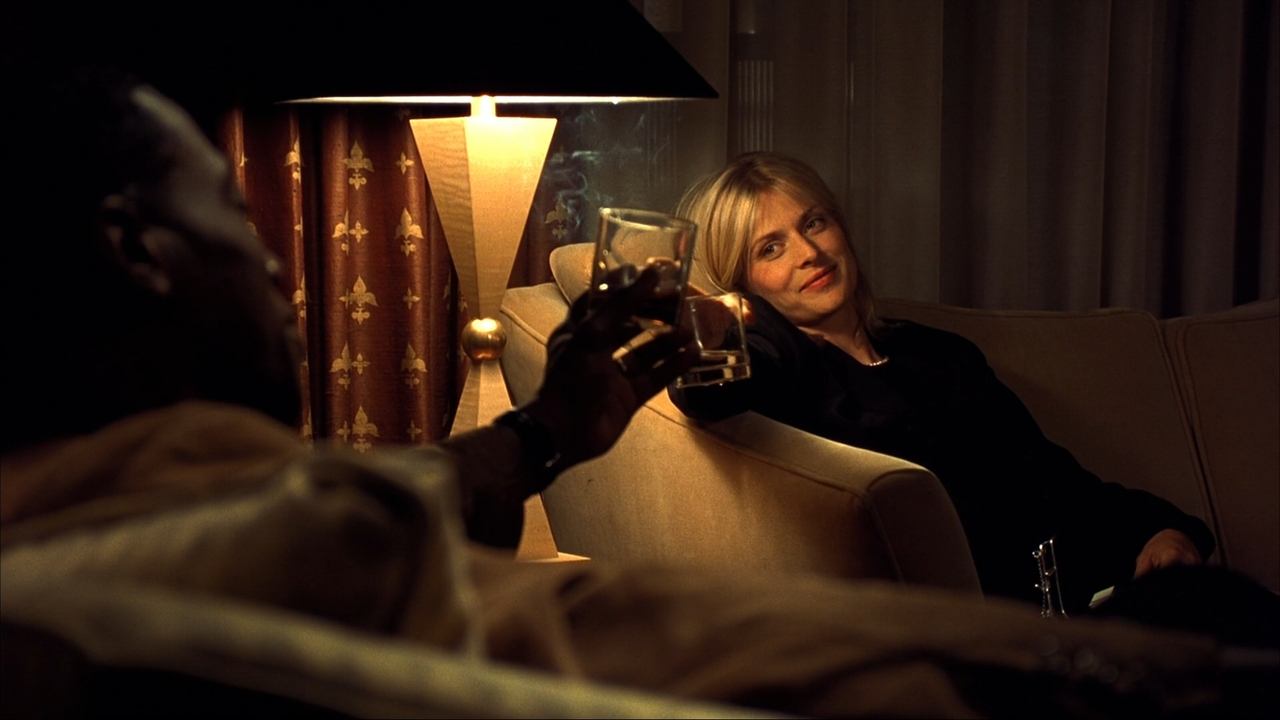
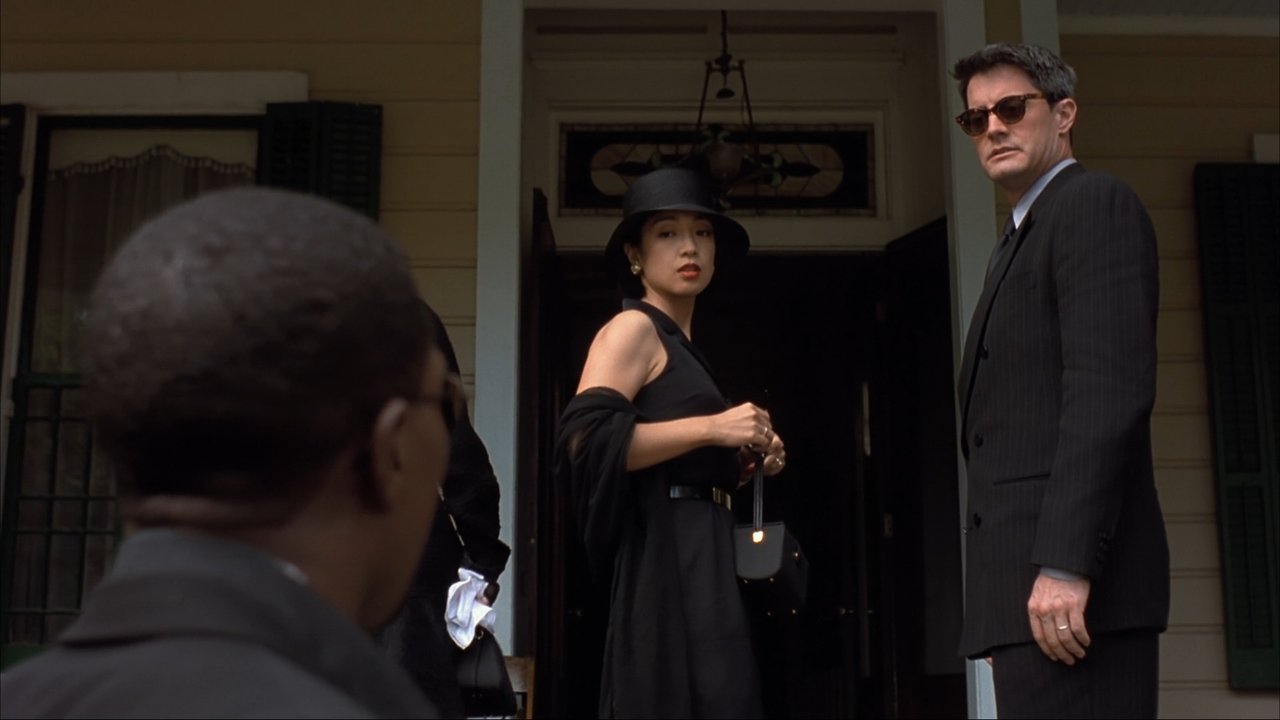
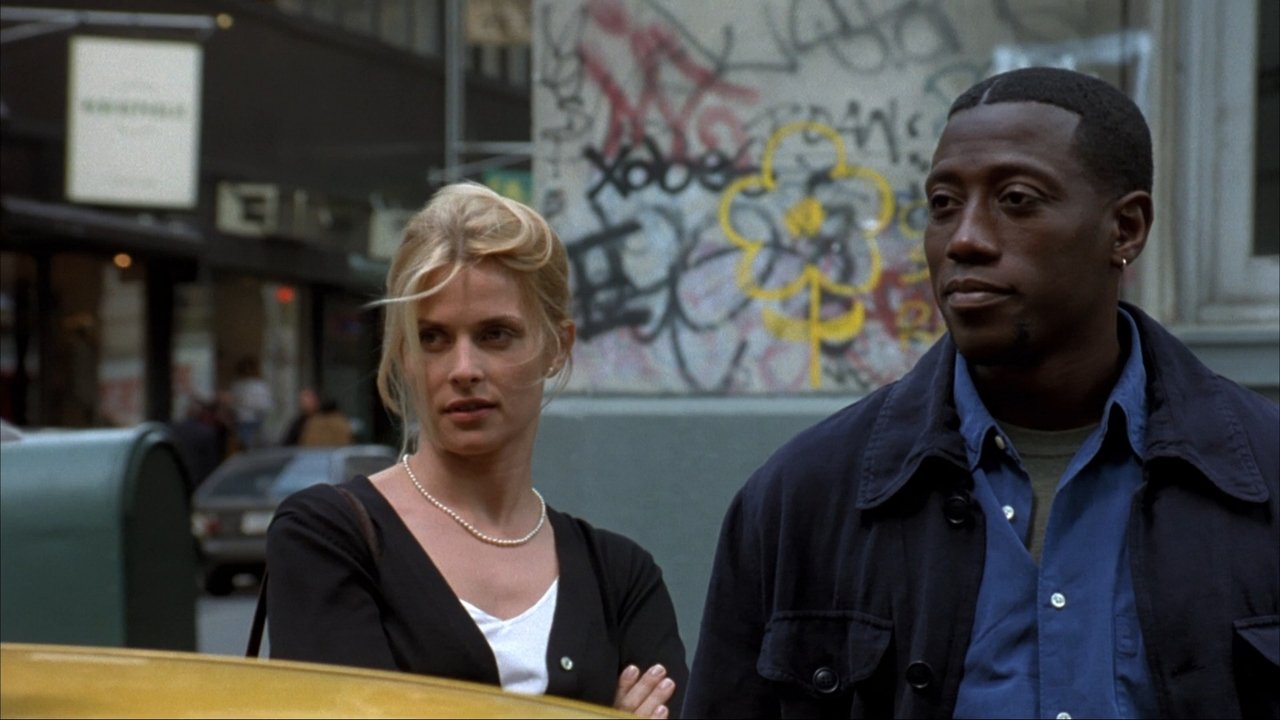
Directed by Mike Figgis, hot off the critical success of Leaving Las Vegas (1995), One Night Stand plunges us into the polished yet subtly fractured life of Max. While visiting New York, a missed flight strands him, leading to a charged, serendipitous encounter with the enigmatic Karen, played with a captivating blend of vulnerability and worldly weariness by Nastassja Kinski. Their connection is immediate, intense, and seemingly contained to that single night. Back home in LA, Max returns to his seemingly perfect life: a beautiful wife, Mimi (Ming-Na Wen, conveying quiet strength and simmering hurt), two children, and a successful career. Yet, the memory of Karen lingers, a disturbance in the carefully managed rhythm of his existence. The narrative truly ignites when Max, a year later, revisits New York and discovers Karen is intricately woven into the life of his close friend, Charlie (Kyle MacLachlan), who is also Charlie's brother's wife.
Against the Grain: Performances Under Pressure
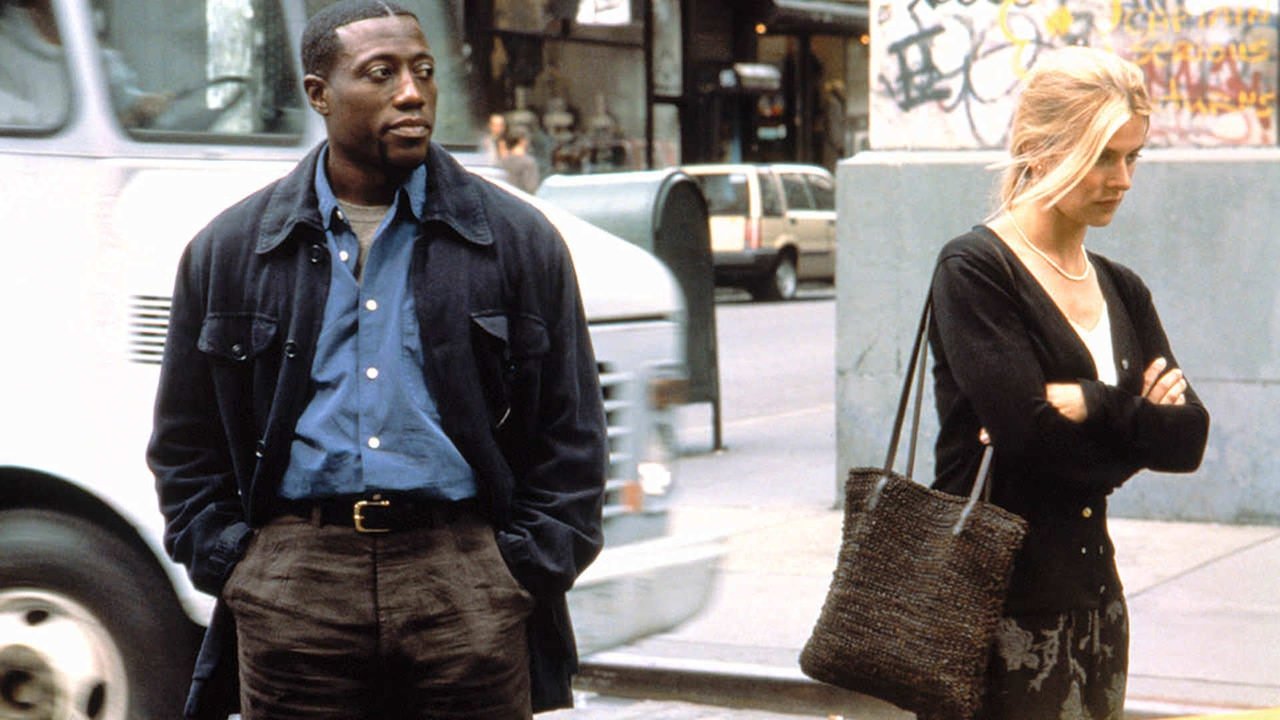
What immediately strikes you watching One Night Stand today is Wesley Snipes' performance. Known primarily for his action roles and undeniable physical presence, here Snipes channels that charisma inward. Max isn't explosive; he's implosive. Snipes portrays a man grappling with deep dissatisfaction masked by outward success, his turmoil conveyed through quiet glances and hesitant gestures. It’s a performance of subtle restraint, revealing layers of vulnerability rarely seen in his more iconic roles. Reportedly, Figgis specifically sought Snipes because he wasn't the obvious choice, wanting that contained energy for a character constantly holding himself back.
Nastassja Kinski, a veteran of European art-house cinema known for films like Paris, Texas (1984), embodies Karen with an alluring melancholy. She’s intelligent, artistic, and carries a sense of fatalism – she even references the German concept of "Zufall" (chance, fate). Her chemistry with Snipes feels authentic, born of shared glances and unspoken understandings rather than grand pronouncements. Opposite them, Kyle MacLachlan, forever associated with the quirky charm of Agent Dale Cooper from Twin Peaks, uses that inherent likeability to unsettling effect. Charlie is initially presented as Max's buoyant, supportive friend, but as the situation unfolds, MacLachlan subtly reveals a darker, more possessive undercurrent, complicated further by the devastating secret he carries – a secret that tragically reshapes the film's final act.
Figgis' Fingerprints: Mood, Music, and Messy Truths
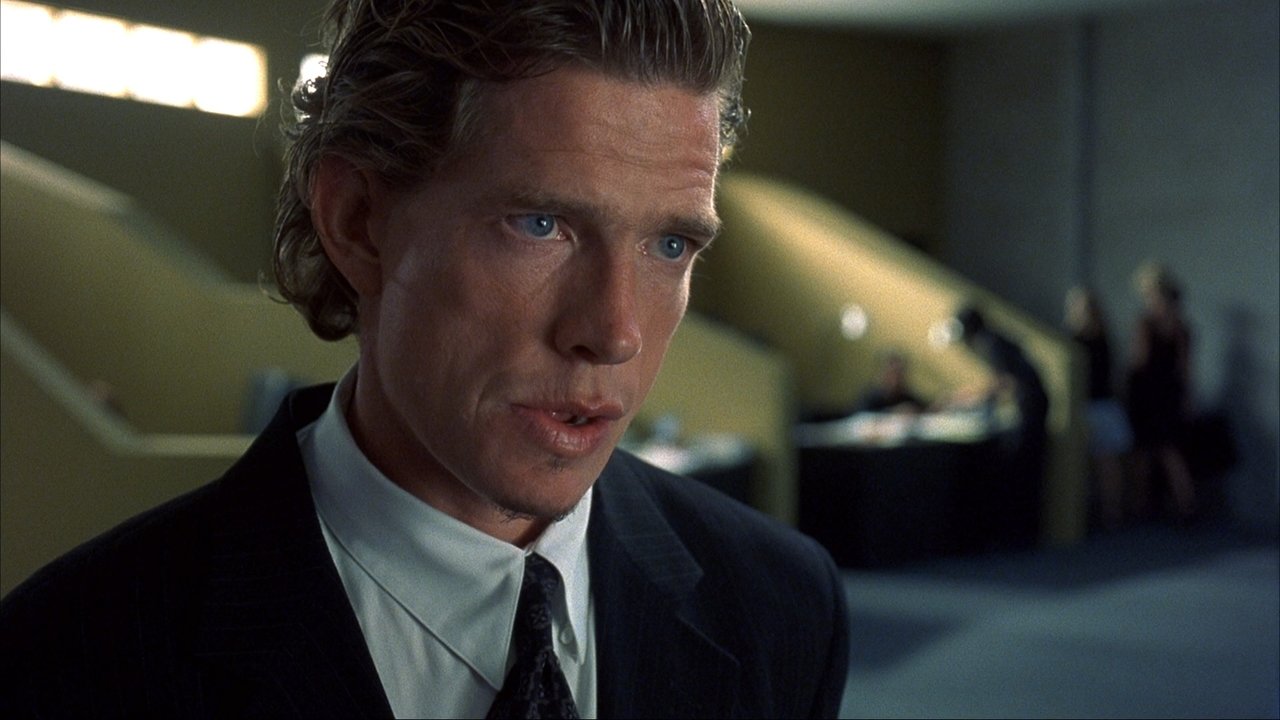
This film feels unmistakably like a Mike Figgis creation. His signature style, honed in Leaving Las Vegas, is readily apparent: the improvisational feel to the dialogue, the fluid camerawork that lingers on faces, and especially the prominent, jazz-infused score (which Figgis himself composed). The music isn’t just background noise; it’s an active participant, underscoring the characters' internal anxieties and the late-night, soul-searching atmosphere of the film. Figgis crafts a world that feels both intimate and detached, reflecting the emotional landscape of its characters.
It's fascinating to remember the film's somewhat turbulent production history. It began life as a script by the infamous Joe Eszterhas (Basic Instinct (1992)), known for his high-concept, often provocative thrillers. Figgis, however, significantly rewrote the screenplay, shifting the focus from plot mechanics to character study and atmosphere. Initial test screenings of this more introspective version were reportedly disastrous, leading the studio (New Line Cinema) to pressure Figgis for changes. He resisted extensive alterations but did undertake some reshoots, adding scenes that perhaps aimed for slightly more conventional emotional payoffs, particularly involving Robert Downey Jr. in a poignant cameo as Charlie's dying brother. Despite the studio jitters, Figgis' vision ultimately prevailed, even earning him the Best Director award (the Volpi Cup for Best Actor went to Snipes) at the prestigious Venice Film Festival for this cut – a testament to his artistic integrity.
Reflections in the Static
One Night Stand isn't a comfortable watch. It asks difficult questions about commitment, desire, and the unforeseen consequences of impulsive choices. Can a single night fundamentally alter the course of multiple lives? What do we owe to the people we love, and what do we owe to ourselves? The film doesn't offer easy answers, preferring instead to explore the messy, often contradictory nature of human relationships. Mimi's character, though perhaps less screen time than Karen, resonates powerfully; Ming-Na Wen delivers a nuanced portrayal of betrayal and resilience that avoids shrewish stereotypes. Her confrontation with Max is a masterclass in controlled pain.
While some might find the pacing deliberately measured, or perhaps the resolution a touch too neat given the preceding complexities, the film lingers precisely because of its ambiguity and emotional honesty. It captures that specific late-90s feeling of adult dramas wrestling with serious themes, a far cry from the escapism often dominating the multiplex. It feels like a film made for grown-ups, trusting its audience to navigate the moral grey areas alongside the characters.
Rating: 7/10
This rating reflects the film's undeniable strengths – particularly the nuanced performances from Snipes, Kinski, MacLachlan, and Wen, and Figgis's assured, atmospheric direction and evocative score. The challenging themes and refusal of easy answers elevate it beyond a simple melodrama. It loses a few points for occasional pacing lags and an ending that, while emotionally resonant, feels somewhat tidier than the tangled narrative might suggest. The production backstory adds a fascinating layer, showcasing a director fighting for his vision.
One Night Stand remains a compelling, if sometimes uncomfortable, piece of 90s adult filmmaking. It’s a reminder that sometimes the most significant moments aren’t the loudest, but the quiet collisions of chance that ripple outwards, leaving us to ponder the paths not taken long after the VCR clicked off.