The chill doesn't come from a sudden fright. It settles slowly, a damp cold seeping into your bones, much like the pervasive melancholy that hangs over every frame of M. Night Shyamalan's breakout 1999 phenomenon, The Sixth Sense. This wasn't just another ghost story flickering on the CRT late at night; it was something quieter, sadder, and infinitely more haunting. It arrived at the tail end of the millennium, a whisper before the roar of the new century, and left an indelible mark on the landscape of psychological thrillers.
Philadelphia Gothic
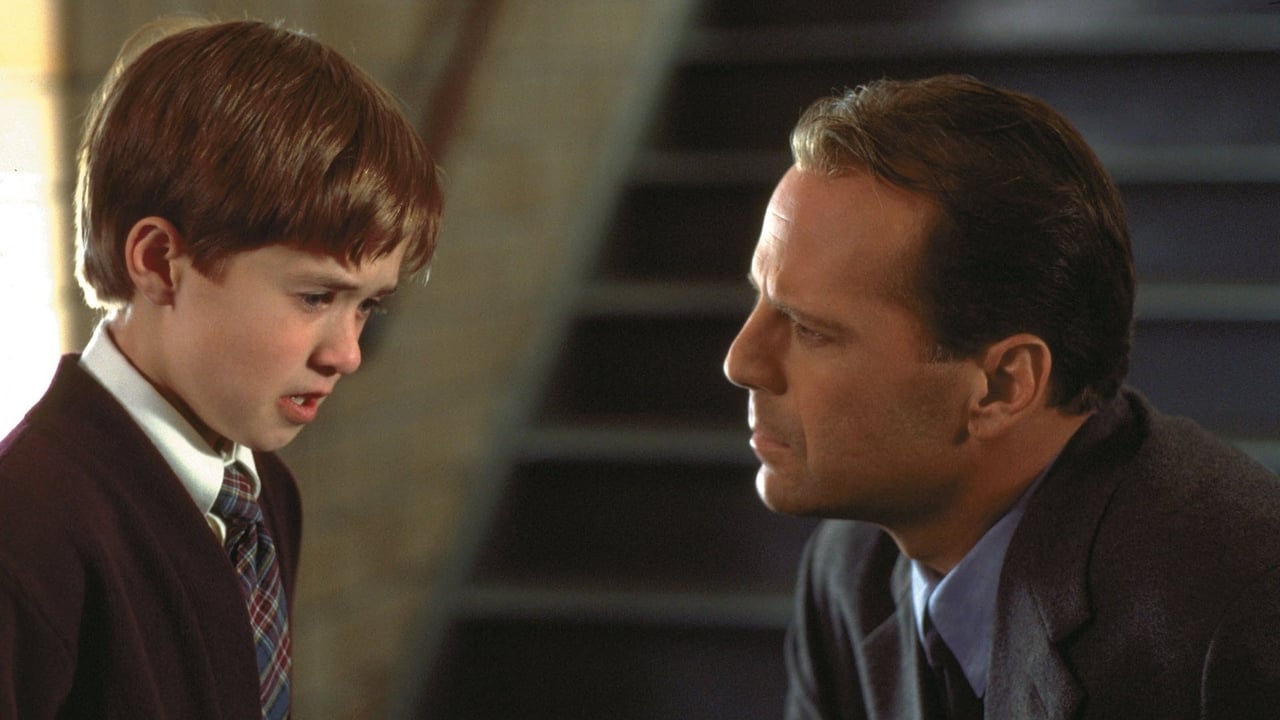
Forget haunted houses perched on remote hills. Shyamalan, who both wrote and directed, grounds his supernatural tale in the weary, autumnal streets of Philadelphia. The city itself feels like a character, steeped in history and unspoken sorrows. The colour palette is muted – greys, browns, deep blues – punctuated only by jarring flashes of red, a deliberate visual cue Shyamalan uses to signify spectral presence or moments of intense emotion bleeding through from the other side. It's a masterclass in atmospheric filmmaking, relying on suggestion, sound design (those terrifying whispers!), and a palpable sense of isolation rather than overt scares. I distinctly remember the feeling watching it for the first time – not of jumping out of my seat, but of leaning in, holding my breath, caught in its somber spell.
A Boy and His Ghost Whisperer
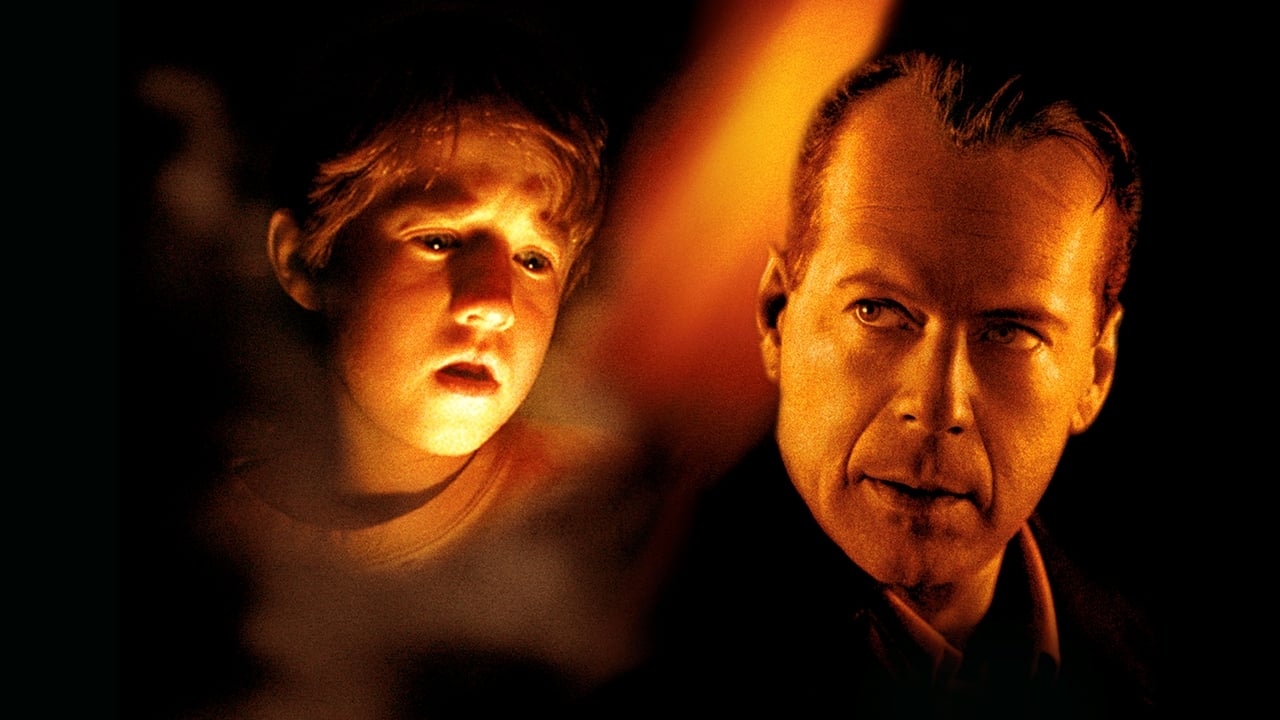
At its heart, The Sixth Sense is a profound character study. We have Dr. Malcolm Crowe, played by Bruce Willis in a performance that shattered his Die Hard action-hero mold. Willis brings a quiet gravity and deep sadness to Crowe, a child psychologist haunted by a past failure. His redemption hinges on helping young Cole Sear, portrayed with astonishing vulnerability by newcomer Haley Joel Osment. Osment’s performance remains staggering; the fear in his eyes, the tremor in his voice as he delivers that line – "I see dead people" – feels utterly authentic. Shyamalan reportedly knew Osment was perfect almost instantly, apparently moved to tears during his audition. Their scenes together are the film's anchor, filled with tentative trust and shared vulnerability. Remember how raw and believable that connection felt, devoid of typical Hollywood sentimentality?
The Weight of Unseen Things
Equally compelling is Toni Collette as Cole's mother, Lynn. Her struggle is intensely human – the fear, frustration, and fierce love for a child she doesn't understand but desperately wants to protect. Collette embodies the exhaustion and helplessness of a parent facing the inexplicable, grounding the supernatural elements in relatable family drama. One of the film's most powerful scenes involves no ghosts at all, just Lynn and Cole in a car during a traffic jam, finally achieving a moment of painful, tearful understanding. It’s performances like these, imbued with such realism, that elevate the film beyond simple genre exercise.

The Twist and the Timing
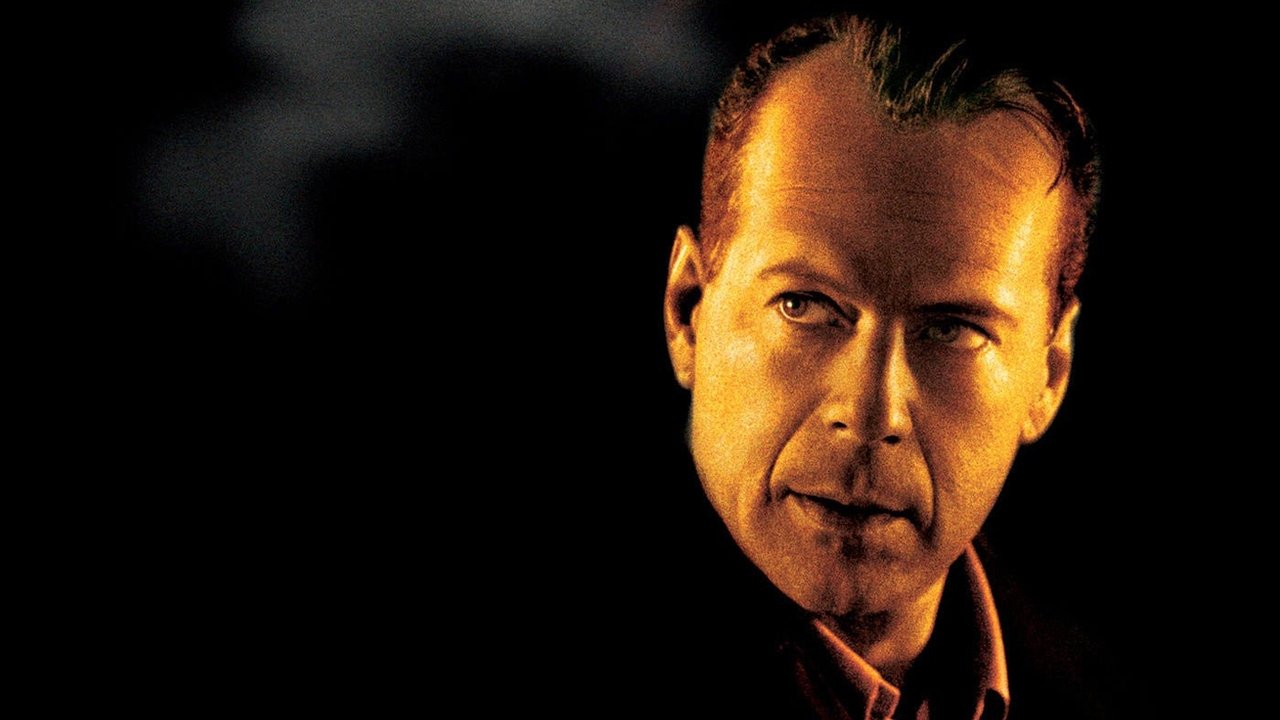
Of course, you can't discuss The Sixth Sense without mentioning the ending. Spoiler Alert! (Though, honestly, who doesn't know by now?). The revelation that Malcolm Crowe was dead the entire time wasn't just a plot point; it was a cultural event. The marketing brilliantly kept the secret, relying on word-of-mouth buzz that built into a frenzy. People went back for second viewings immediately, scanning for clues they'd missed (and they are everywhere, subtly laid by Shyamalan). It was a narrative sleight-of-hand that re-contextualized everything preceding it, cementing Shyamalan's reputation (for better or worse) as the "twist" guy. This low-budget ($40 million) film became a global sensation, raking in over $670 million worldwide – a testament to its potent blend of emotional drama and supernatural chills. It's fascinating to consider that Willis, already a superstar, reportedly took a significant pay cut for the role, banking instead on profit participation – a gamble that paid off handsomely.
The film's deliberate pacing, often criticized in later Shyamalan works, feels perfectly judged here. He lets scenes breathe, building tension through stillness and silence. It’s a reminder of a time when thrillers didn't always need frantic editing or constant jump scares to be effective. The fear here is existential, rooted in grief, communication breakdown, and the terrifying possibility of unseen burdens. Doesn't that kind of slow-burn dread feel almost nostalgic now, compared to today's often more frantic horror pacing?
VHS Heaven Rating: 9/10
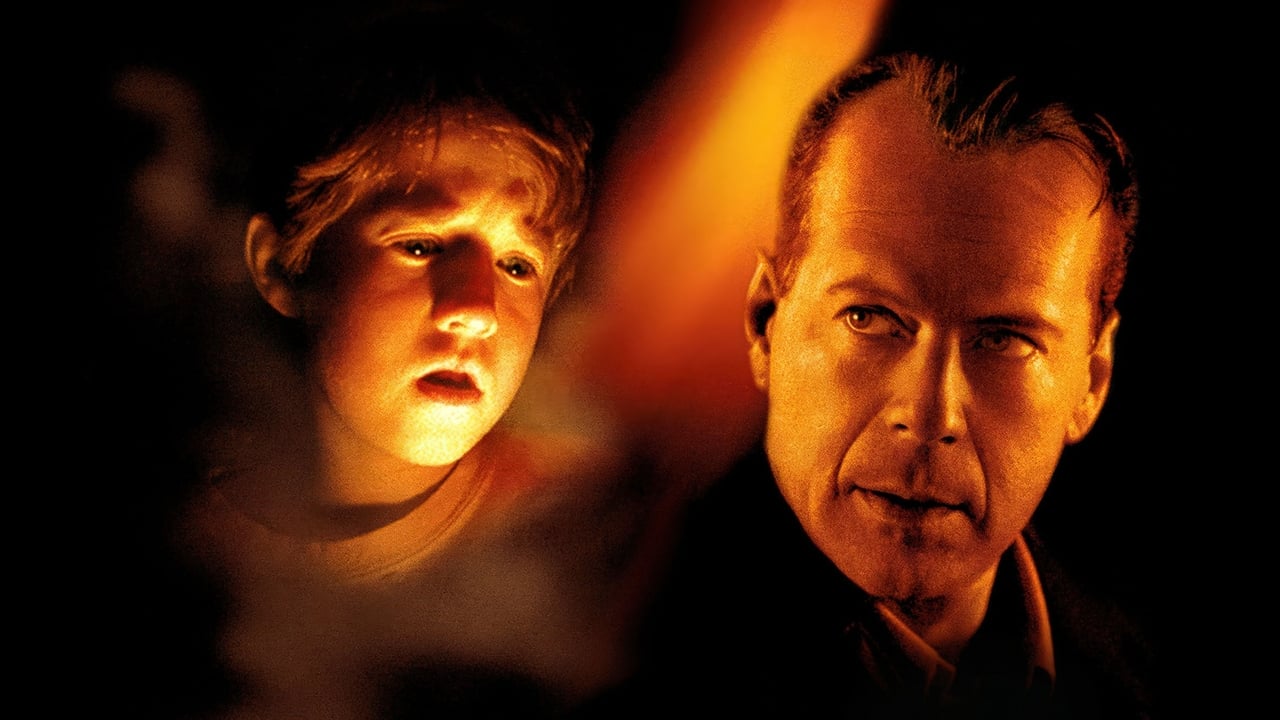
The Sixth Sense earns its high marks for its masterful atmosphere, exceptional performances (especially from Osment and Collette, and a career-redefining turn from Willis), and that perfectly executed, game-changing twist. It loses a single point perhaps only because the twist, once known, slightly diminishes the initial shock value on rewatch, though the emotional weight and craftsmanship remain undeniable.
It stands as a landmark of 90s cinema, a psychological thriller that prioritized emotion and atmosphere over cheap thrills, leaving audiences chilled, moved, and talking about it for months. Even now, revisiting it feels like uncovering a beautifully crafted, melancholic puzzle box – its impact hasn't faded, much like the lingering presence of the spirits Cole Sear could see all along.