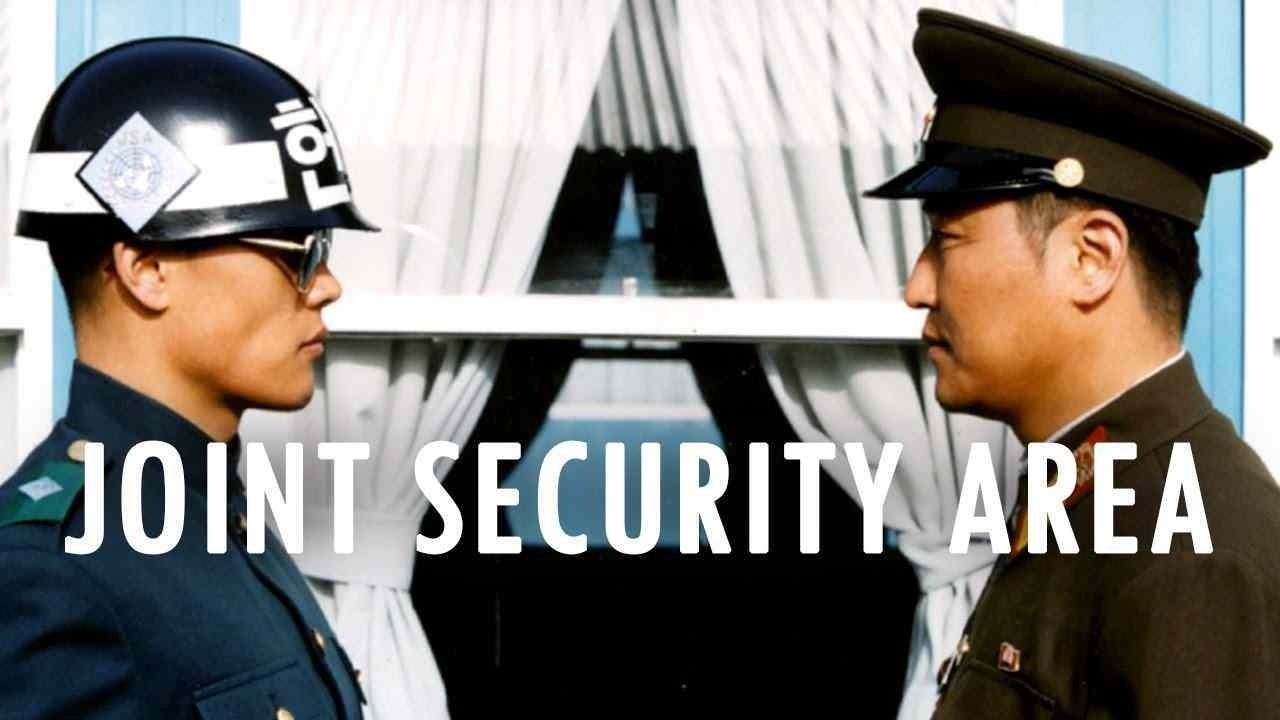
A single photograph, frozen in time, lies at the heart of the mystery. It depicts men who should be enemies, North and South Korean soldiers, sharing a moment of unguarded camaraderie within the most heavily fortified border on Earth. How did this fragile connection form, and how did it shatter so violently? Joint Security Area (or Gongdong gyeongbi guyeok JSA), released right at the cusp of the new millennium in 2000, doesn't just ask these questions; it immerses us in the human cost of division with a power that lingers long after the credits roll. For many of us delving into world cinema as the VHS era gave way to DVD, this film was a stunning revelation.
An Impossible Investigation
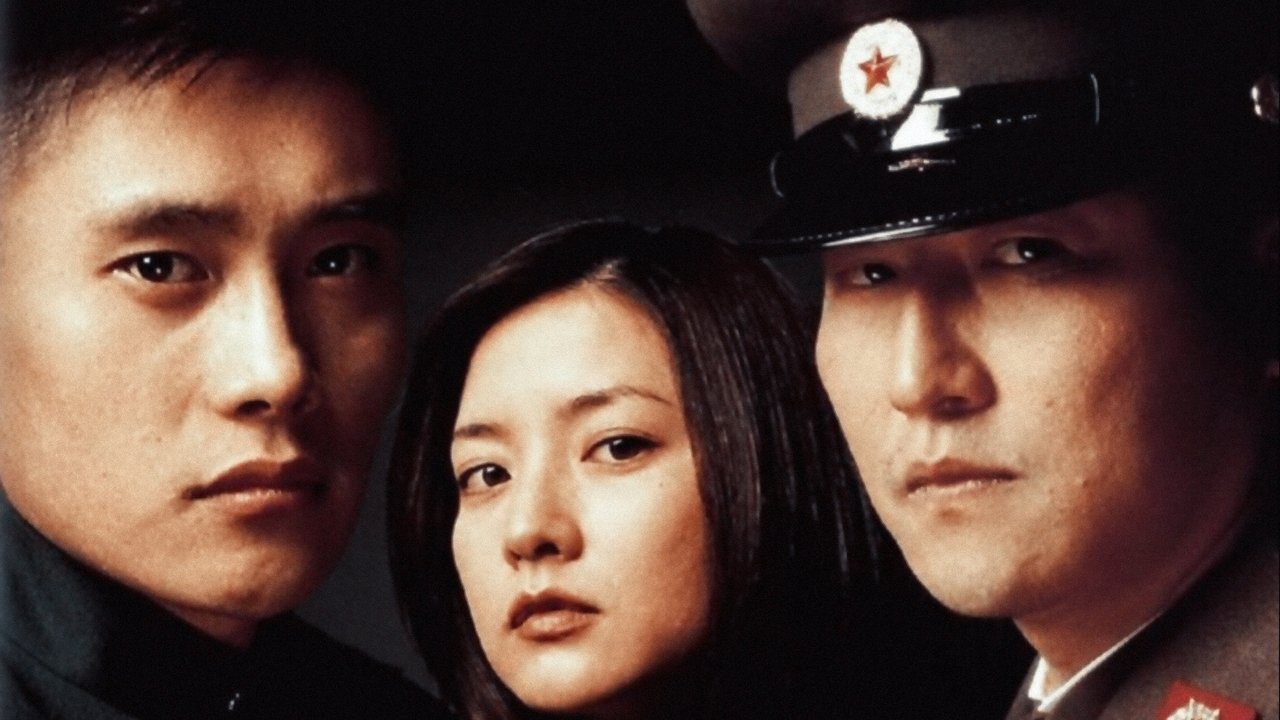
The setup is deceptively simple: a shooting incident in the Joint Security Area of the Korean Demilitarized Zone (DMZ) leaves two North Korean soldiers dead and one South Korean soldier, Sgt. Lee Soo-hyeok (Lee Byung-hun), wounded and confessing to the act. To unravel the conflicting accounts, the Neutral Nations Supervisory Commission assigns Swiss Army Major Sophie E. Jean (Lee Young-ae) to investigate. She enters a world thick with suspicion, political maneuvering, and carefully constructed narratives from both sides. It’s fascinating to know that Major Jean's character was originally written as male; the decision to cast Lee Young-ae, already a respected actress in Korea, lends a unique outsider's perspective, navigating a tense, masculine environment where truth seems the scarcest commodity.
The Hidden Heartbeat of Humanity
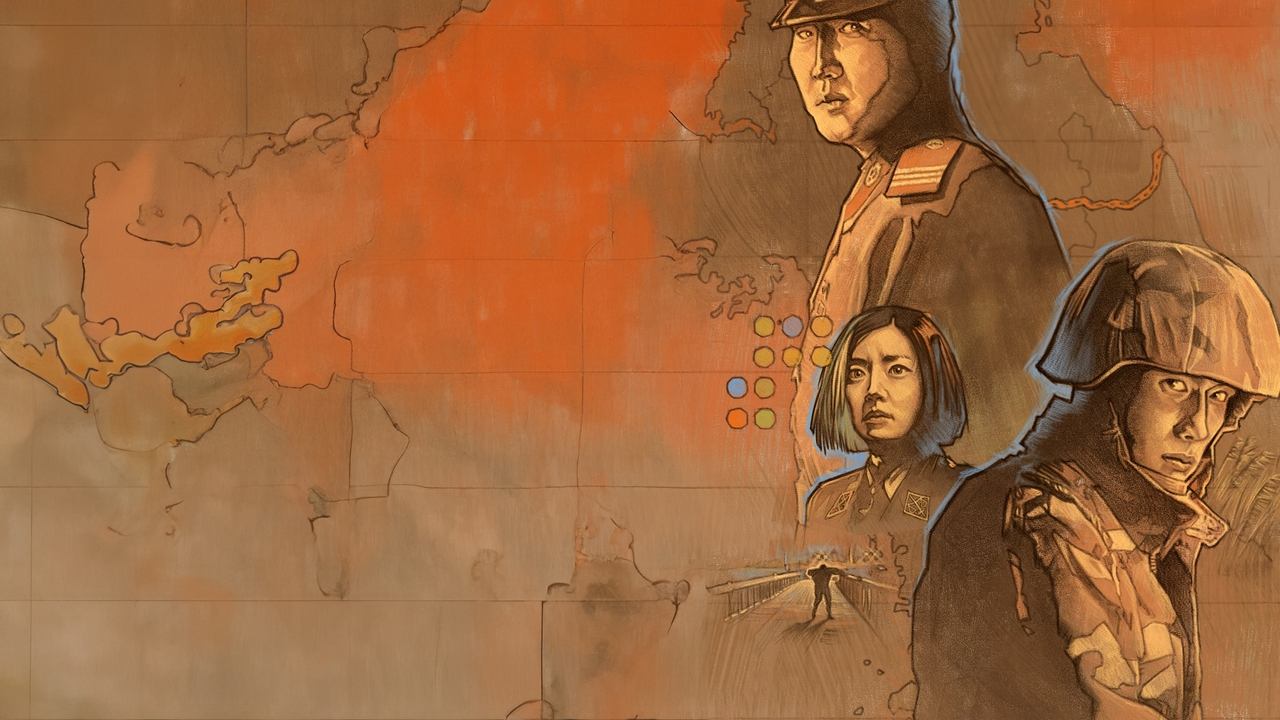
What unfolds through Major Jean's probing and the film's expertly crafted flashbacks is not just a military procedural, but a deeply moving story of forbidden friendship. We see how Sgt. Lee, through a series of near-accidental encounters, forms a bond with North Korean soldiers Sgt. Oh Kyeong-pil (Song Kang-ho) and Pvt. Jeong Woo-jin (Shin Ha-kyun). These clandestine meetings, filled with shared jokes, drinks, and smuggled goods, become a sanctuary from the crushing ideology surrounding them. The performances here are simply outstanding. Lee Byung-hun, even early in his leading man trajectory, conveys a compelling mix of naive curiosity and underlying tension. But it's Song Kang-ho, already showcasing the magnetic screen presence that would make him a legend (soon to be globally recognized in films like Parasite (2019)), who truly anchors these scenes. His Sgt. Oh is wary, pragmatic, yet possessed of a gruff warmth that makes the developing brotherhood feel utterly believable, and ultimately, heartbreaking. Their chemistry is the film's undeniable core.
Park Chan-wook's Emerging Vision
Before he unleashed the visceral style of the Vengeance Trilogy (starting with Sympathy for Mr. Vengeance in 2002), director Park Chan-wook demonstrated his immense talent here with a more restrained, yet incredibly potent, approach. He masterfully builds suspense, not just through the investigation, but through the constant threat hanging over the soldiers' secret interactions. The atmosphere is palpable – the quiet menace of the DMZ, the stark lines dividing nations, the claustrophobia of the guard posts. Filming in the actual JSA was impossible, of course, so the production meticulously recreated the key locations on a massive set. This commitment to authenticity grounds the human drama, making the political absurdity of the situation feel all the more real. It reportedly cost around $3.5 million USD to make – a significant sum then – but its resonance was profound.
A Nation's Nerve Touched
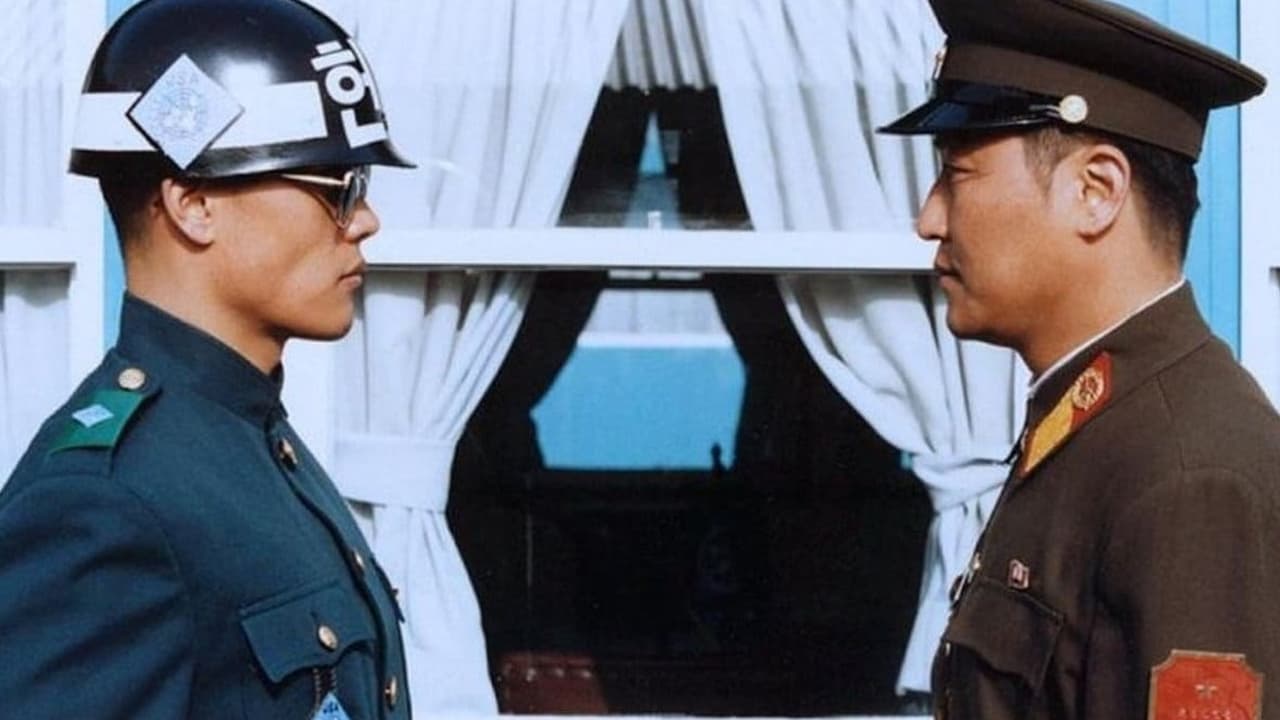
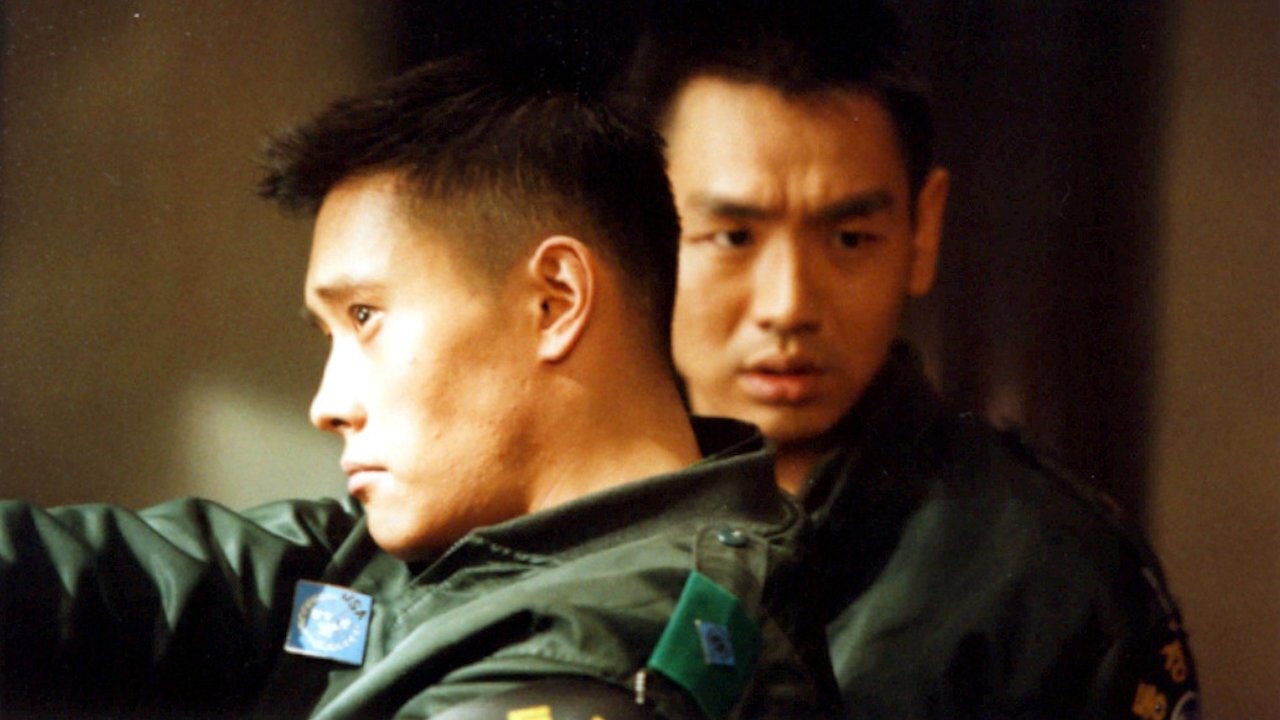
It's hard to overstate the impact Joint Security Area had in South Korea. It shattered box office records, becoming the highest-grossing Korean film up to that point (earning well over $20 million USD domestically – a colossal figure for the time and market). Based on Park Sang-yeon's novel DMZ, the film clearly tapped into a deep national yearning for understanding, reconciliation, and perhaps simply acknowledging the shared humanity obscured by decades of conflict. It didn't offer easy answers, but it dared to portray soldiers on both sides not as faceless enemies, but as individuals caught in a tragic historical trap. Its critical and commercial success was a major milestone for Korean cinema, signaling the artistic ambition and audience appetite that would fuel the Hallyu wave.
Echoes in the Silence
Certain images and moments from JSA lodge themselves in your memory: the nervous exchange of a lighter, the shared laughter over a silly song, the final, devastating implications of that frozen photograph. Park Chan-wook uses these small human details to illuminate the larger tragedy. The non-linear structure, revealing the truth piece by painful piece, mirrors the difficulty of uncovering anything genuine in such a politicized environment. We, along with Major Jean, slowly grasp the enormity of what has been lost – not just lives, but the fragile possibility of connection itself.
Rating: 9/10
Joint Security Area earns this high mark through its exceptional performances, particularly from Song Kang-ho and Lee Byung-hun, Park Chan-wook's assured and tension-filled direction, and its profoundly moving exploration of humanity transcending political divides. It’s a masterful blend of suspense thriller and human drama, grounded by meticulous production and a script (co-written by Park) that finds universal tragedy within a uniquely Korean context. While the investigative framework can feel a touch conventional at times, it serves effectively to unveil the deeply emotional core. This film was more than just a movie; it felt like an event, a powerful piece of storytelling that announced a new era for Korean film on the world stage, discovered by many of us right as we navigated from worn-out VHS tapes to the promise of DVD clarity.
It leaves you contemplating the arbitrary lines we draw and the human connections that stubbornly try to bloom even in the most barren ground. What stays with you most isn't the mystery's solution, but the haunting echo of shared laughter across a deadly border.