The flickering static of a worn VHS tape feels like the only fitting prelude to the visual and sonic assault that is Darren Aronofsky's debut feature, Pi (1998). This wasn't a film you stumbled upon sandwiched between brightly coloured blockbuster boxes at the local video store; finding Pi felt like uncovering something illicit, a grainy monochrome transmission from the edge of sanity. Forget polished studio fare; this was cinema born of obsession, famously scraped together for a reported $60,000-$68,000 (roughly $110k-$125k today), much of it funded by $100 donations from friends and family promised $150 back if the film succeeded. That raw, almost desperate energy bleeds through every frame.
### The Number is Everything
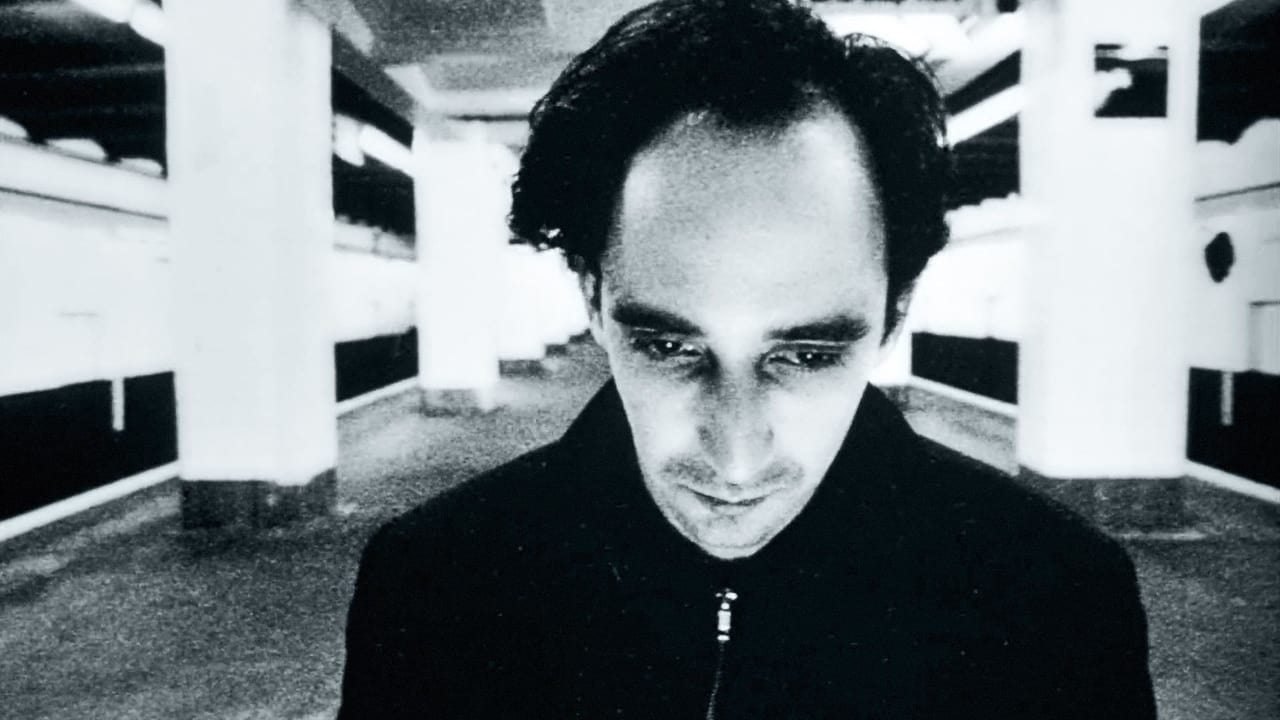
We're plunged immediately into the chaotic mind of Maximillian Cohen (Sean Gullette), a brilliant but tormented mathematician living in a cramped, tech-cluttered Chinatown apartment. Max believes everything in nature can be understood through numbers, that a hidden pattern underpins the seemingly random chaos of existence – specifically, the stock market. He’s built a supercomputer named Euclid in his claustrophobic living space, hoping to unlock this ultimate numerical key. But his quest isn't just academic; it's visceral. Crippling cluster headaches plague him, reality blurs, and paranoia becomes his closest companion as shadowy Wall Street agents and devout Kabbalah practitioners converge, each believing Max holds a different kind of sacred or profane key.
### Grayscale Nightmare
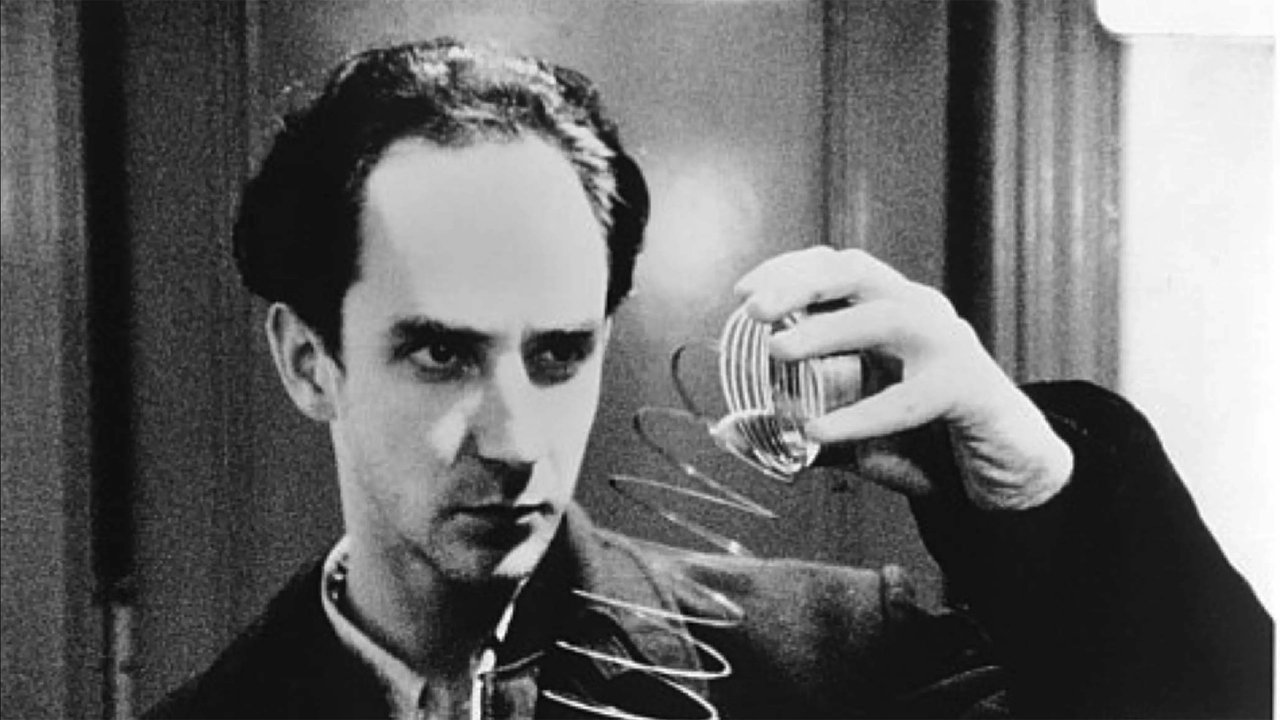
Aronofsky’s decision to shoot Pi on high-contrast black-and-white reversal film stock wasn't merely an aesthetic choice; it was a masterstroke born partly from necessity but elevated to thematic brilliance. The stark visuals – blown-out whites searing against fathomless blacks – mirror Max's fractured psyche and the binary extremes of his obsessive quest. There’s no comforting grey area here. The grainy texture, amplified on those old CRT screens via VHS, feels less like film stock and more like sandpaper rubbing against your optic nerves. It contributes immensely to the film's oppressive, claustrophobic atmosphere. You feel trapped with Max in his cluttered apartment, the walls closing in, the relentless hum and click of Euclid a constant, maddening presence. This intentional visual harshness was a gamble; Aronofsky and cinematographer Matthew Libatique pushed the reversal stock development, creating a look that few labs at the time could even consistently process, adding another layer of risk to the already precarious production.
### Echoes in the Code
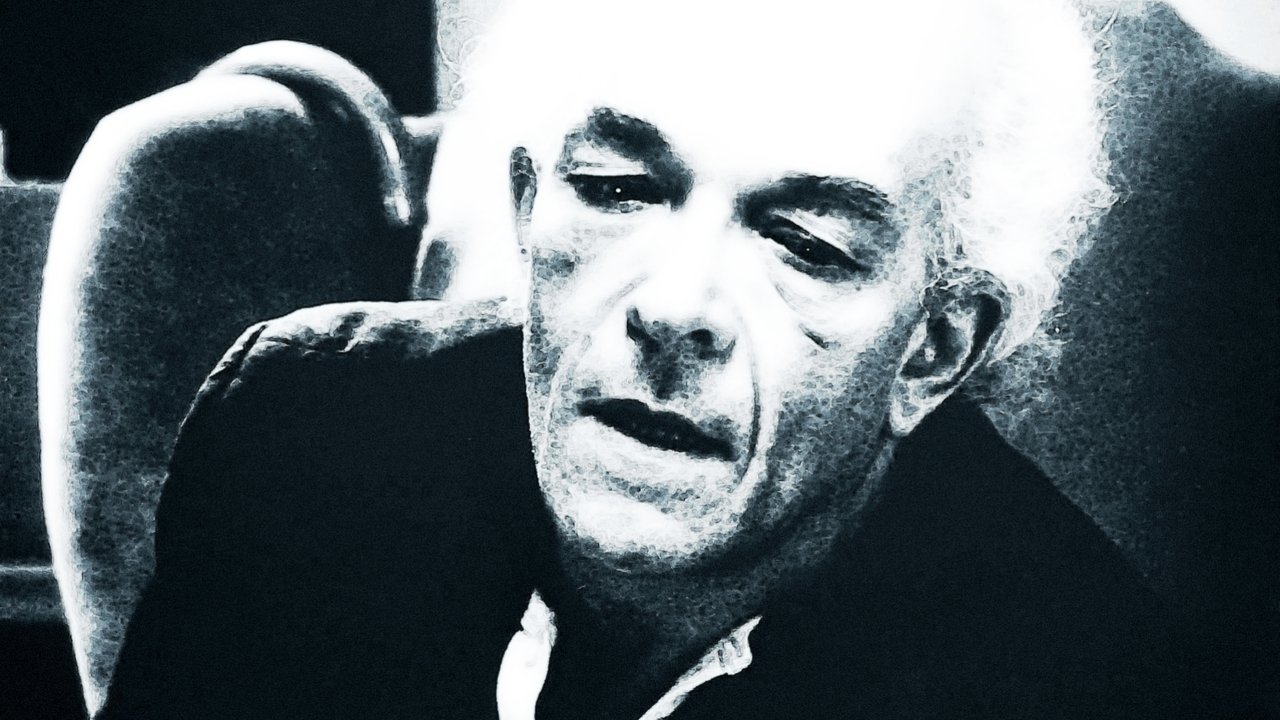
Sean Gullette, a longtime friend of Aronofsky, delivers a performance of unnerving intensity. He embodies Max's brilliance and fragility, his physical deterioration mirroring his mental unraveling. The sweat, the tremors, the wide, haunted eyes – it’s a raw, committed portrayal that anchors the film's spiraling narrative. Supporting players like Mark Margolis (later known for Breaking Bad) as Sol, Max’s ageing mentor who warns him against the dangers of his quest, and Ben Shenkman as the manipulative Wall Street shark, provide crucial counterpoints to Max's isolation. Margolis, in particular, brings a weary gravitas, a ghost of obsession past trying to guide Max away from the abyss. There's a palpable sense of history and weary knowledge in his interactions with Max.

The score by Clint Mansell, then known as the frontman for Pop Will Eat Itself and making his scoring debut here, is inseparable from Pi's impact. It’s not a traditional score but a pulsing, driving, often abrasive electronic soundscape that perfectly captures the film's technological dread and Max’s escalating panic. It drills into your skull just as relentlessly as Max's headaches, becoming an auditory extension of his psychological state. This collaboration marked the beginning of a long and fruitful partnership between Aronofsky and Mansell, shaping the sound of films like Requiem for a Dream (2000) and Black Swan (2010).
### Scavenged Genius
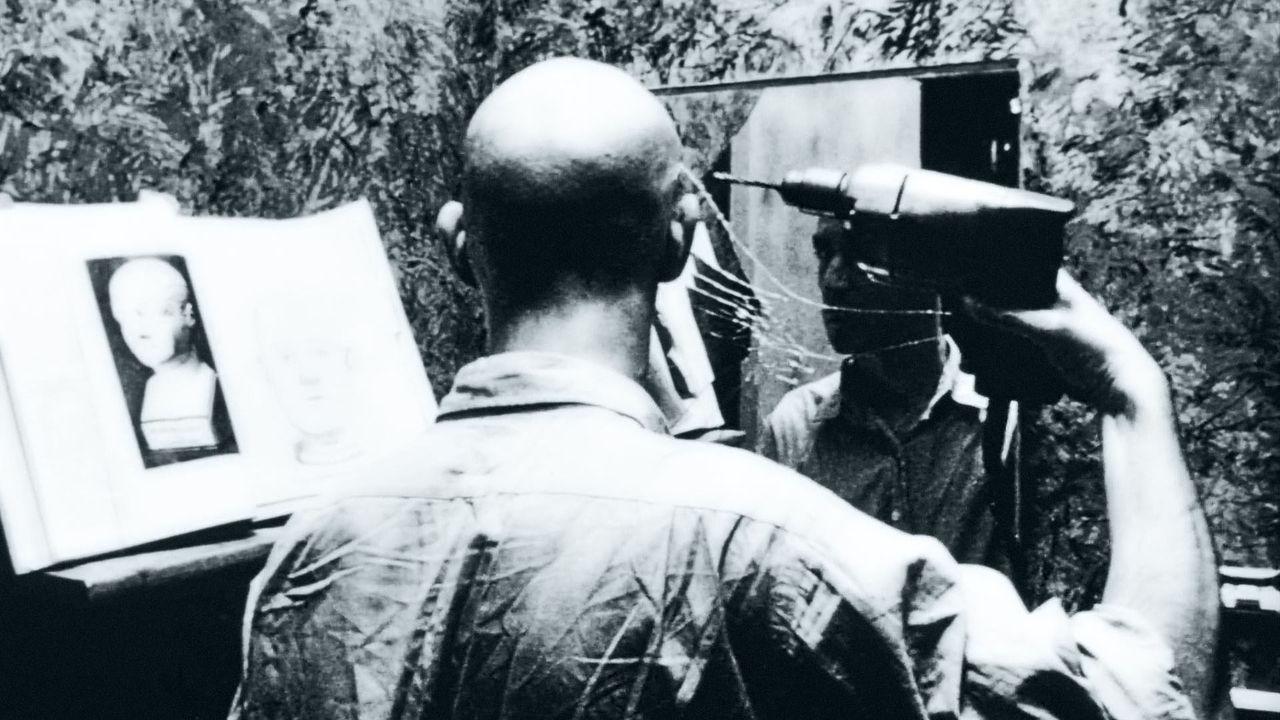
The guerrilla filmmaking style is palpable. Aronofsky and his crew often shot without permits on the streets and subways of New York City, constantly looking over their shoulders. This wasn't just low-budget; it felt almost like found footage from a breakdown, captured on the fly. They used an Aaton 16mm camera, known for being relatively quiet, which aided their clandestine shoots. Small details, like Max modifying his drill with a dimmer switch to control the speed – a trick Aronofsky himself reportedly used on set for lighting – add to the film’s authentic, lived-in, slightly unhinged feel. Even the recurring visual motif of the Go board, representing order and complexity, was apparently inspired by Aronofsky playing the game during pre-production. These aren't just trivia points; they speak to the resourcefulness and personal investment poured into every gritty frame.
The film doesn’t shy away from disturbing imagery – the pulsating brain, the self-inflicted violence – but it avoids cheap jump scares. The horror here is psychological, existential. It’s the terror of losing control, of knowledge becoming a curse, of glimpsing a pattern so vast and terrifying that it threatens to shatter the human mind. Doesn't that central dread, the fear of uncovering something we're not meant to know, still resonate deeply?
### Legacy of Obsession
Pi wasn't just a movie; it was a statement. It announced Darren Aronofsky as a distinct and uncompromising voice in American independent cinema. Its success at Sundance (winning the Directing Award) proved that challenging, low-budget films could find an audience and critical acclaim. It tapped into pre-millennium anxieties about technology, information overload, and the search for meaning in a chaotic world. Watching it again now, decades later, its raw power hasn't diminished. The grainy B&W, the relentless score, Gullette's harrowing performance – it all combines into an experience that’s hard to shake off, lingering like the afterimage of a harsh light. It’s a film that feels handcrafted, urgent, and dangerously alive.
Rating: 9/10
This score reflects Pi's sheer audacity, its technical ingenuity despite severe limitations, its powerful atmospheric dread, and its lasting impact as a landmark of 90s independent filmmaking. The performances are raw and committed, the visual style is unforgettable, and the central themes of obsession and the terrifying pursuit of knowledge remain potent. It’s not an easy watch, but its abrasive brilliance is undeniable.
Pi remains a potent reminder that sometimes the most unforgettable cinematic experiences aren't found in polished perfection, but in the raw, obsessive energy scraped together from the fringes. It's a true VHS treasure – dark, demanding, and utterly unique.